Vietnam
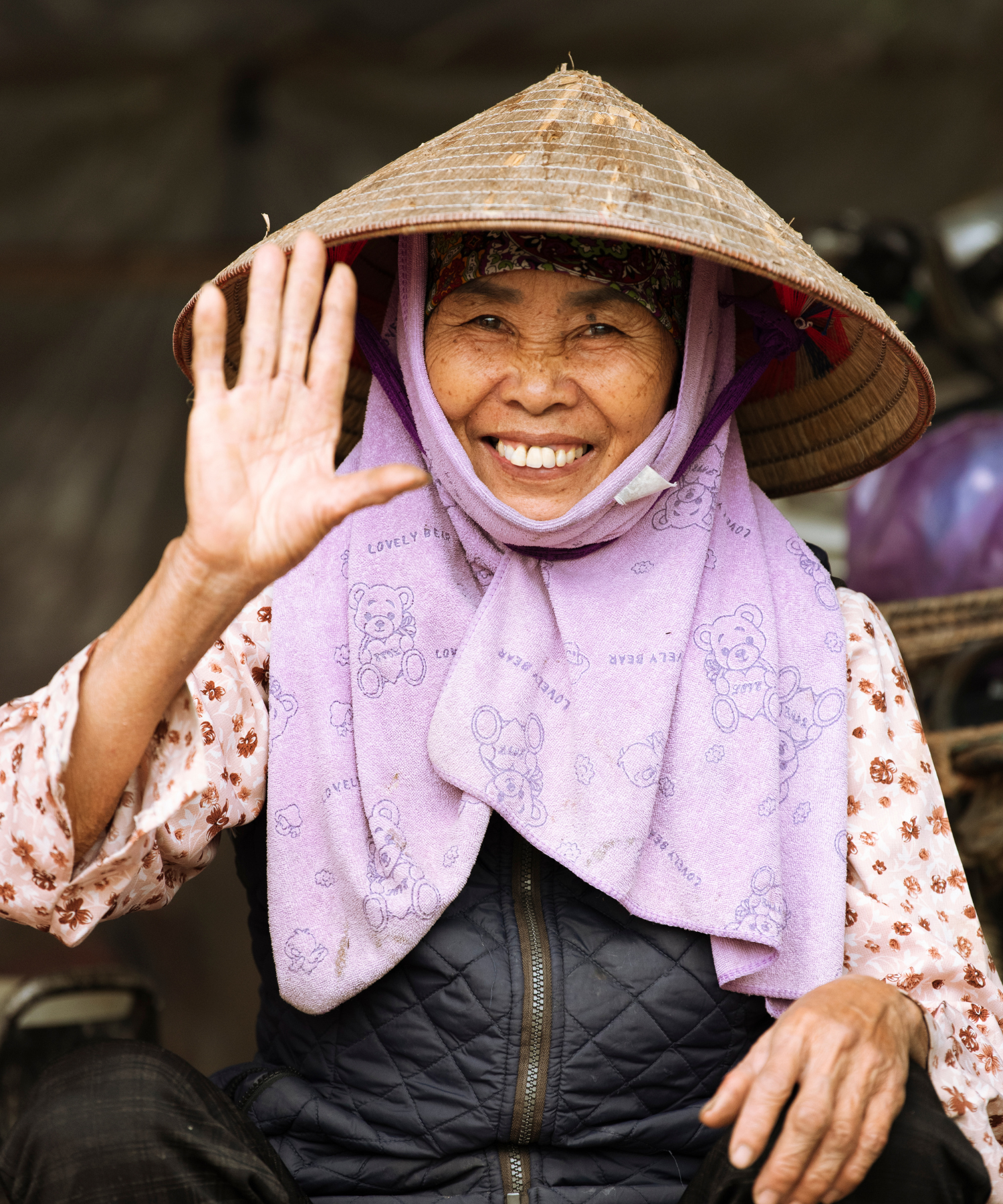
Our first destination in Southeast Asia was Vietnam, where we stayed for 6 nights, immersed in its rich history and culture. After a brief layover in Doha, we flew from there to Da Nang Airport, with a stopover in Ho Chi Minh City (formerly Saigon).
Summary
Hoi An: 4 nights
Hanoi: 1 night
Ha Long Bay: 1 night
The arrival
The Visa
Right after landing, a representative from Abercrombie & Kent was already waiting for us to process our entry visa for the country. The first part was done back in Brazil by the tour operator, so that we could board the flight in Doha to Ho Chi Minh City. We had to present an invitation letter authenticated by the Vietnamese Immigration Department, containing all the group members' information: name, passport number, date of entry and exit from the country, etc.
The second part took place at the arrival airport. We handed over our passports along with the letter and went through immigration, where the visas were issued.
Of the four countries we visited, Vietnam was the most difficult to enter and the only one where I thought paying for the fast-track service made a difference. In the other countries, it was simply convenient and saved us time.
For those who feel comfortable handling the entire process on their own, this is the link to the official visa website.
Get a travel quote with
Ship With Us
All guides were created in partnership with the Embarque With Us agency, which has 40 years in the market and is headquartered in São Paulo and Ribeirão Preto - Brazil.
To get a quote for this itinerary or customize it for you, simply click the button below and a travel consultant will contact you soon.
www.embarquewithus.com.br @embarquewithus
1st destination
Hoi An
The Hotel
After leaving Da Nang Airport, we were met by our guide and driver, who took us to the hotel; the drive took about 45 minutes. Our first destination in the country was Hoi An, a UNESCO World Heritage site.
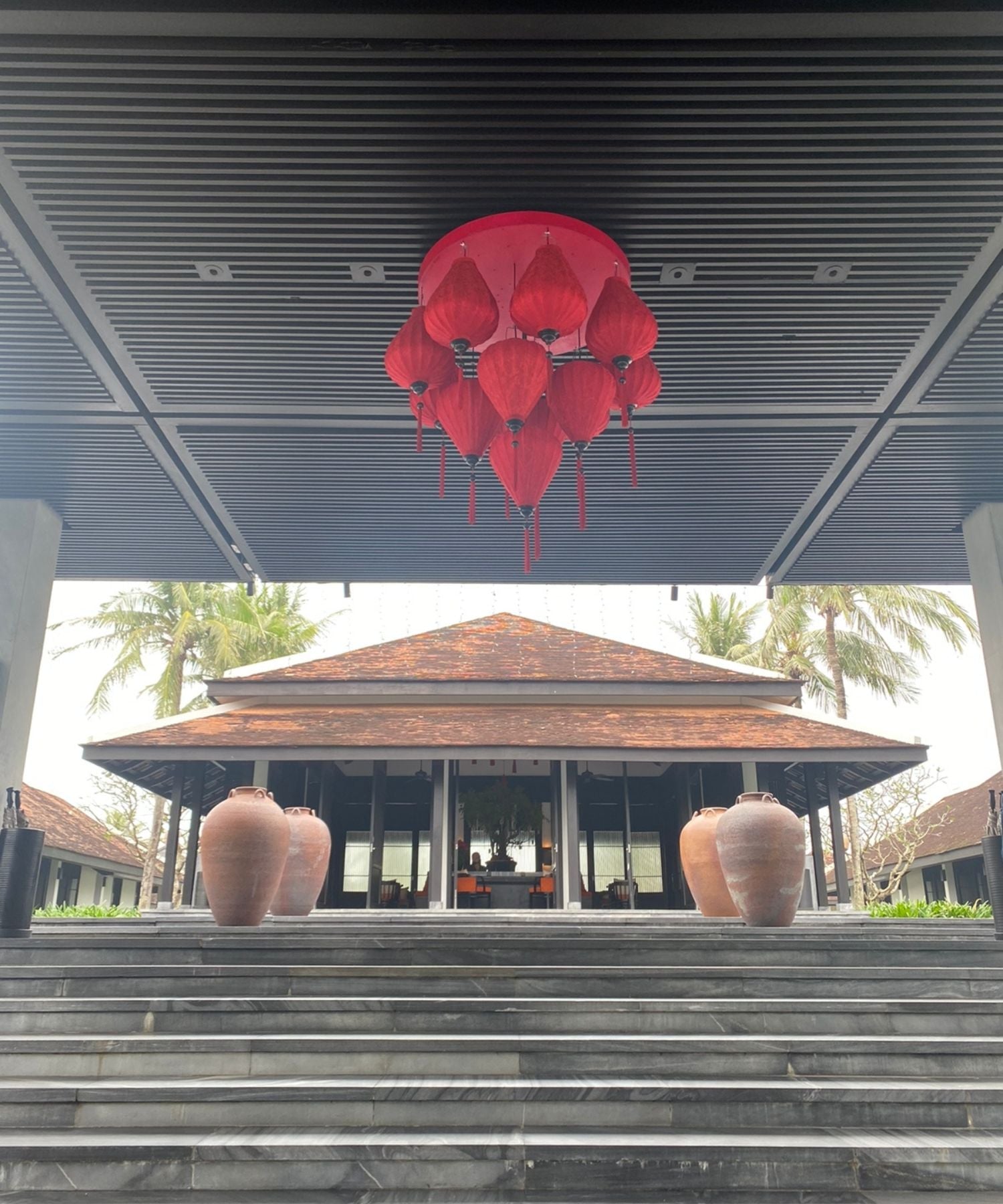
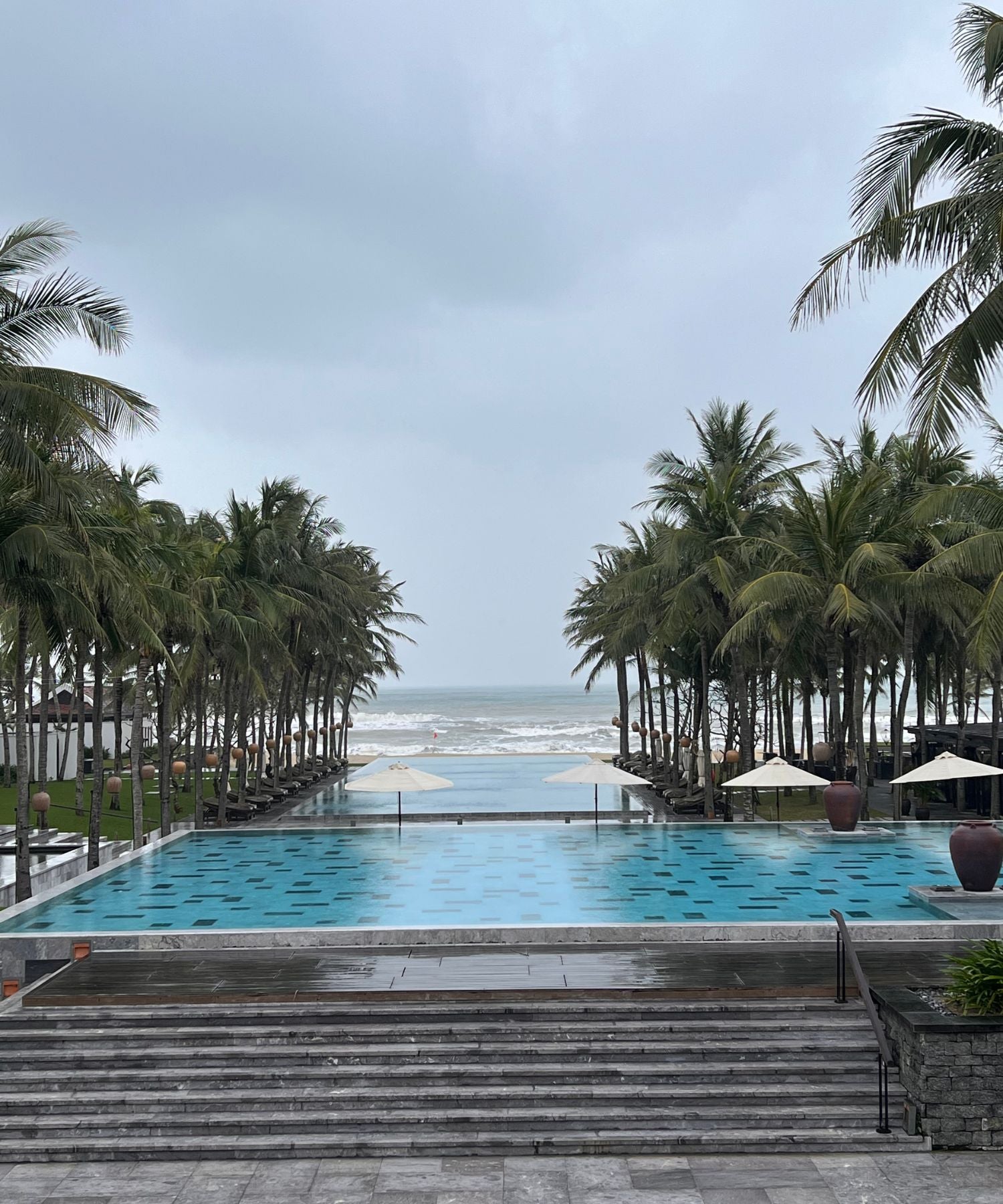
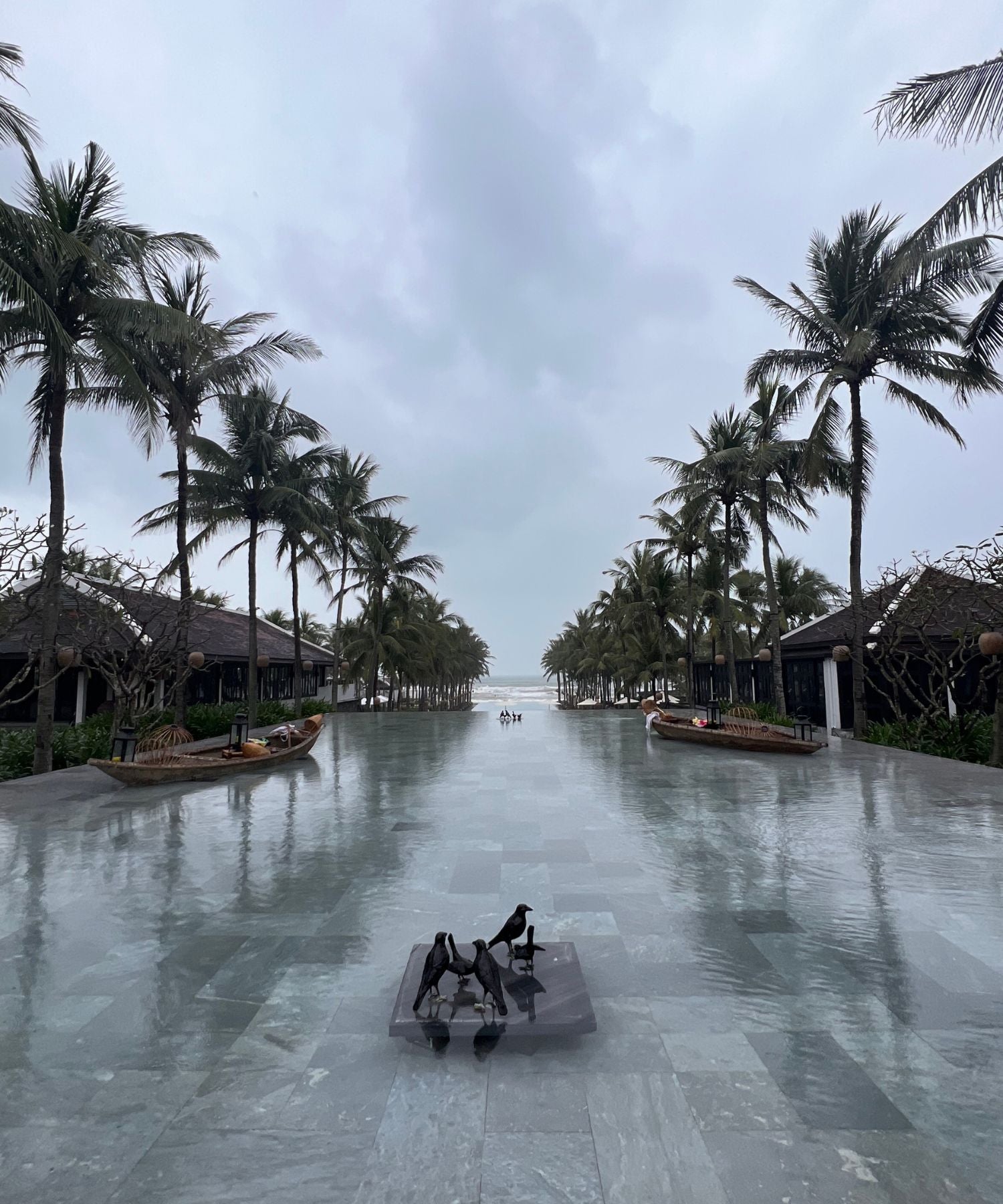
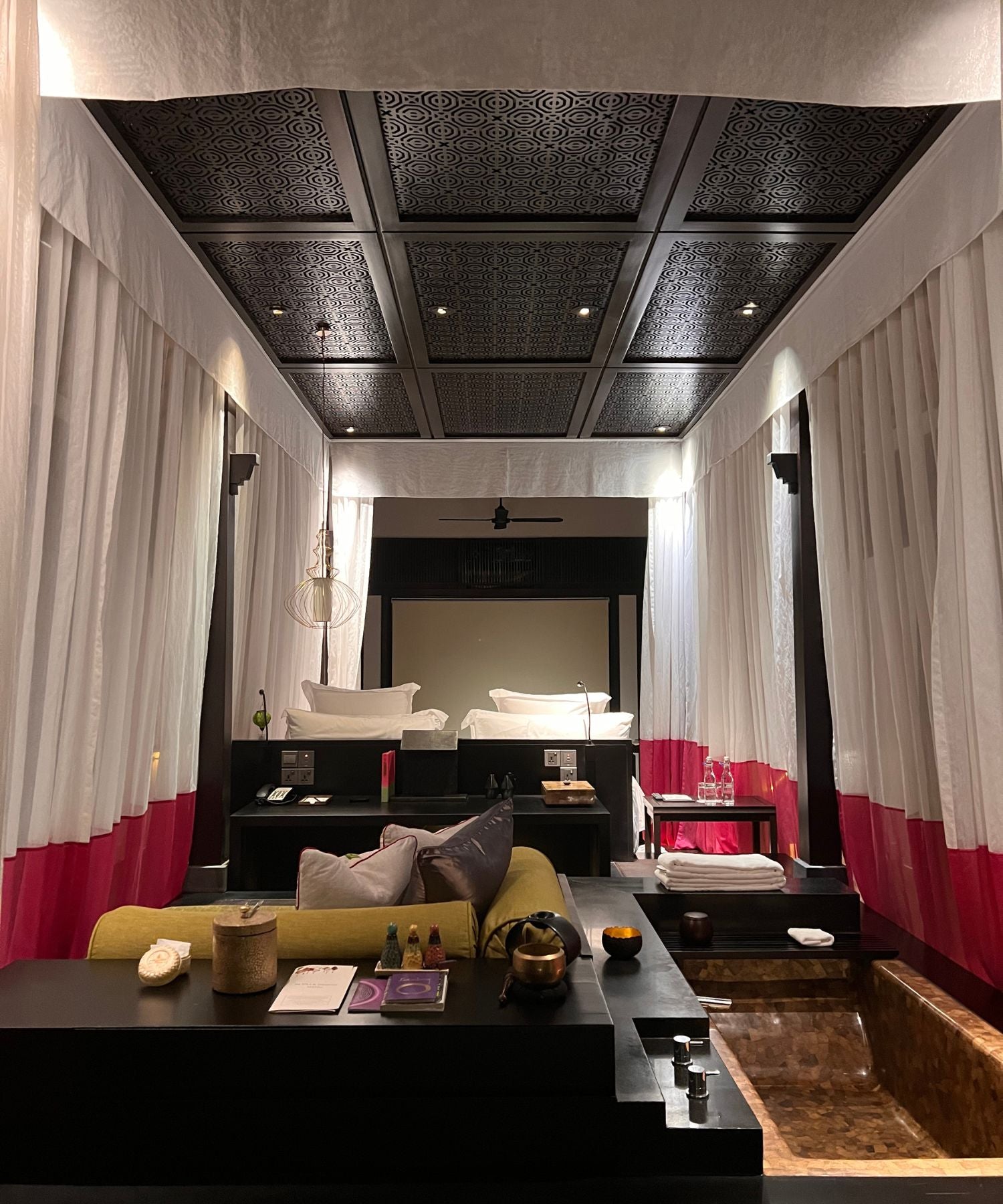
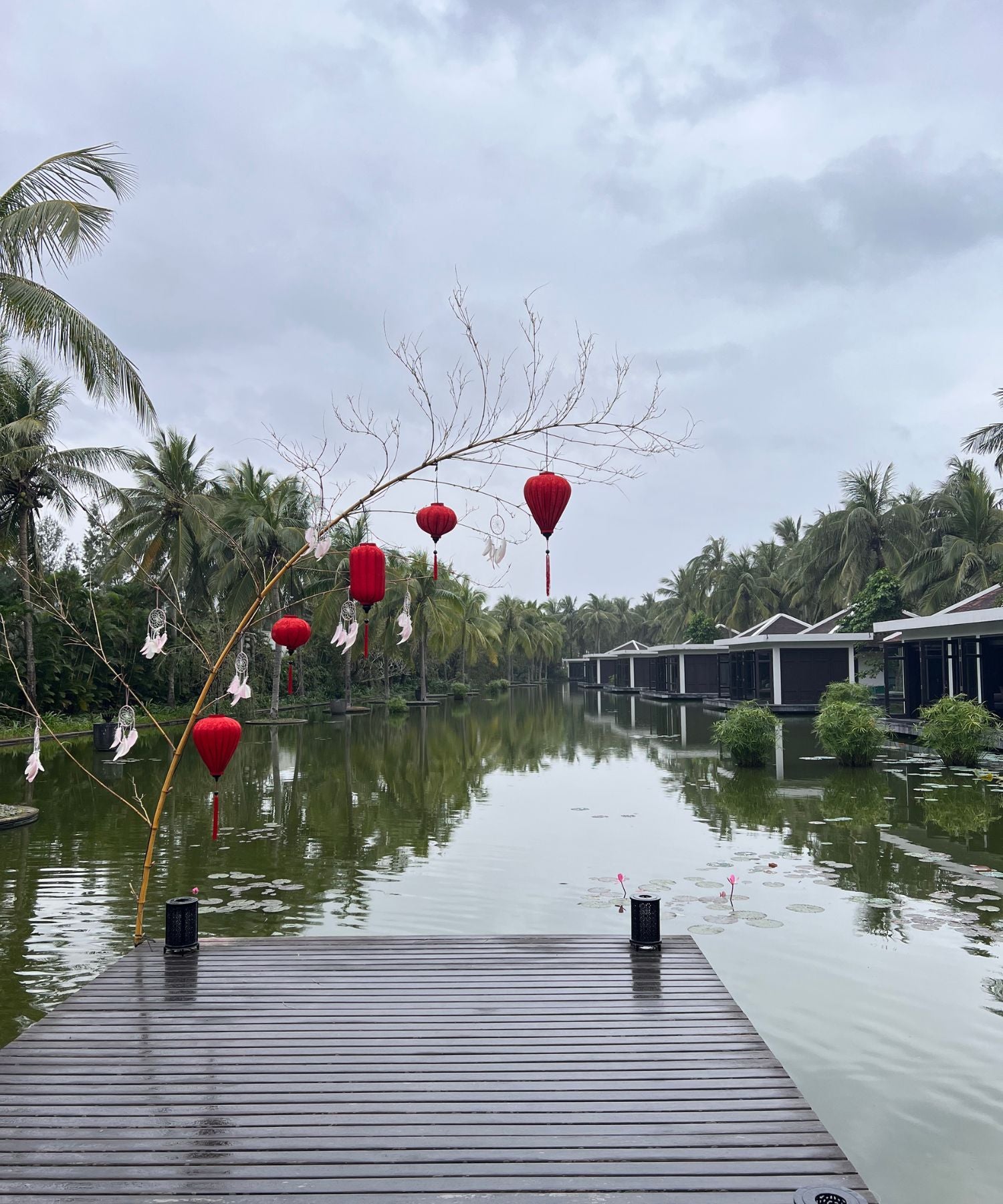
We stayed at the beautiful The Nam Hai hotel, which has been part of the Four Seasons hotel group since late 2016 and is located 9 km from the city center.
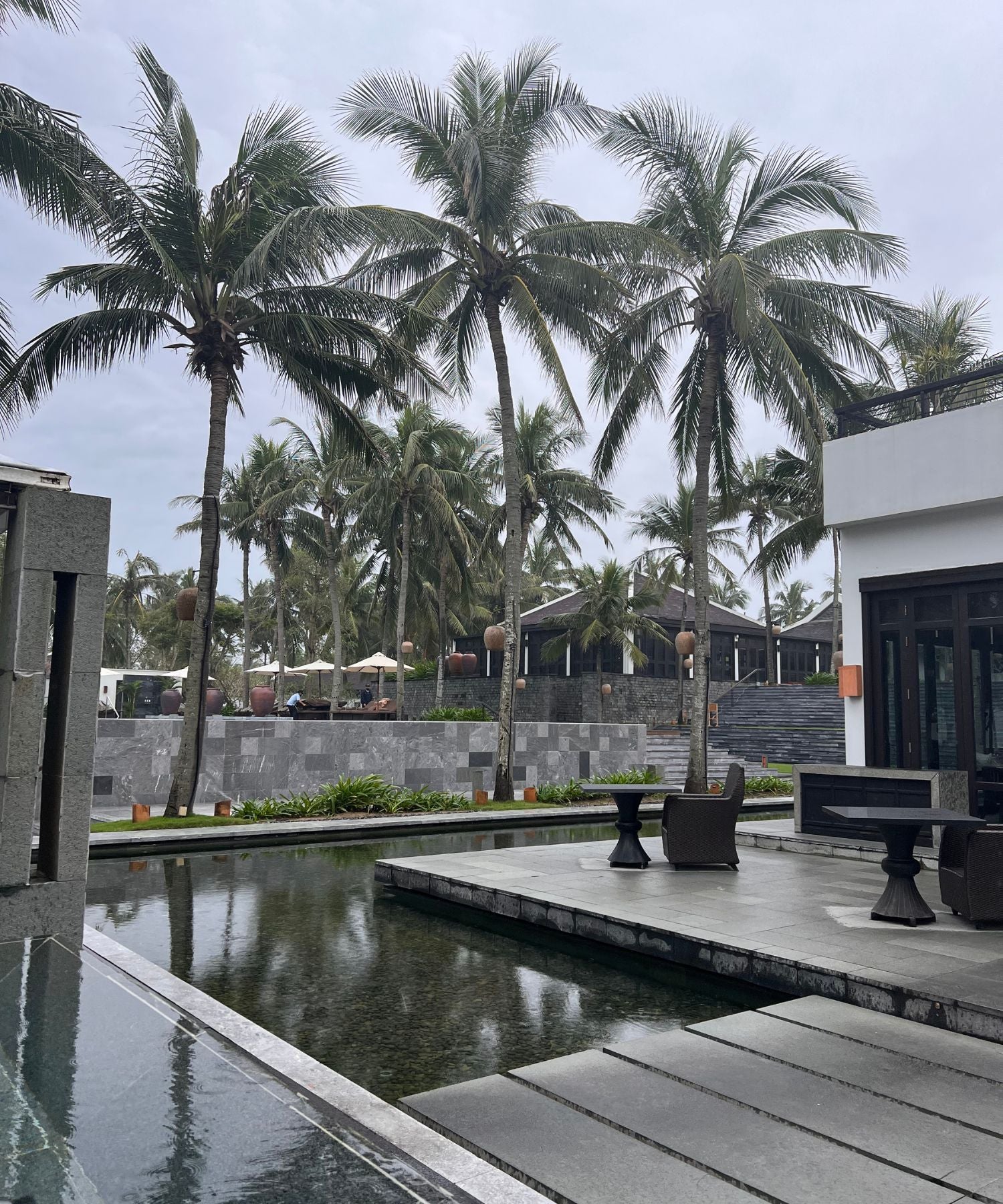
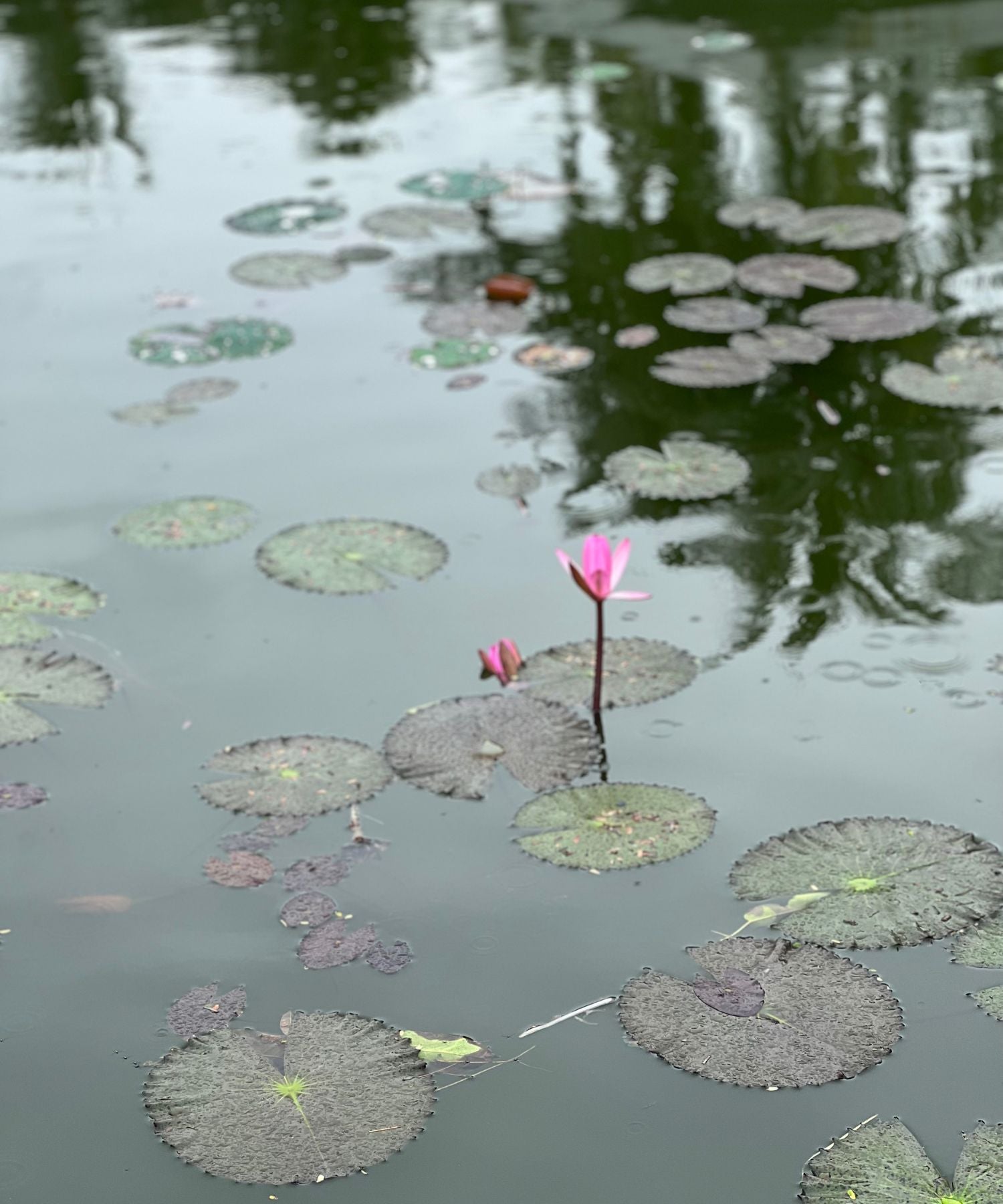
Overlooking the South China Sea, the resort’s architecture is inspired by traditional Vietnamese temples, with pagoda-like roofs, colorful lanterns, reflecting pools, and plenty of palm trees and tropical greenery.
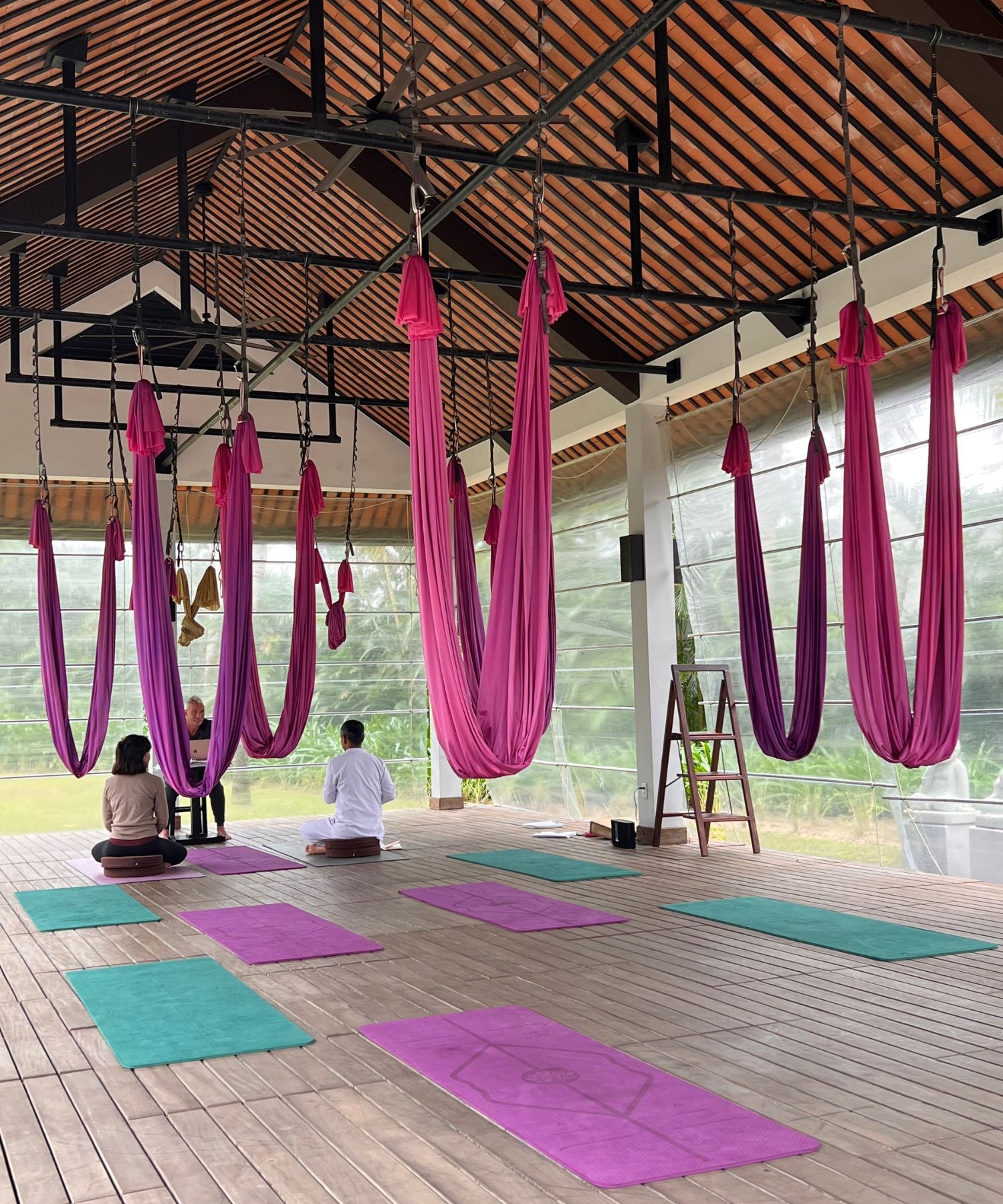
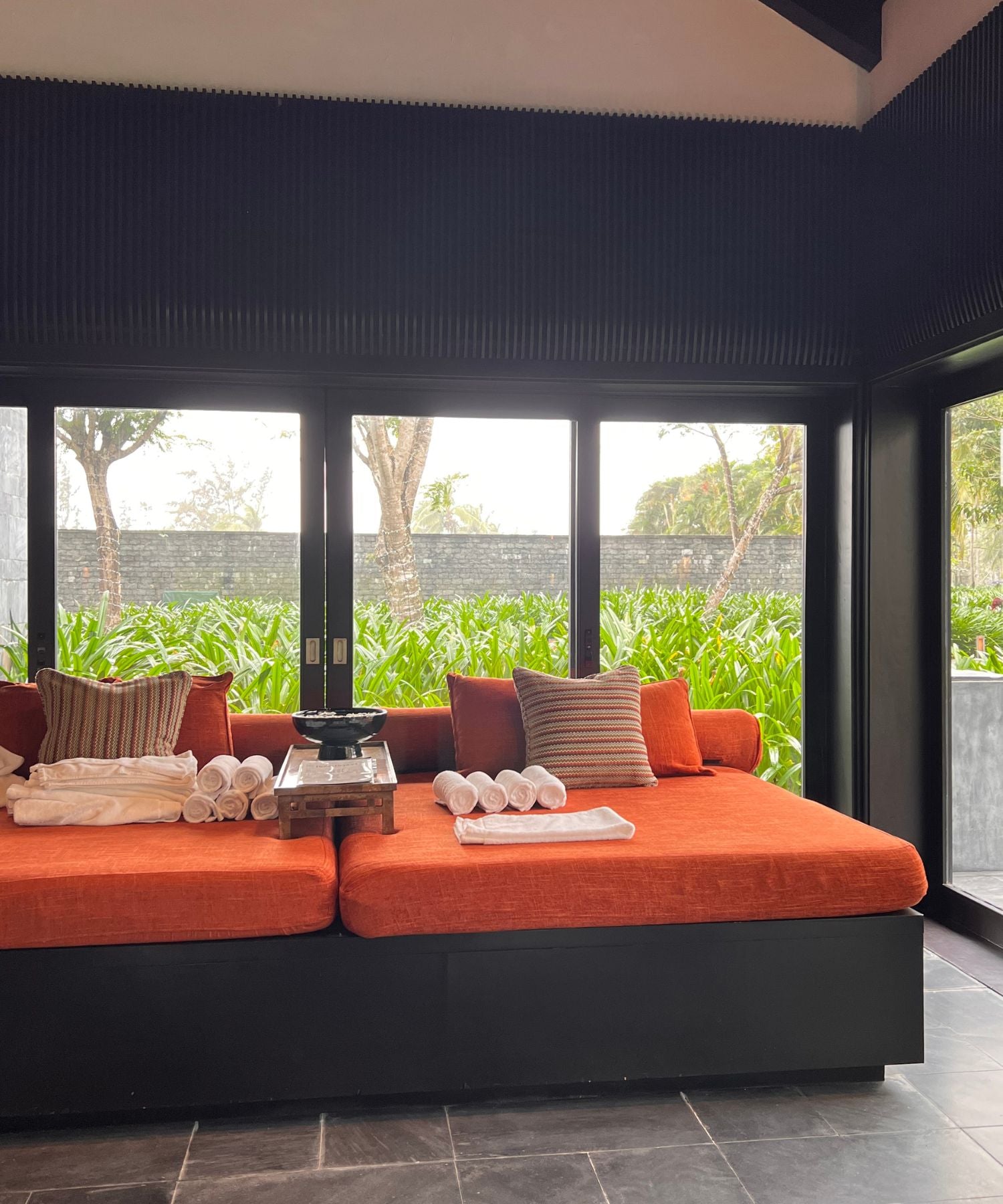
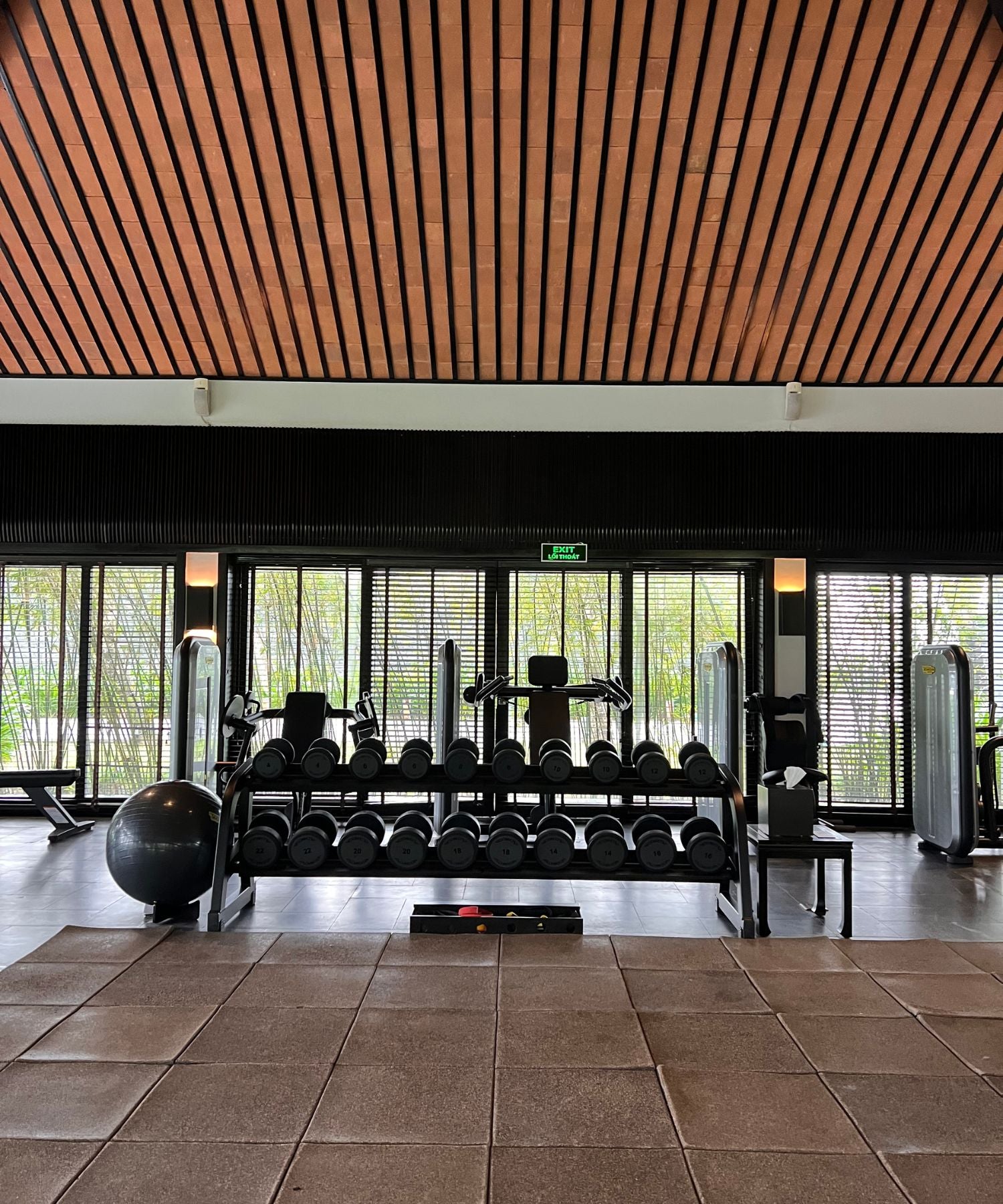
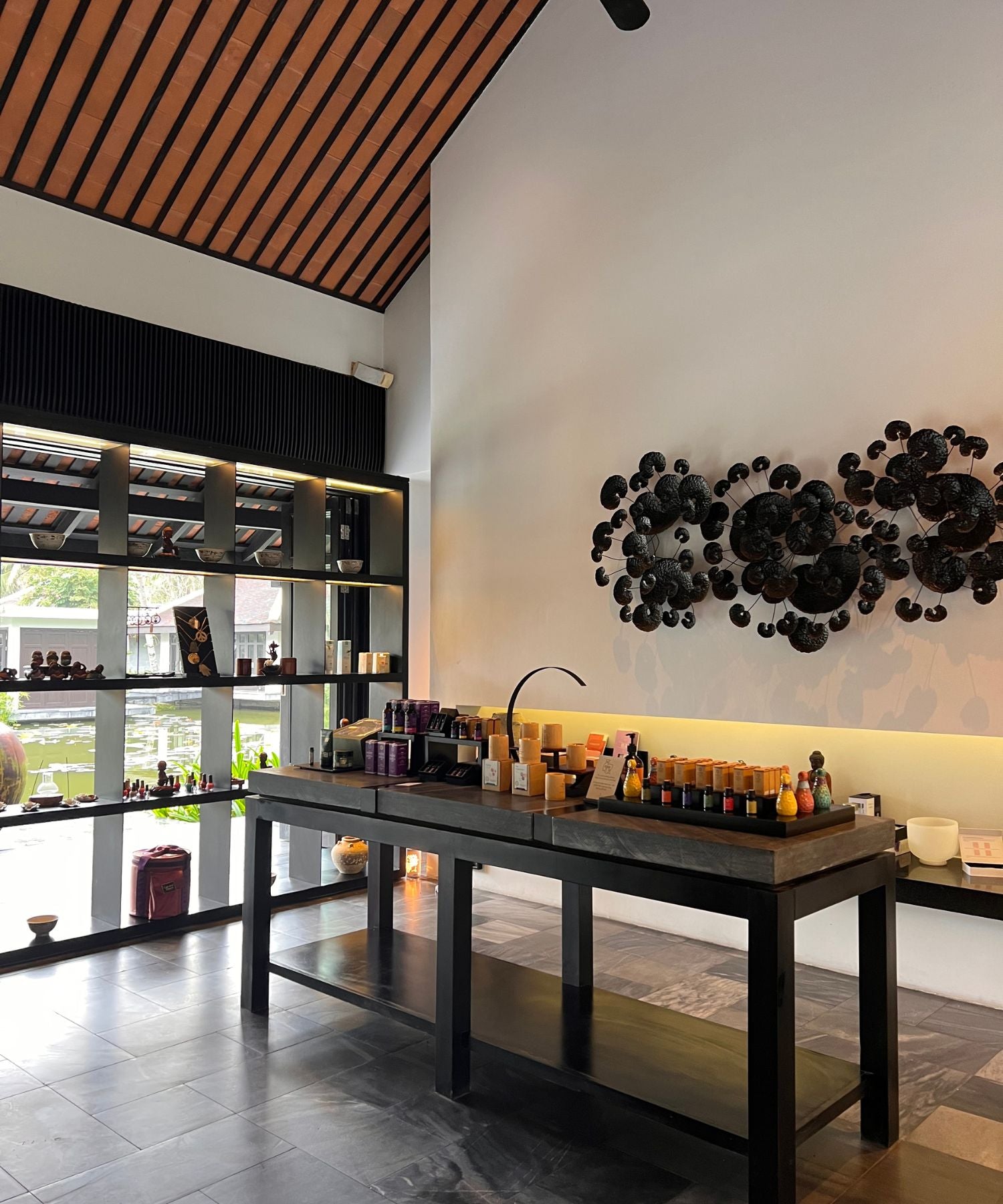
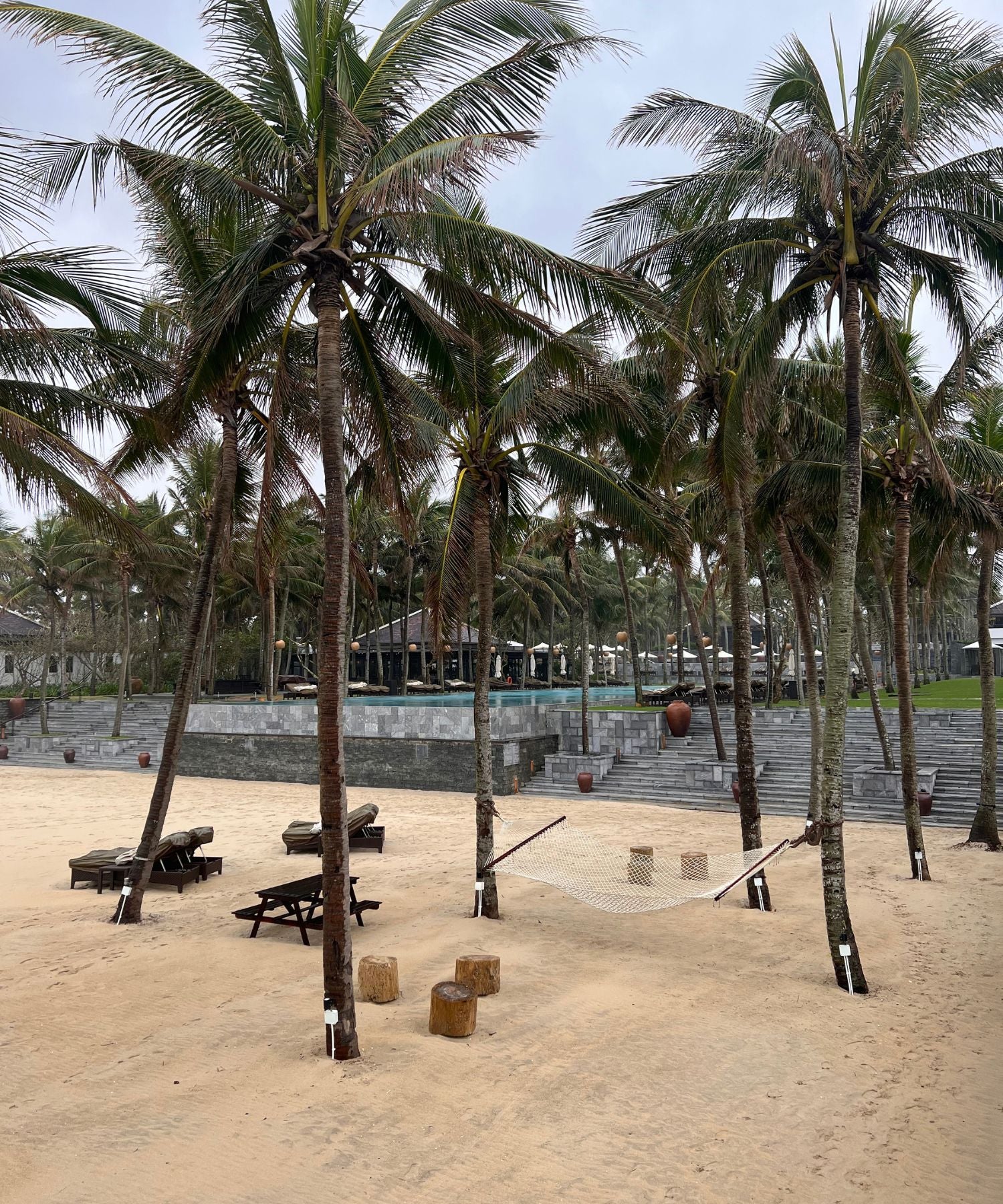
In addition to its beach, the hotel has three swimming pools, a gym, a spa, tennis and squash courts, a water sports center, and a yoga center offering classes in a variety of styles. Unfortunately, we weren’t very lucky, and it rained and was chilly during our four-night stay, which meant we couldn’t make the most of the hotel’s facilities.
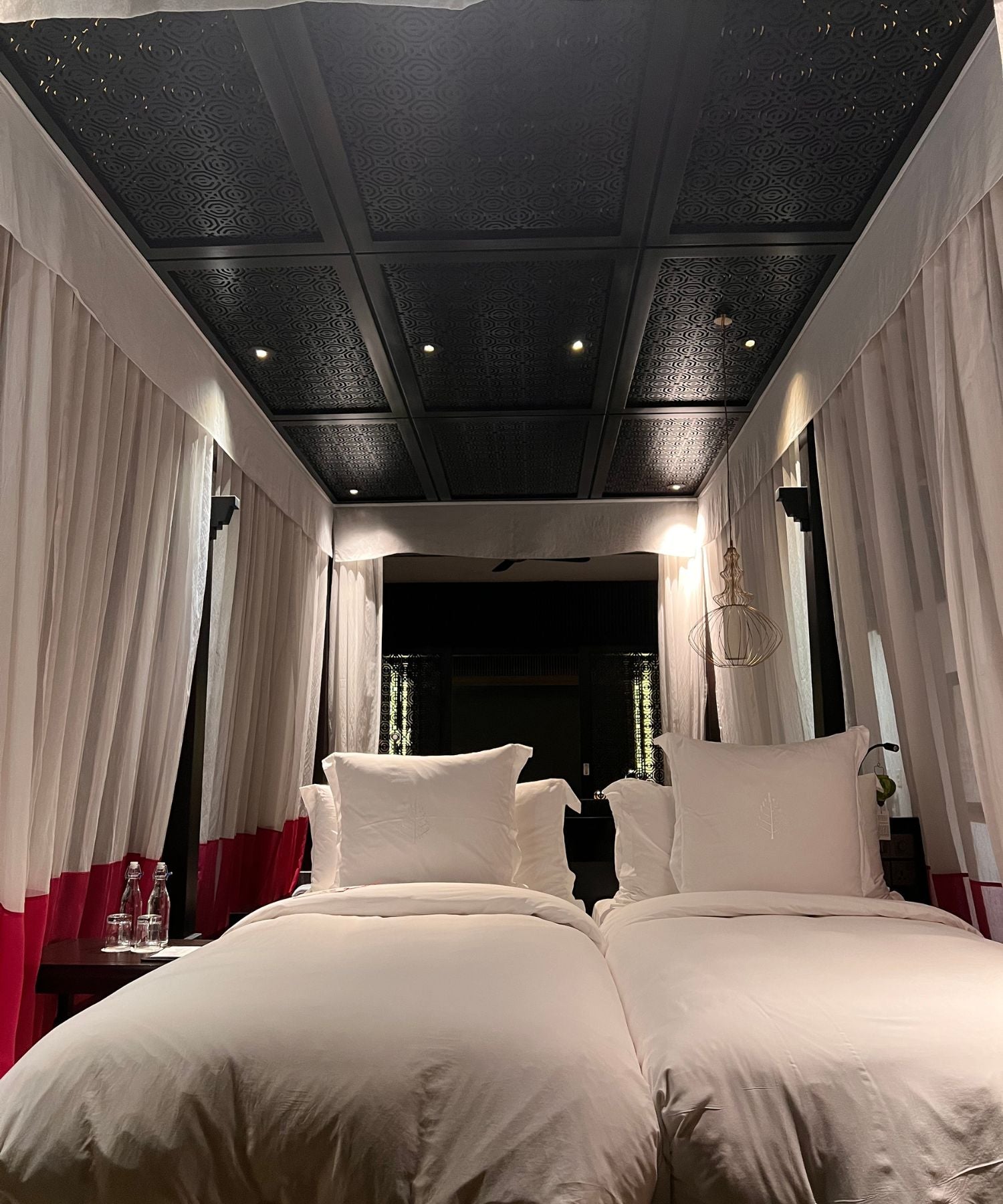
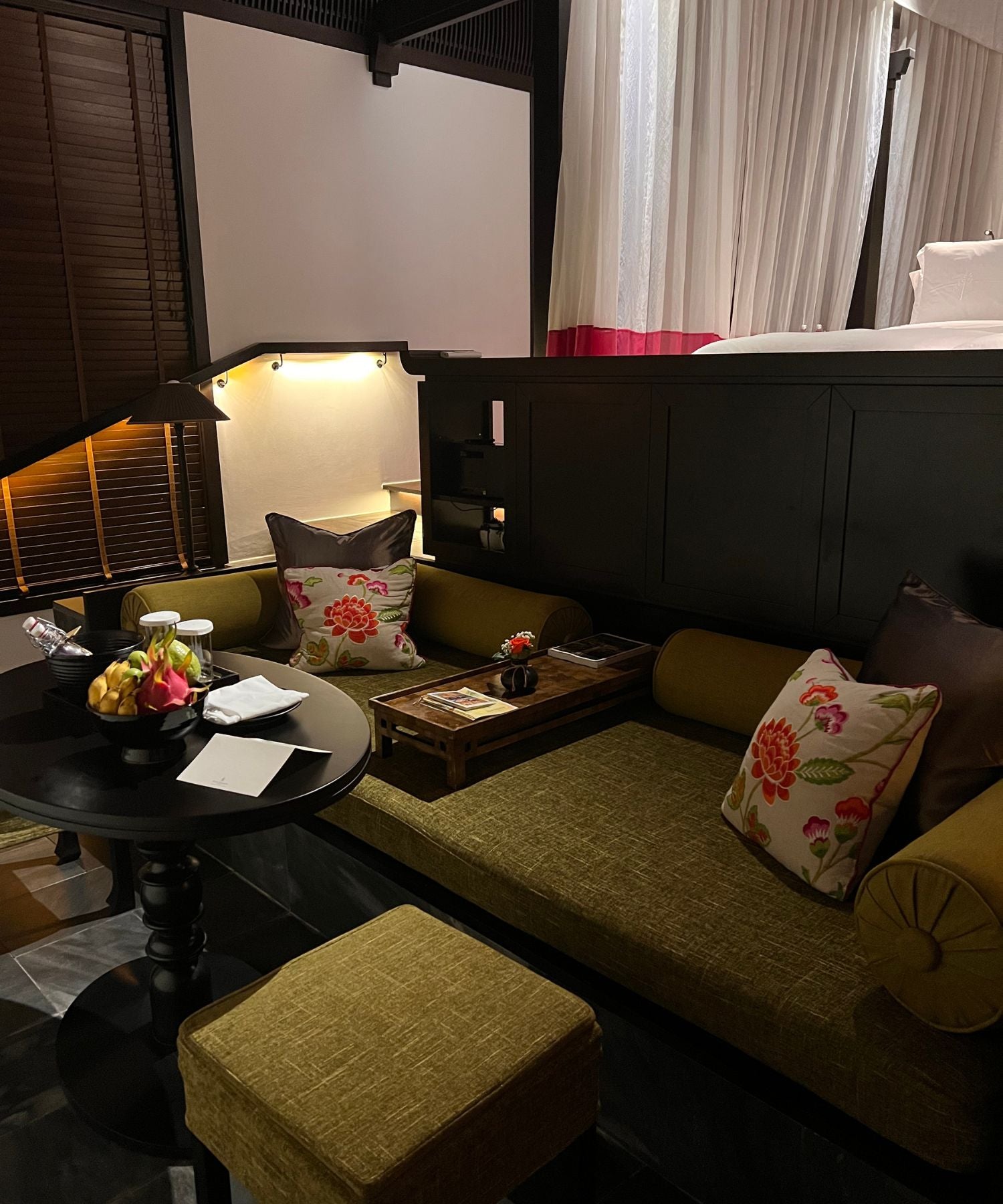
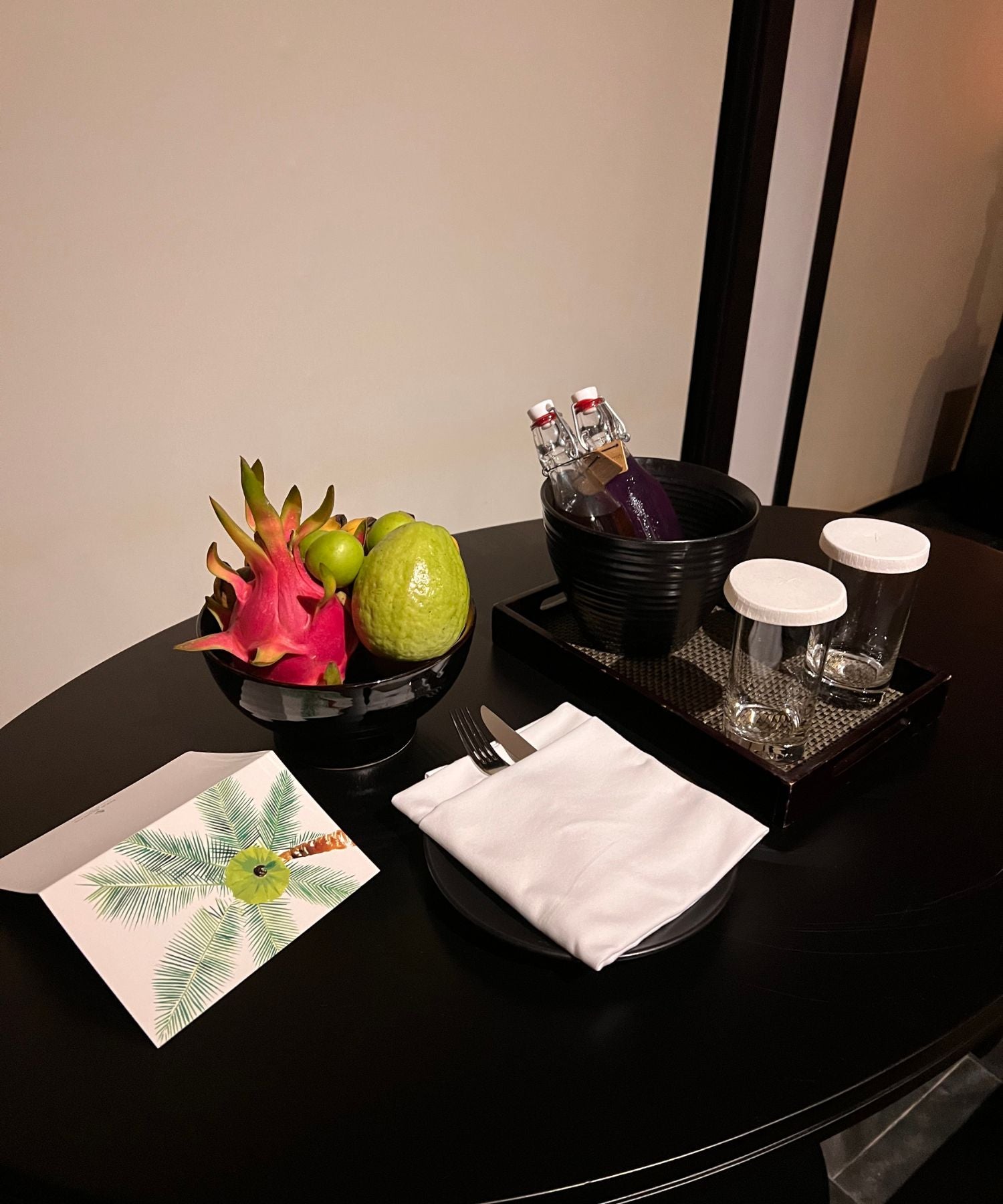
The rooms are actually huge villas in a contemporary Asian style. They are a little dark and perfect for couples. In addition to the wonderfully comfortable bed, each villa has a bathtub and a sofa in the middle of the room, a large bathroom with two small walk-in closets, an outdoor shower, a terrace with loungers, a minibar, and a small sitting area overlooking the terrace.
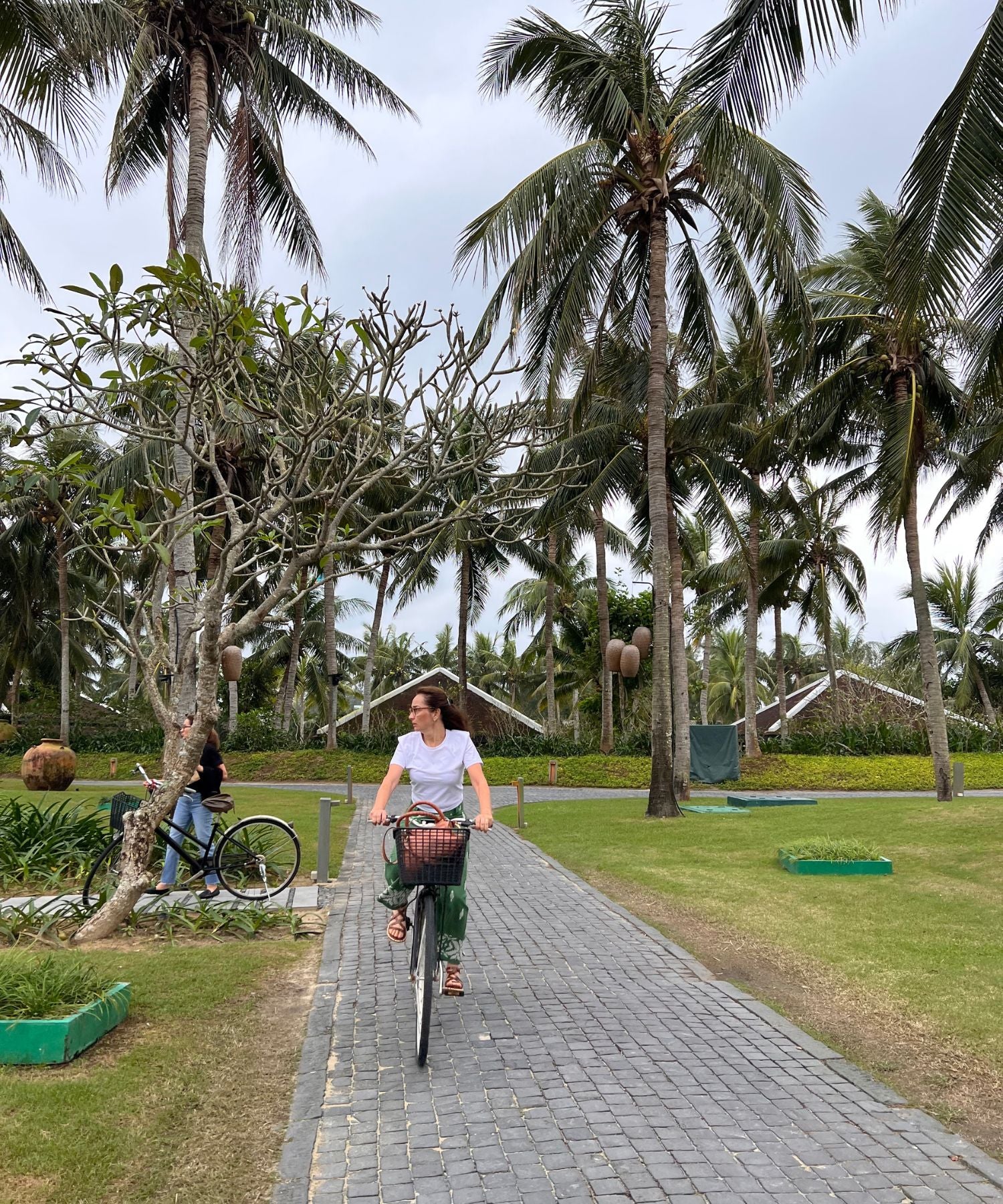
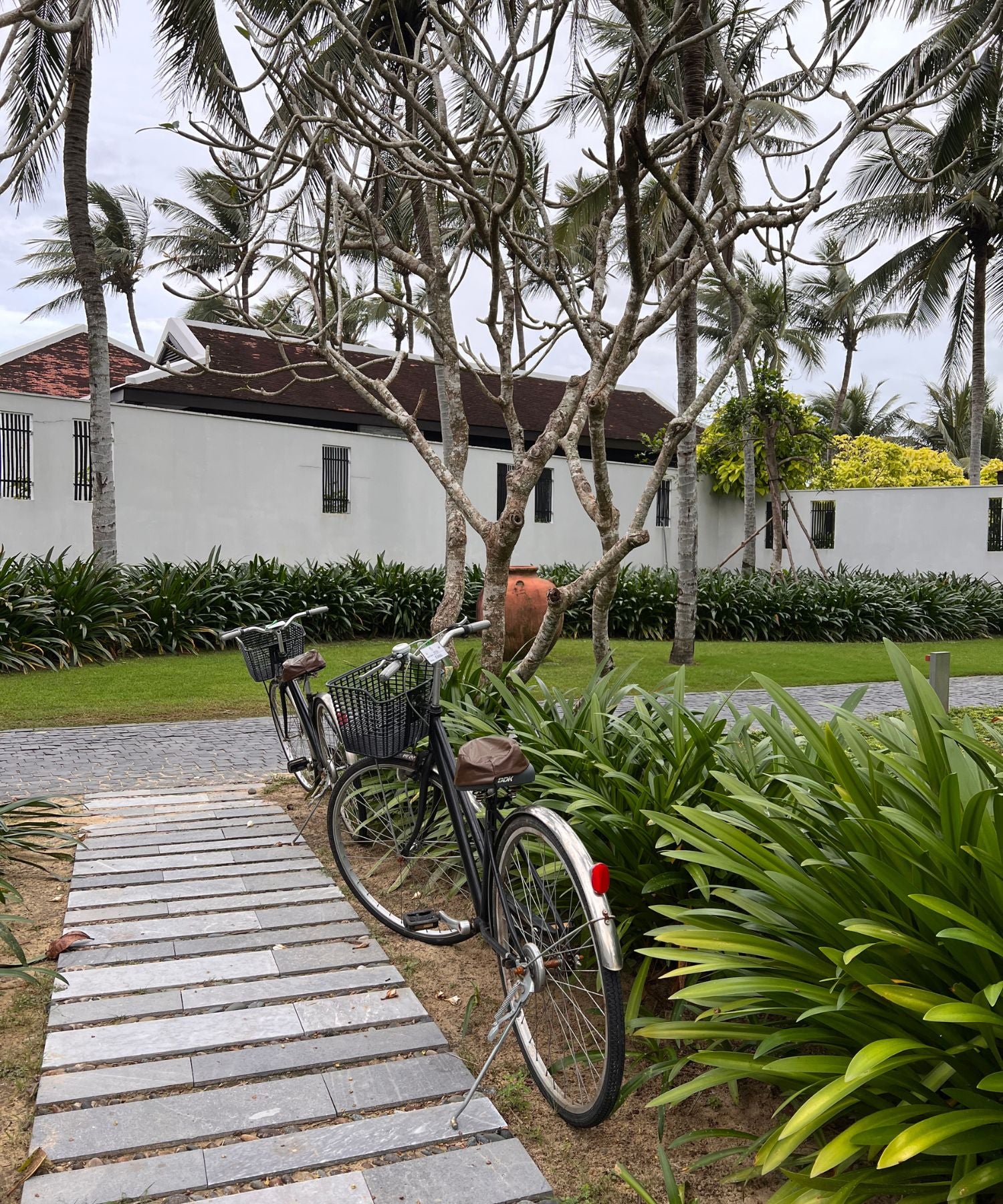
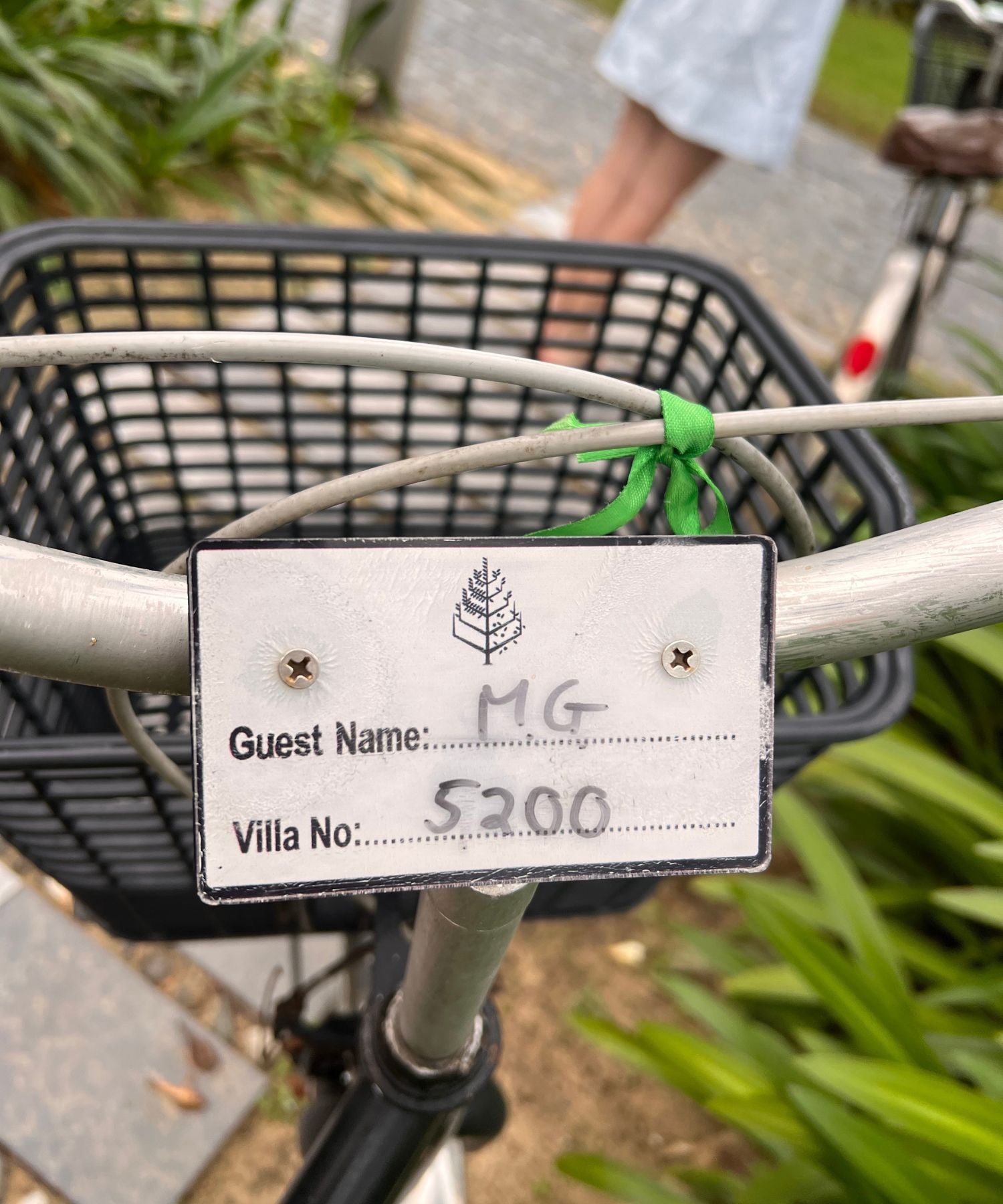
Each villa also provides a bicycle for each guest, complete with an identification tag. We used ours to explore the hotel during our stay.
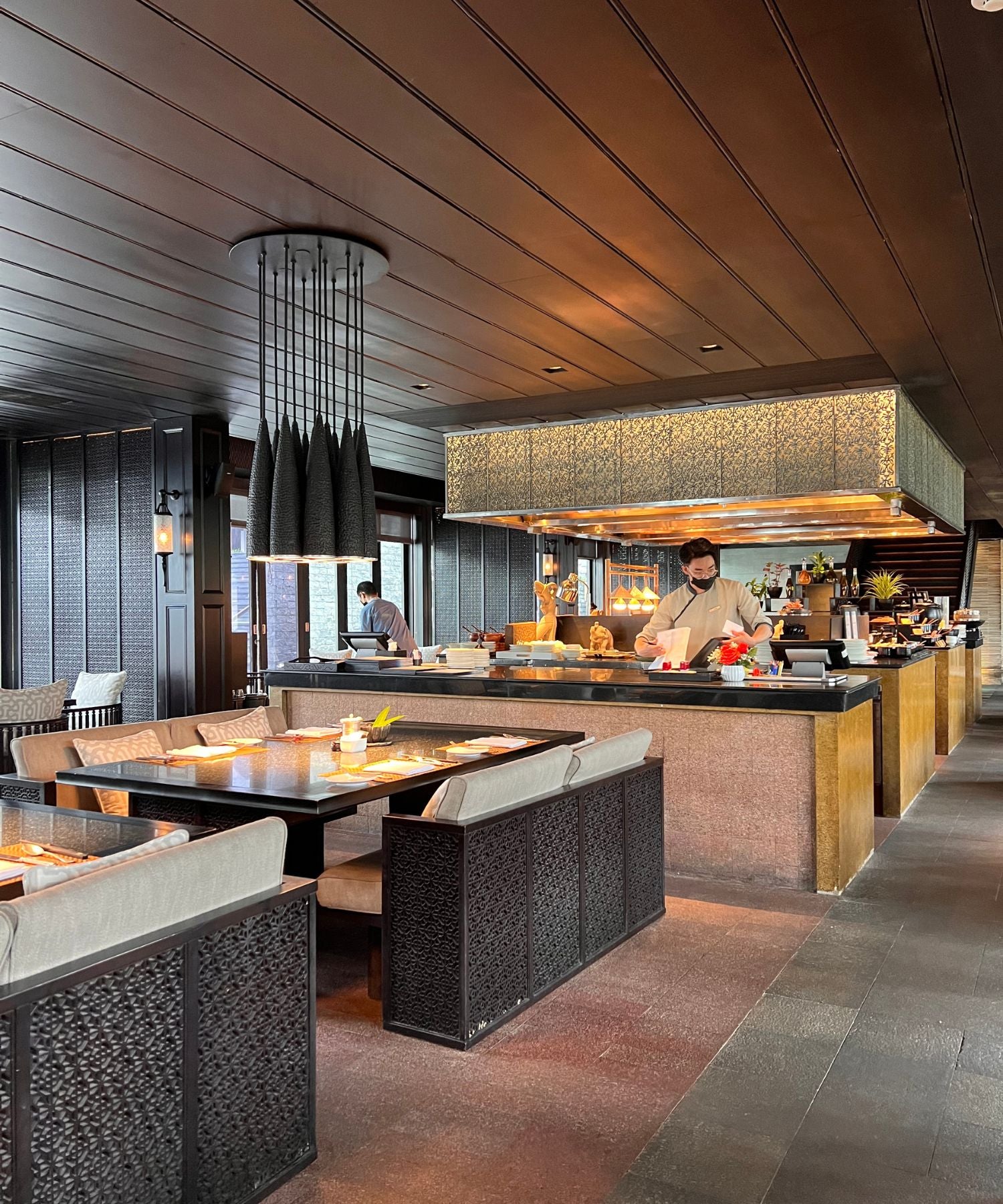
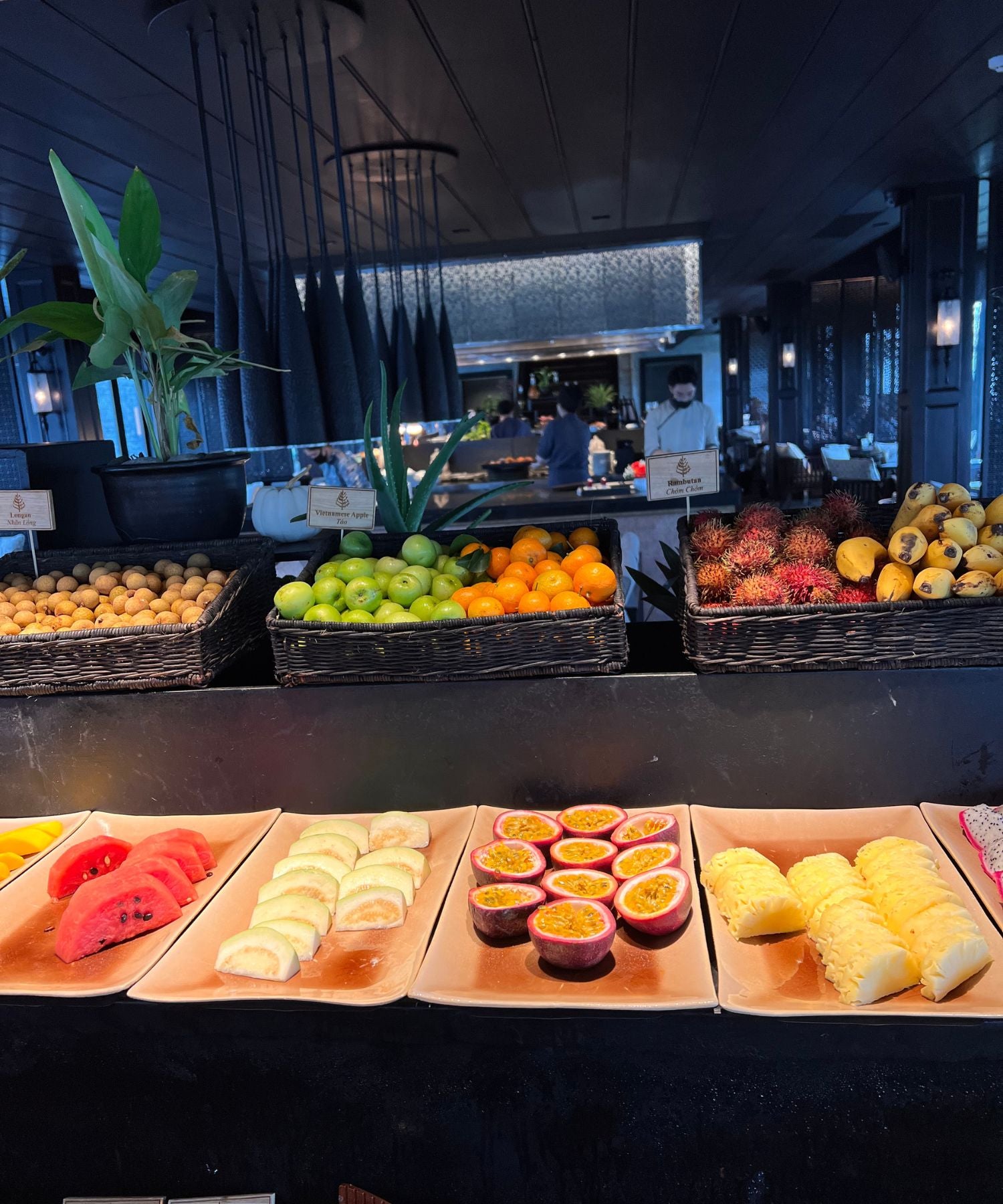
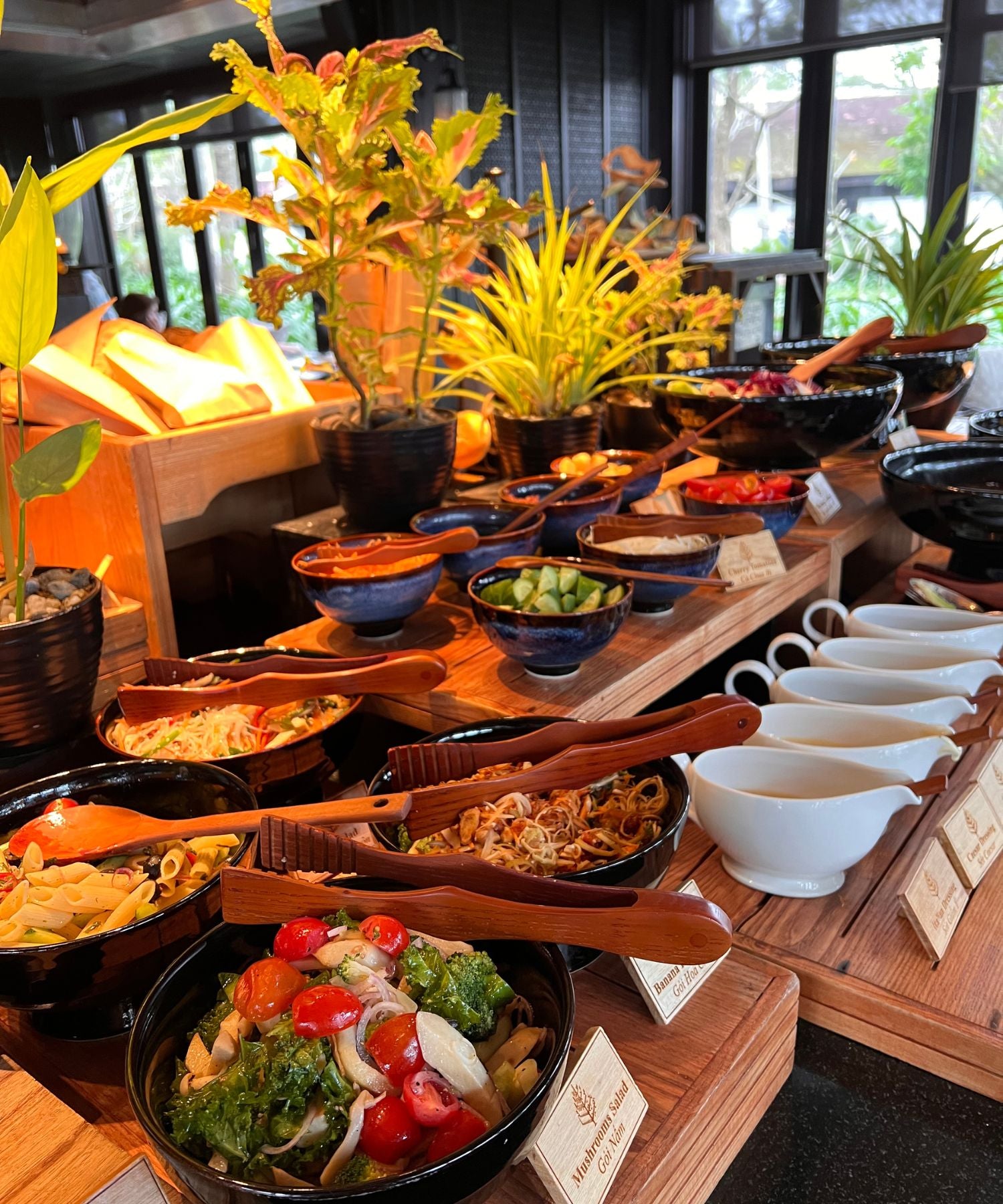
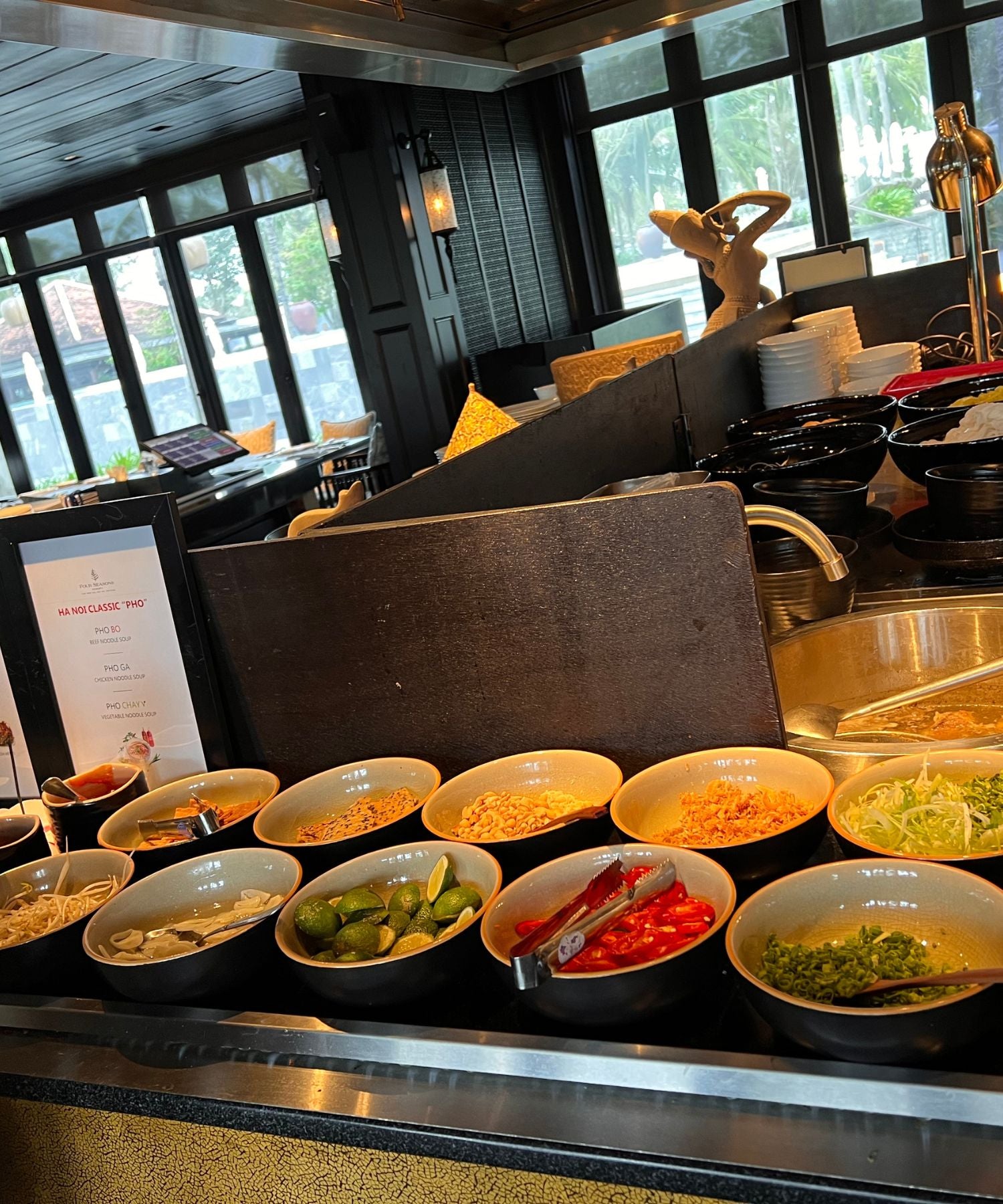
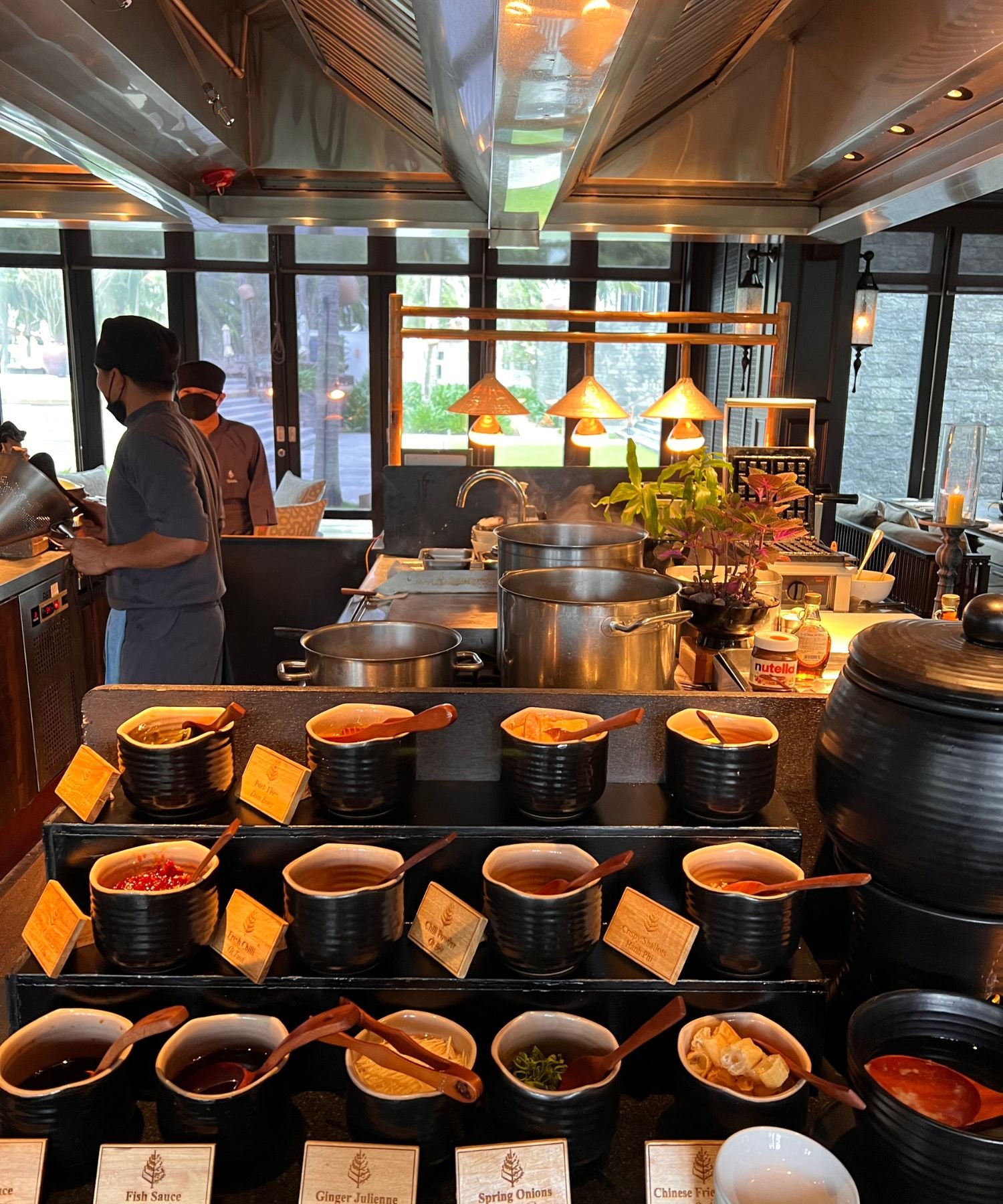
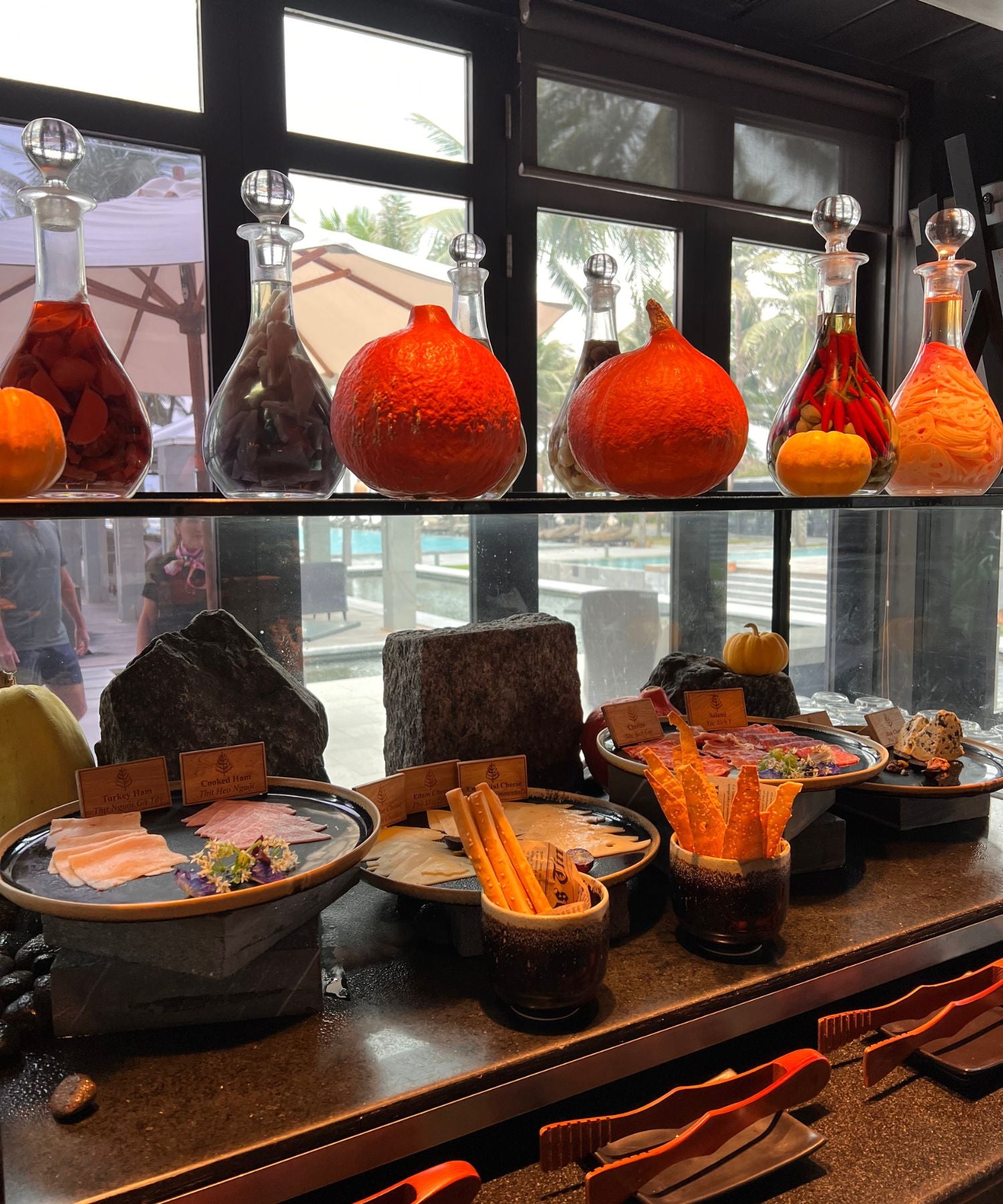
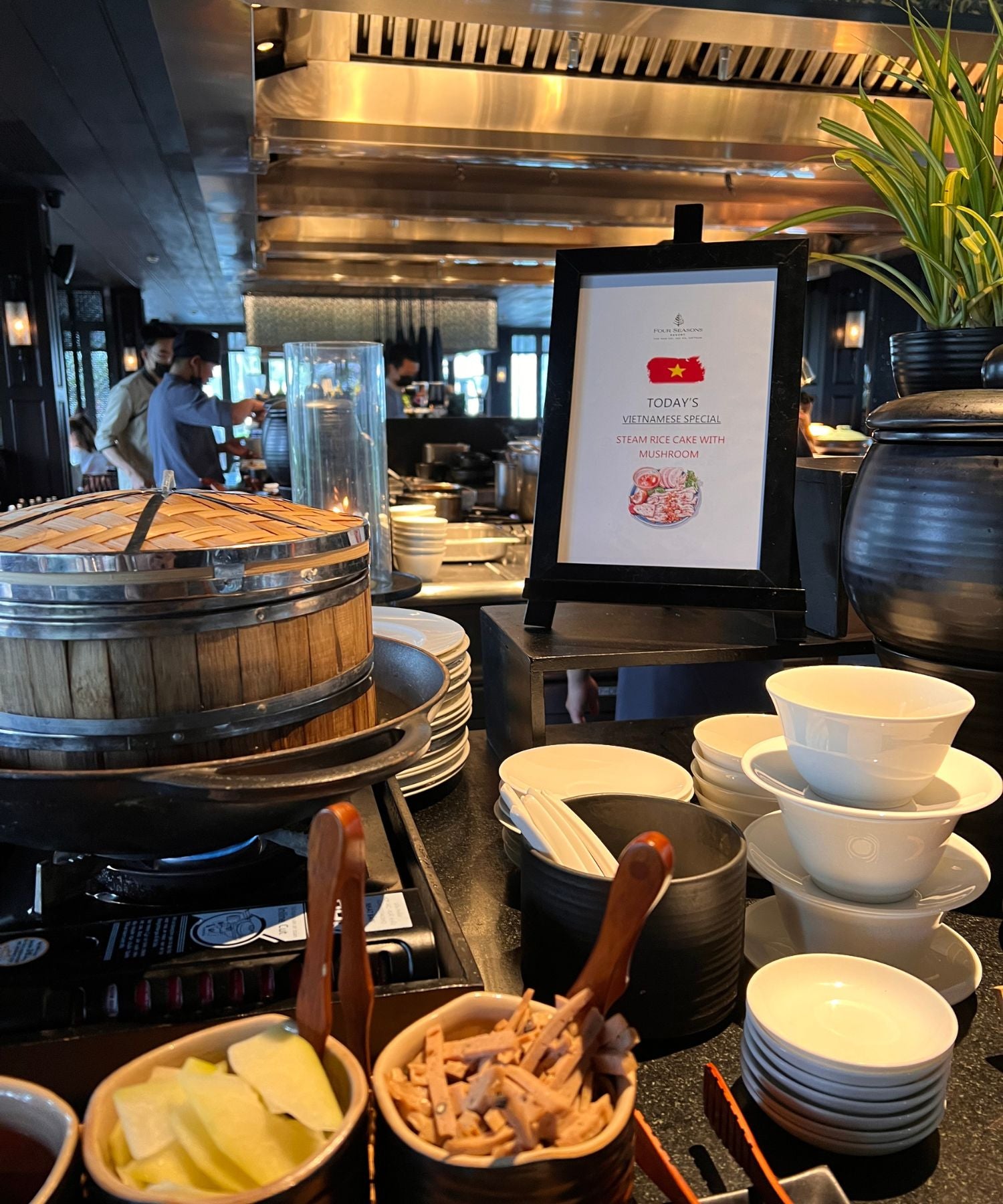
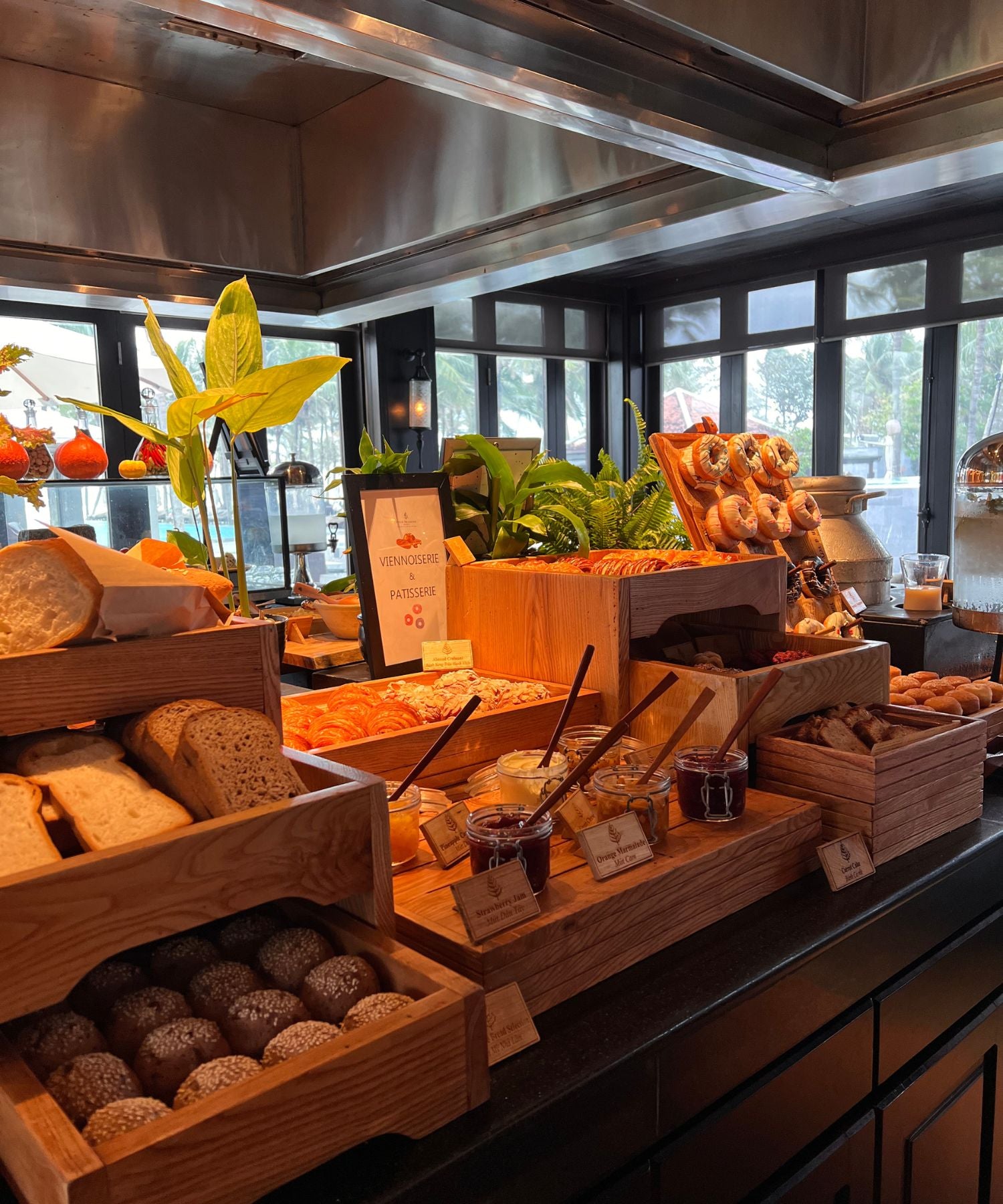
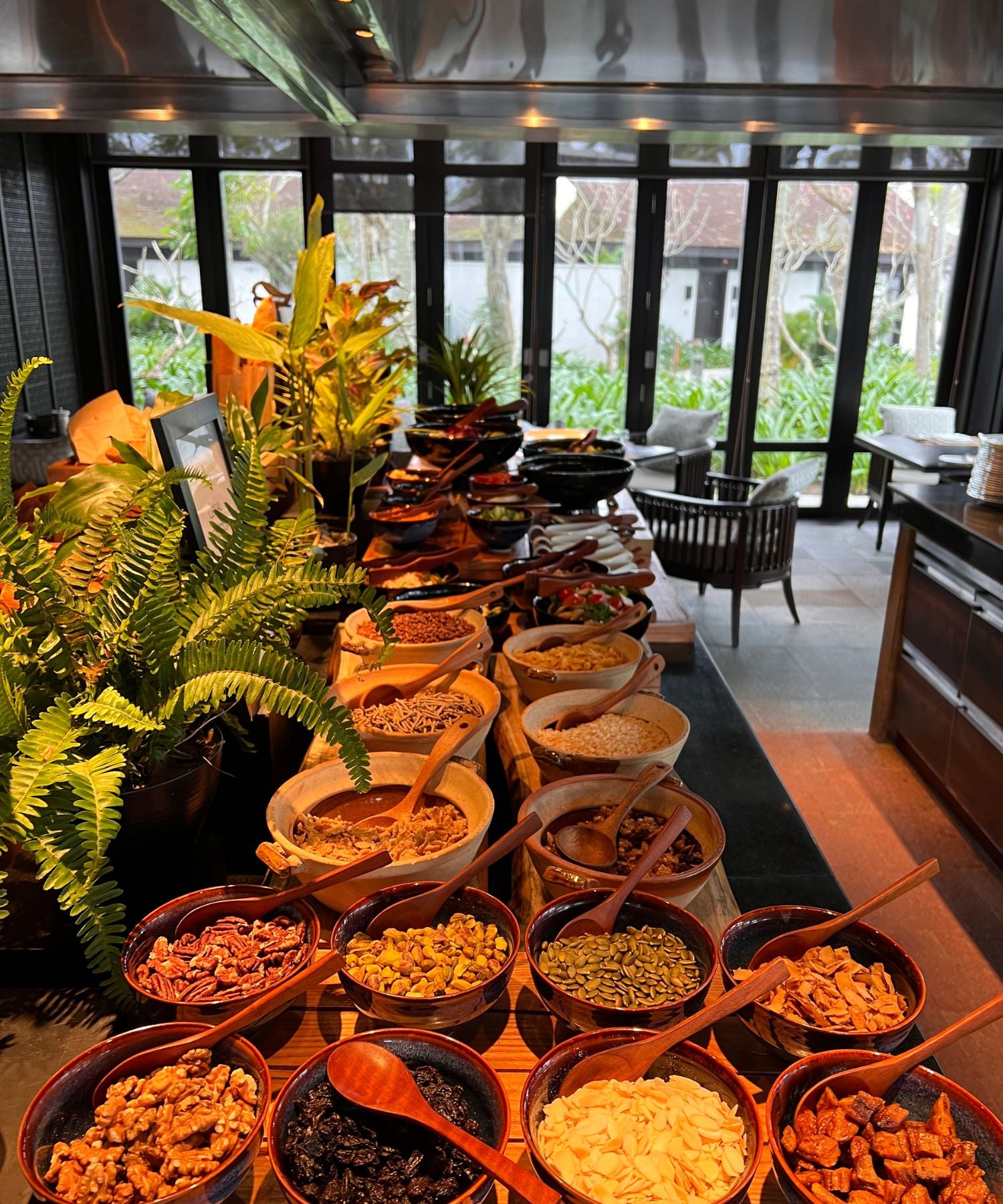
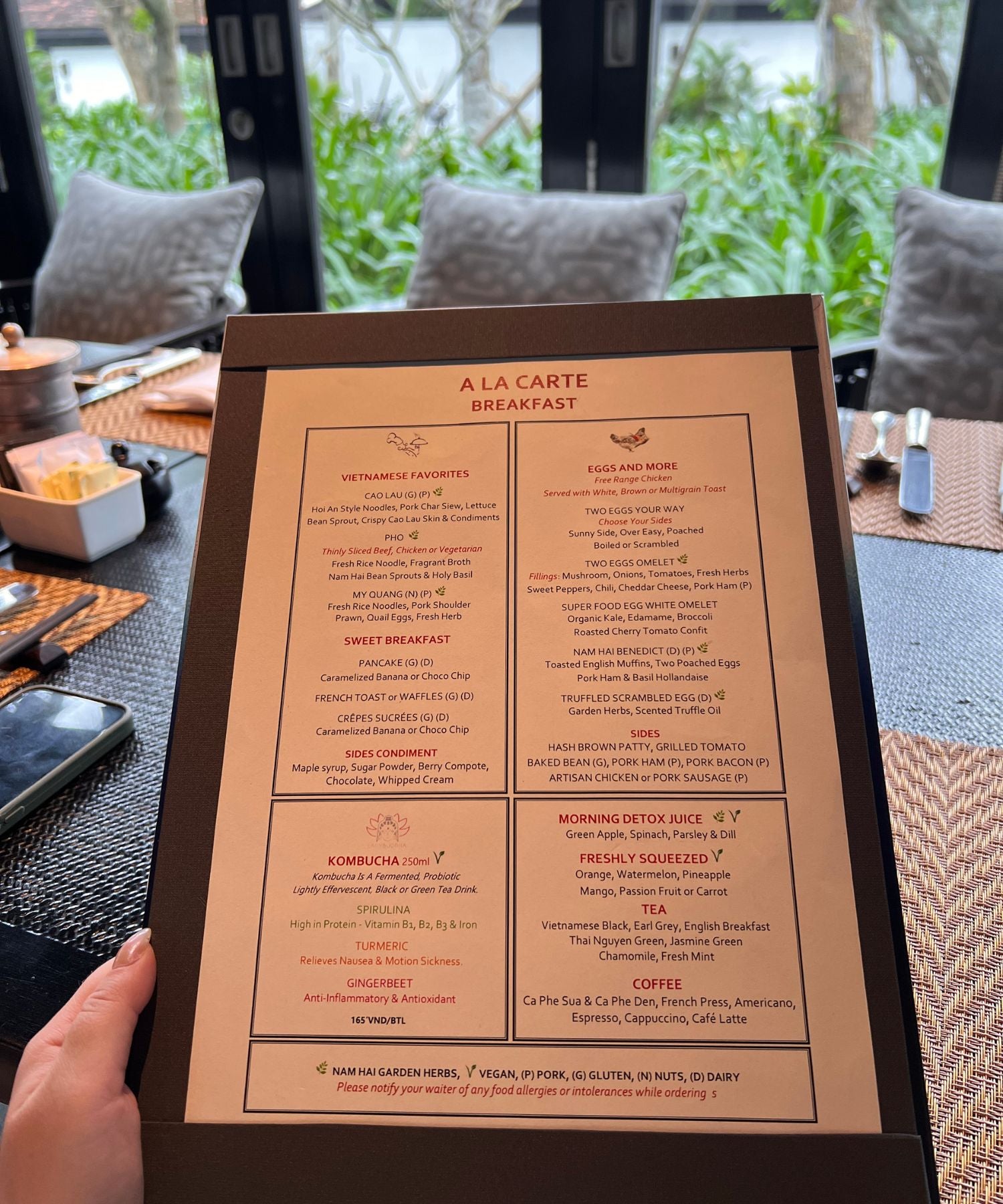
Breakfast is something else entirely, with several buffet stations offering Western and Asian options, as well as a wonderful à la carte menu. Since it rained throughout our stay, we opened and closed the umbrella every day. We had the same table in the restaurant each morning, and the incredibly friendly and welcoming staff greeted us with a smile every day.
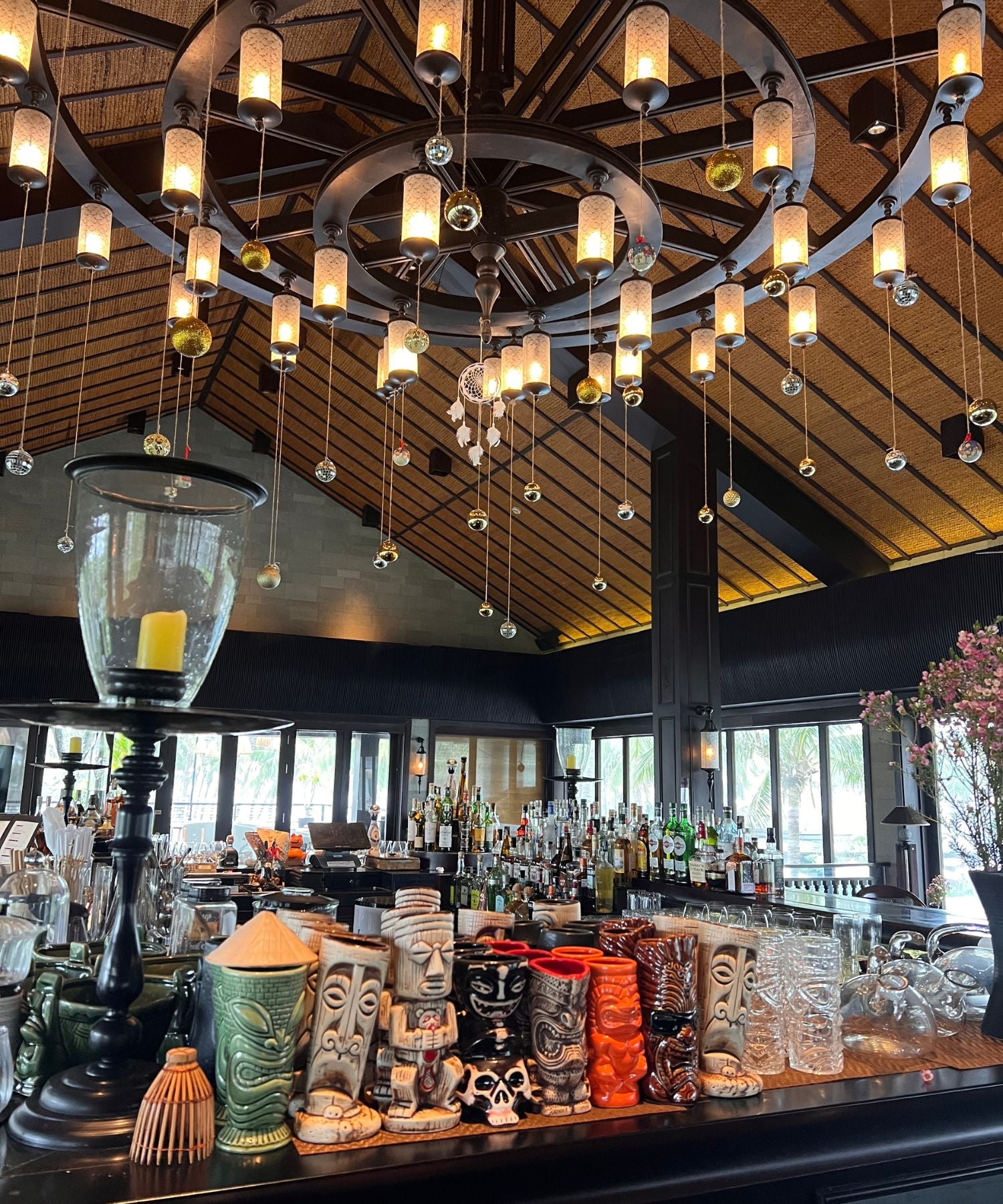
The hotel also has two excellent restaurants: Nam Hai, which serves Western and Indian dishes, and Le Sen, which offers Vietnamese cuisine. There is also a beautiful bar with a terrace, sea views, and great cocktails. The hotel also offers classes at its cooking school. The day begins at a rice plantation, after which guests are taken to a beautiful kitchen for hands-on cooking classes. Once everything is ready, the dishes are served for lunch.
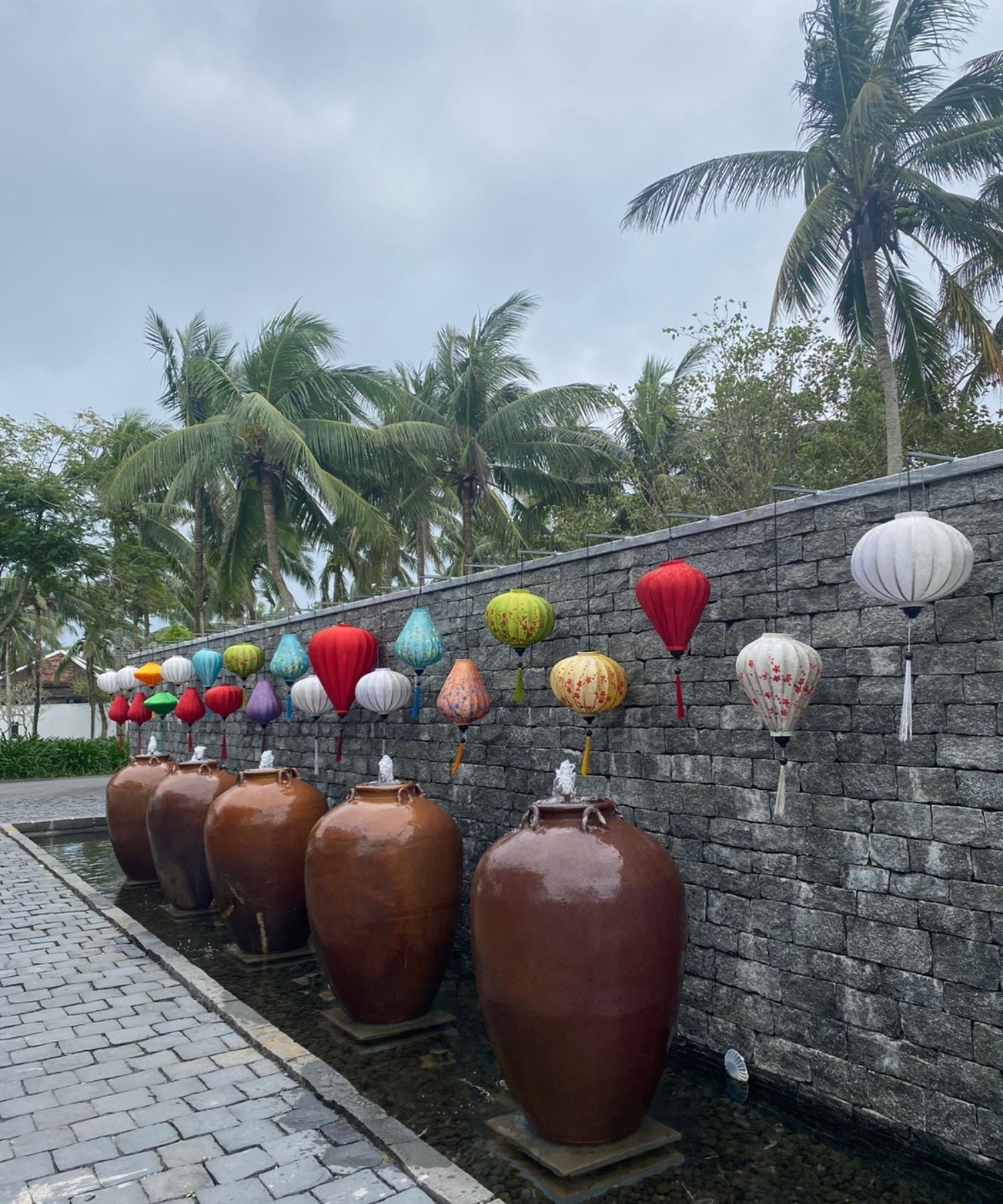
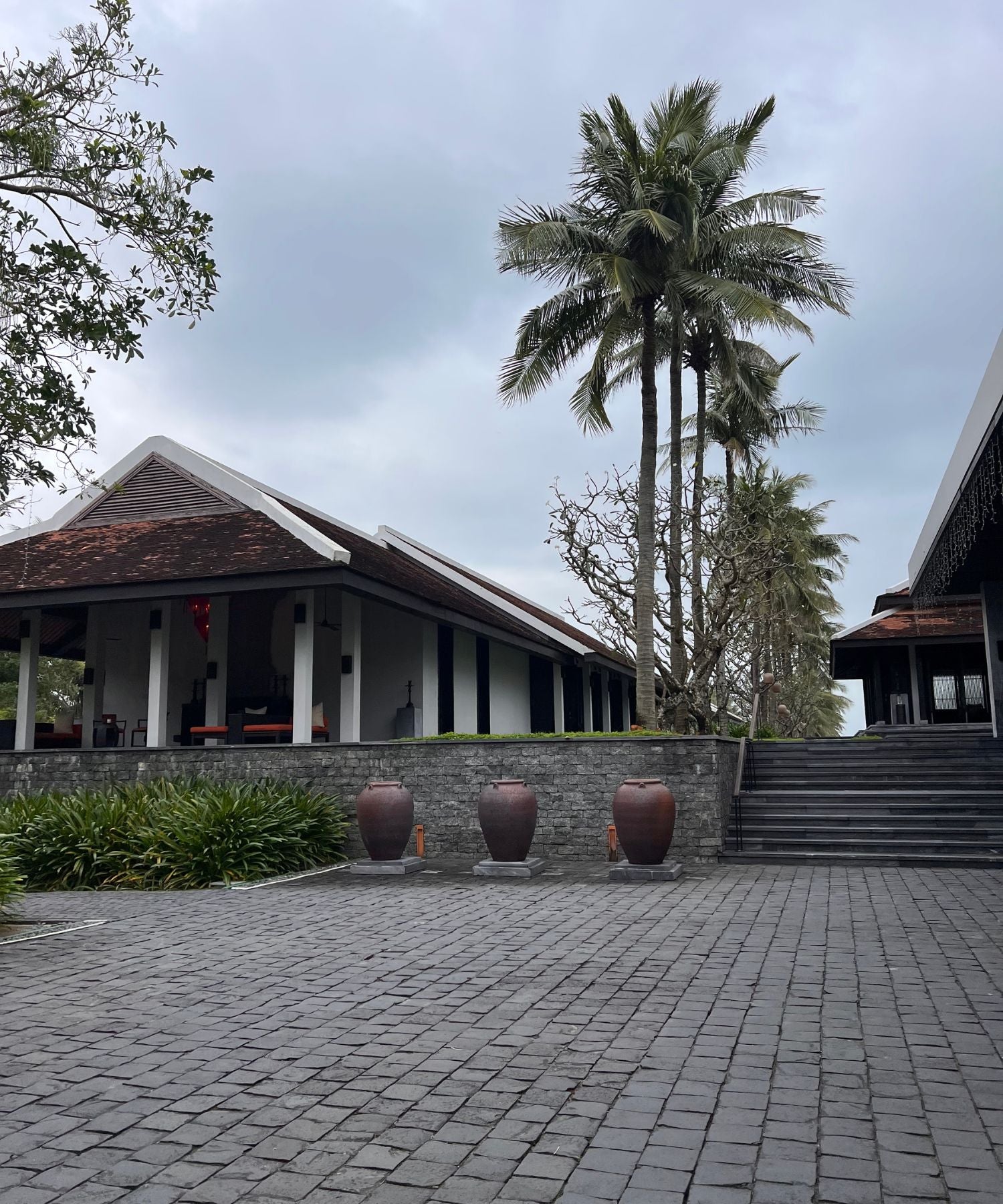
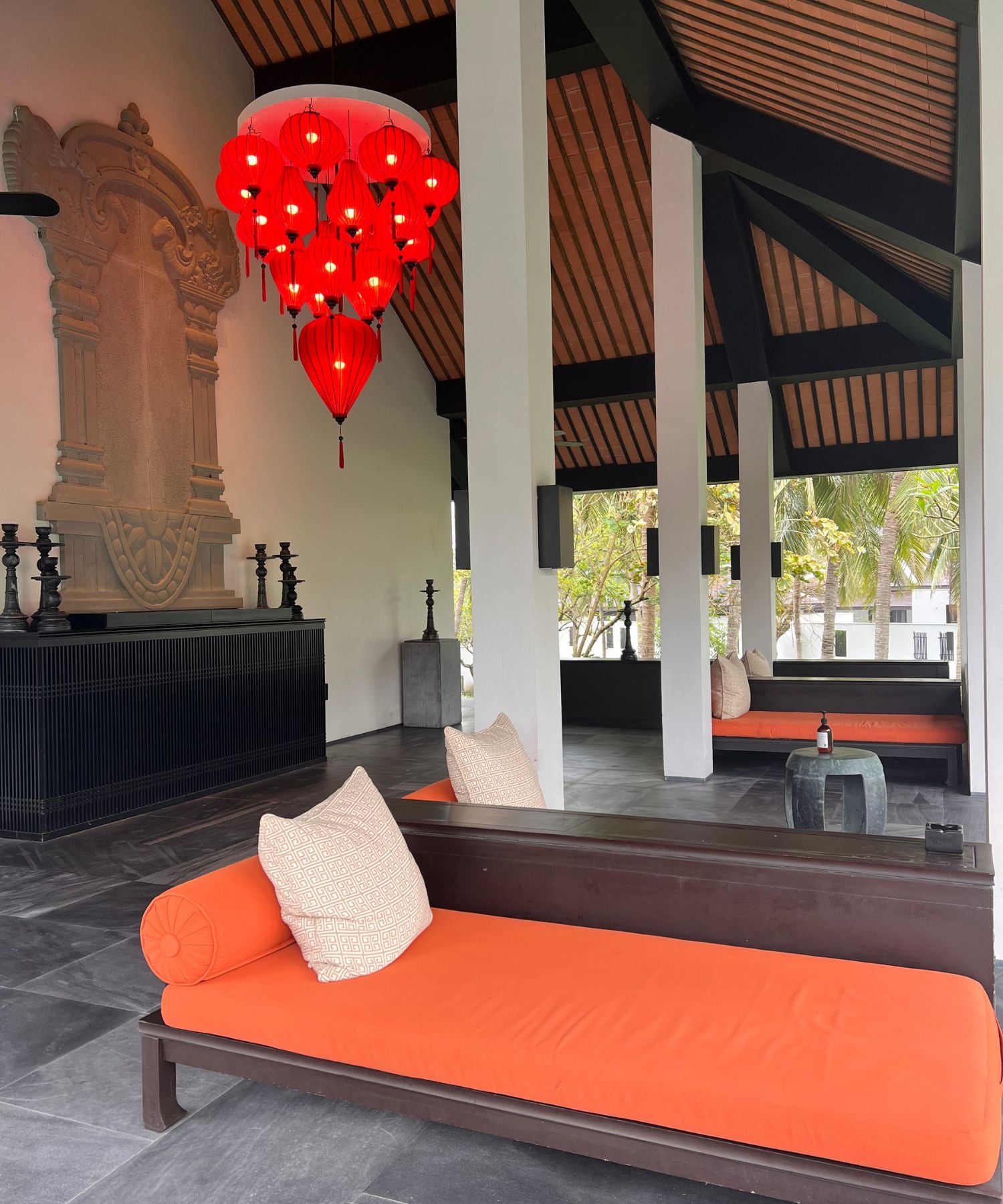
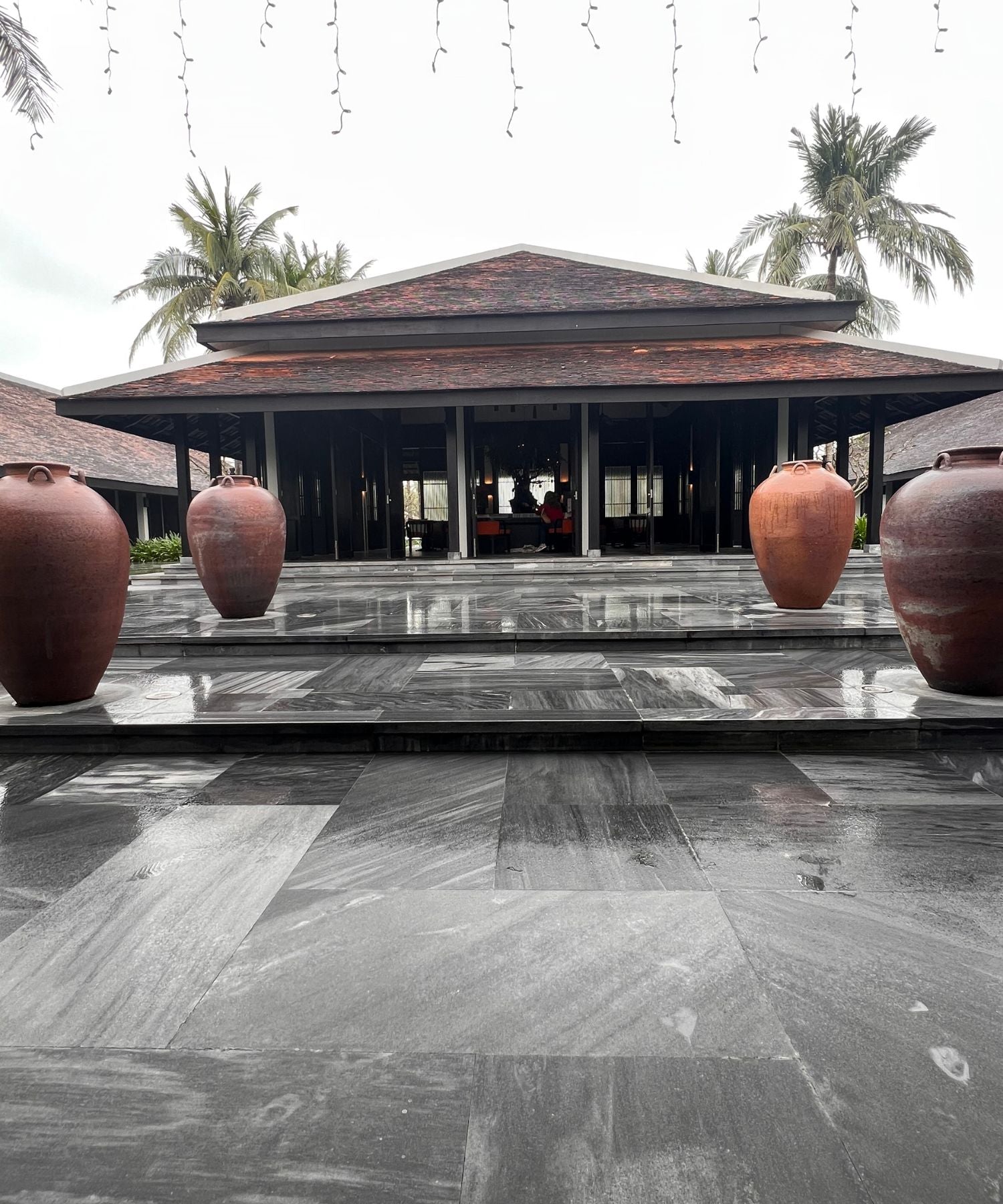
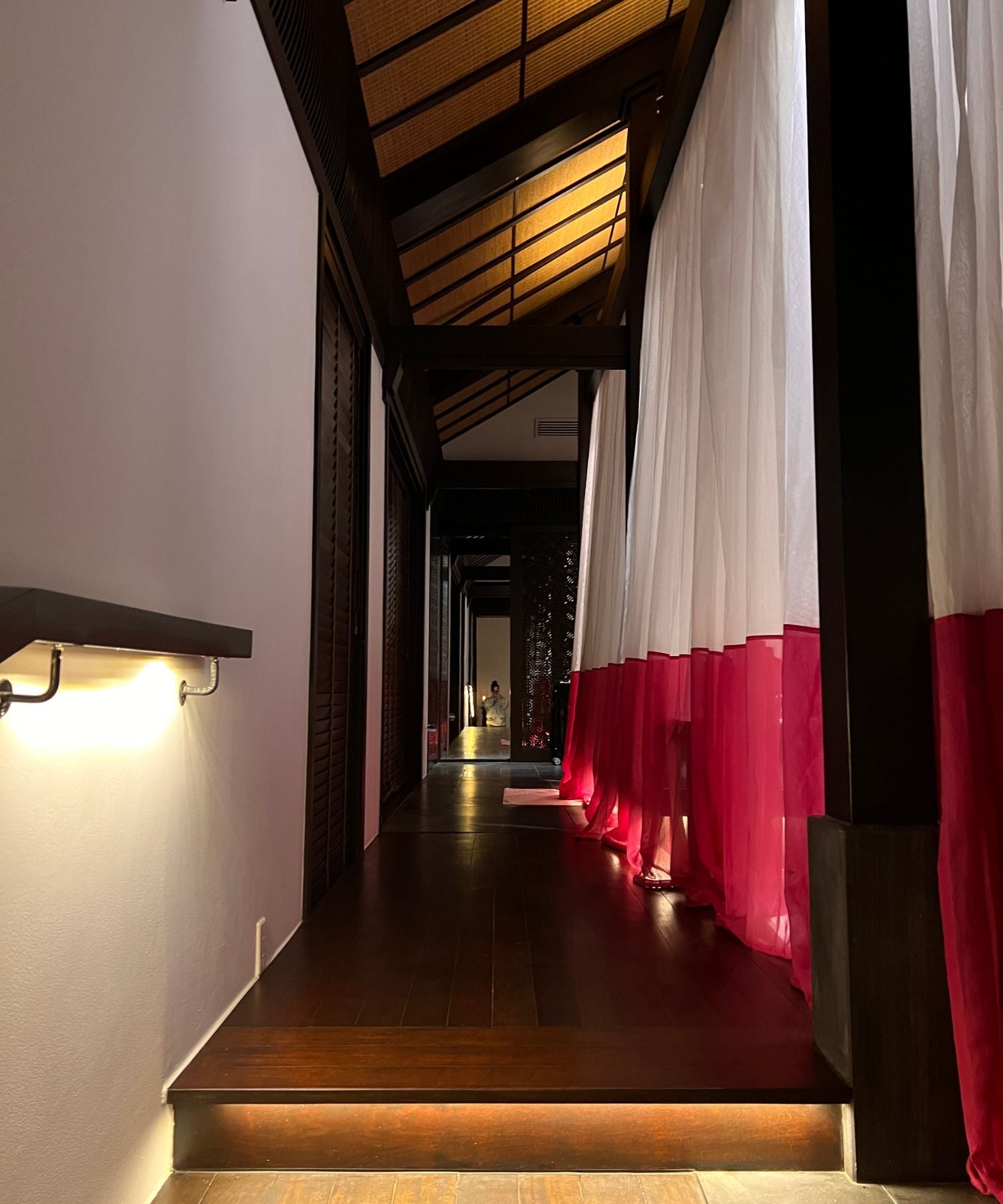
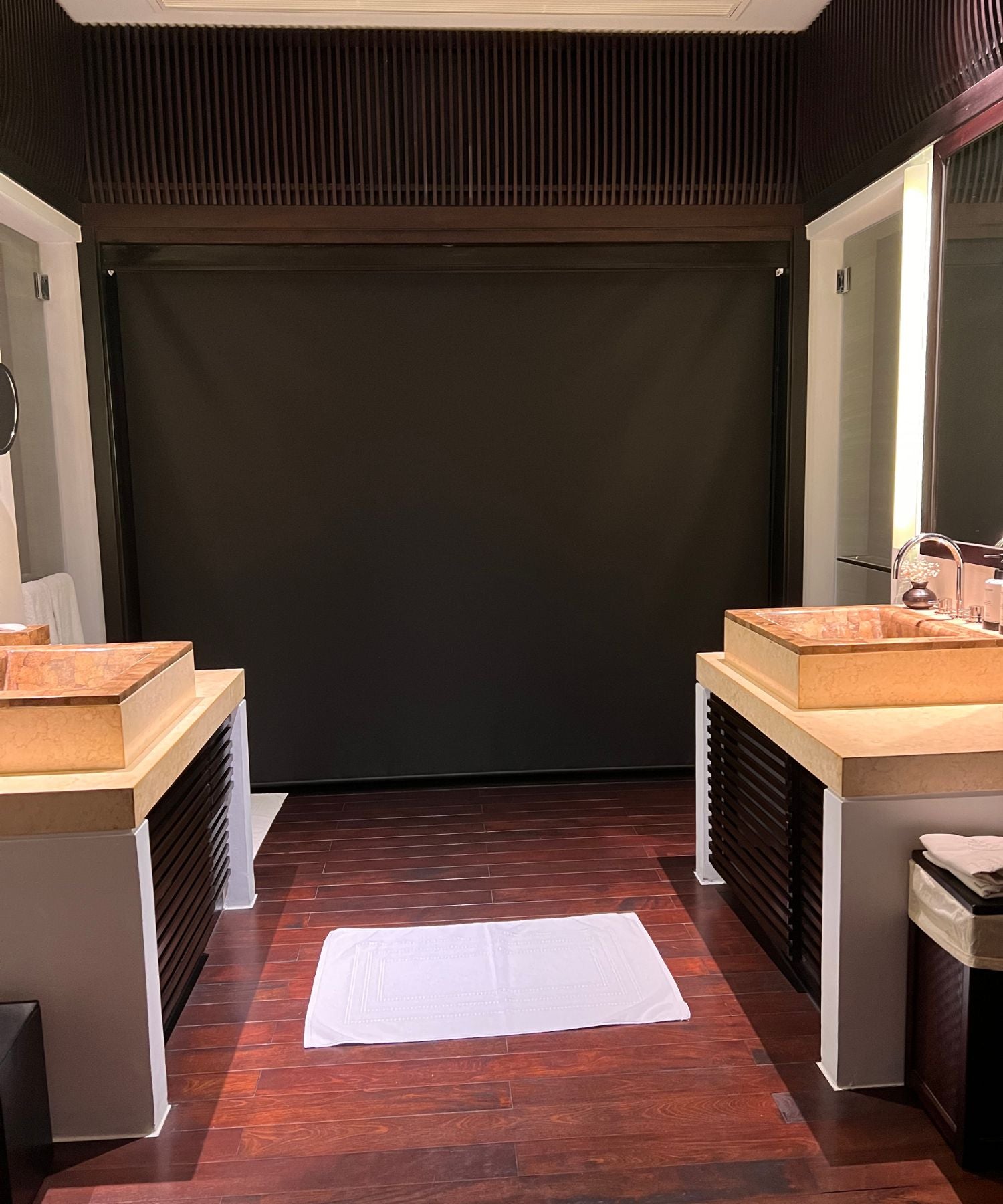
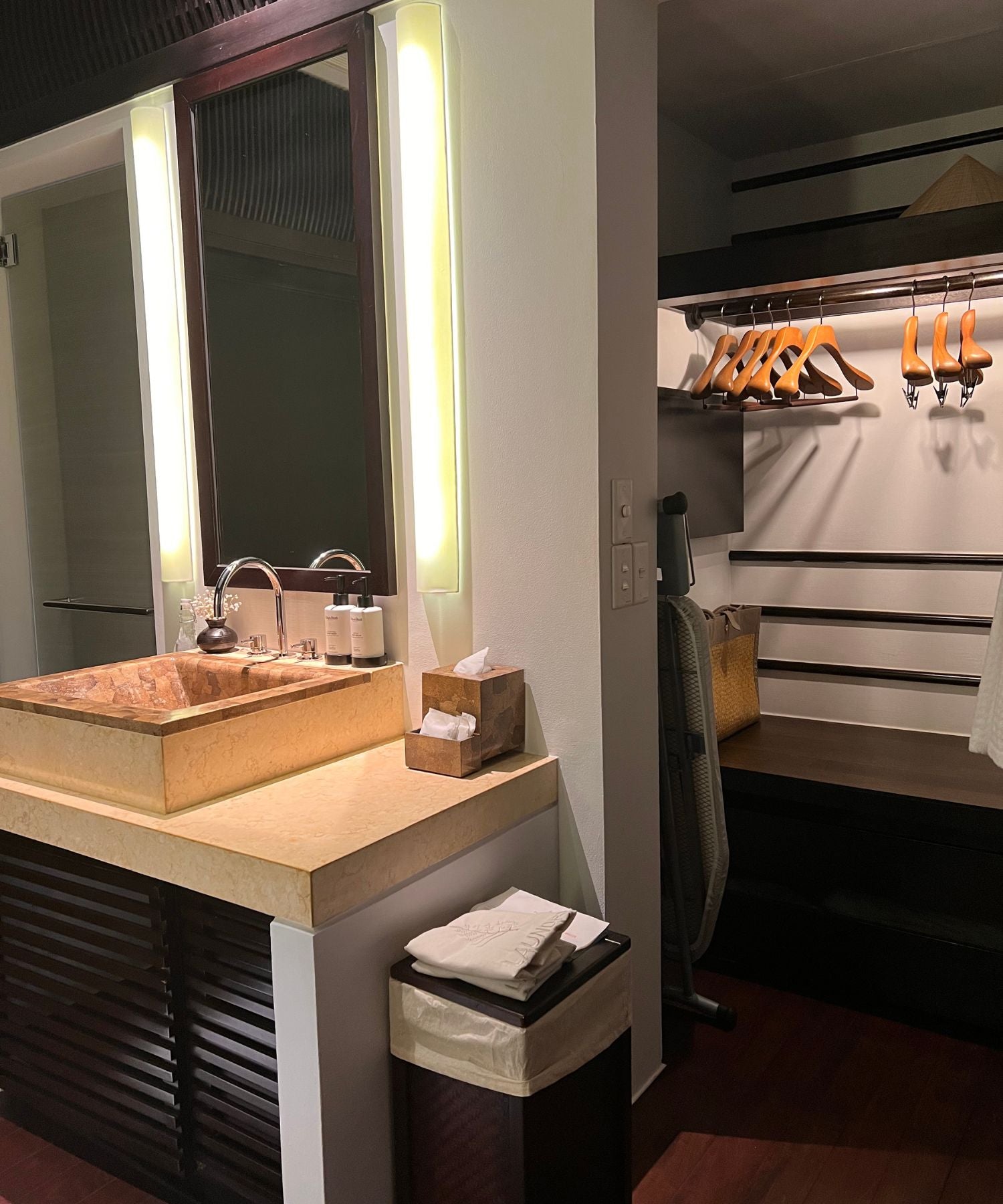
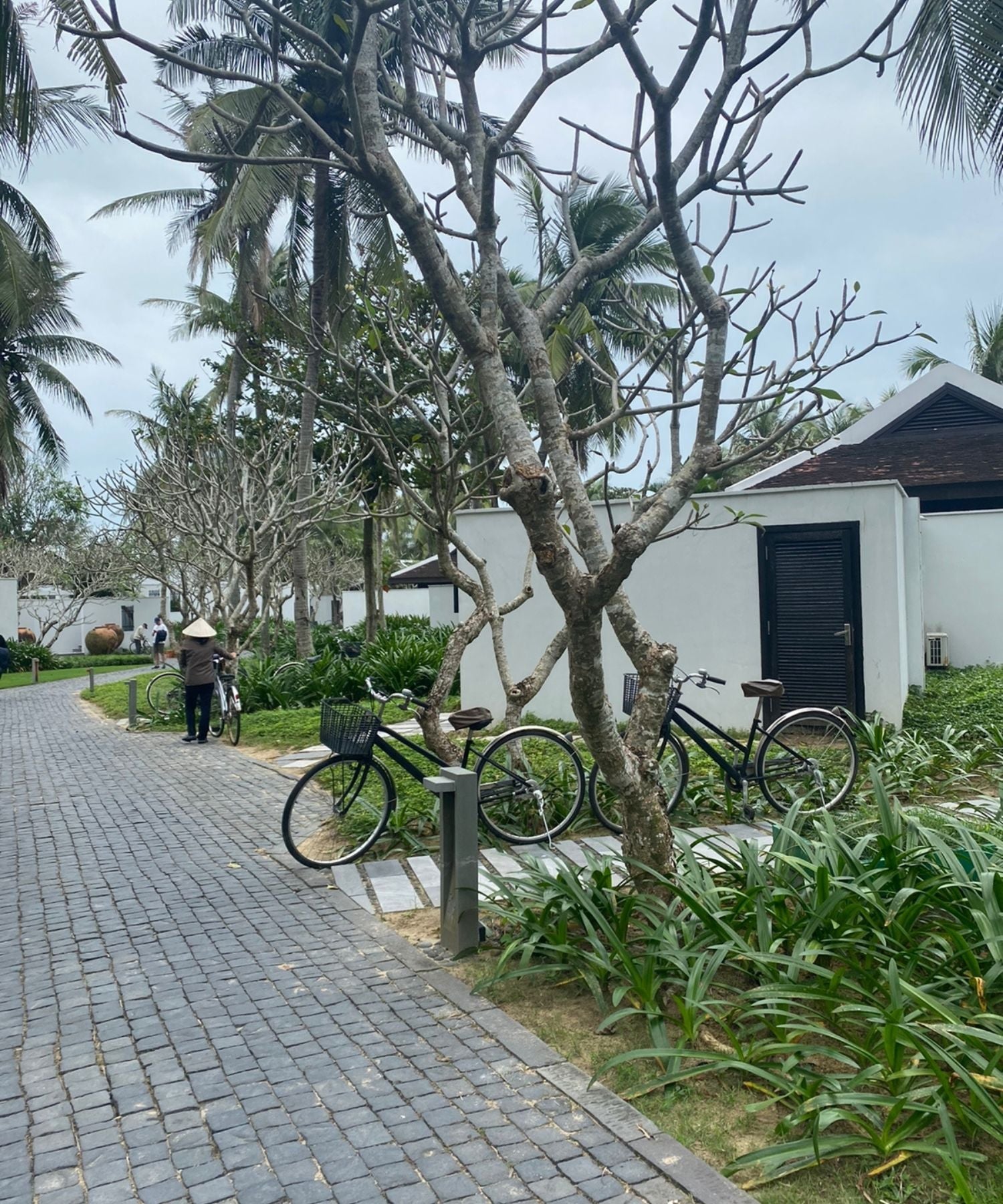
To Go
The Old Town
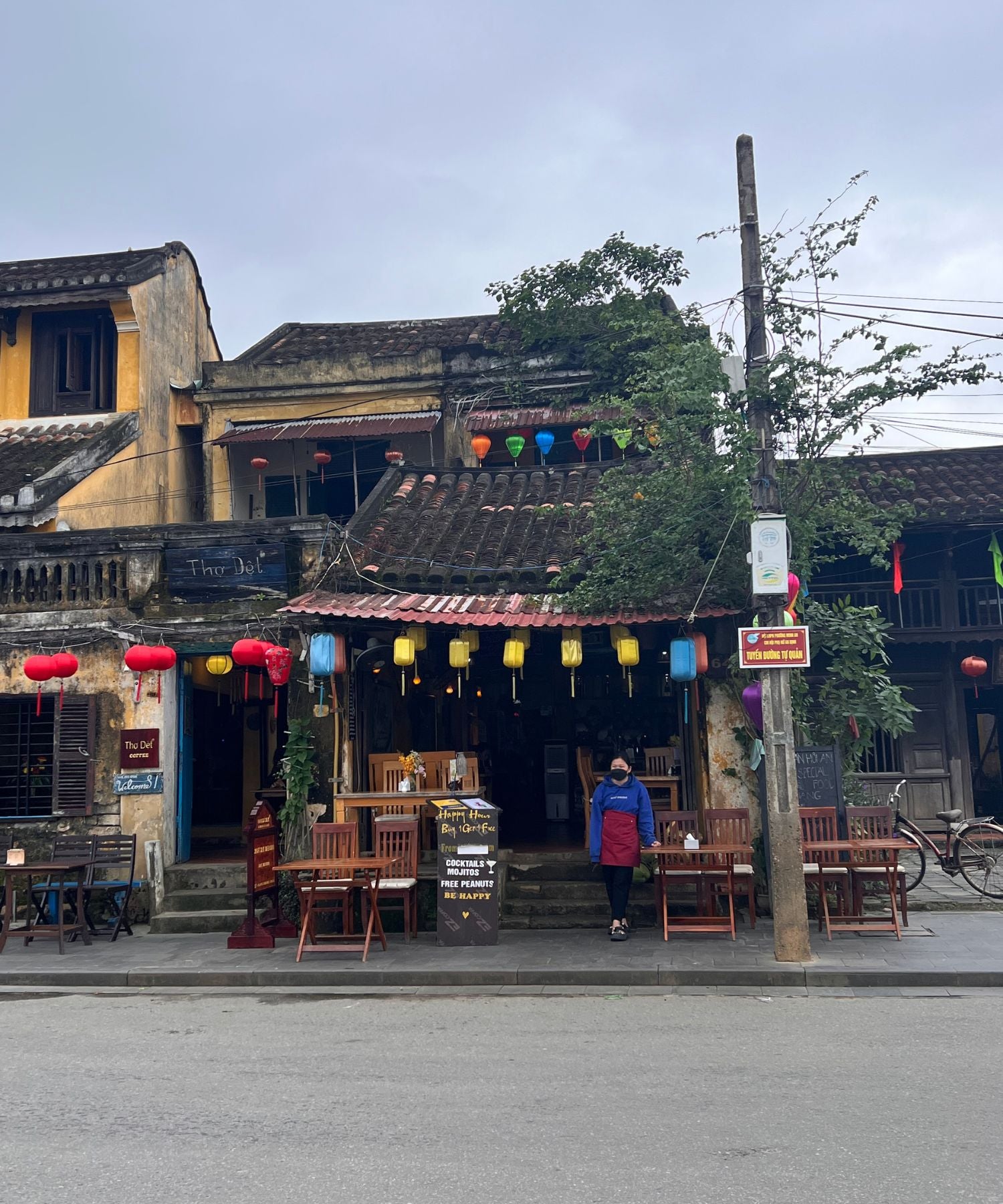
The historic Hoi An is undoubtedly the most picturesque and charming city in Vietnam, located on the banks of the Thu Bon River with a super rich culture and unique atmosphere.
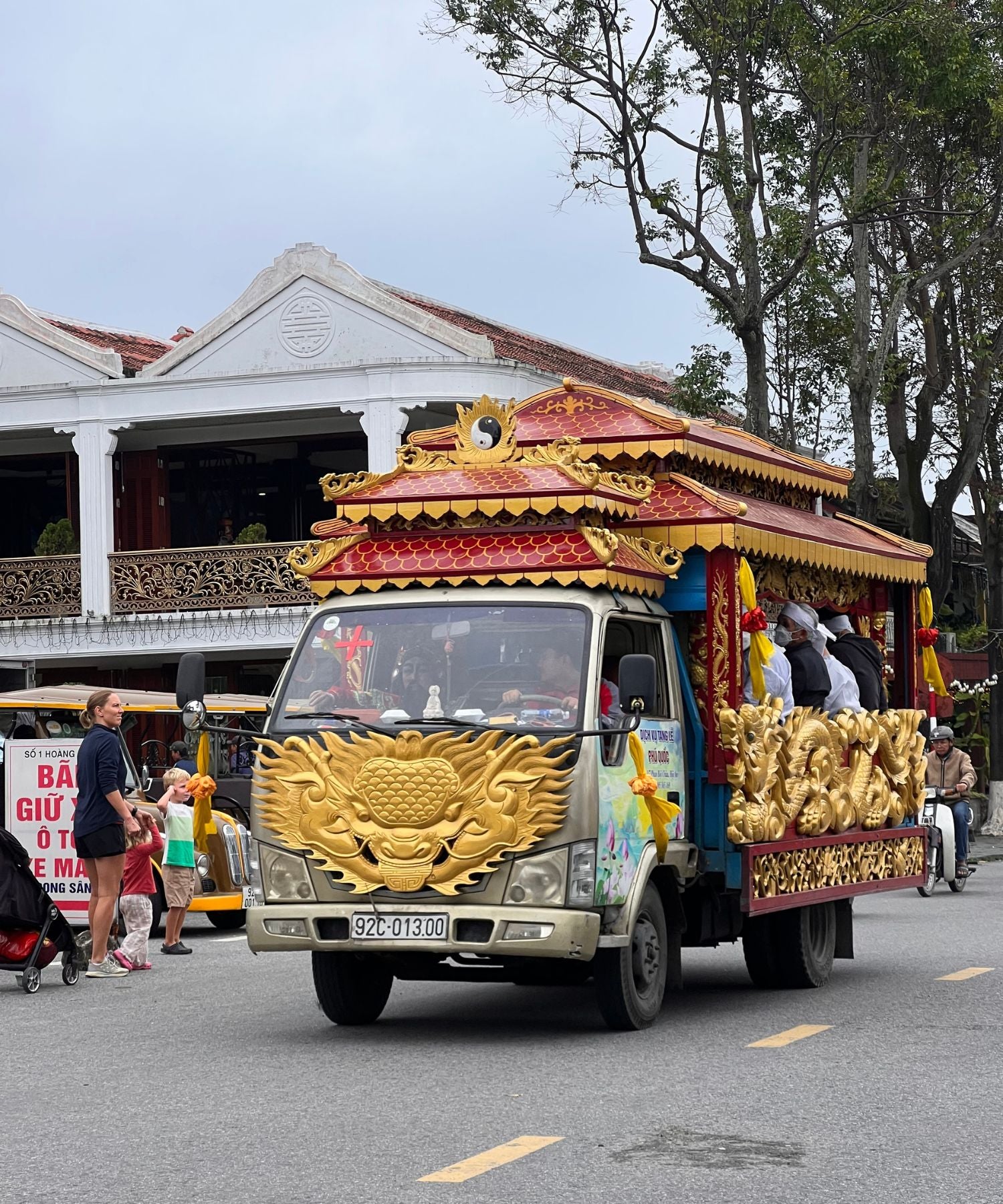
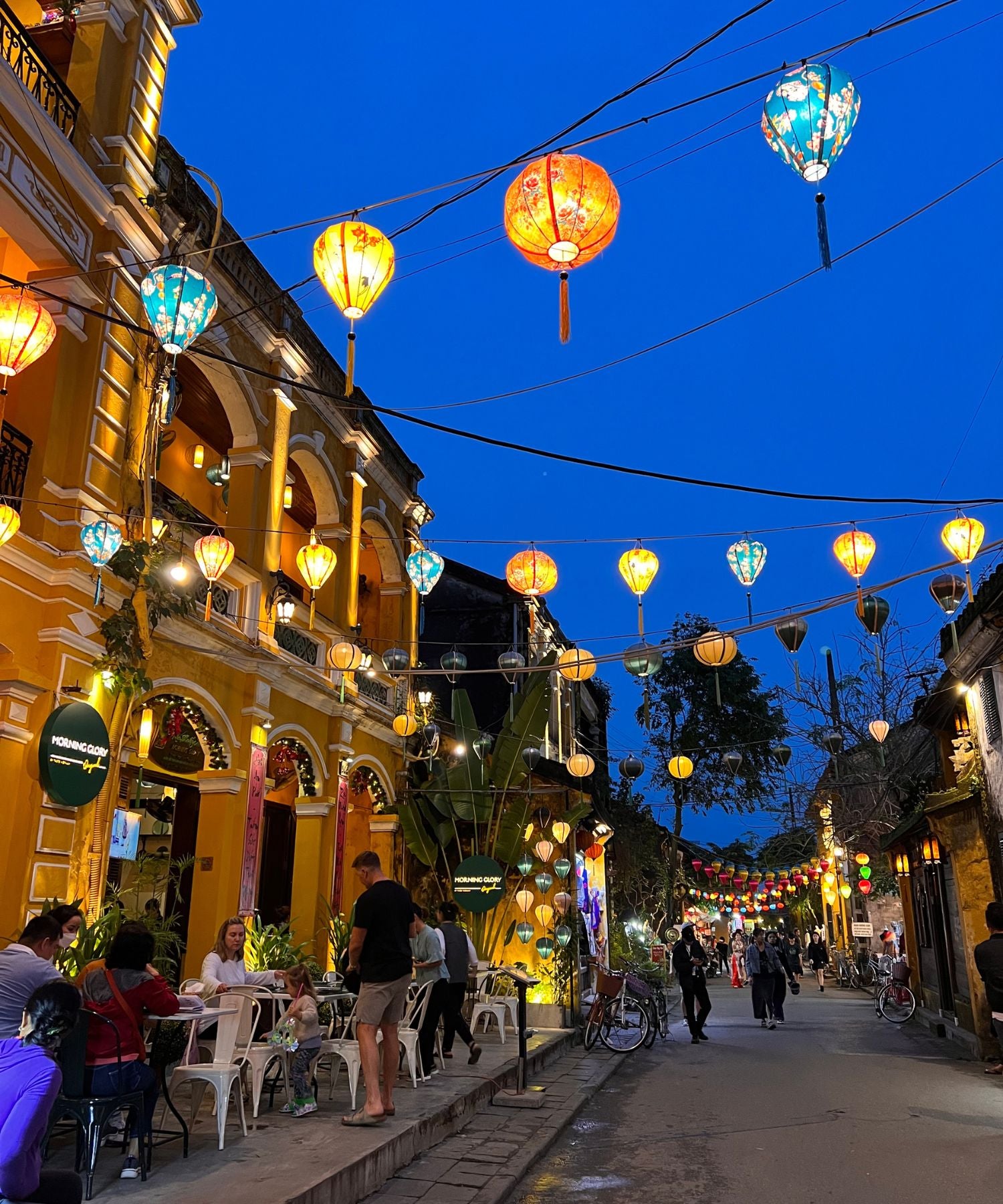
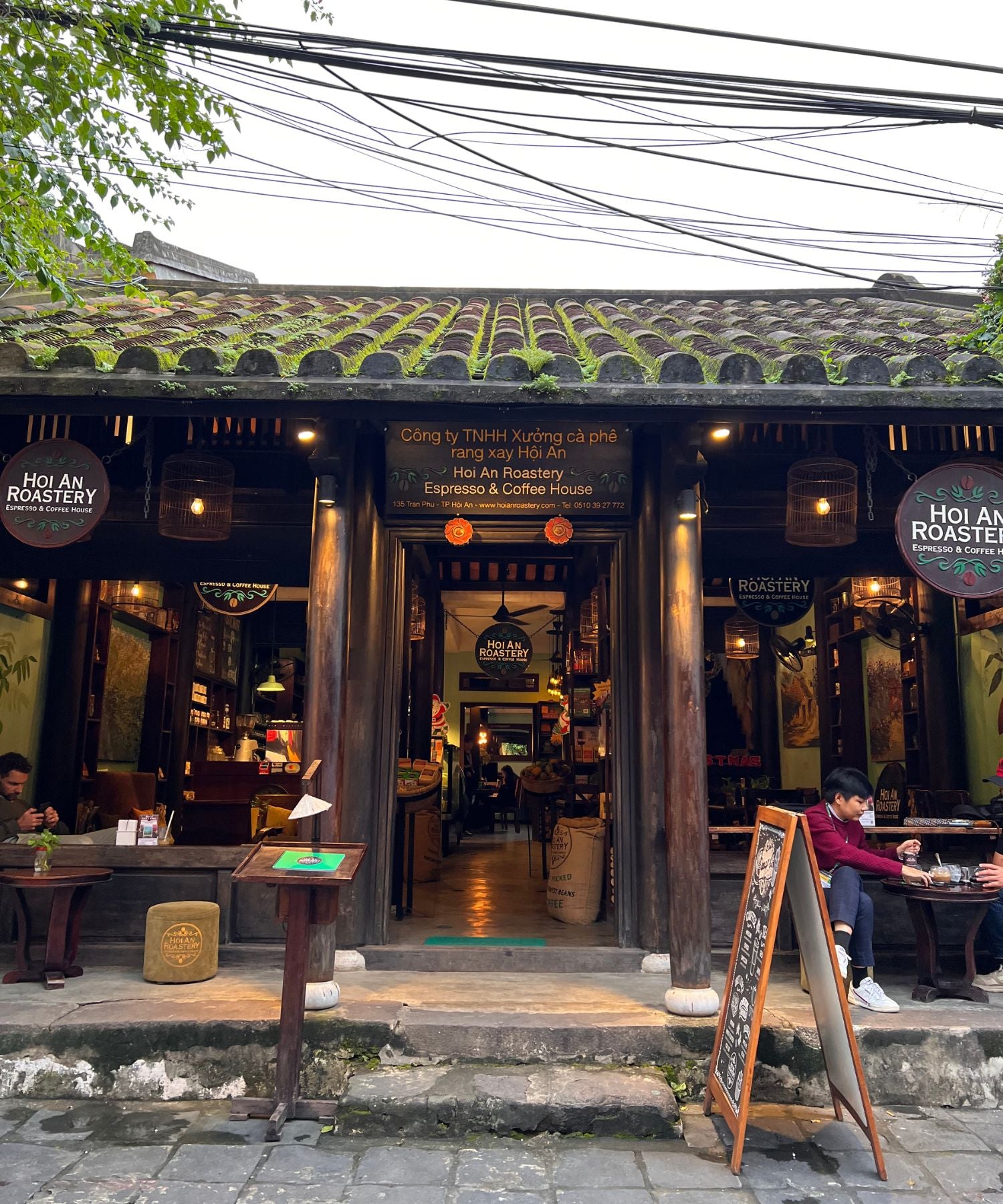
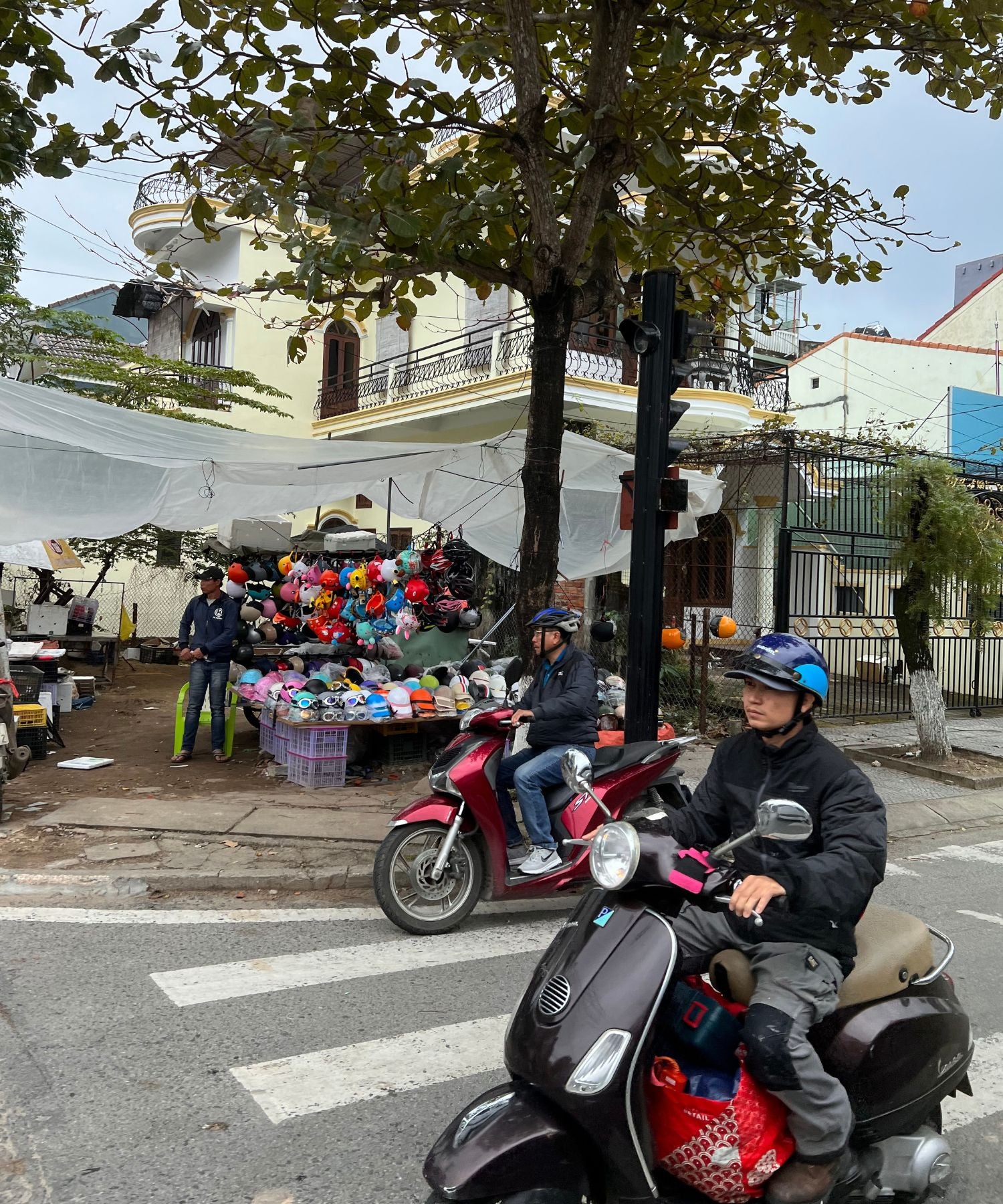
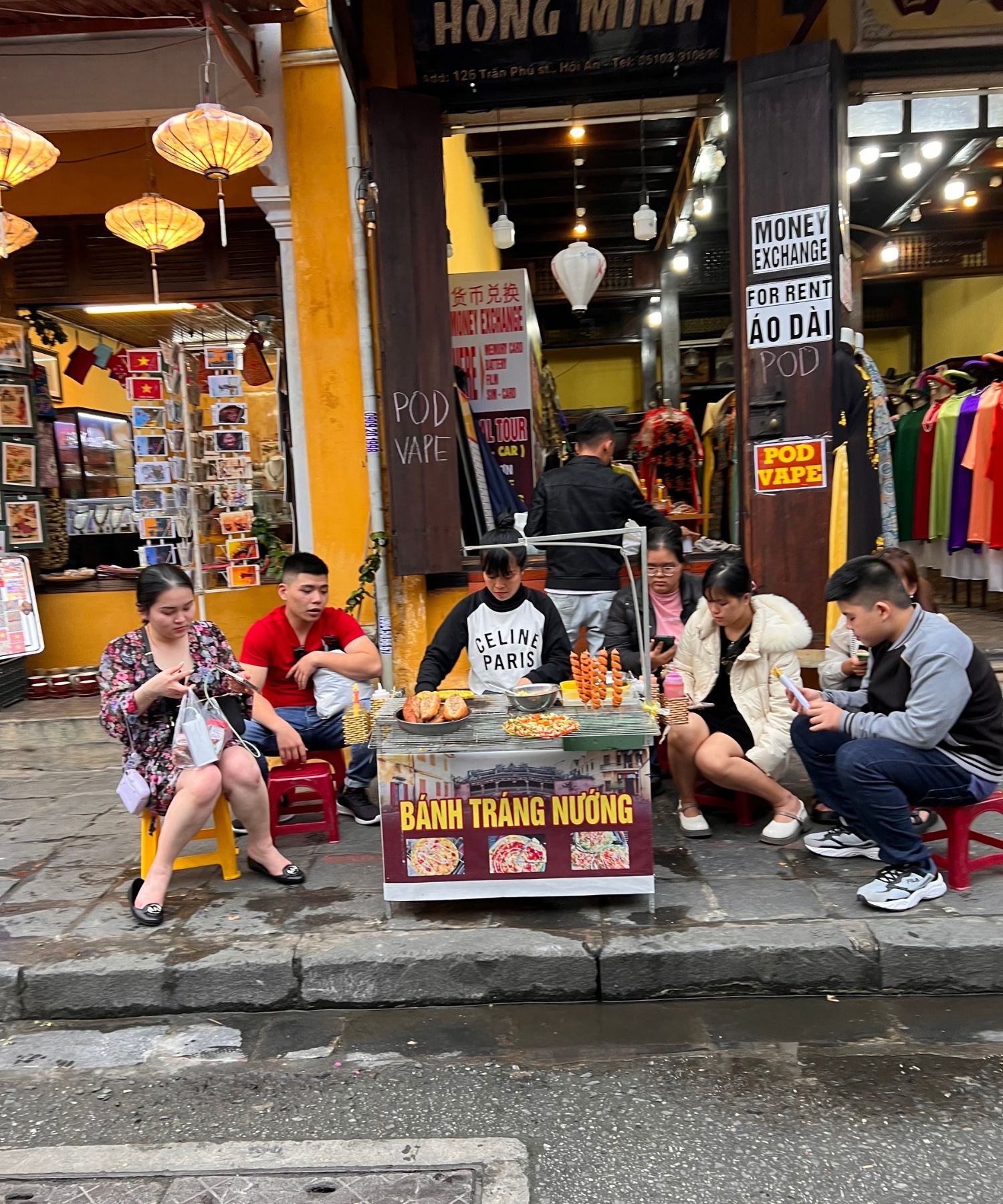
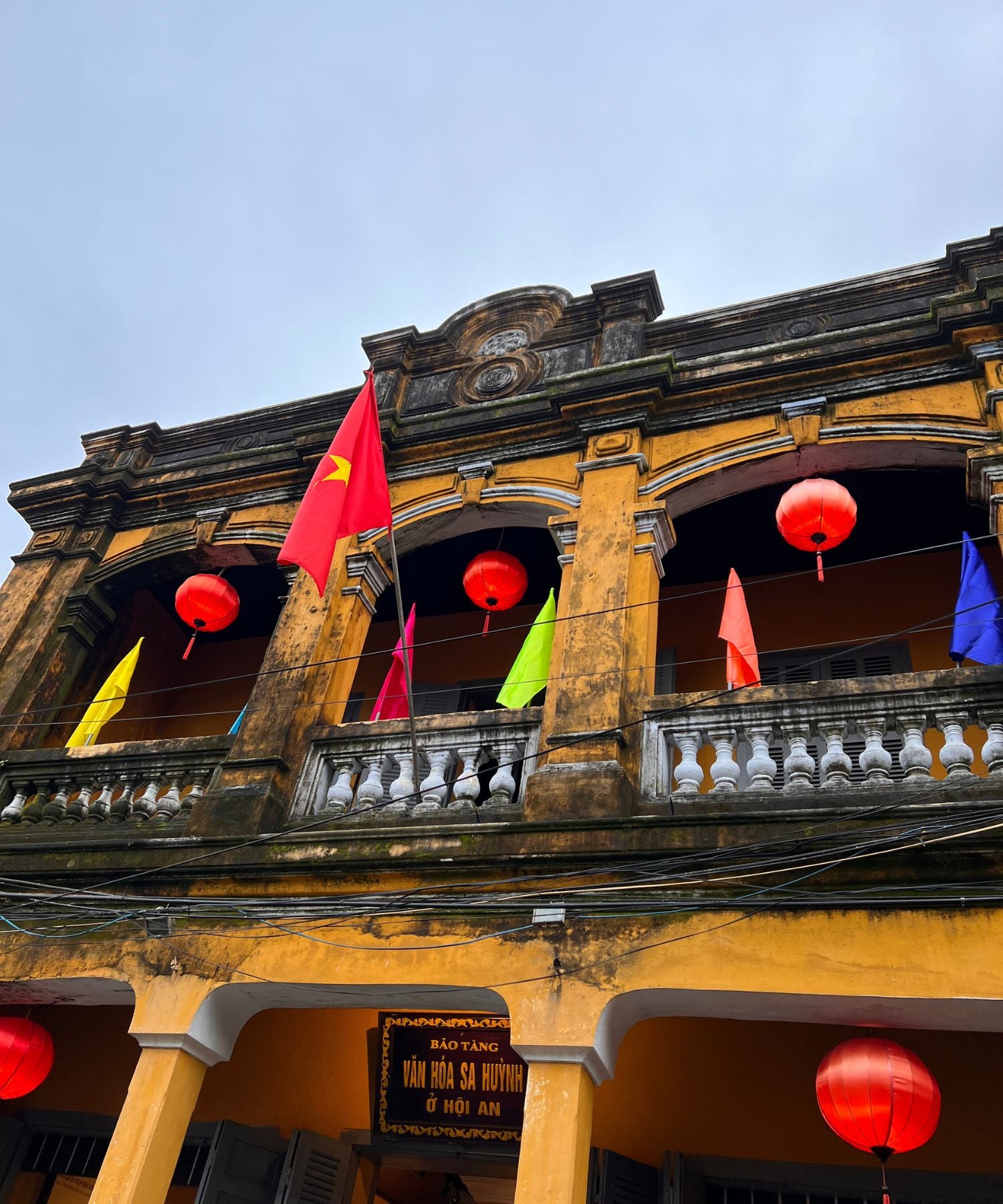
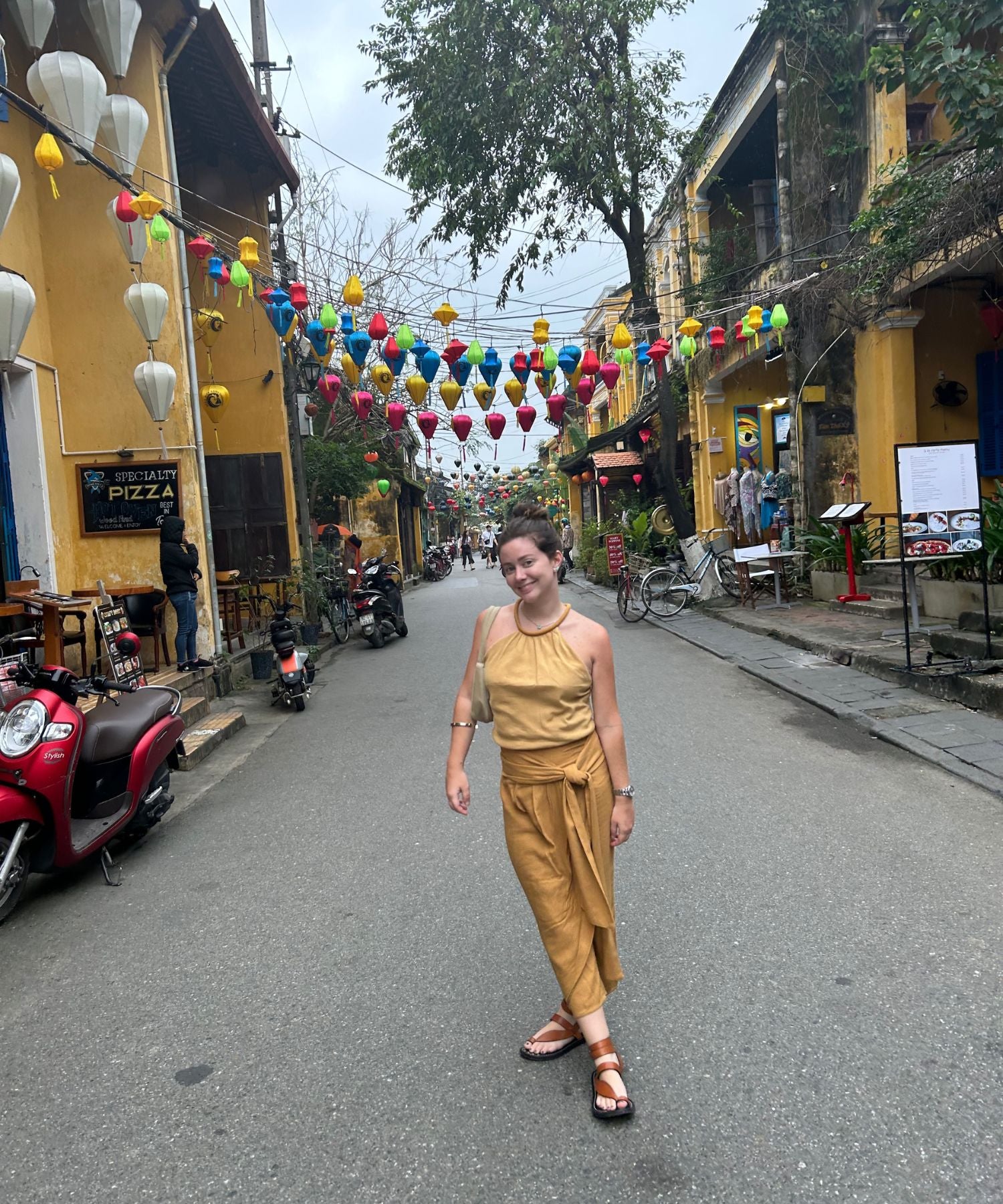
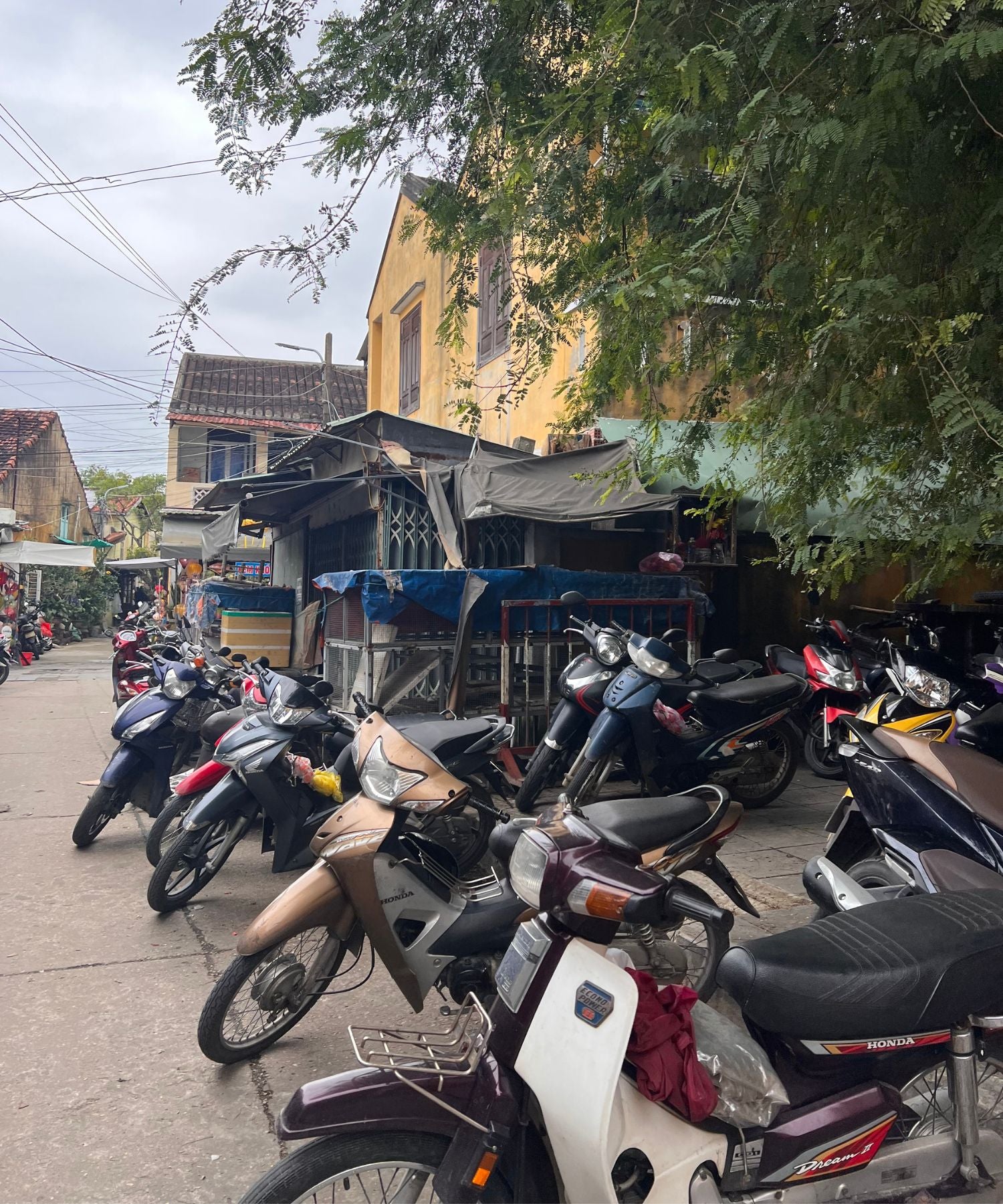
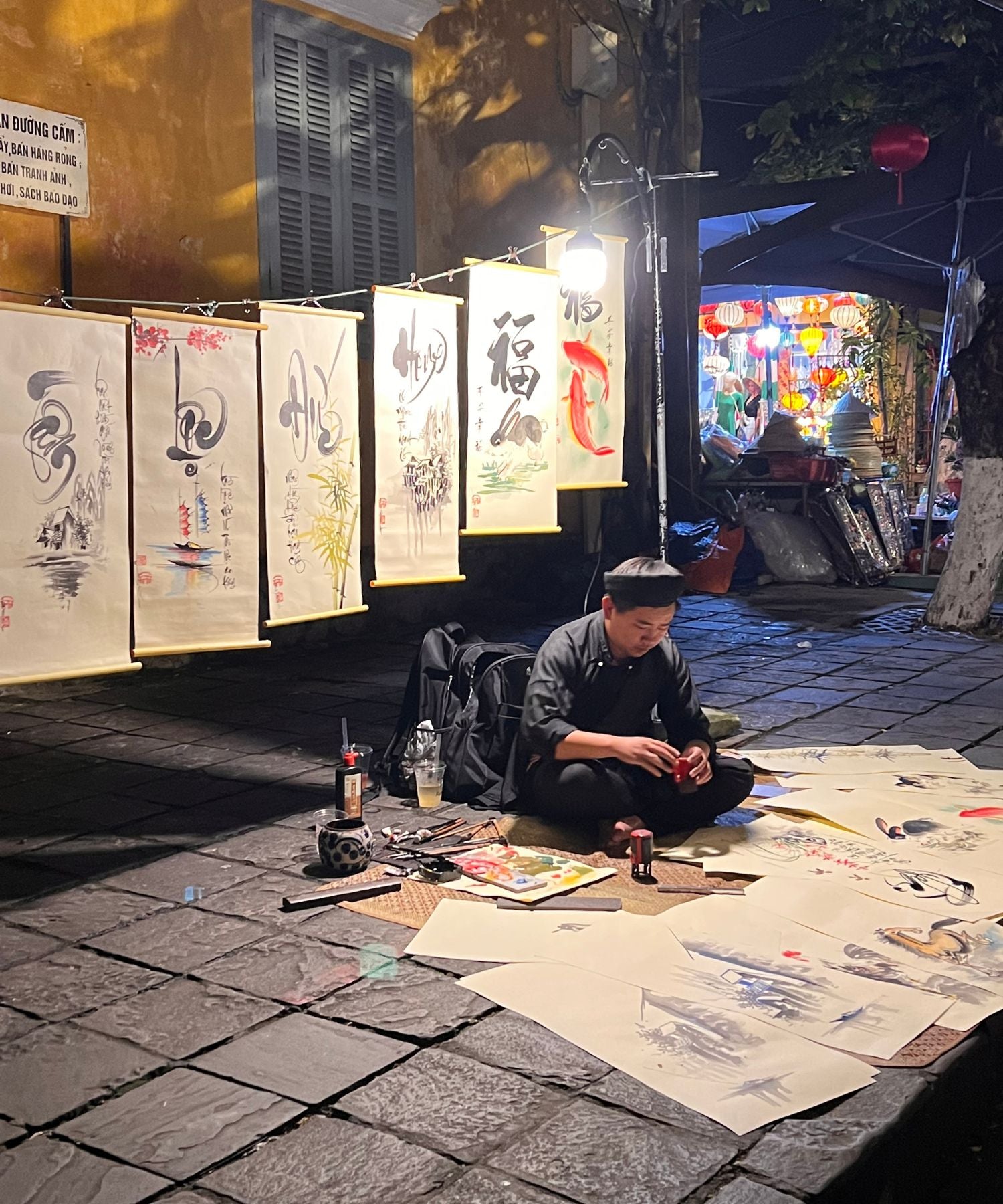
Walking through its colorful streets with the traditional yellow houses lined up and seeing the craft shops and local products, bars and restaurants is a delightful experience.
Hoi An prospered during the 16th and 17th centuries as one of the most prosperous port cities in Southeast Asia.
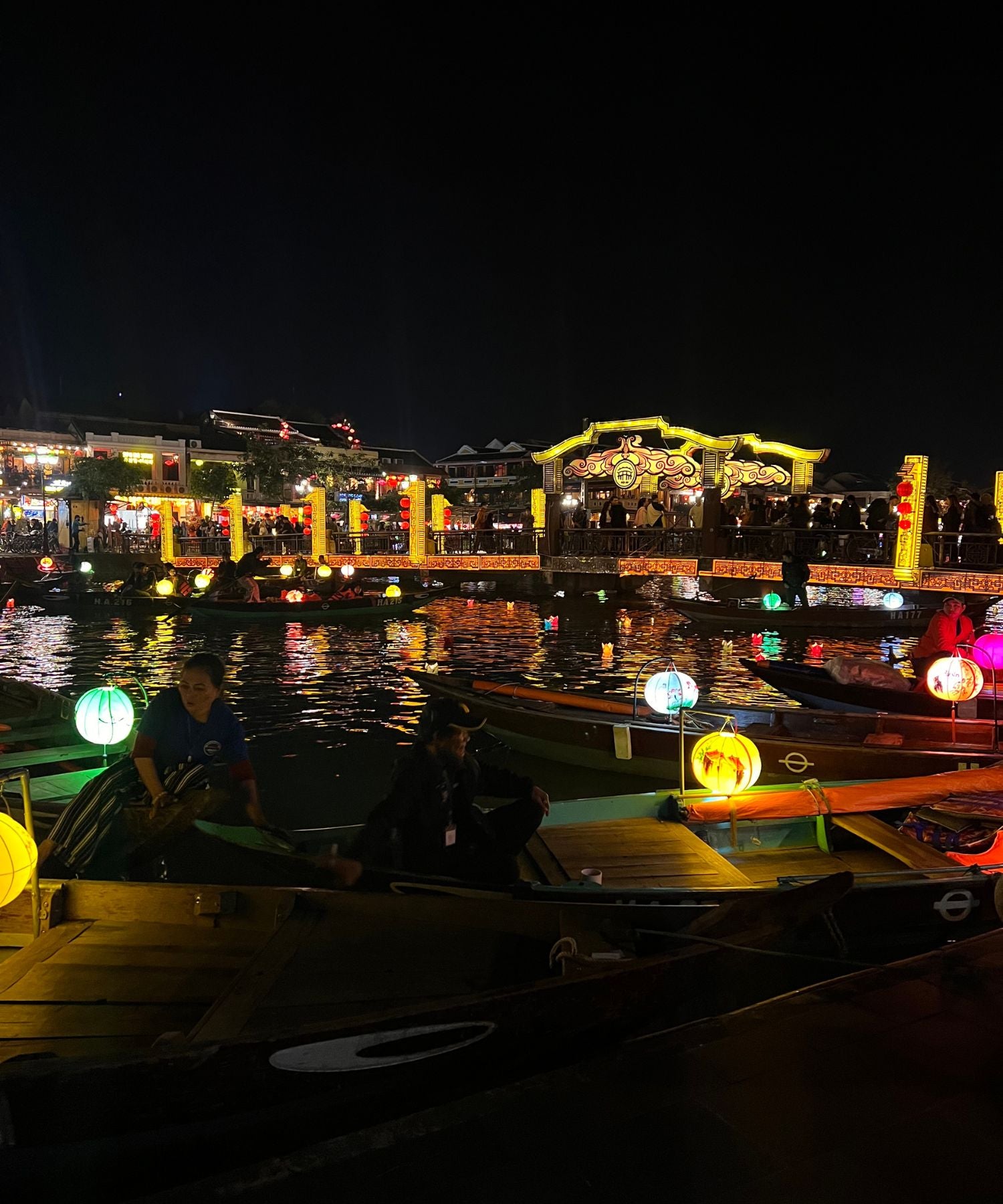
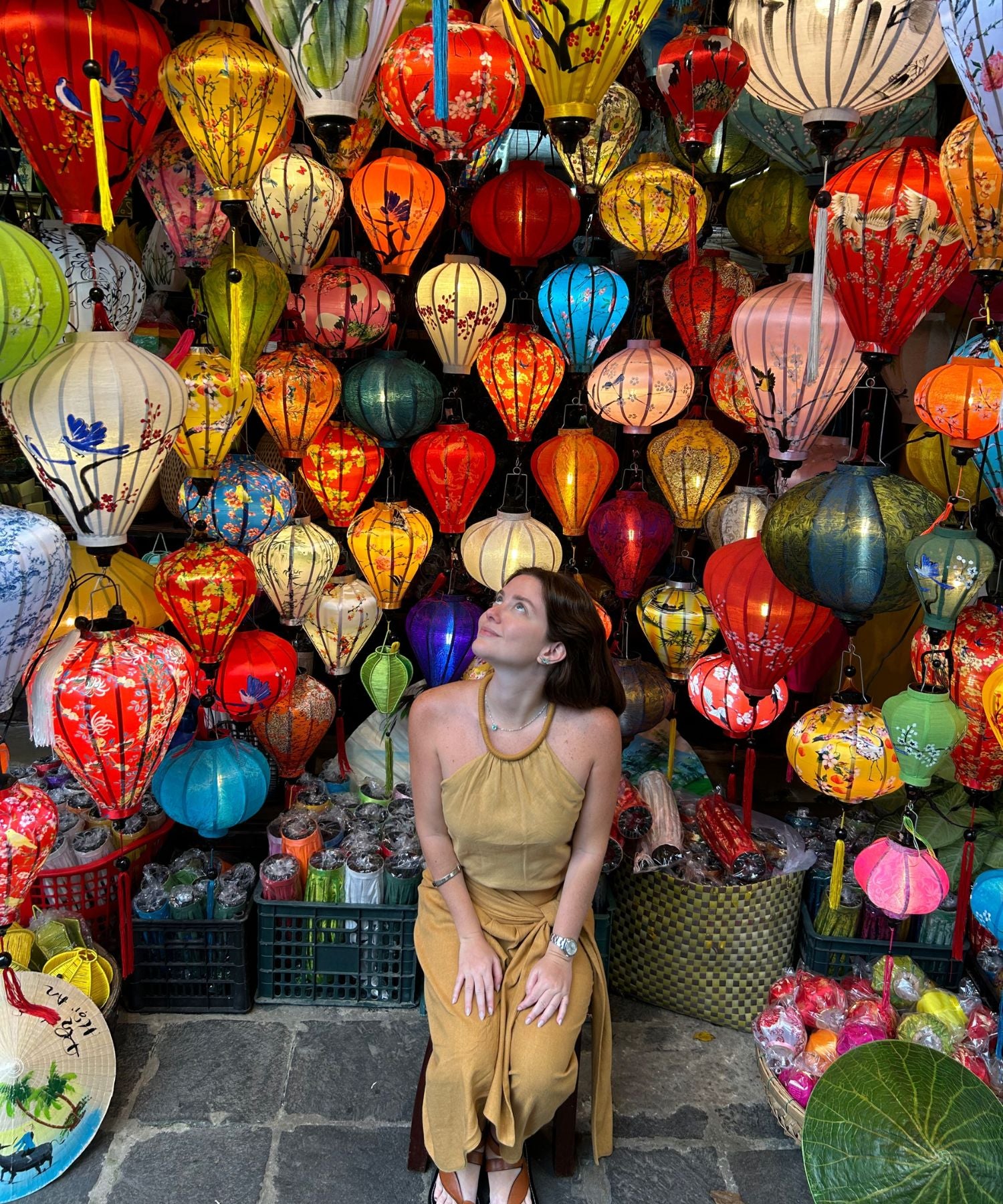
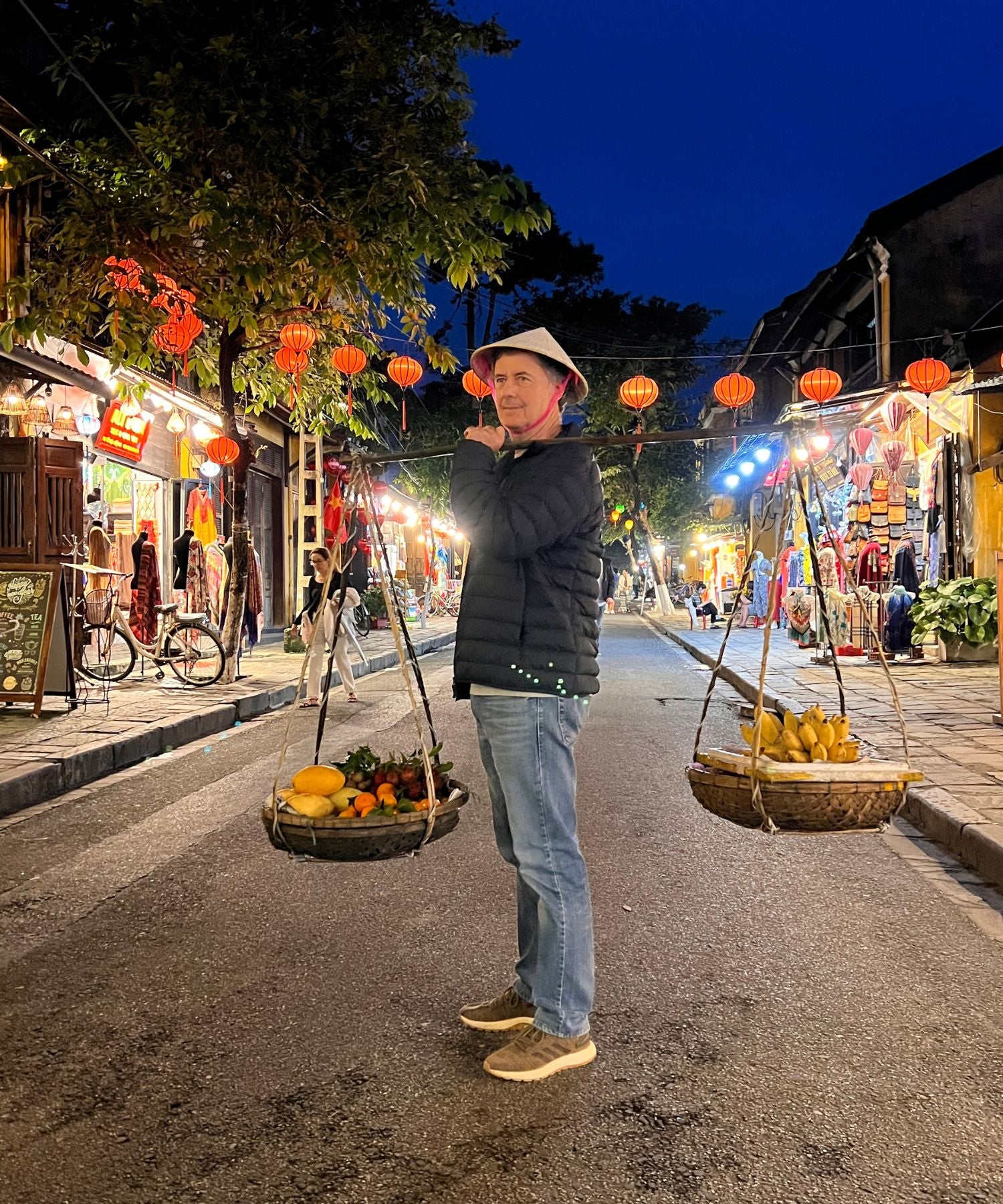
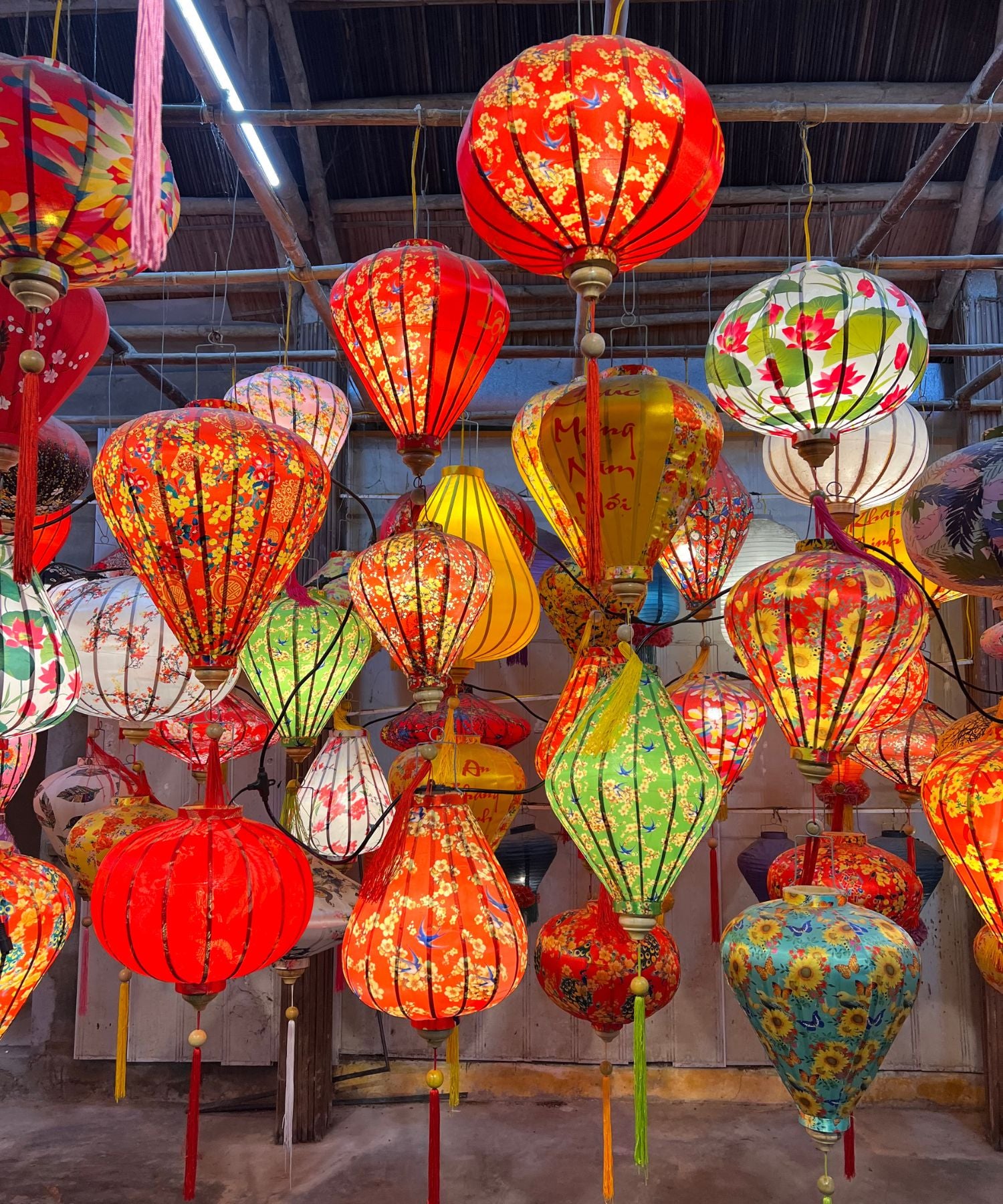
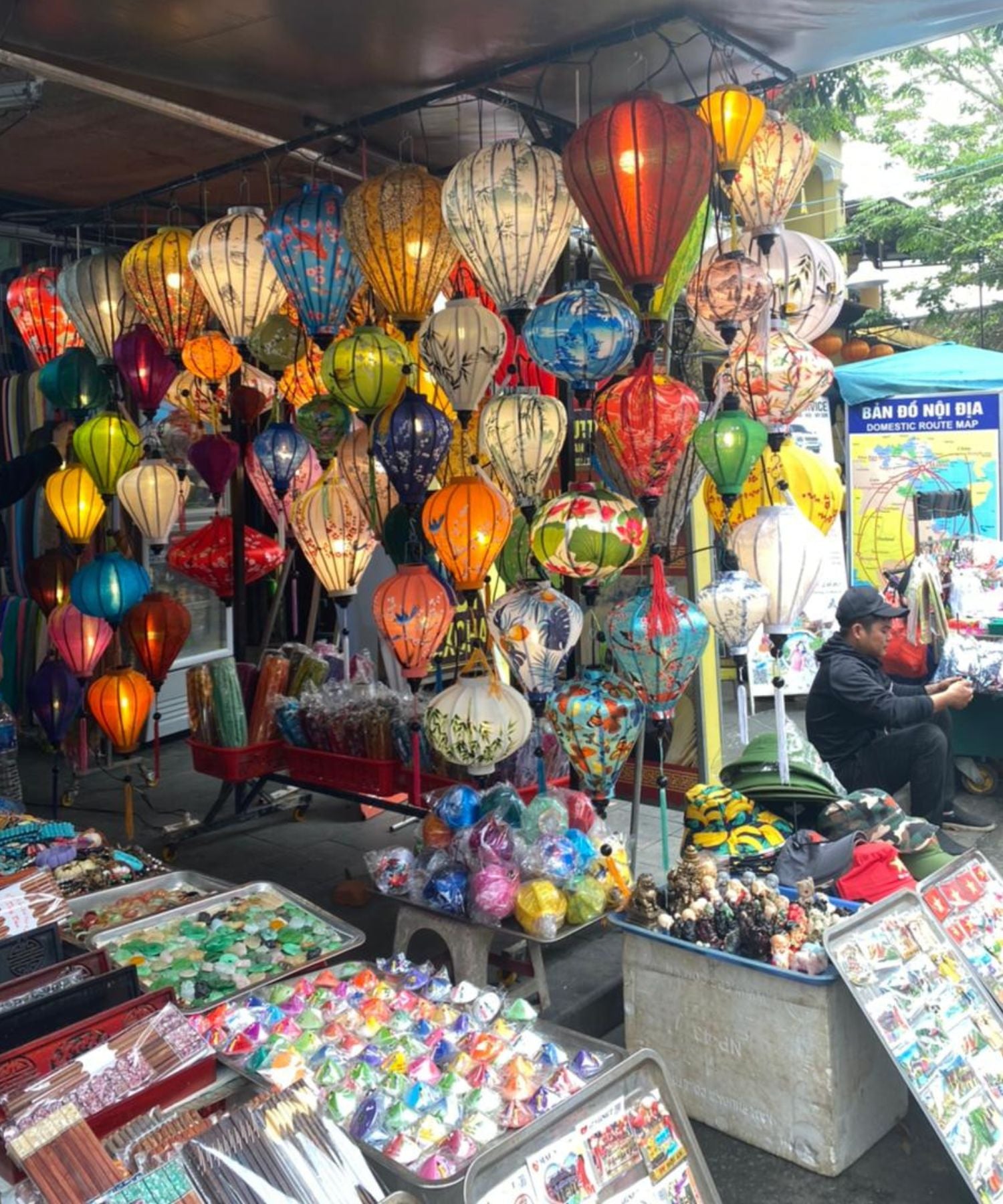
The mix of Chinese, Japanese, and European influences can still be seen today in the city's architecture. The Japanese bridge, the assembly hall and Chinese temples and the French colonial villas are well preserved to receive a tourist demand that continues to flourish. At night, the city gains an extra charm with its countless colorful lanterns illuminating the streets.
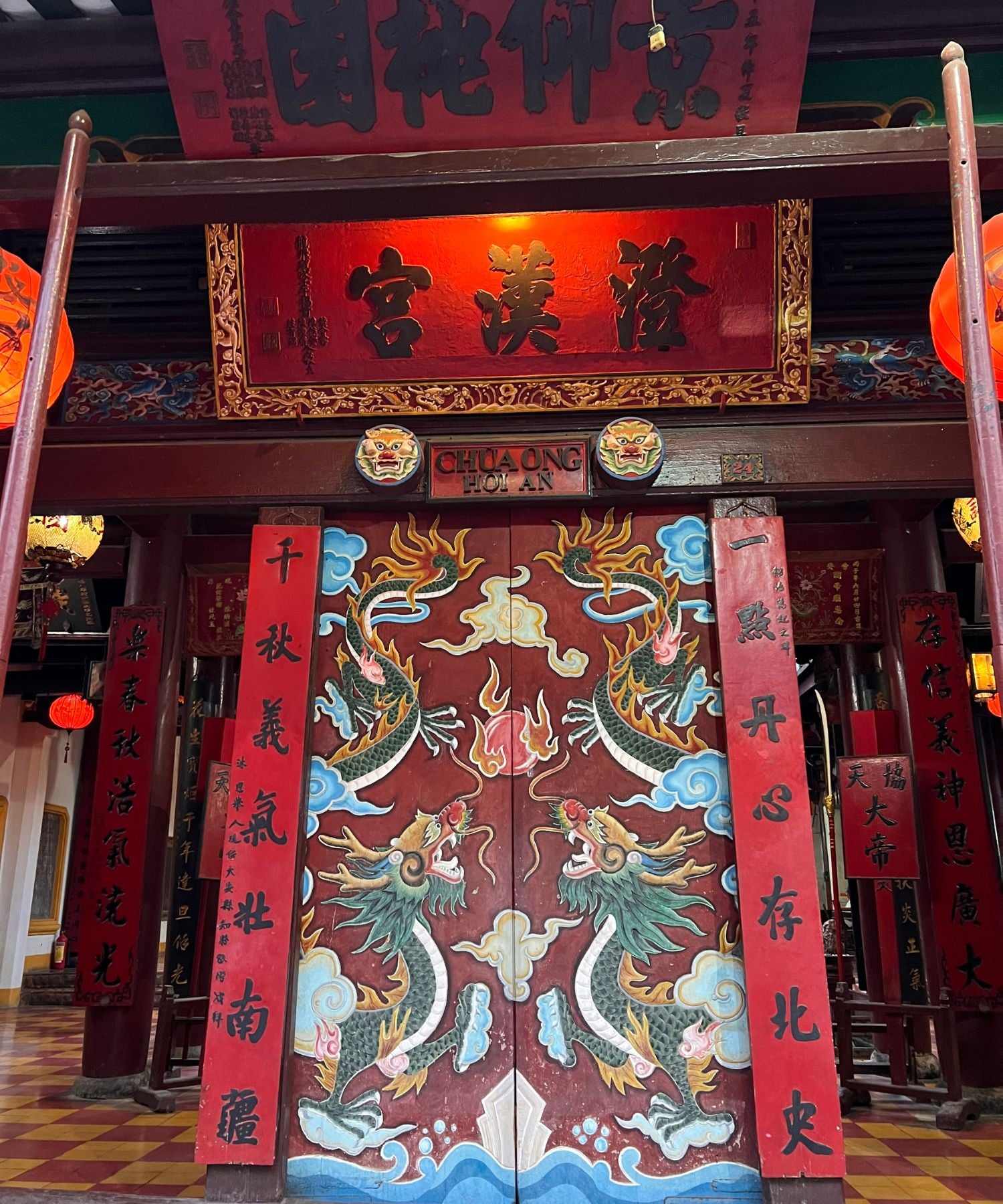
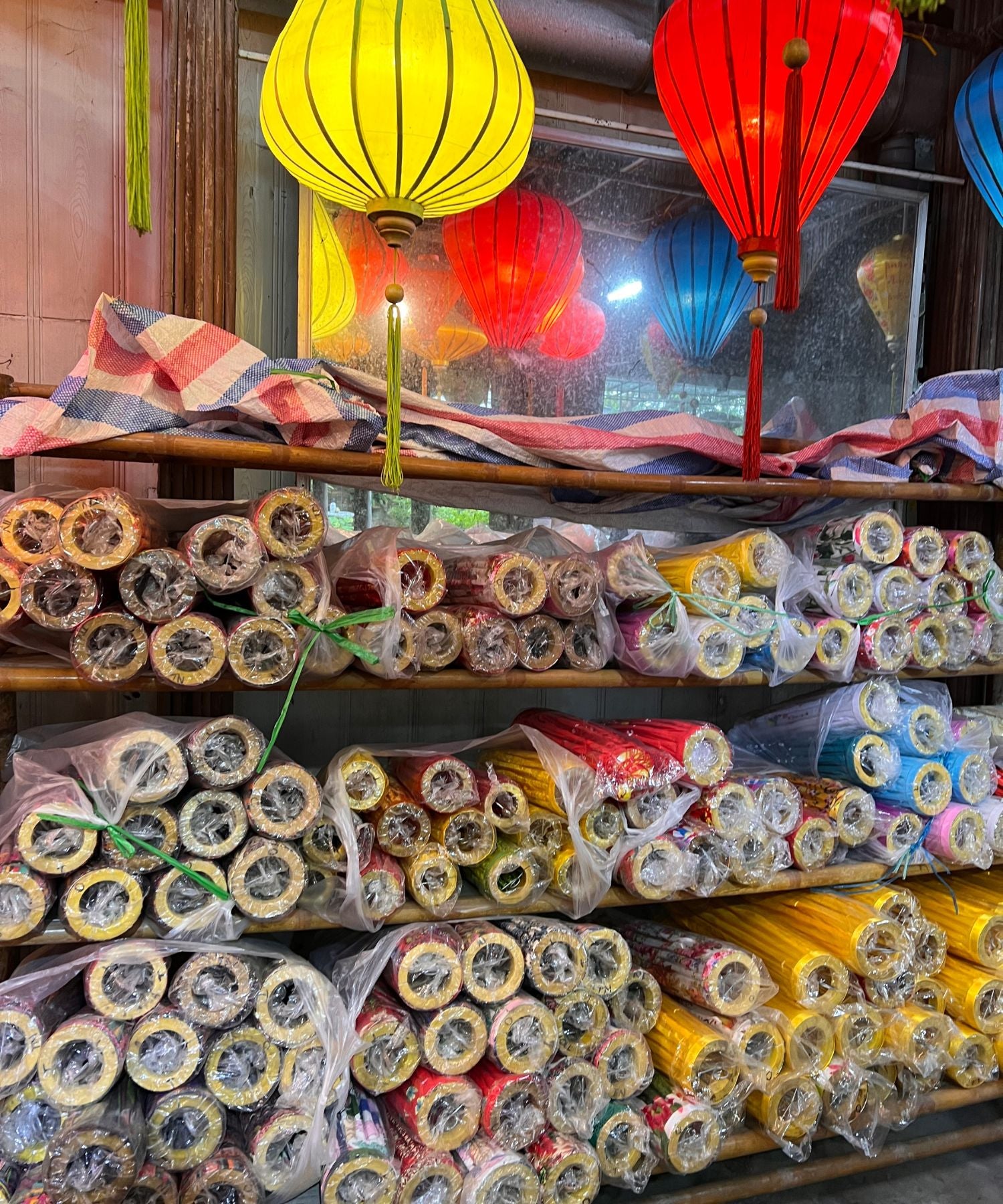
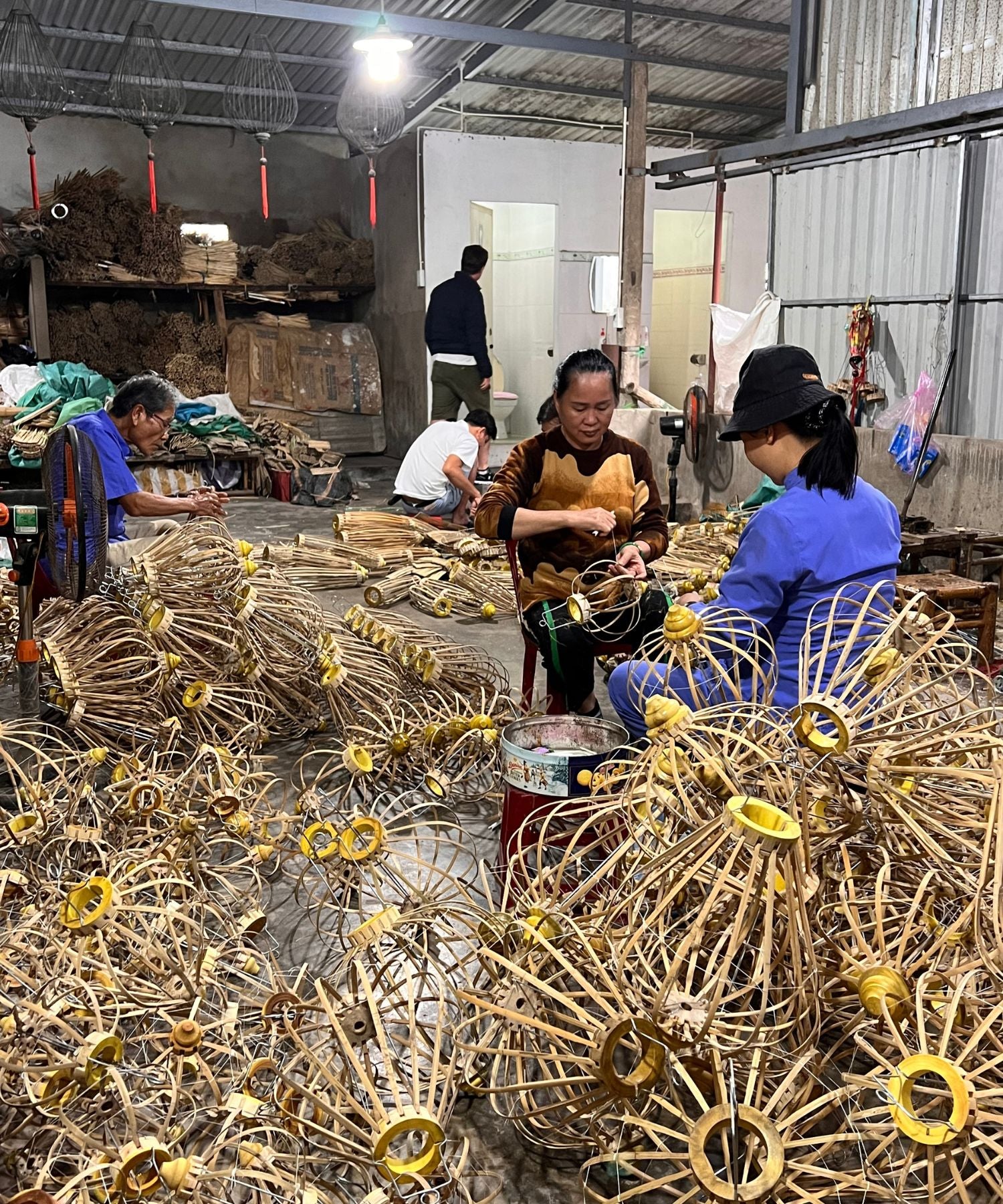
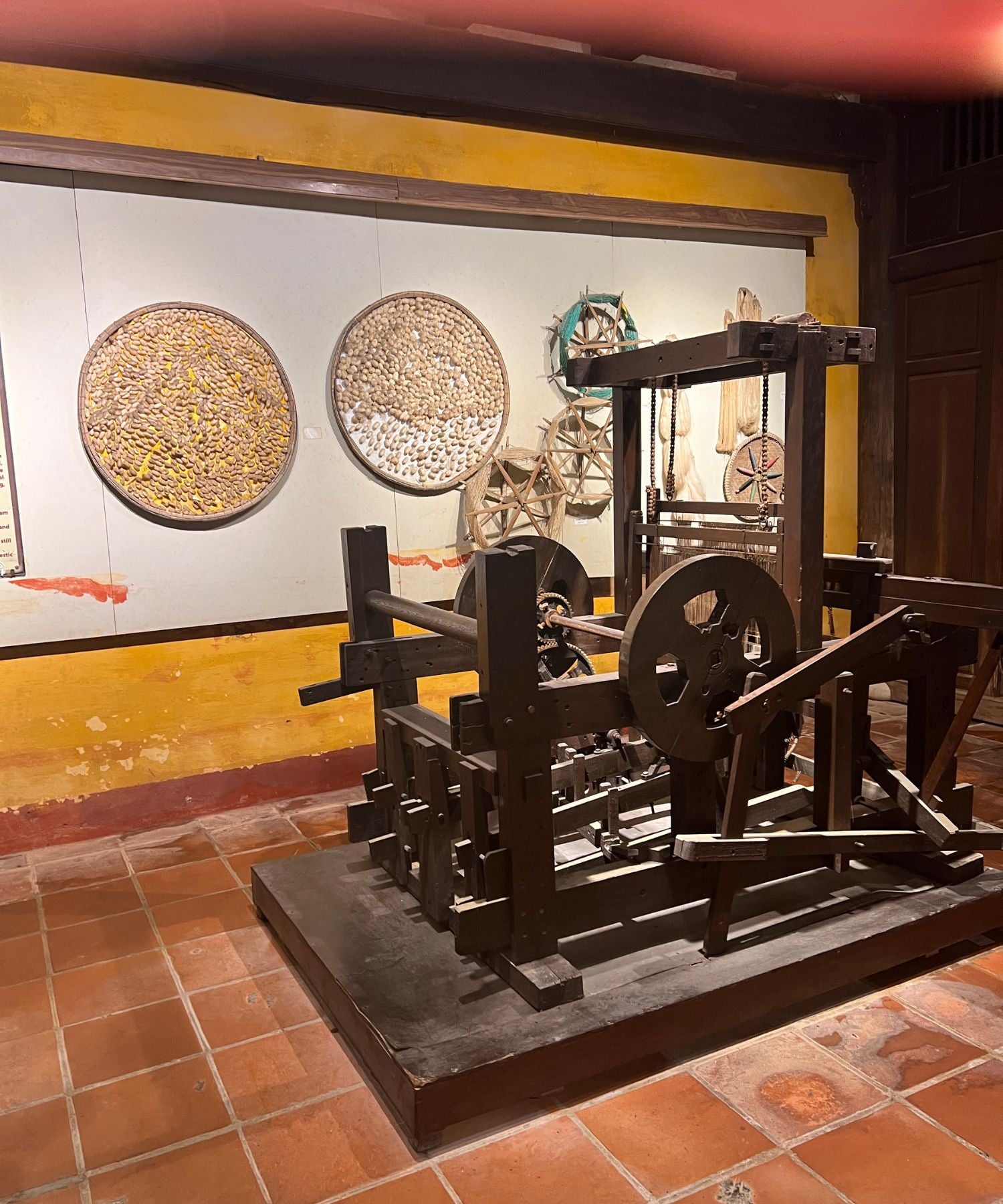
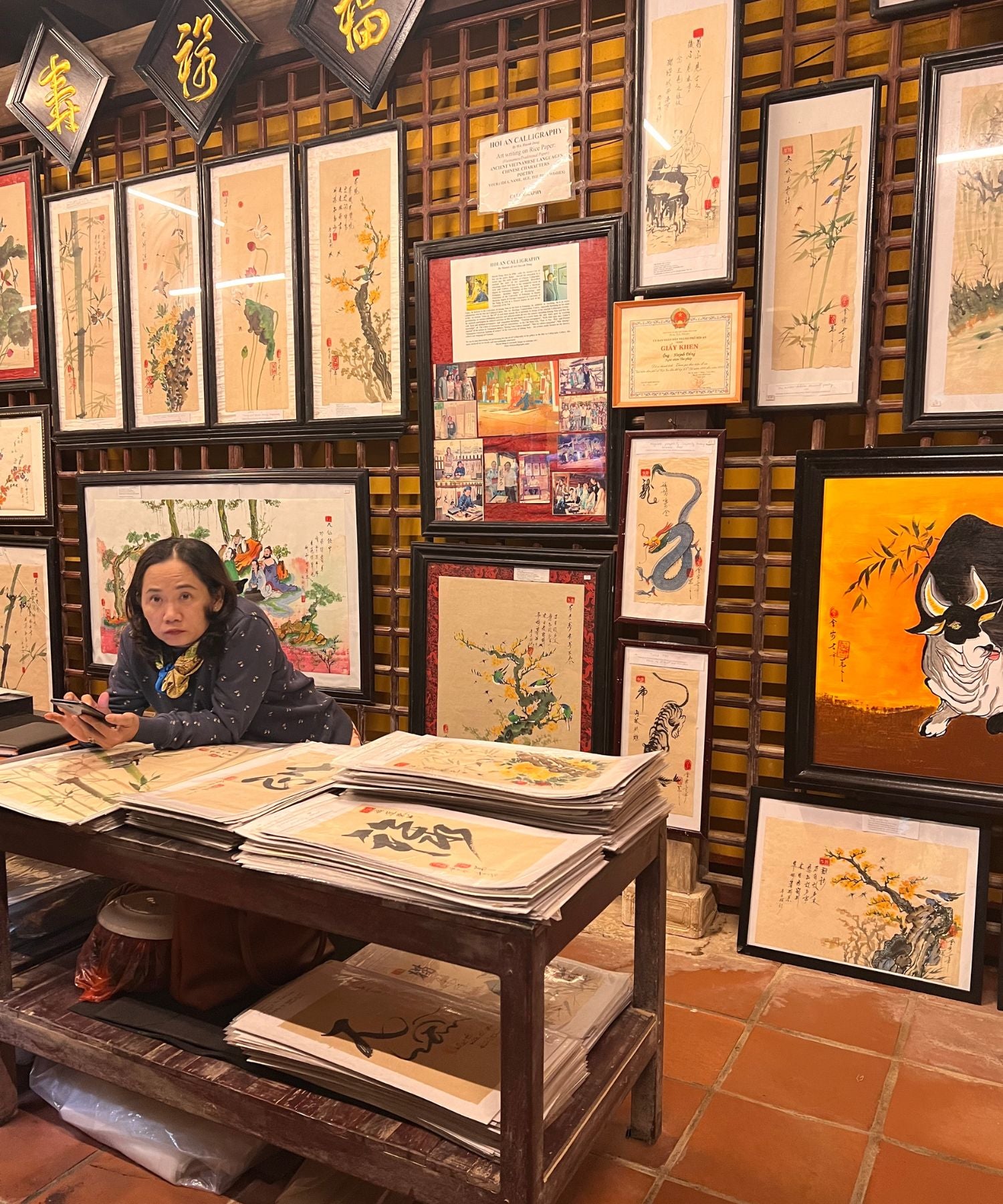
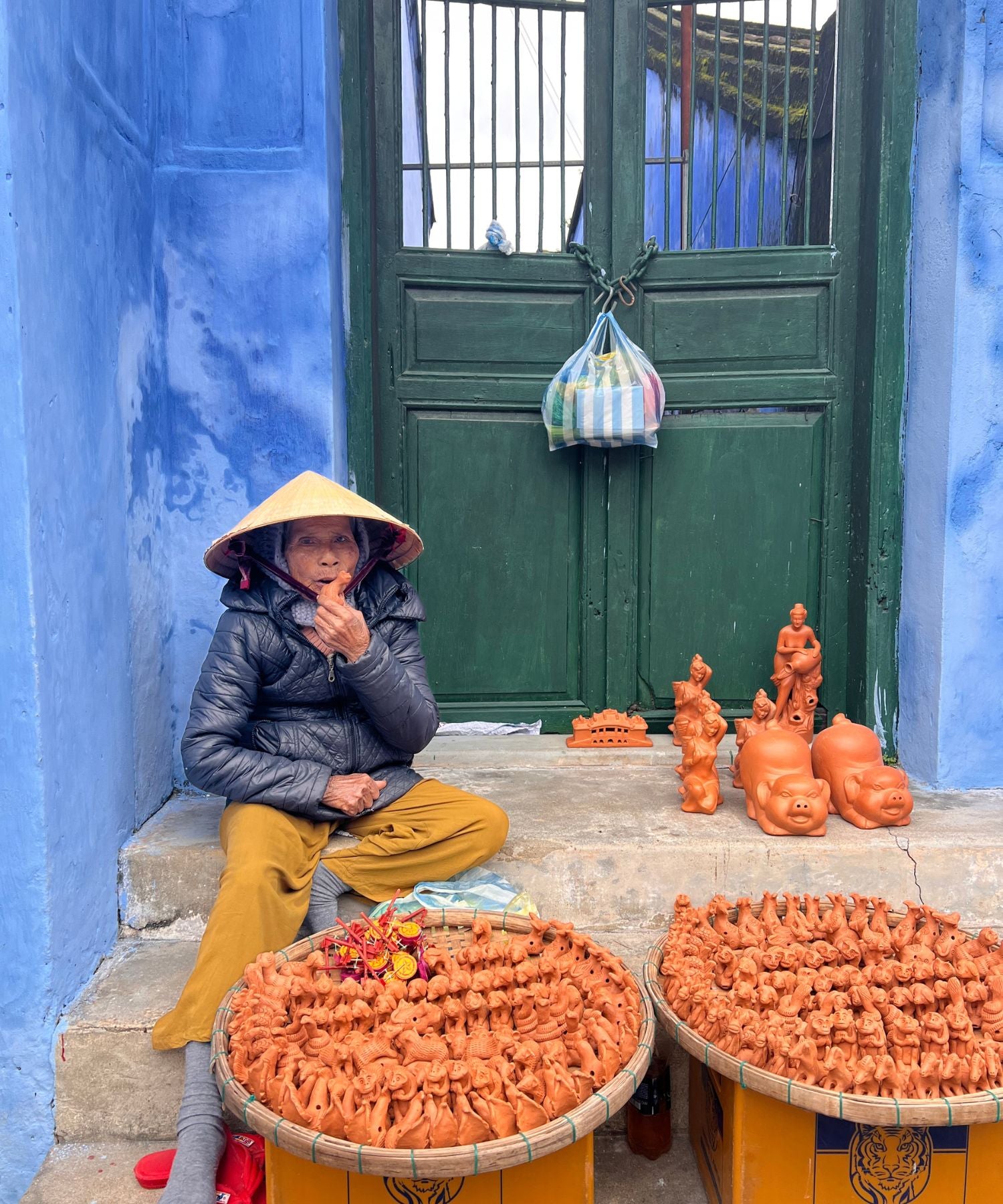
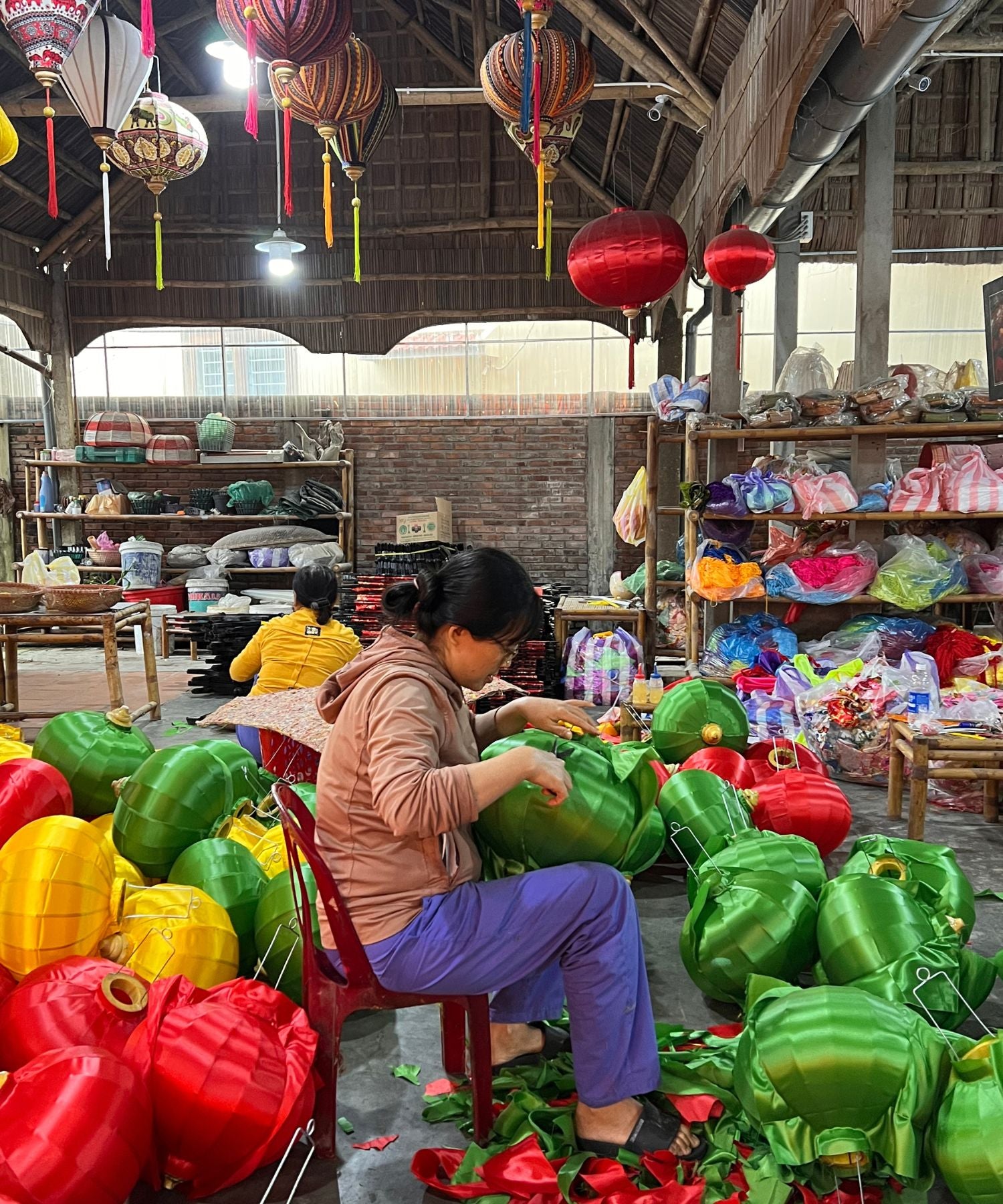
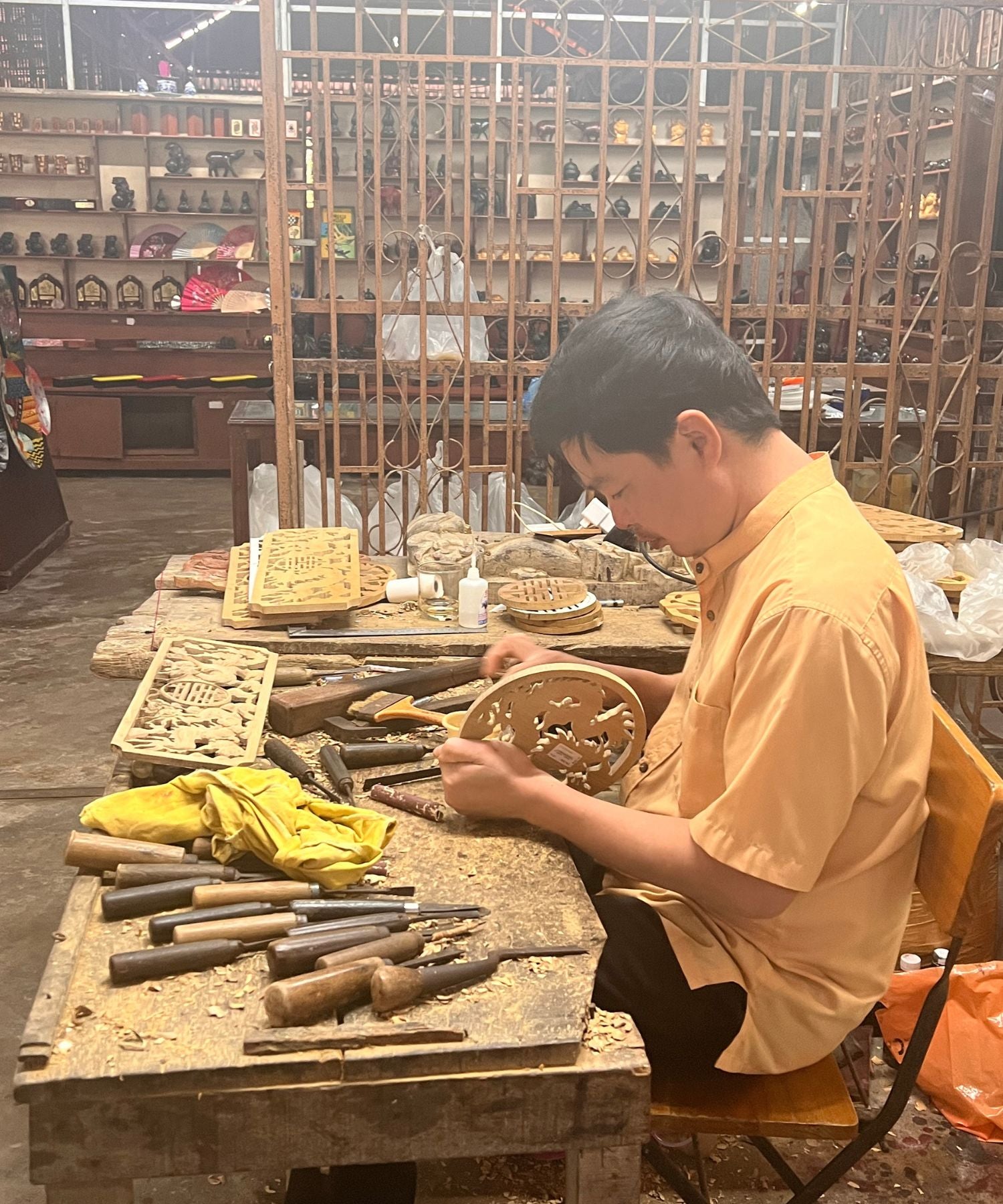
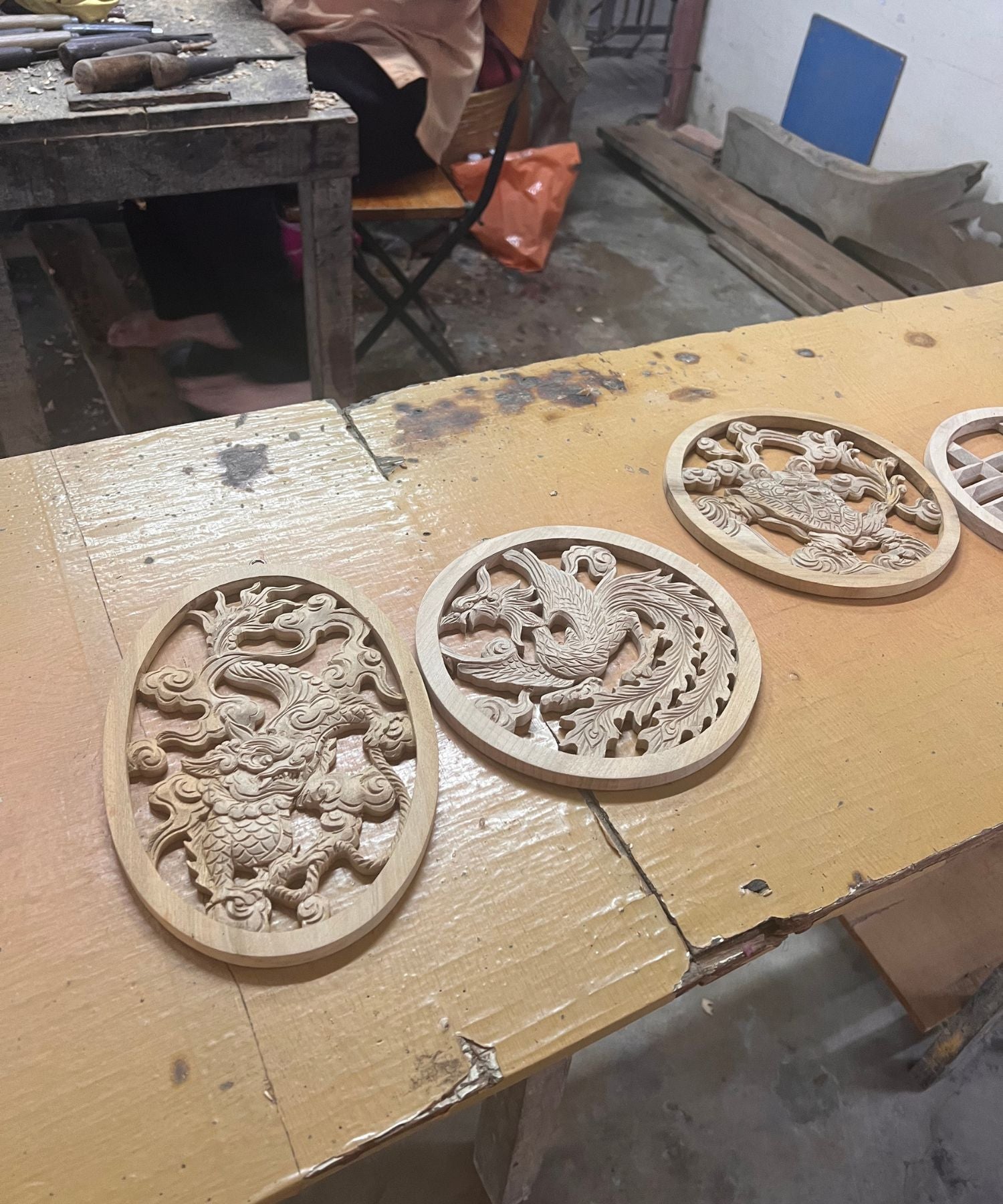
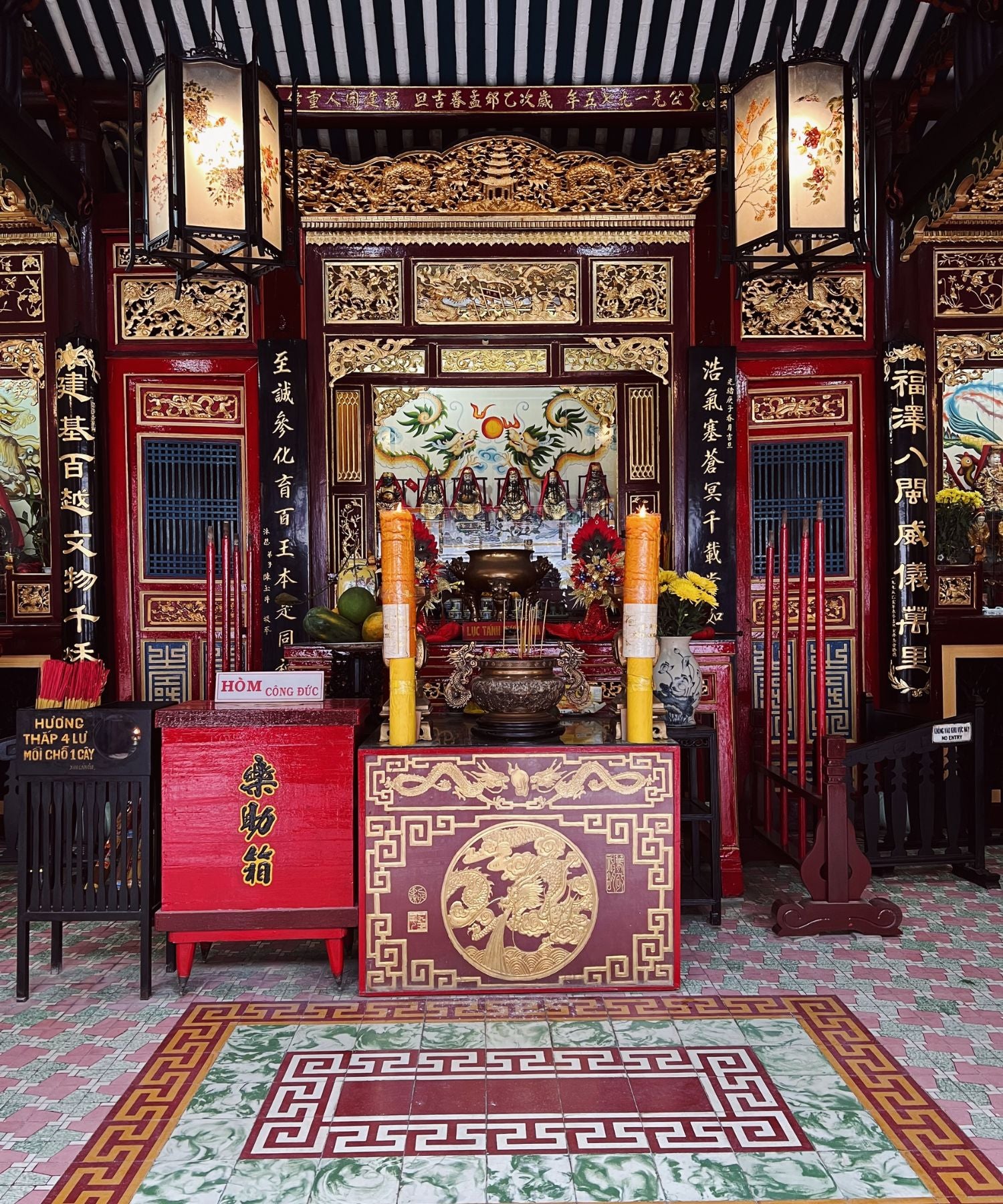
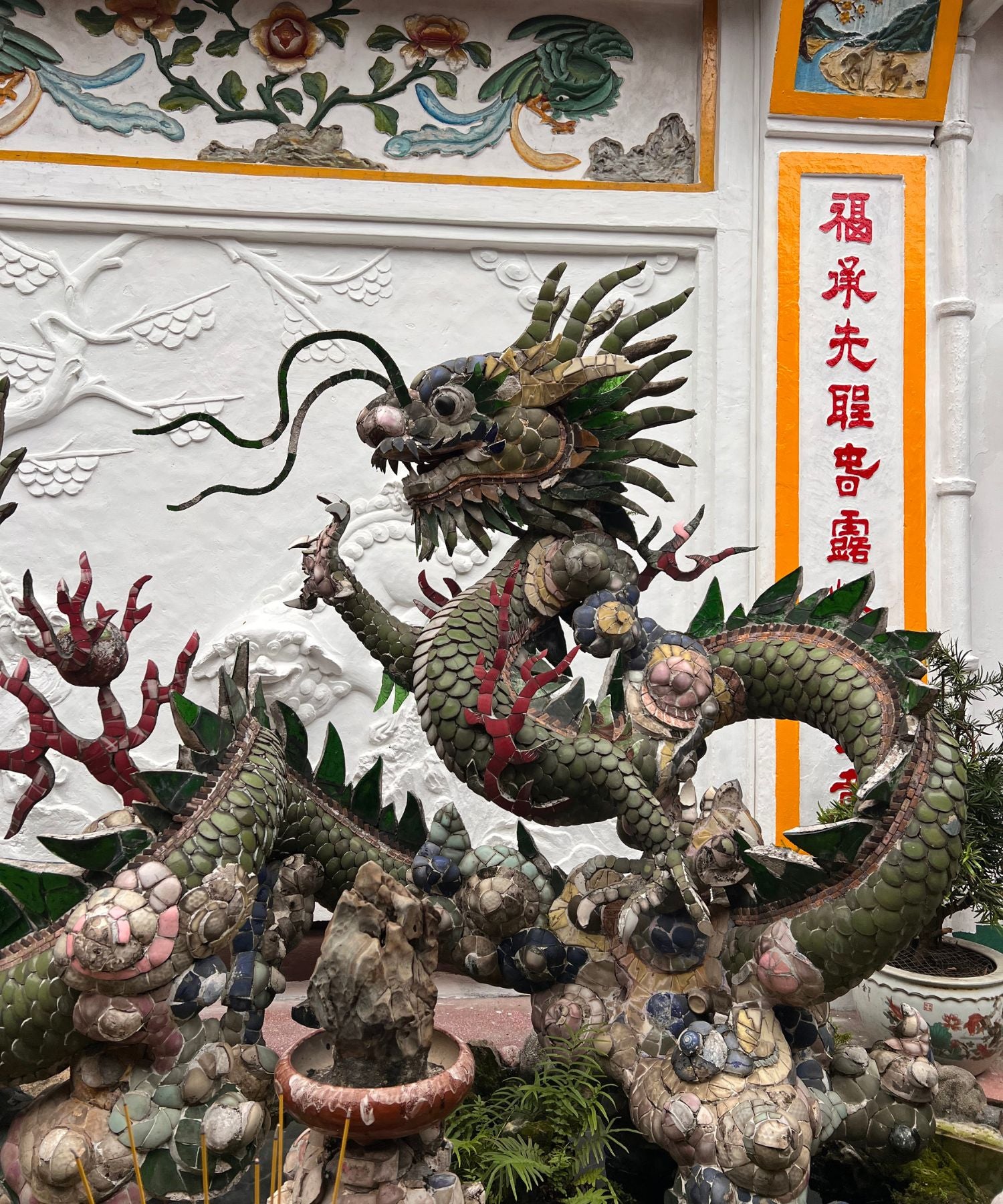
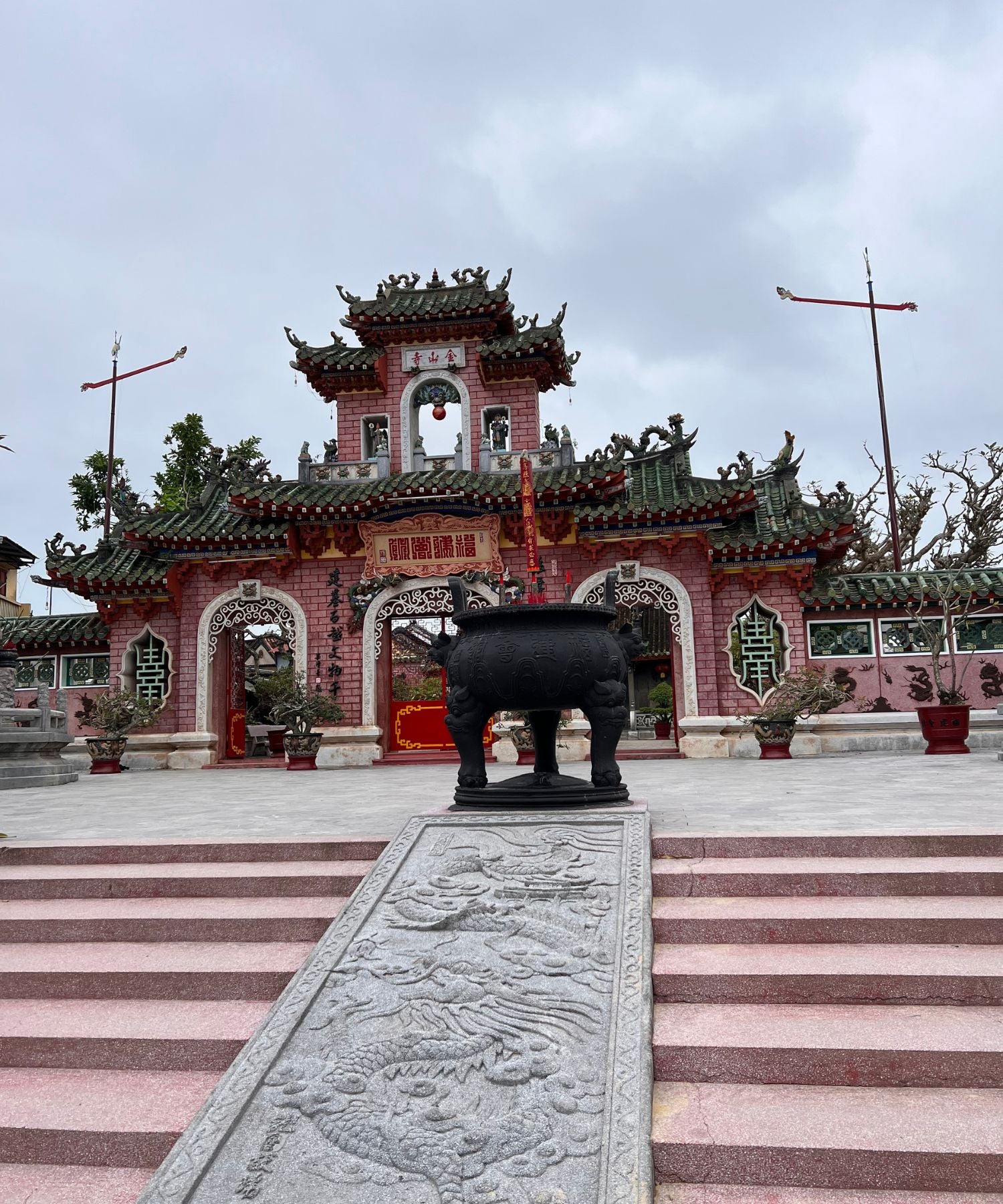
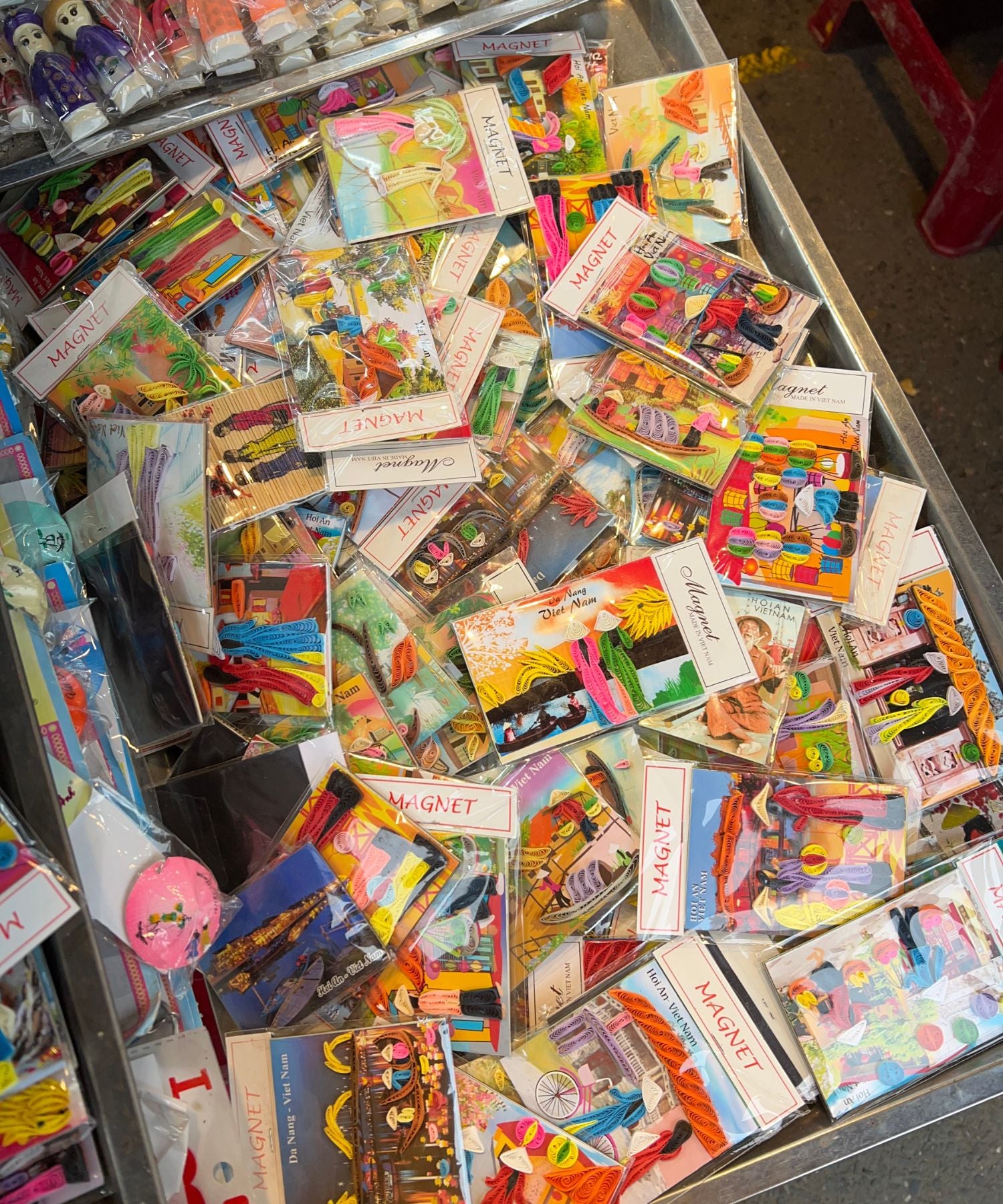
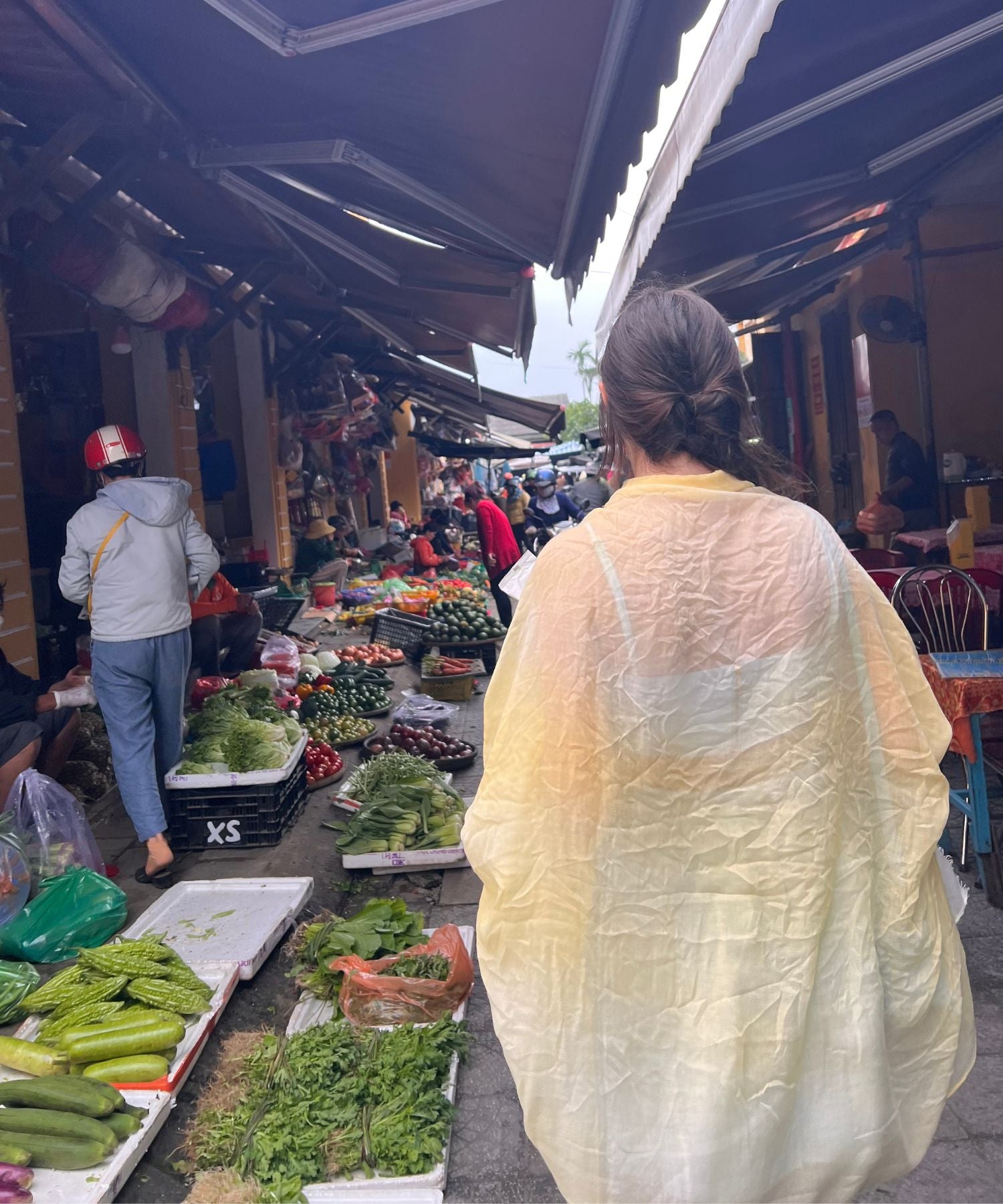
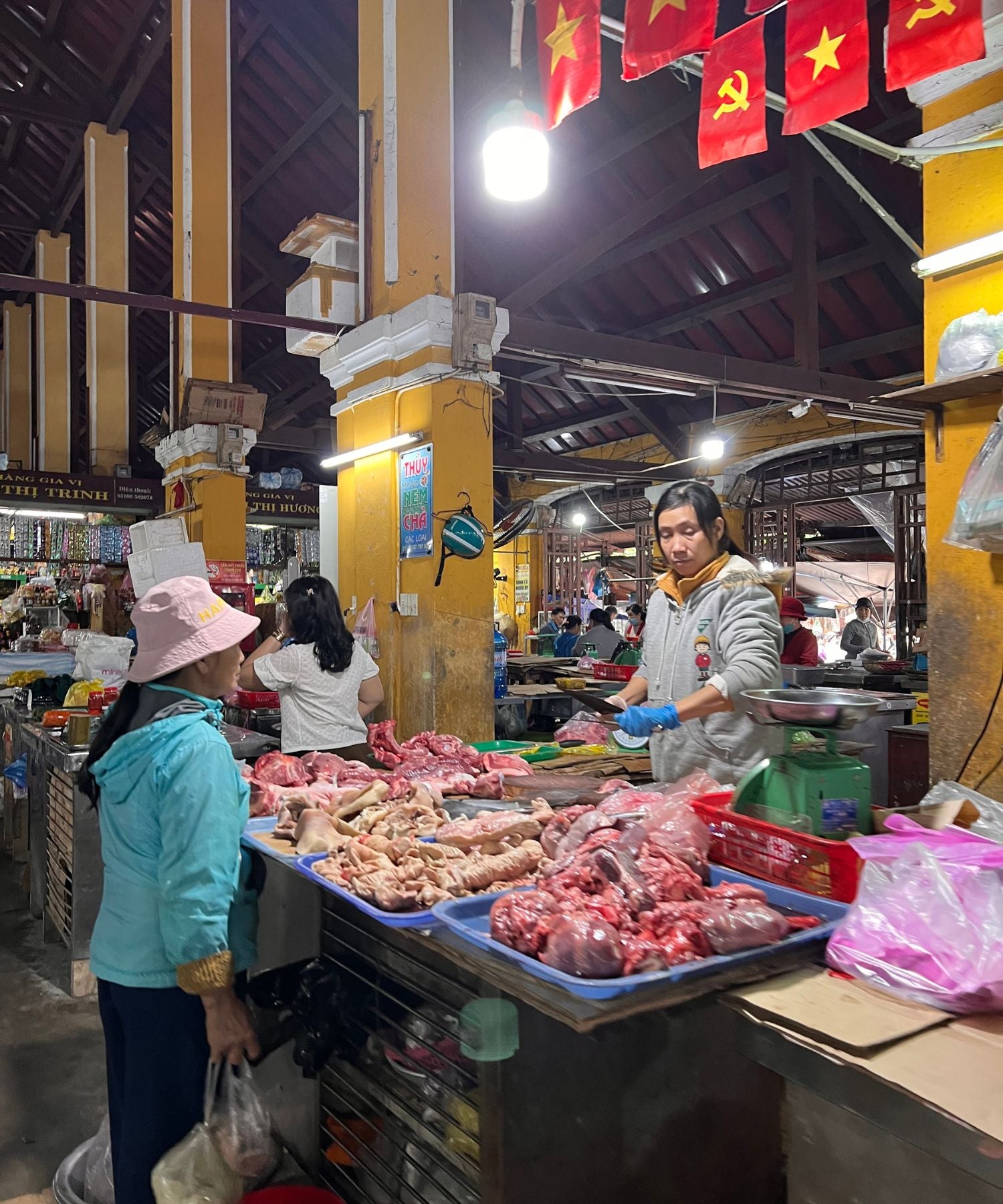
On our first day we walked through its streets, went to the local market and saw all the shops around. We visited the Old House of Tan Ky, the residence of an 18th-century merchant that was preserved for 5 generations and has Chinese and Japanese influences in its architecture. We went on to the old Fujian assembly hall, built in 1690 and where Chinese migrants gathered at the time, it was later transformed into a temple of worship to the deity Thien Hau. From there we went to the covered Japanese bridge, built in the 1590s, which connects the Japanese neighborhood to the Chinese neighborhoods. Next, we went to a cooperative where local artisans produce the famous colorful lanterns and we were able to learn about the process and make our own lantern, honestly I thought it would be cooler, we had a good laugh during production but we didn't love it as an activity, I wouldn't recommend it.
On the original itinerary, it was planned for us to go see the ancient Imperial City of Hue on our second day, but we were extremely tired from the whole trip and with the jet lag still very messed up, we decided to cancel this tour and rest, enjoy the hotel and the city of Hoi An. On our third and last day, it was already planned that we would have the day off too, we ended up having two free days, a shame we didn't have good weather to enjoy the beach and the hotel pools.
To Eat
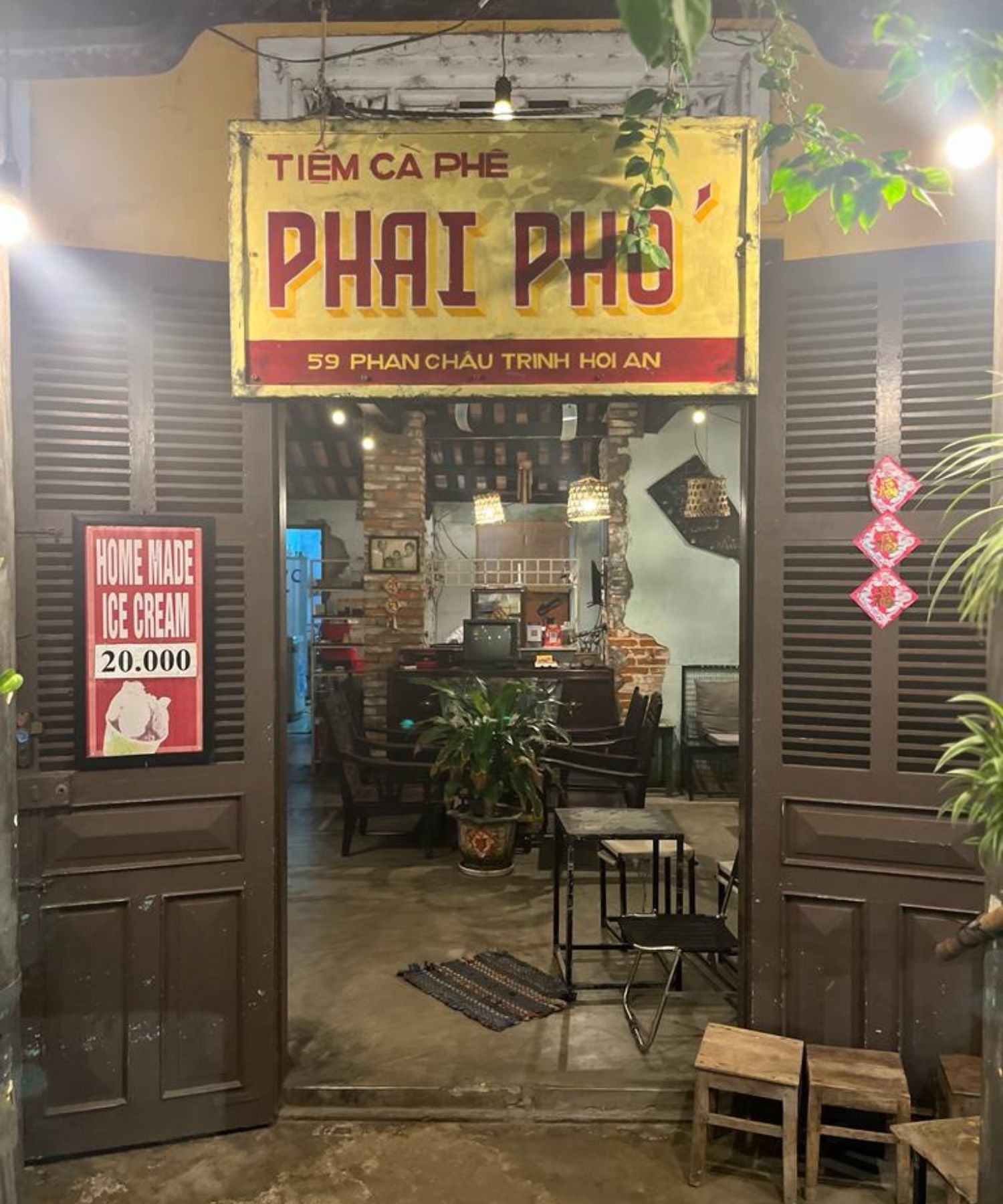
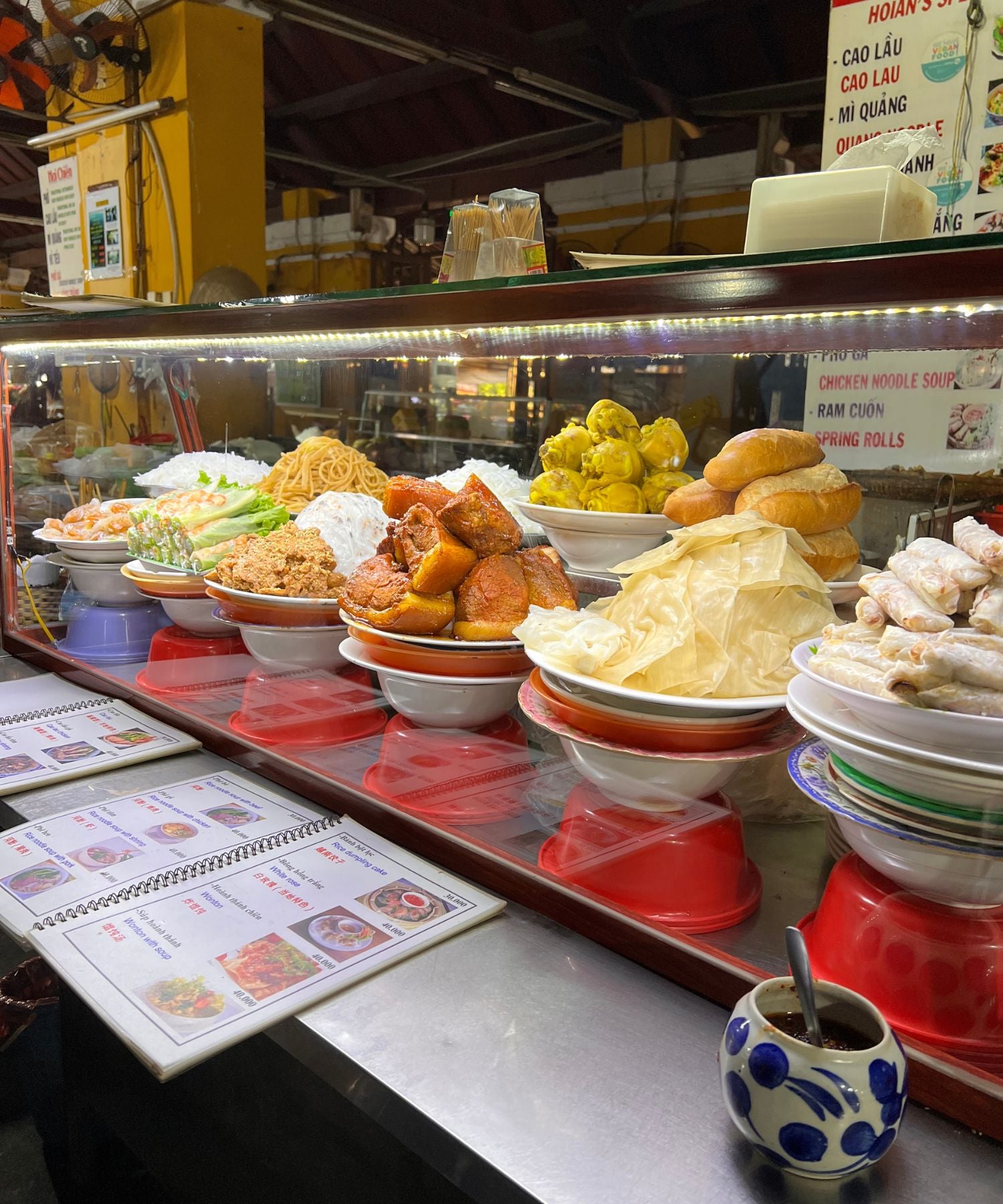
Bars and Restaurants
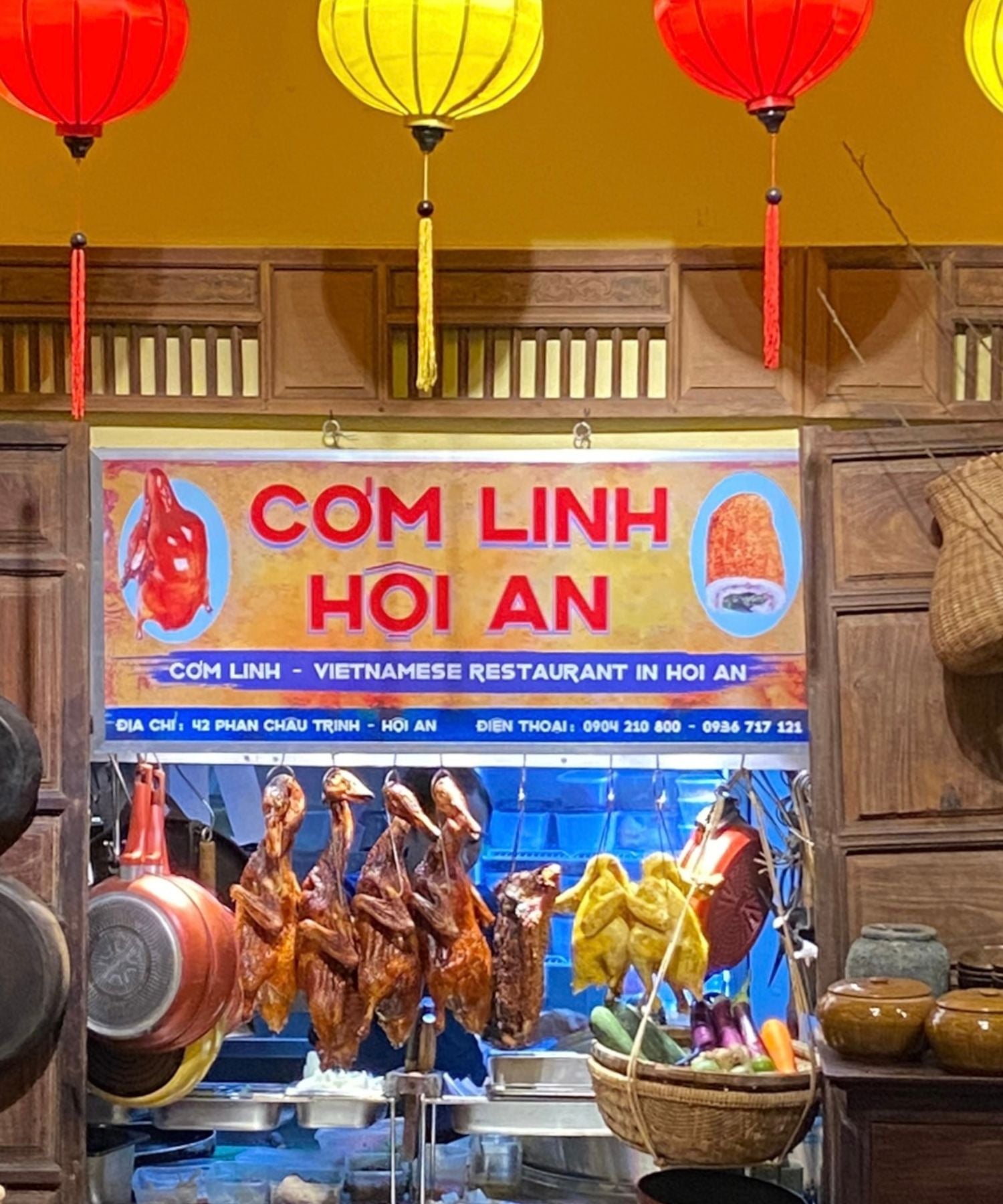
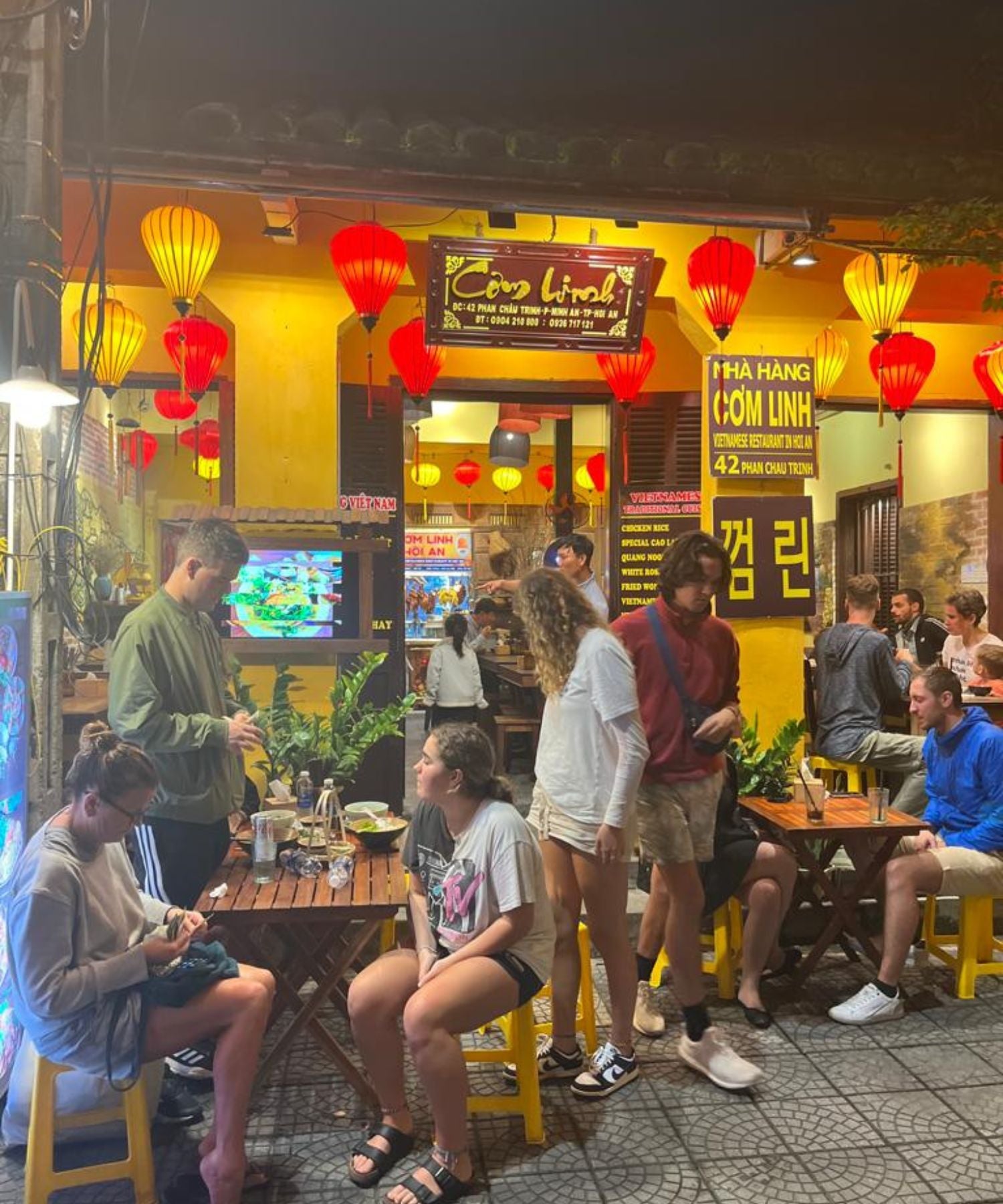
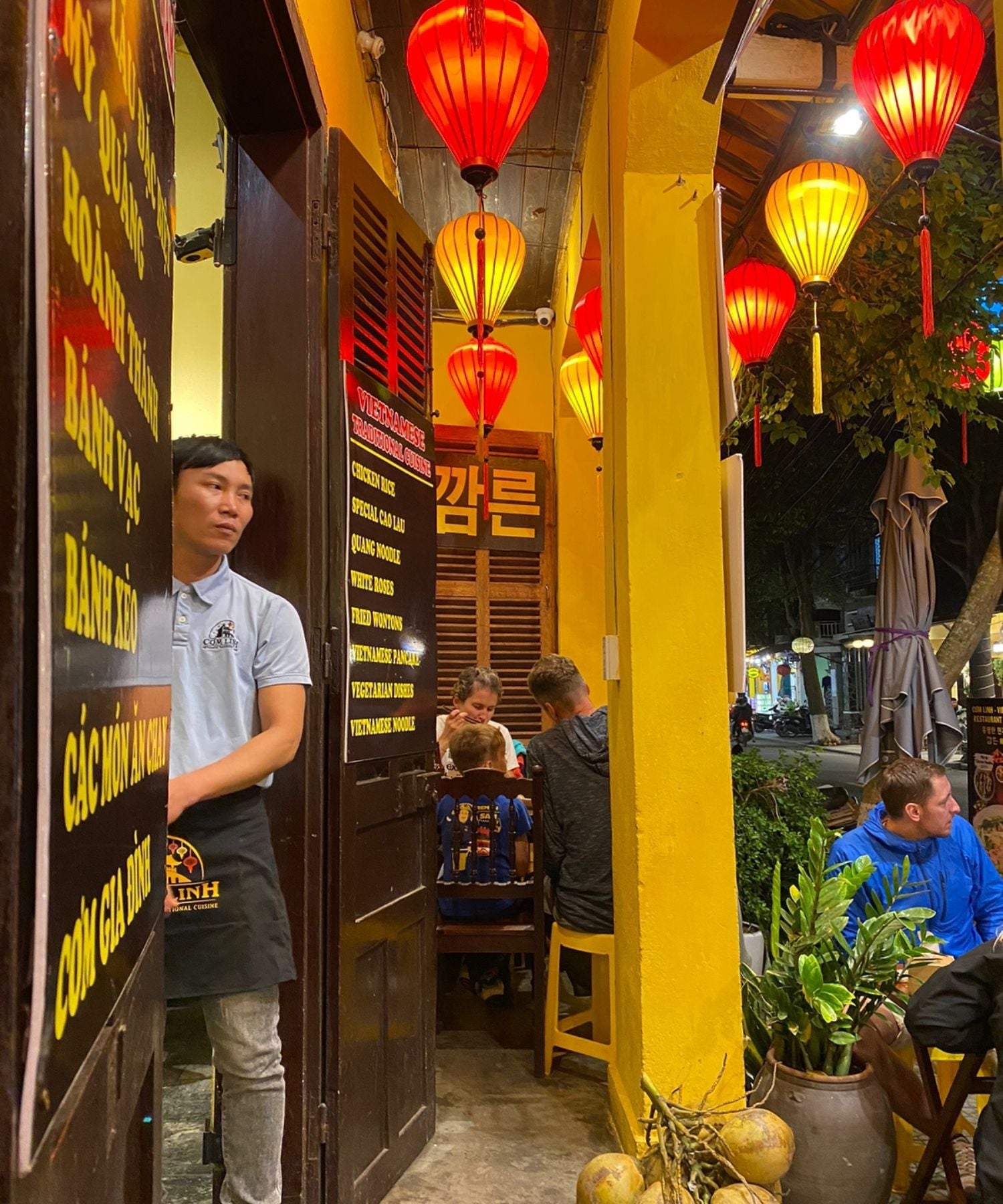
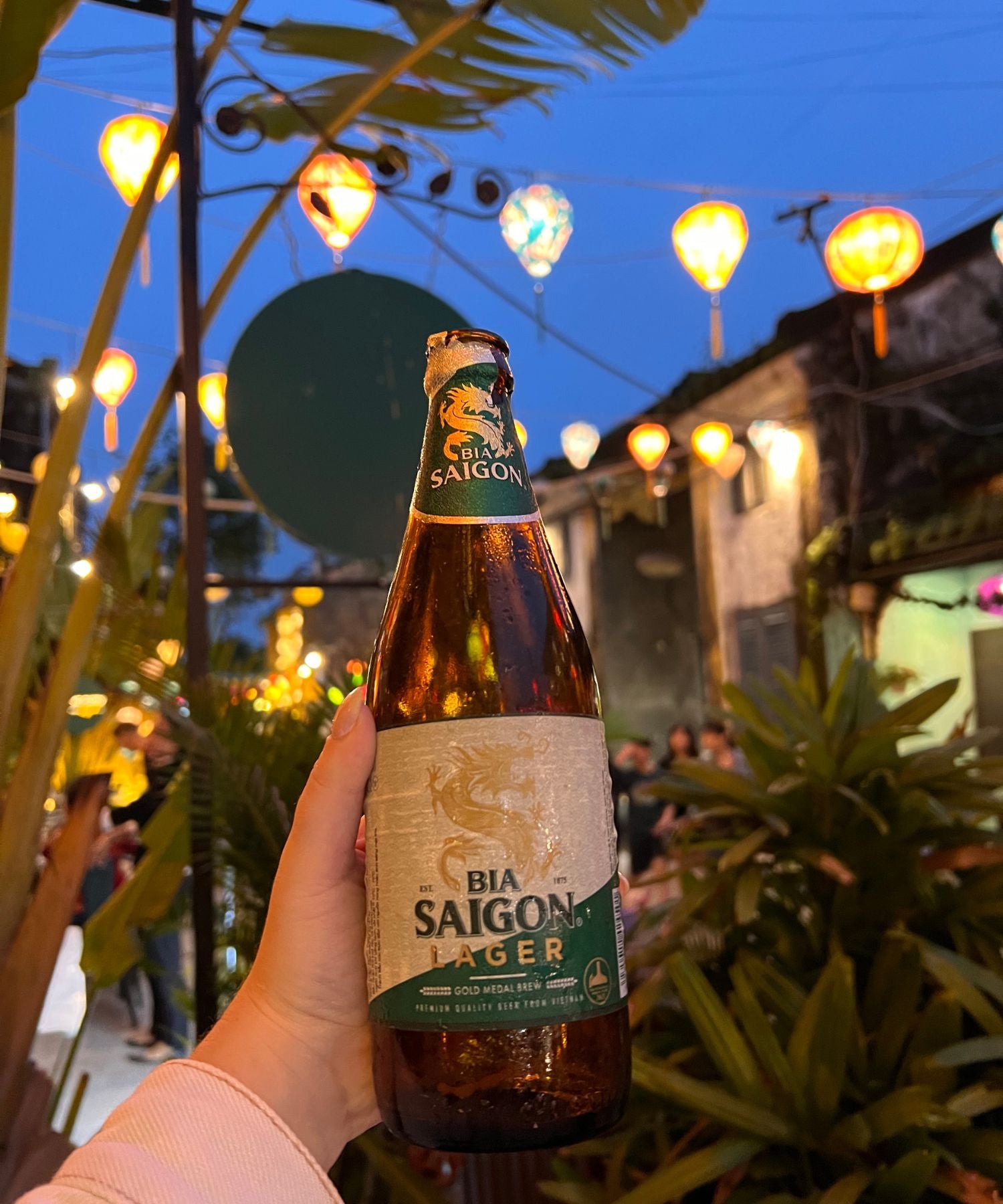
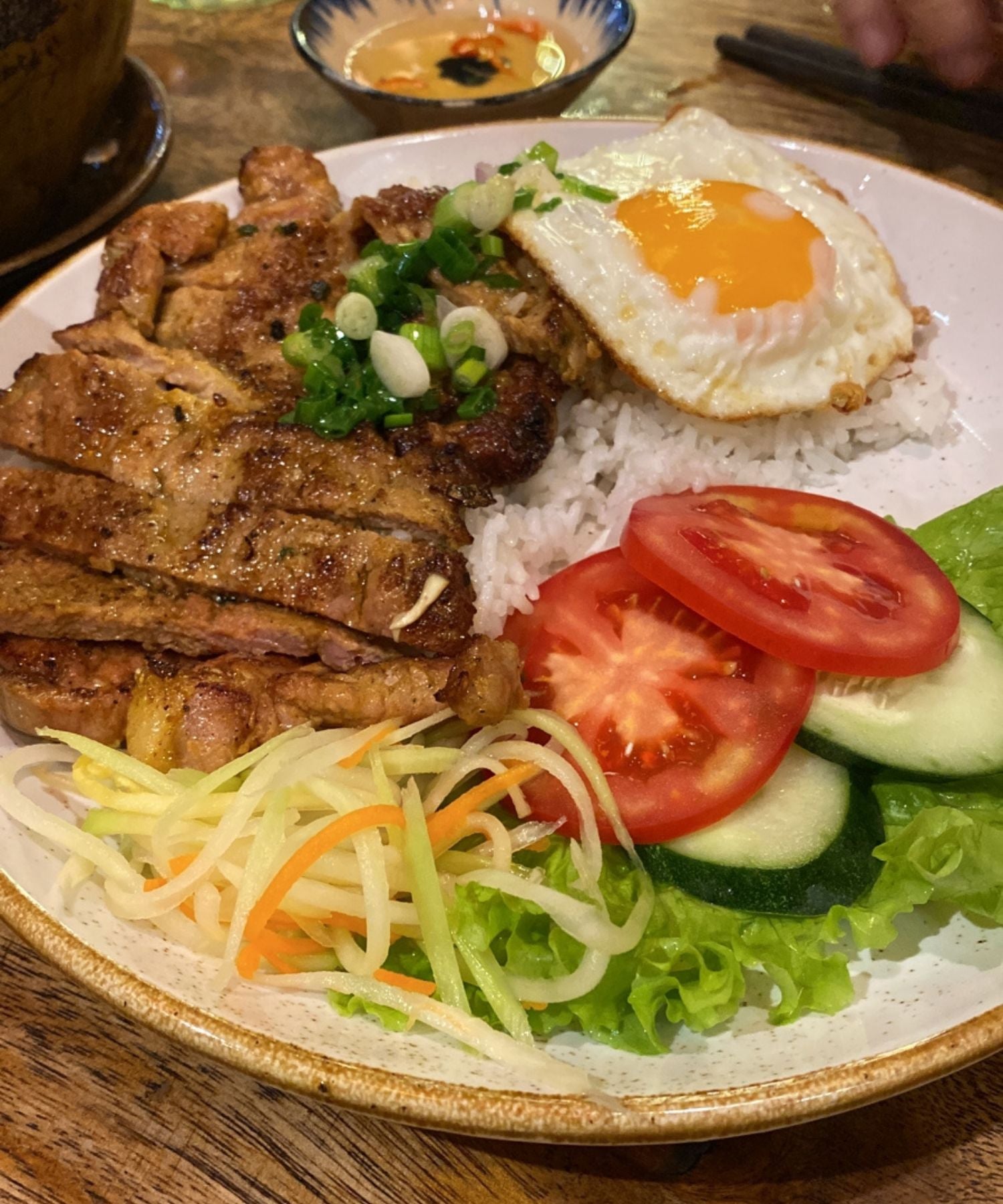
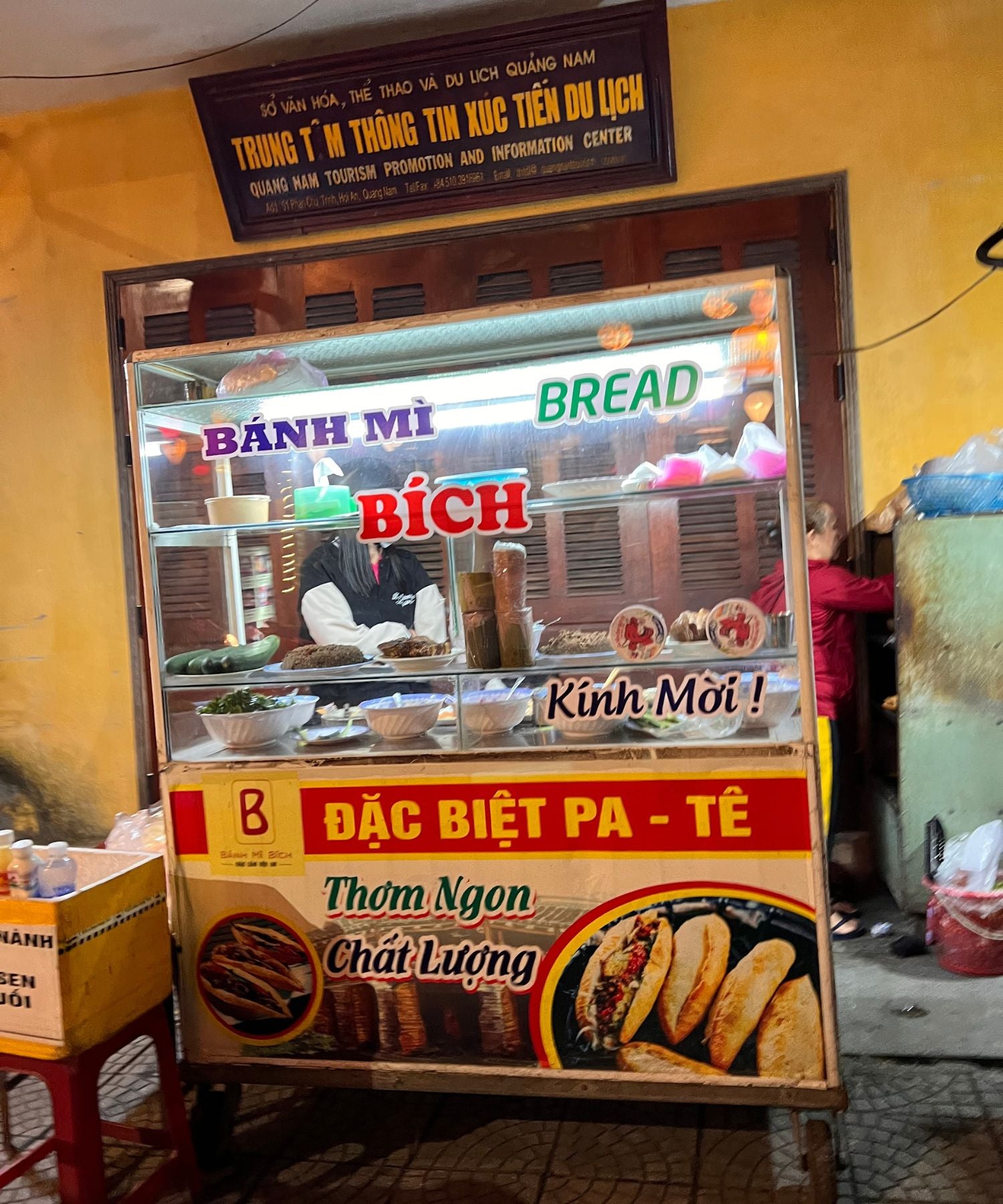
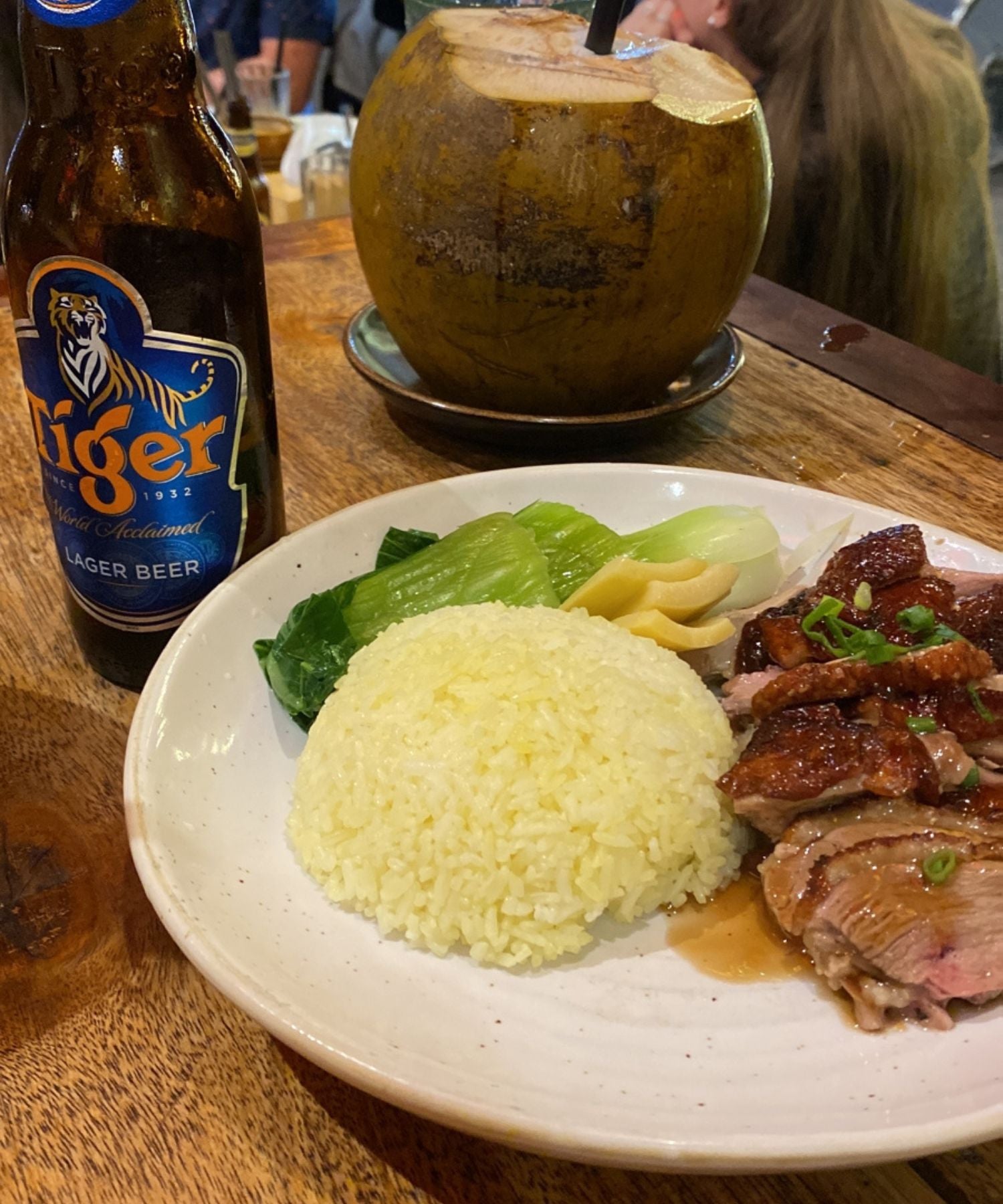
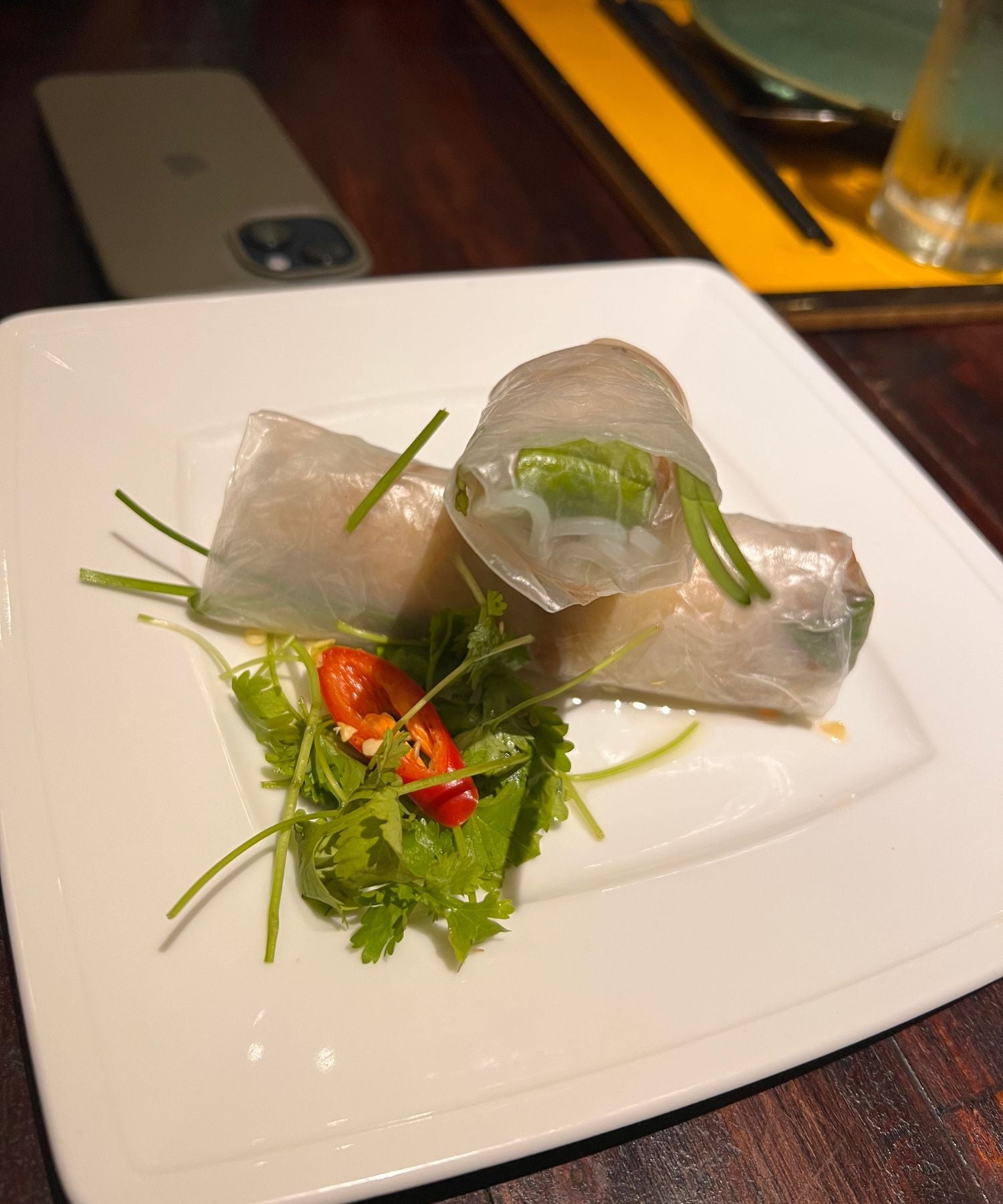
- Com Linh: Hoi An delicacies and authentic Vietnamese dishes in a simple, traditional setting. Here you can enjoy some of the most extraordinary Vietnamese cuisine at a reasonable price.
- Cardi Pizzeria: For those looking for a break from Vietnamese cuisine, this is considered one of the best pizzerias in town.
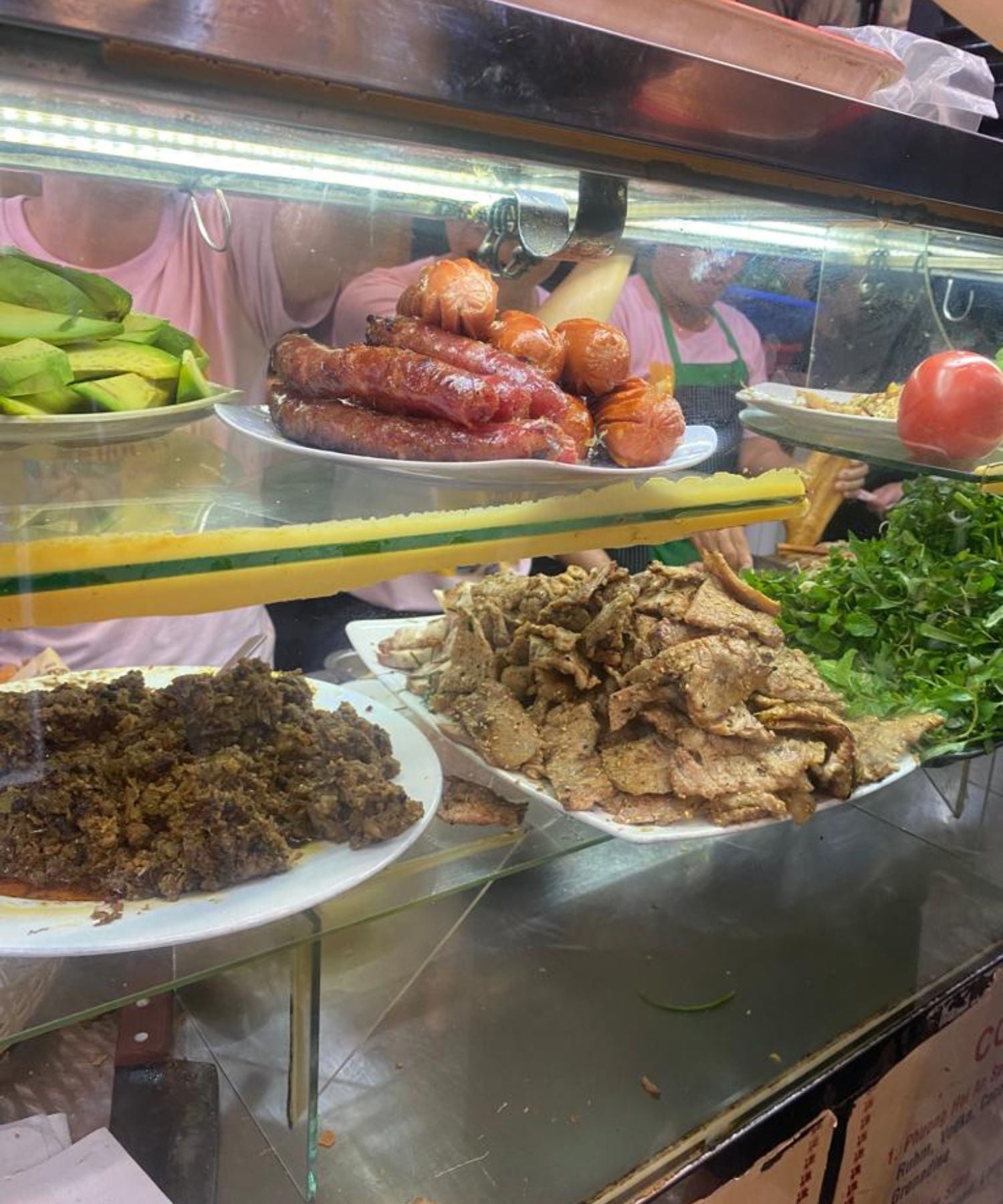
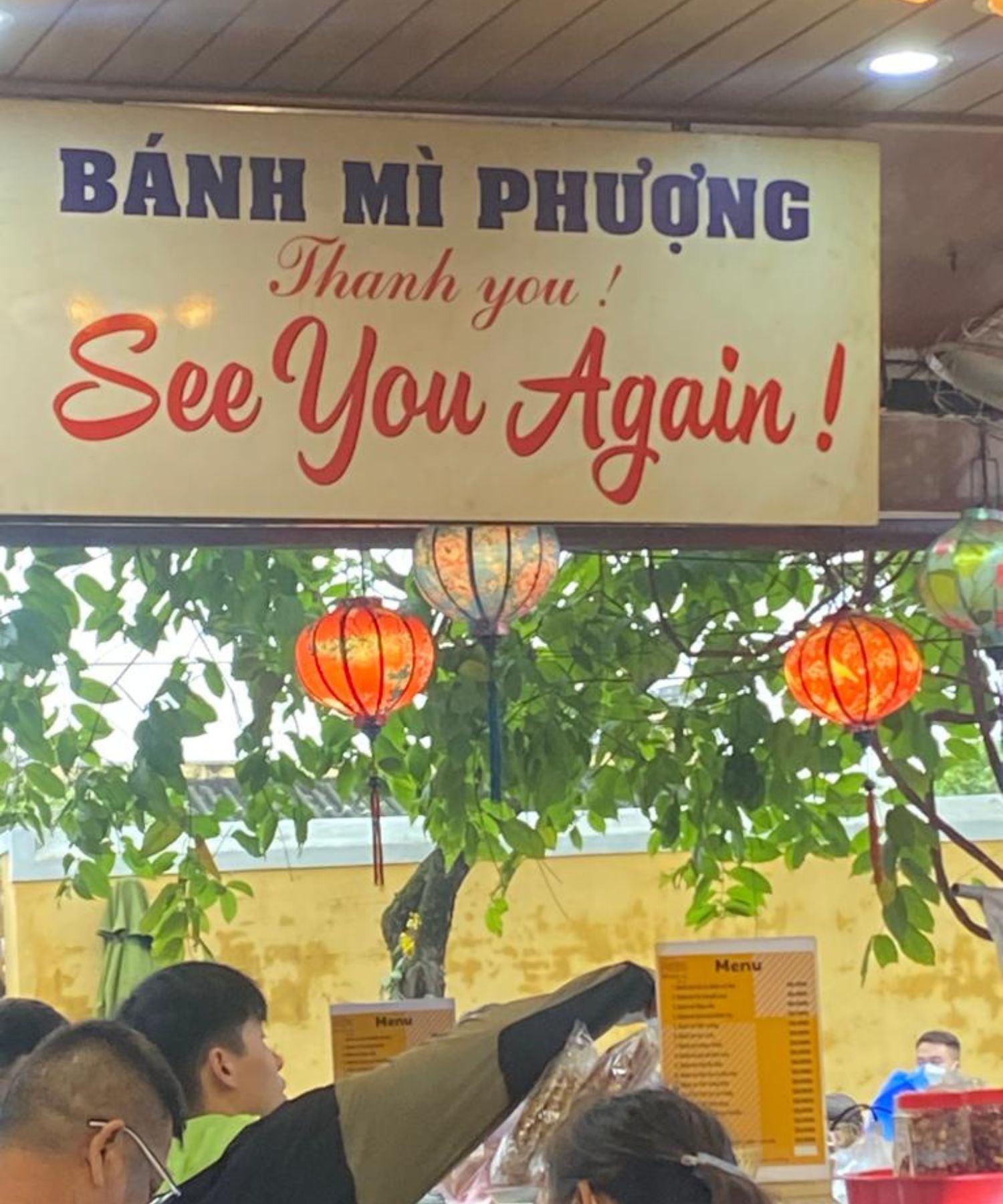
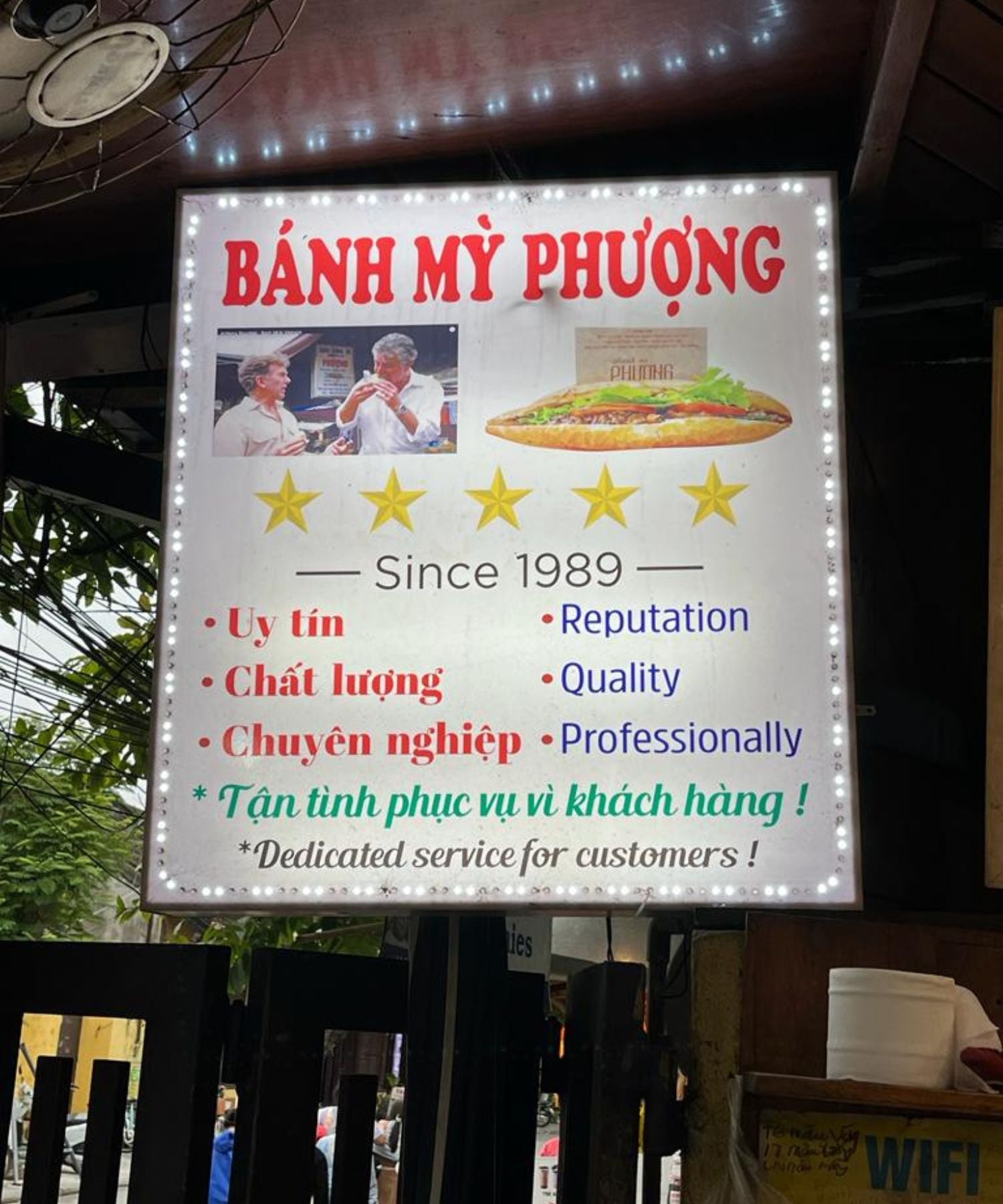
- Bahn Mi Phuong: According to Anthony Bourdain, this is "the best Banh Mi in the world"—and according to my father and uncle, too.
- Cargo Club: A café/restaurant with Vietnamese and Western menus, located by the river—request a table on the upper terrace to enjoy the view.
- The Hill Station: Located in a charming old building, this is the place to go if you're craving European dishes and/or a great cup of coffee.
- Miss Ly Cafeteria: Delicious Vietnamese food and some Western favorites, with Ms. Ly herself welcoming guests and overseeing the restaurant.
- White Rose: White Rose dumplings, or Banh Bao-Banh Vac, are a Hoi An specialty that cannot be found anywhere else.
- Morning Glory Signature: On the second floor of Vy's Market restaurant, Ms. Vy pays tribute to the cuisine of central Vietnam with a contemporary twist. Morning Glory reinterprets classic recipes for modern palates.
To Buy
Shopping
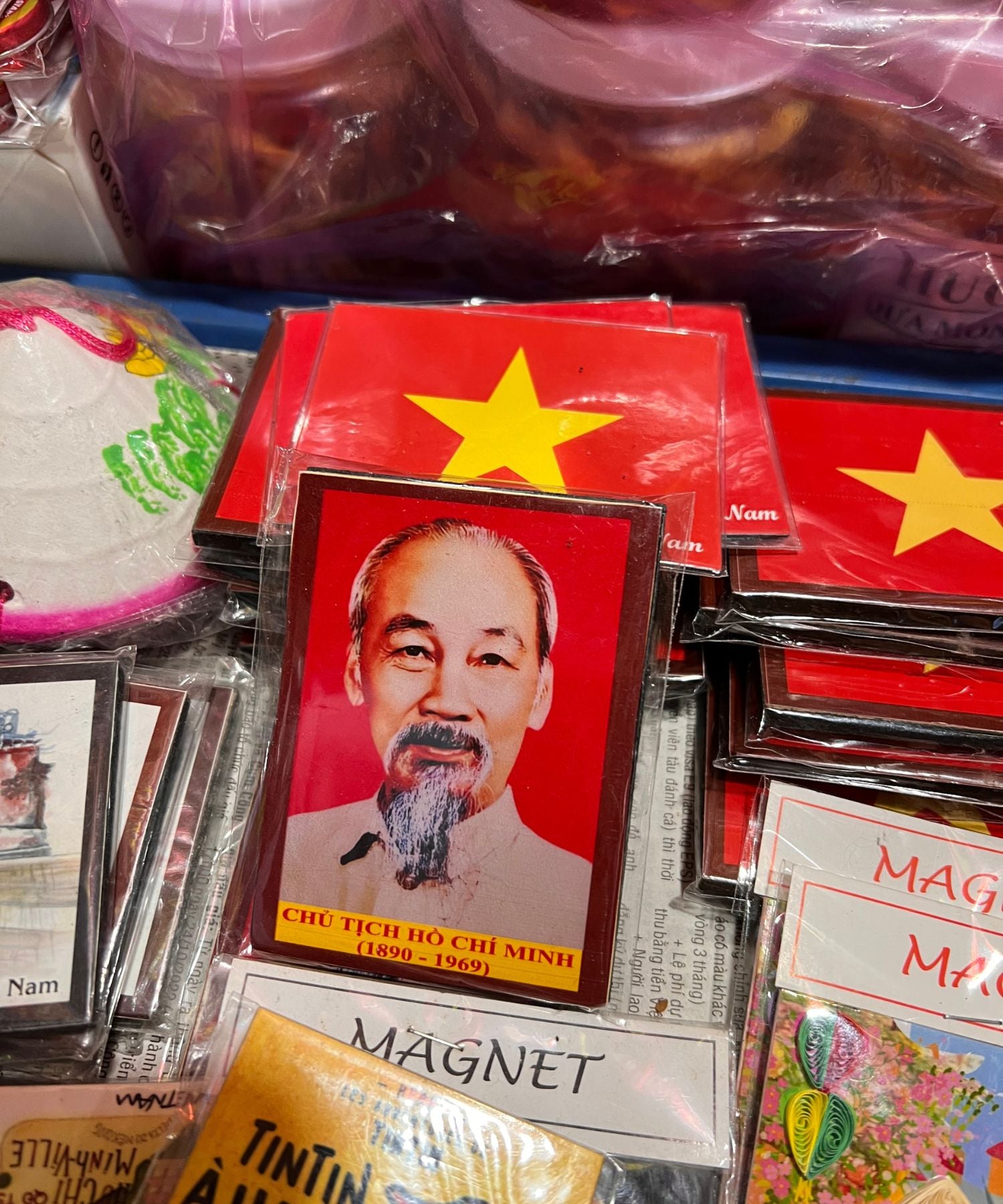
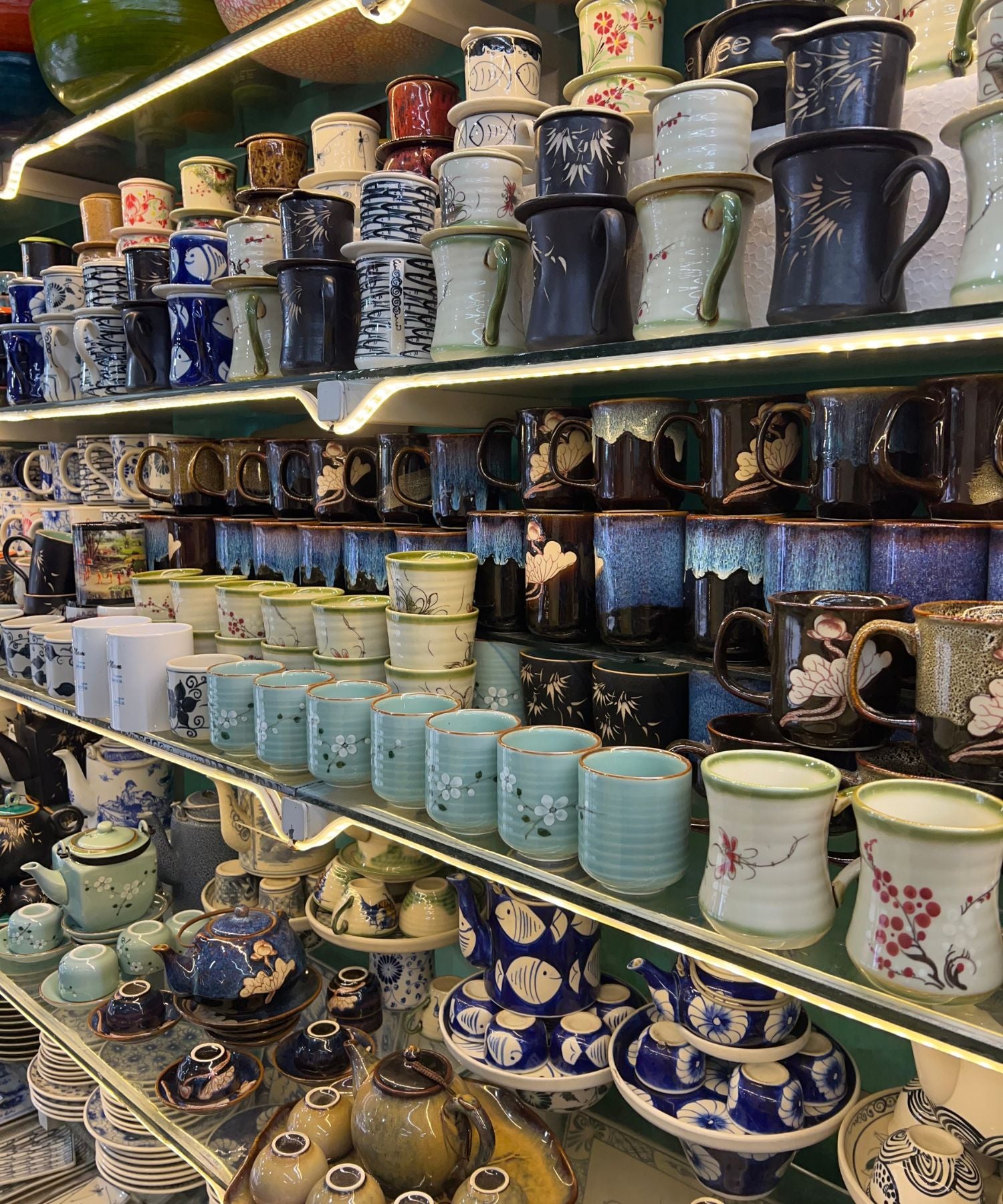
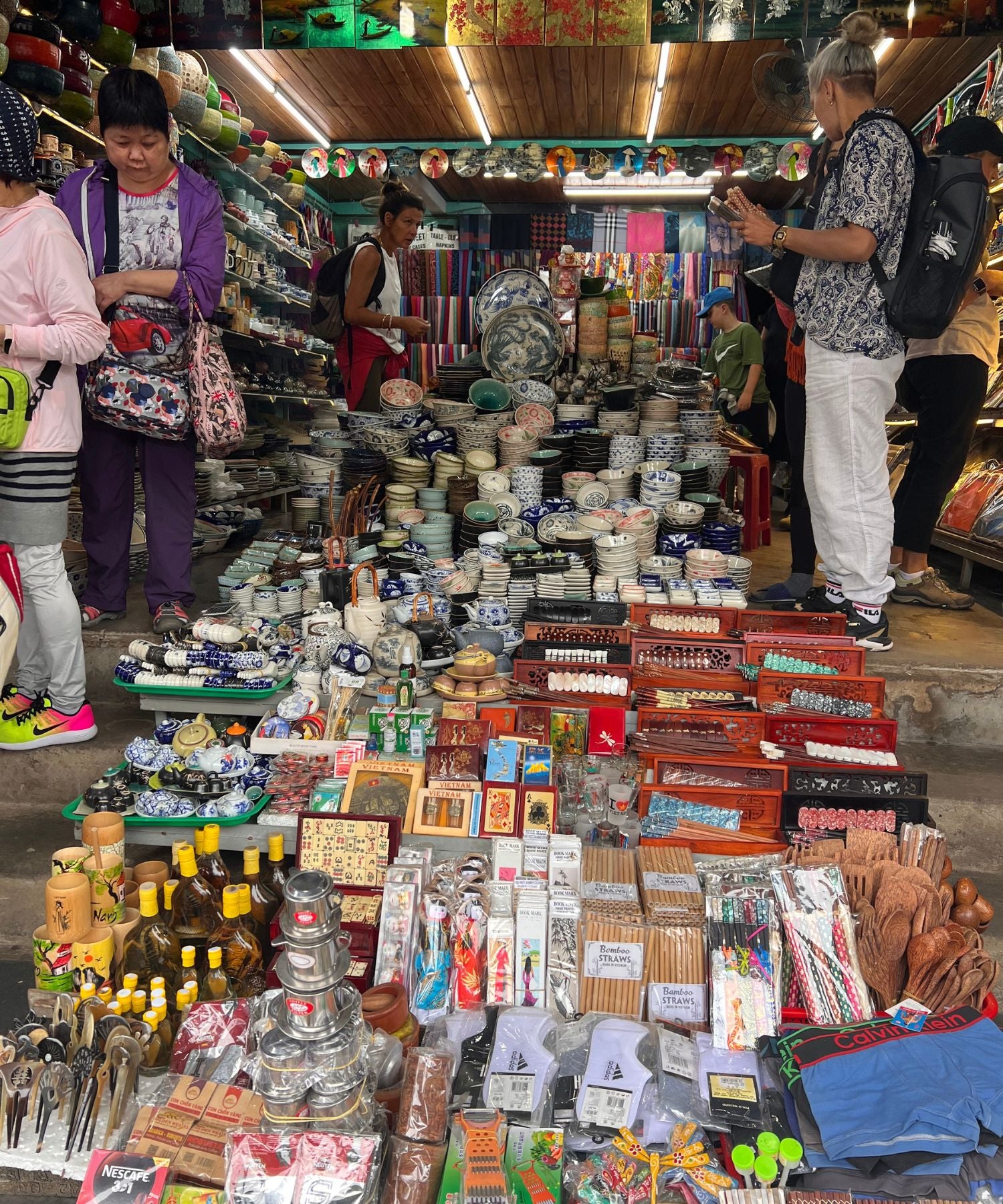
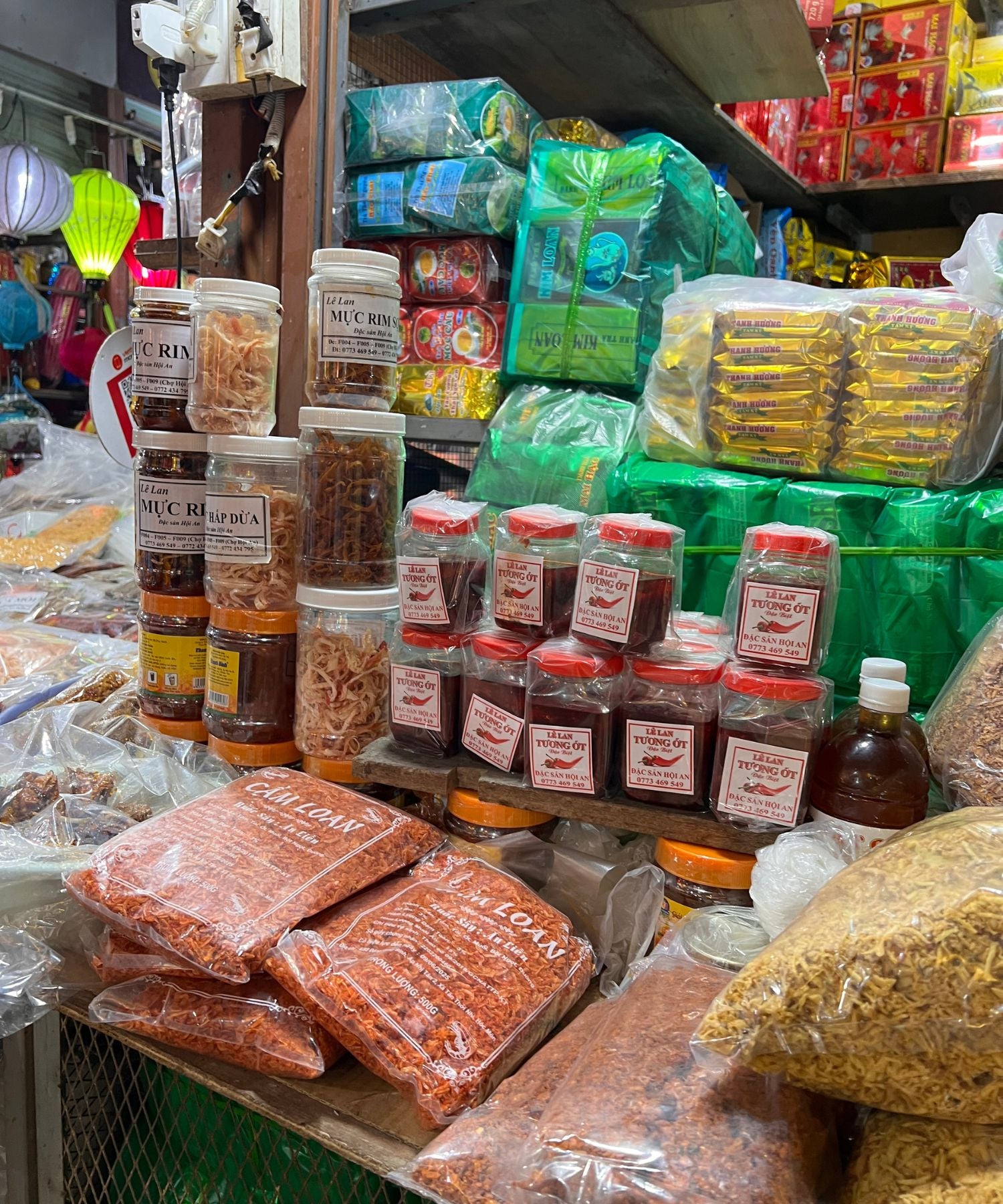
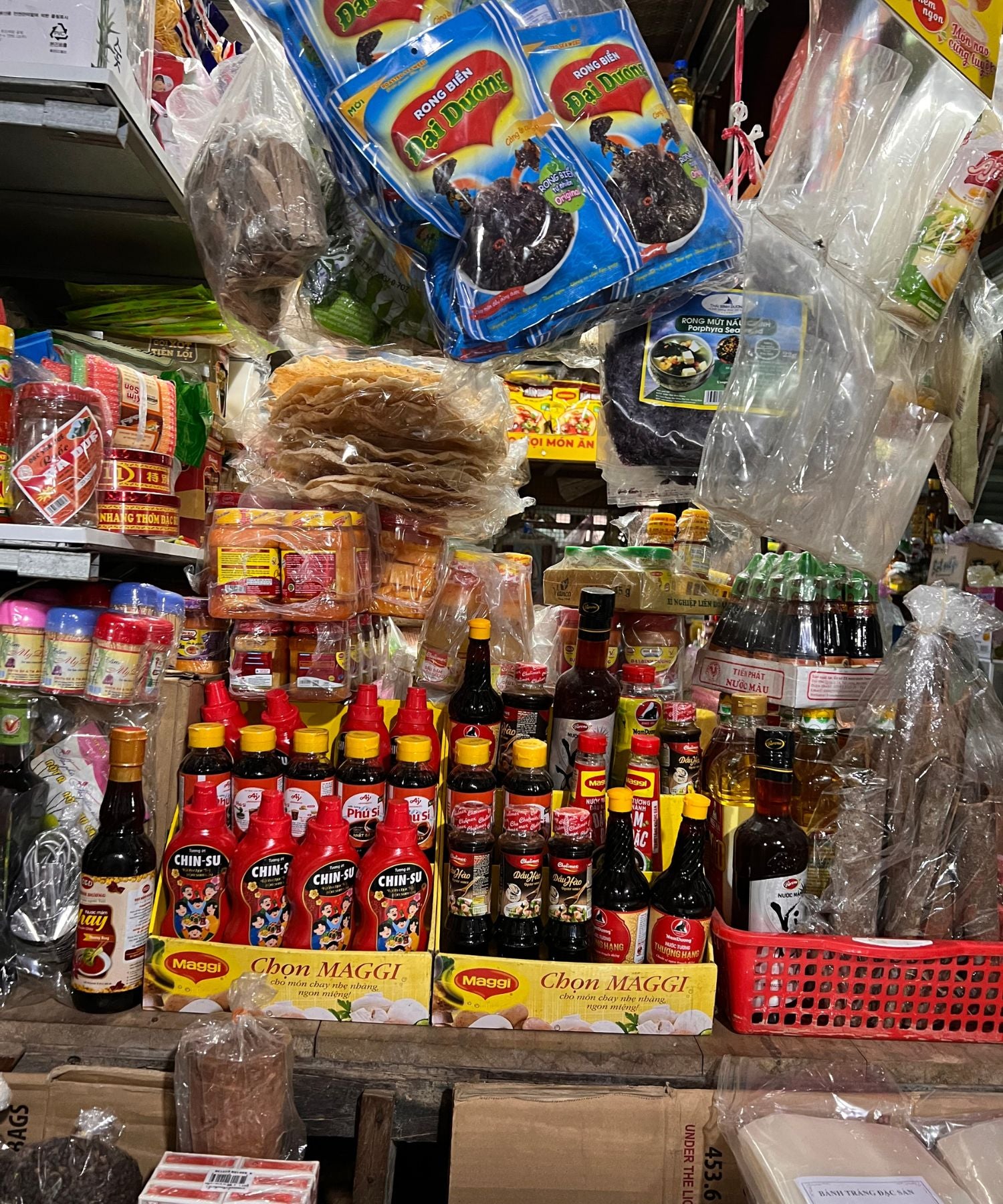
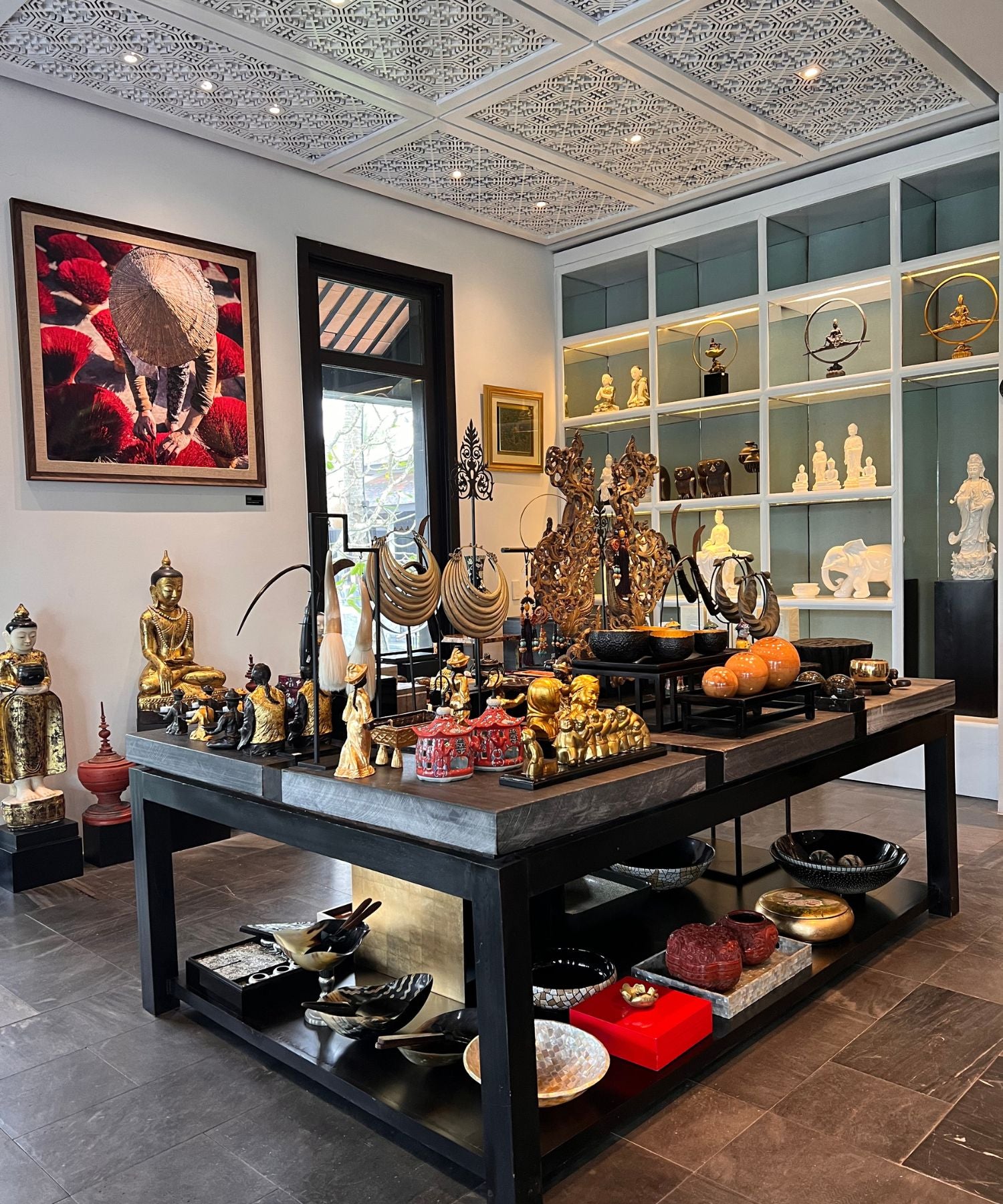
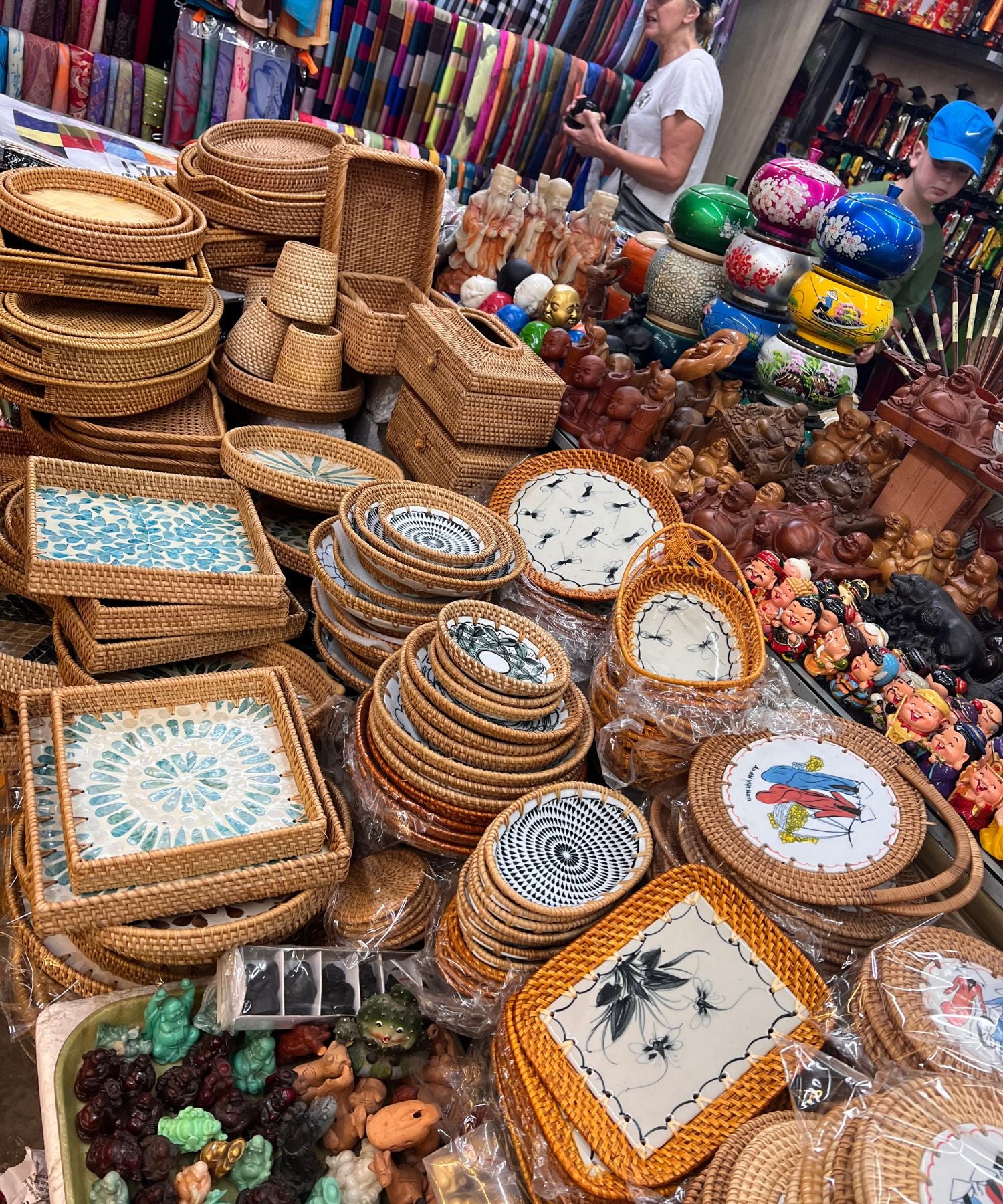
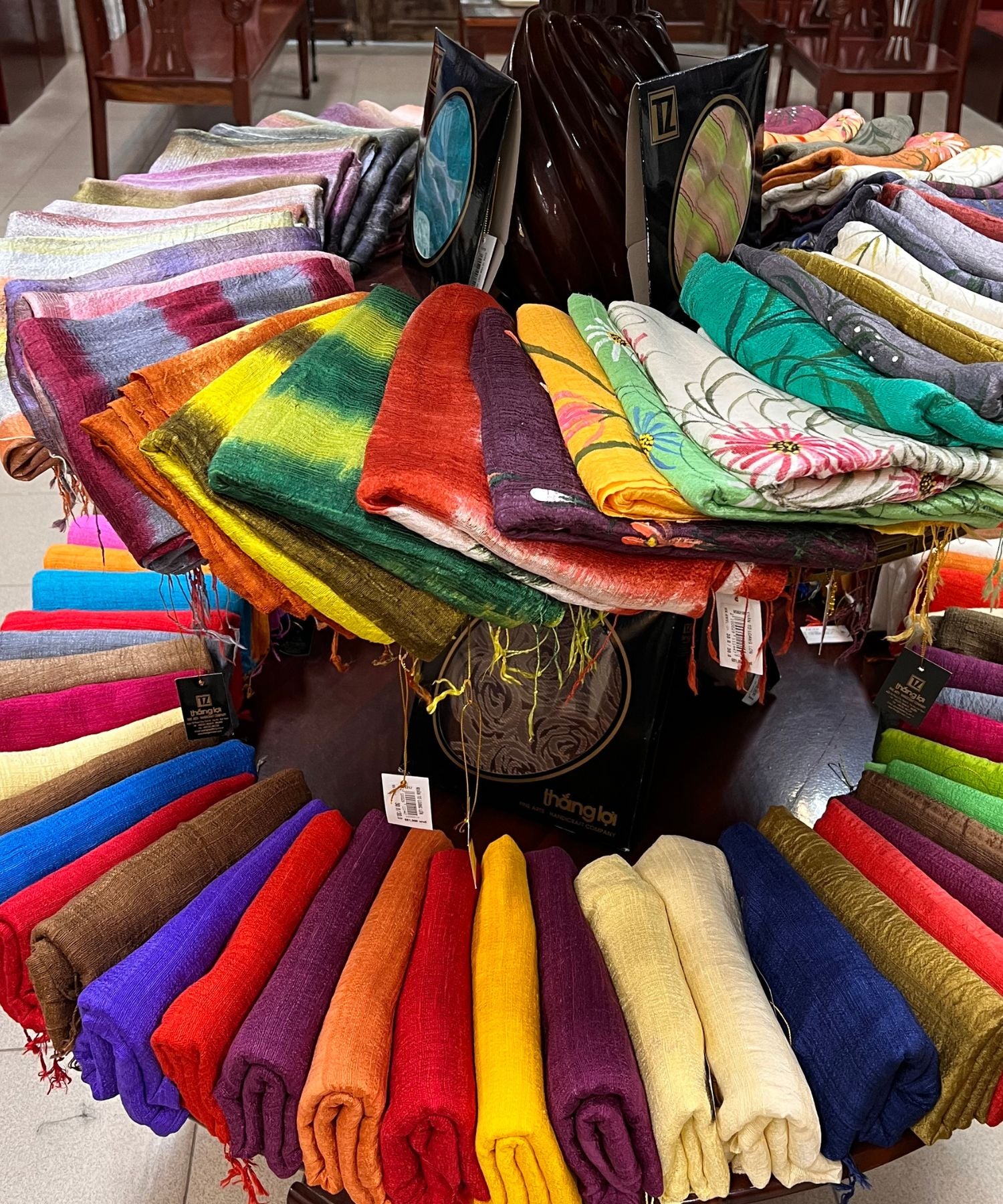
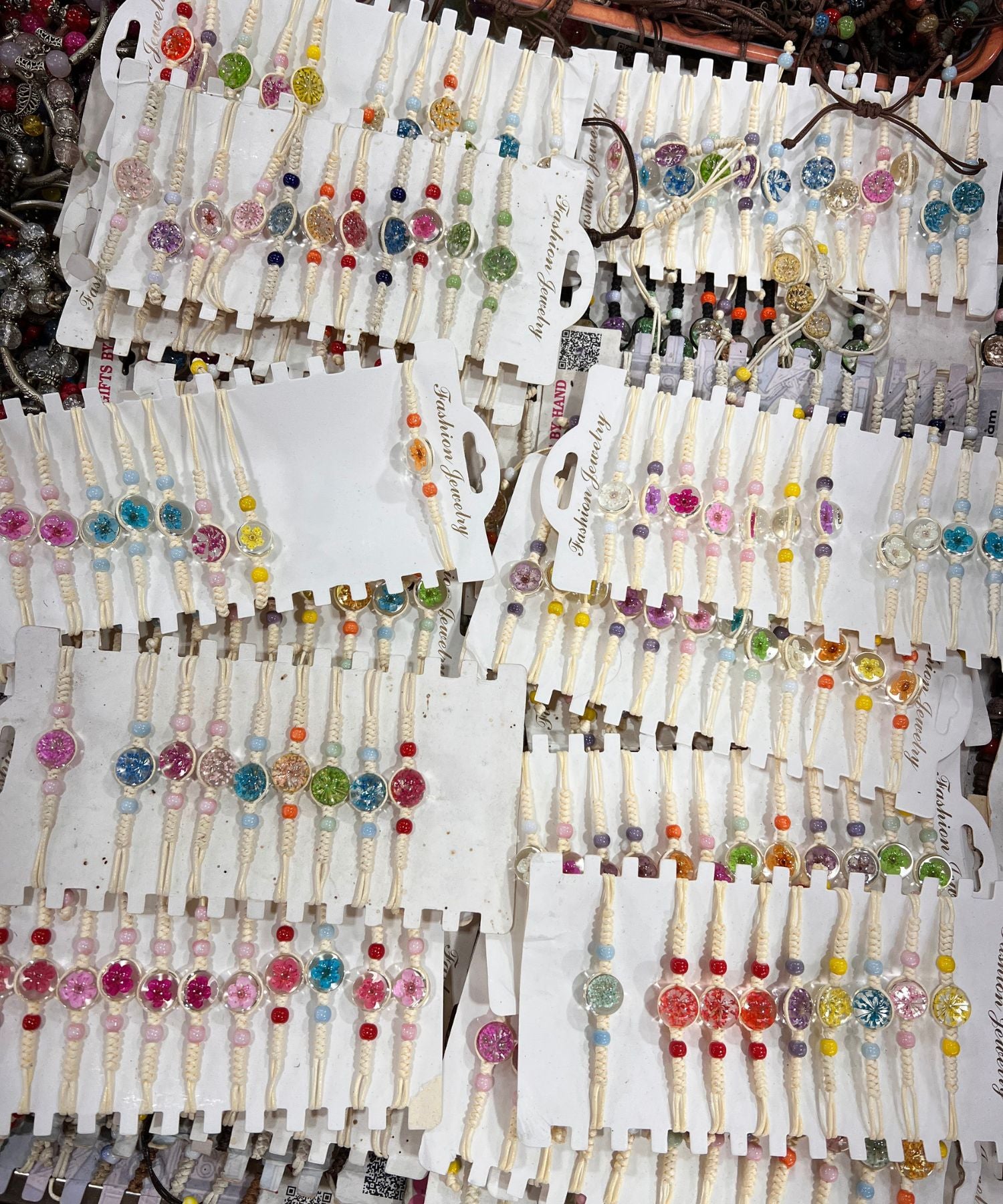
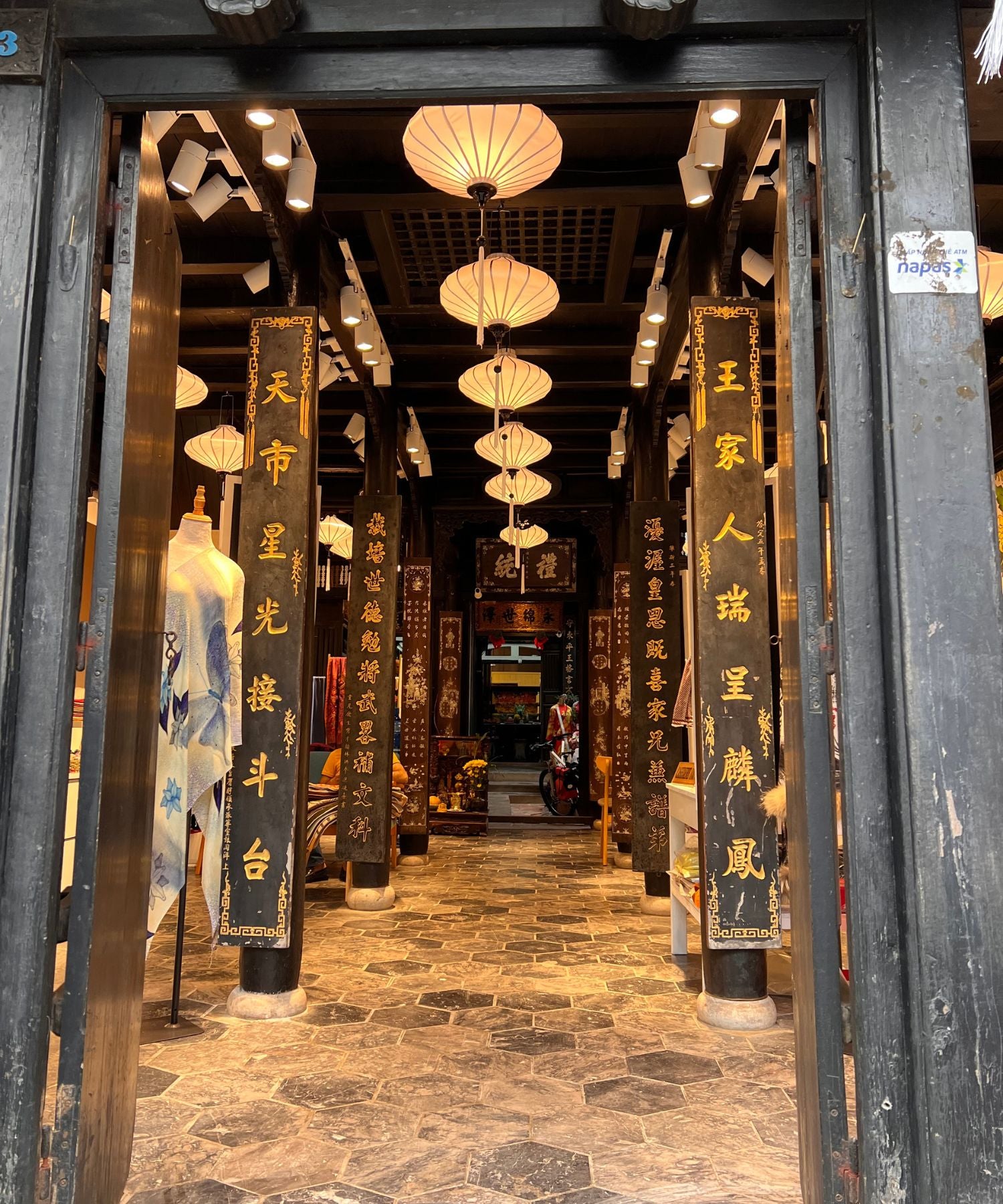
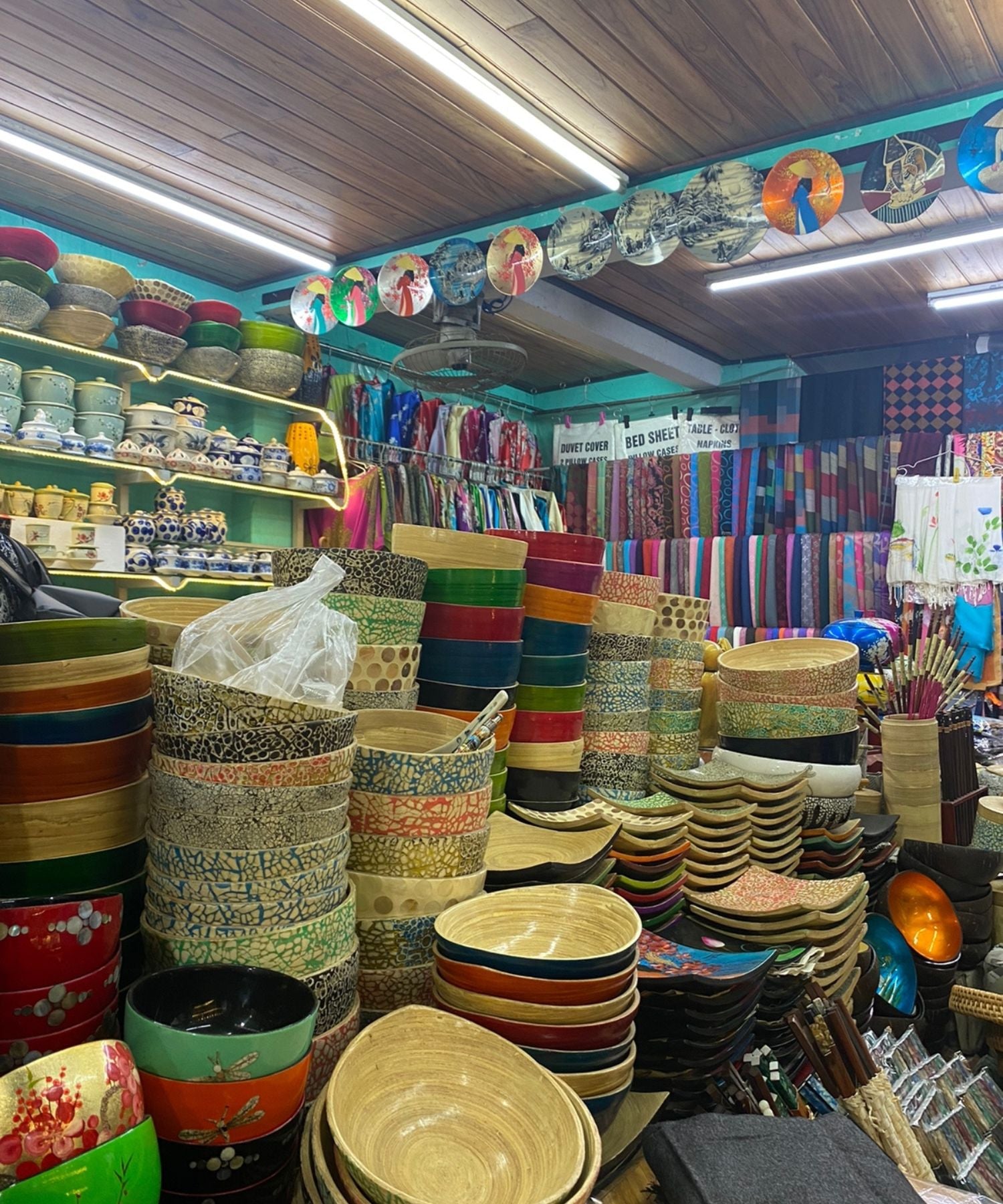
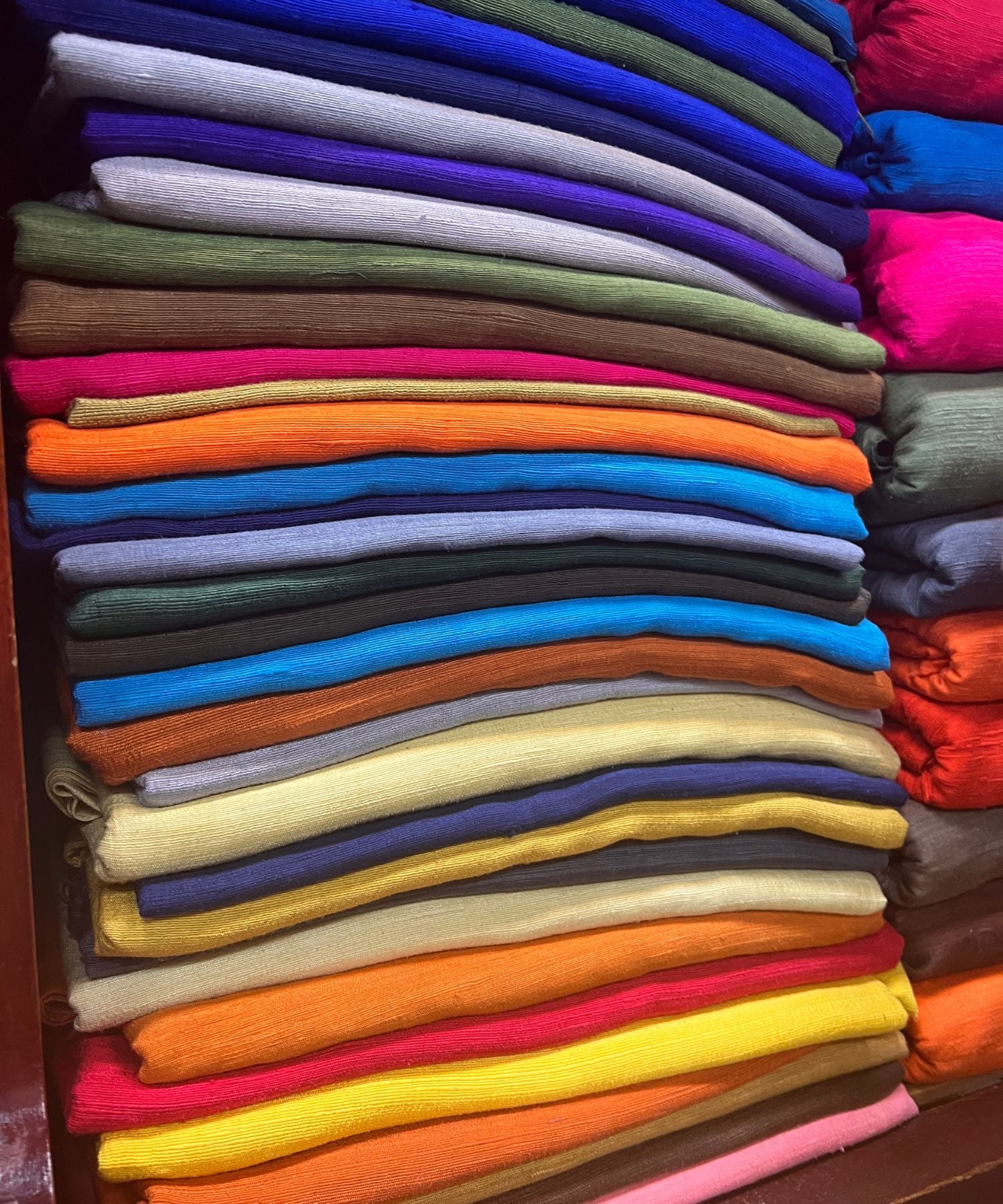
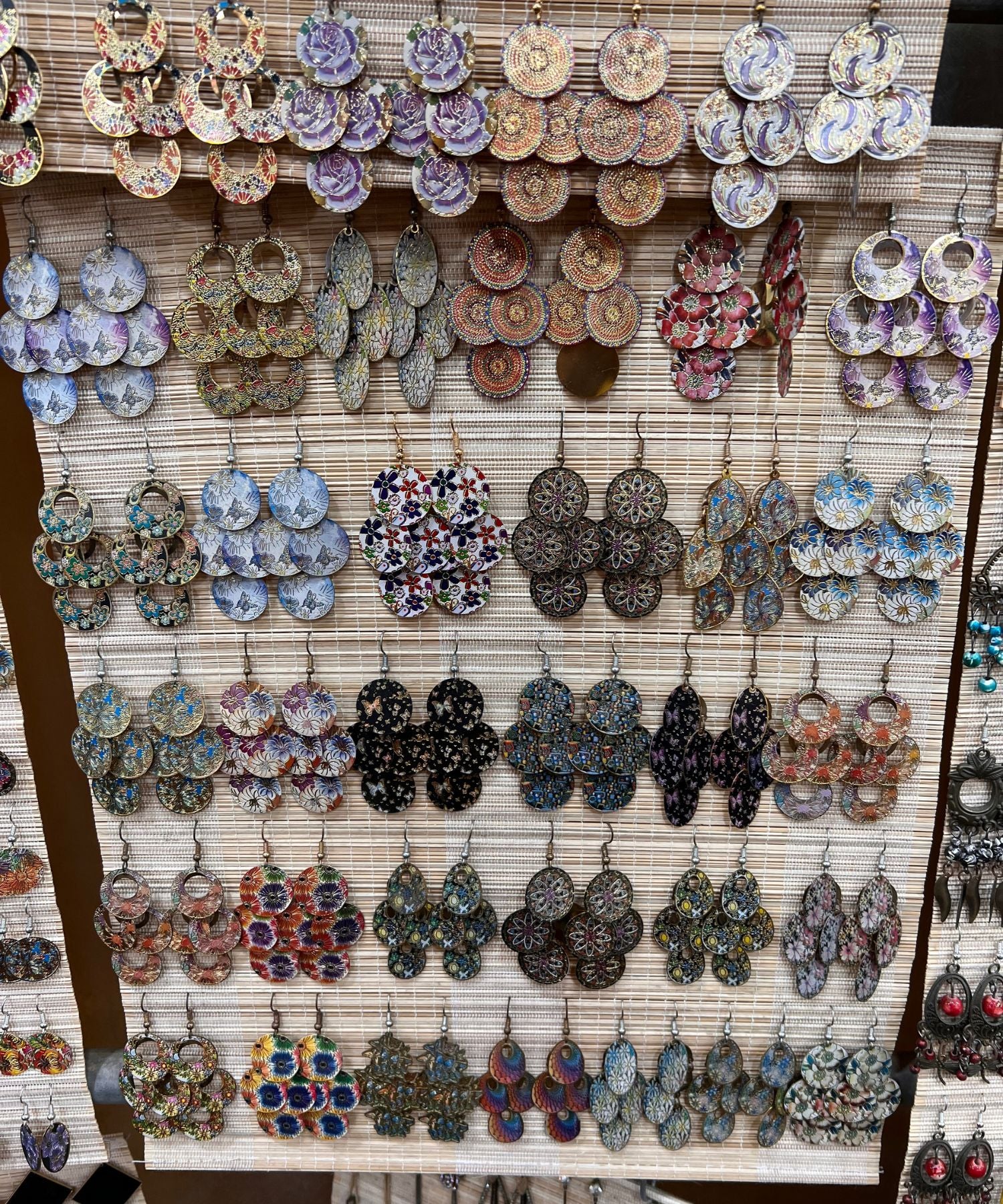
There are many cool little shops in the center of Hoi An, especially the shops with pure silk products and other shops with home items, some others with costume jewelry and local trinkets where you can find some good bargains. We did very little shopping on this trip, but I will leave below some recommendations given by our hotel concierge.
- Bebe Tailor
- Metiseko
- Oche Boutique
- Lilo Leather
- Long Vy Lantern
- SUNDAY in Hoi An
2nd destination
Hanoi
We flew from Da Nang to Hanoi on a flight of approximately 01:20 hrs. The city, which is the capital of Vietnam, was also the capital of French Indochina between 1902 and 1957 and the capital of North Vietnam during the Vietnam War.
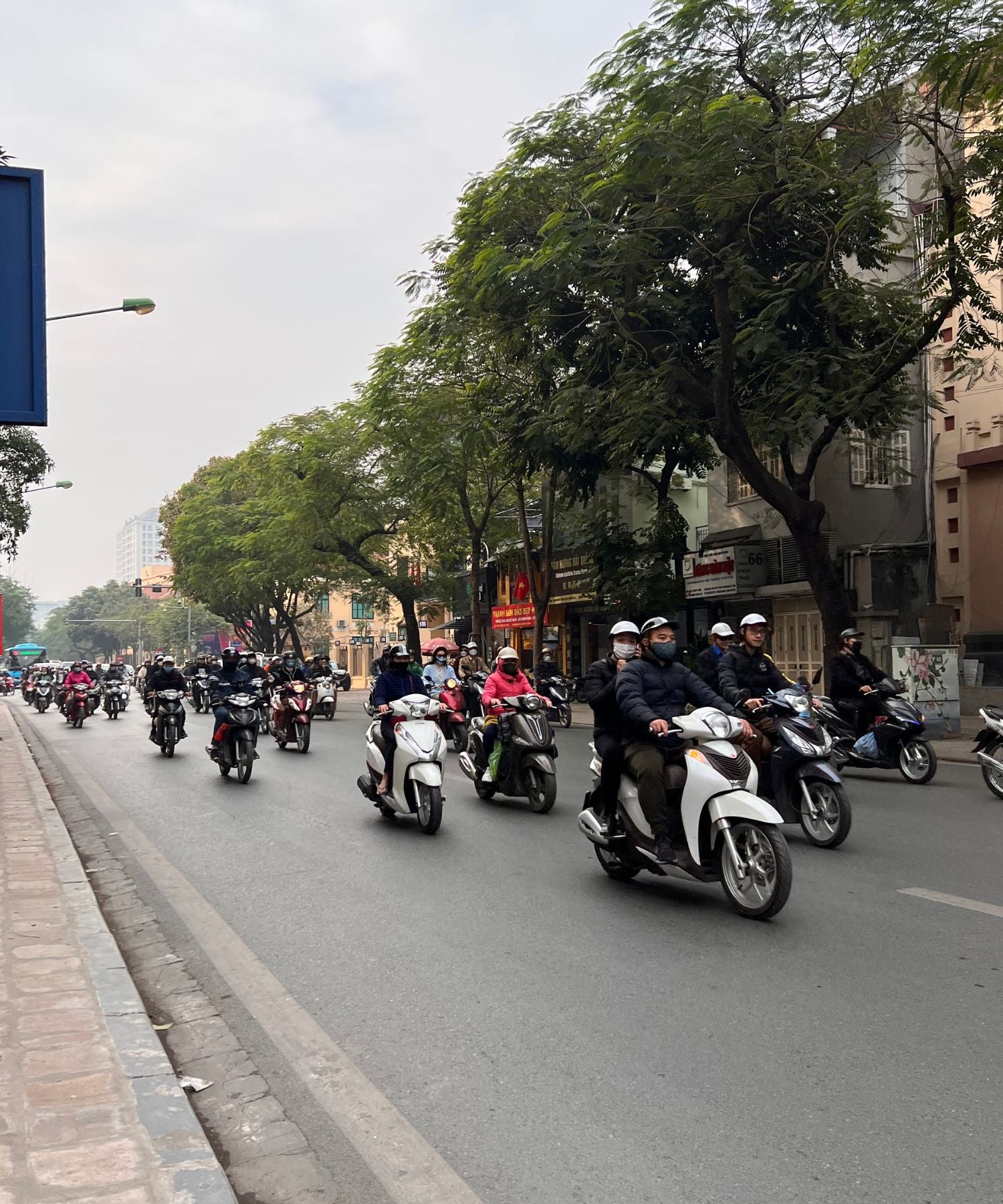
The city is the cultural heart of Vietnam, a blend of chaos and charm, where rows of narrow houses stand alongside French colonial mansions and traditional temples adorned with Chinese influences. City life revolves around the streets of the Old Quarter and Hoan Kiem Lake, where there are shops, cafes, and street vendors.
The Hotel
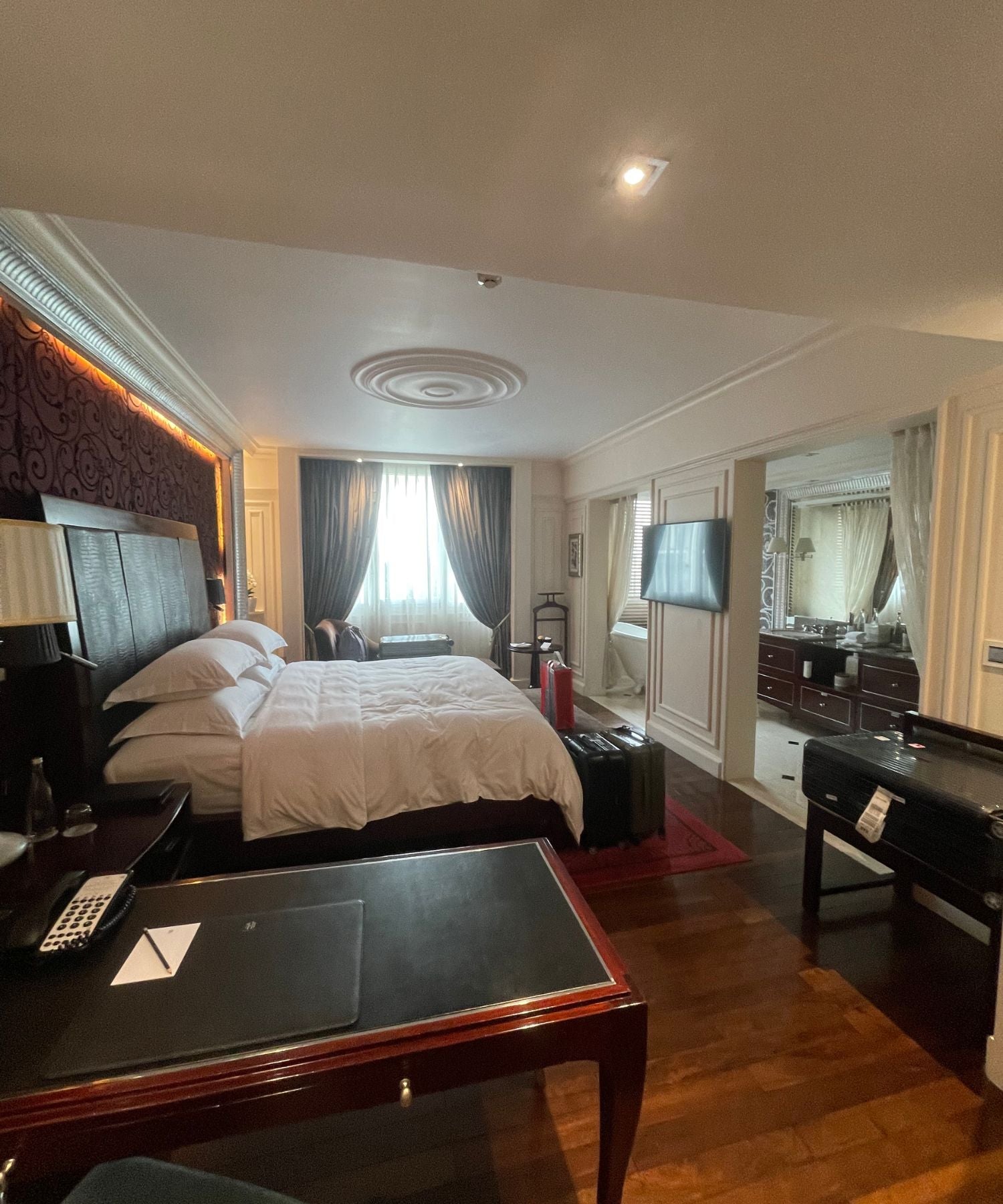
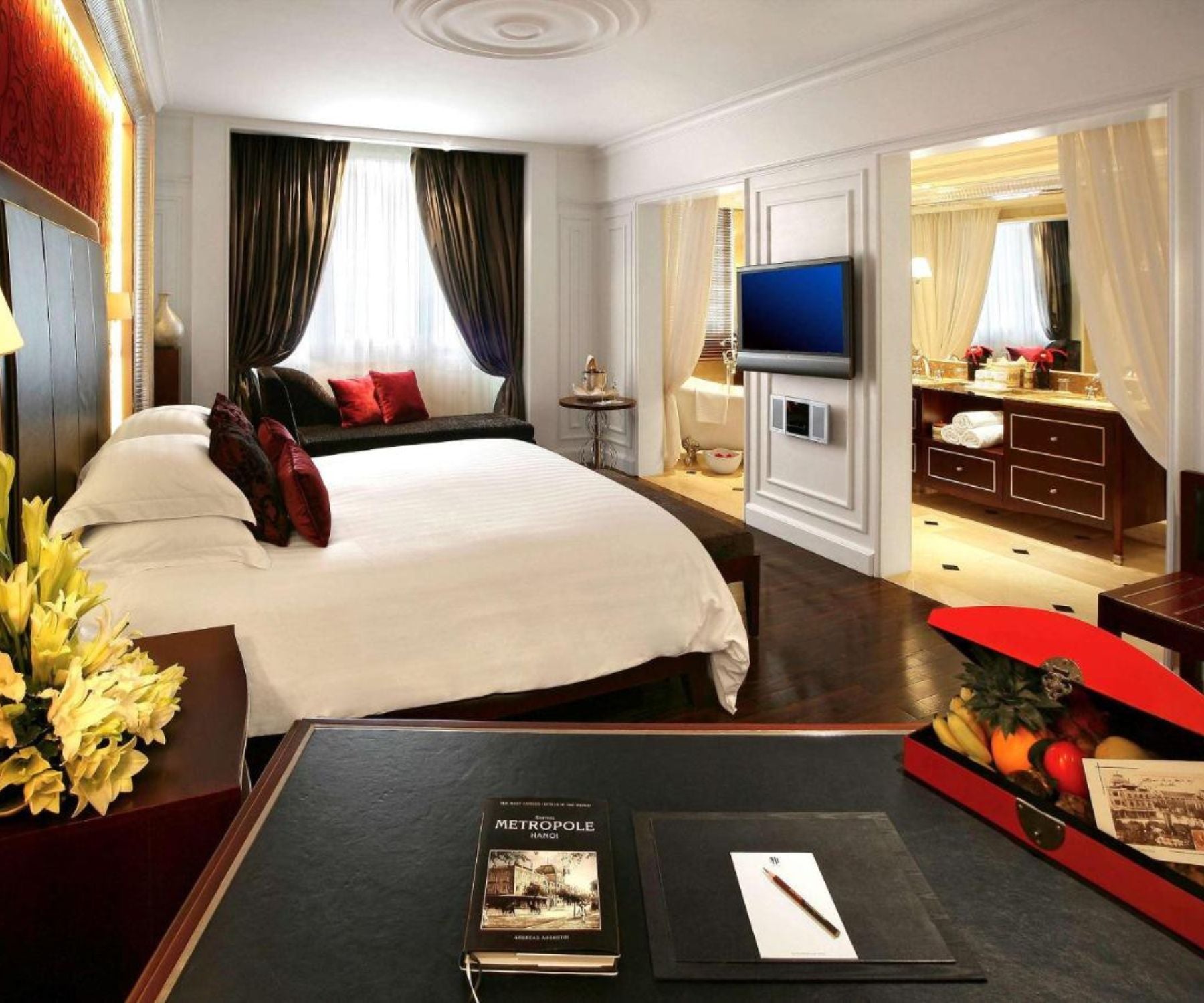
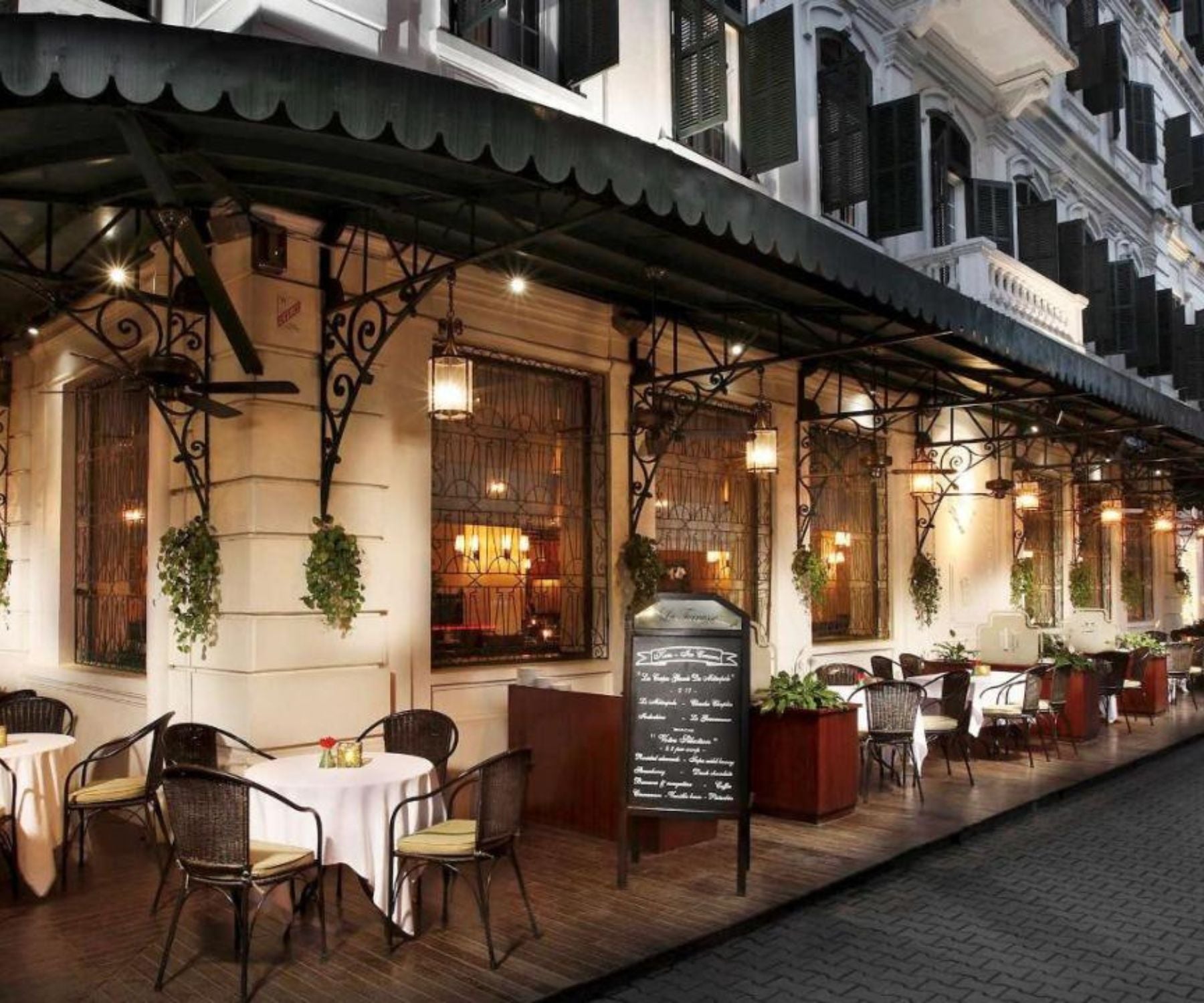
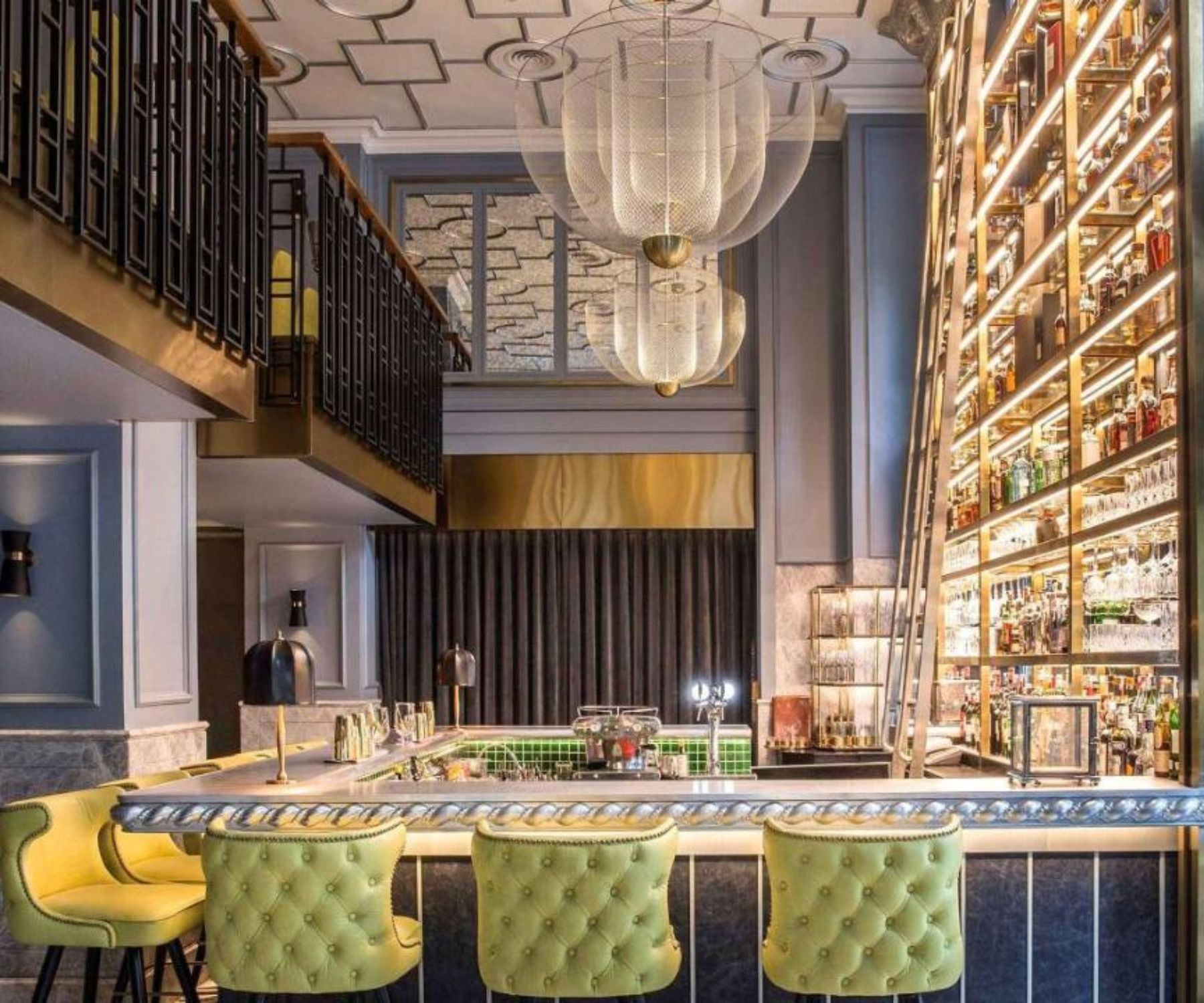
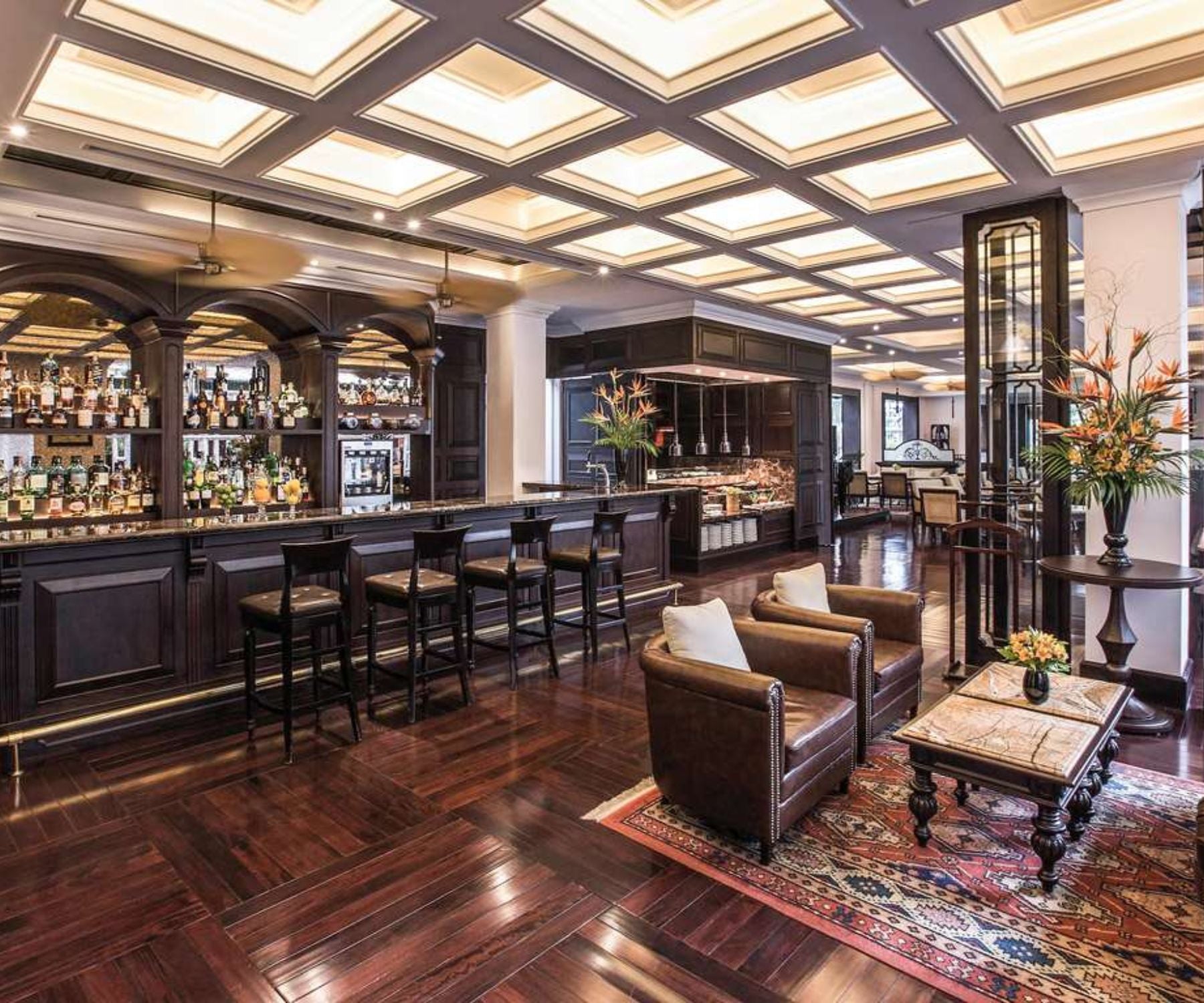
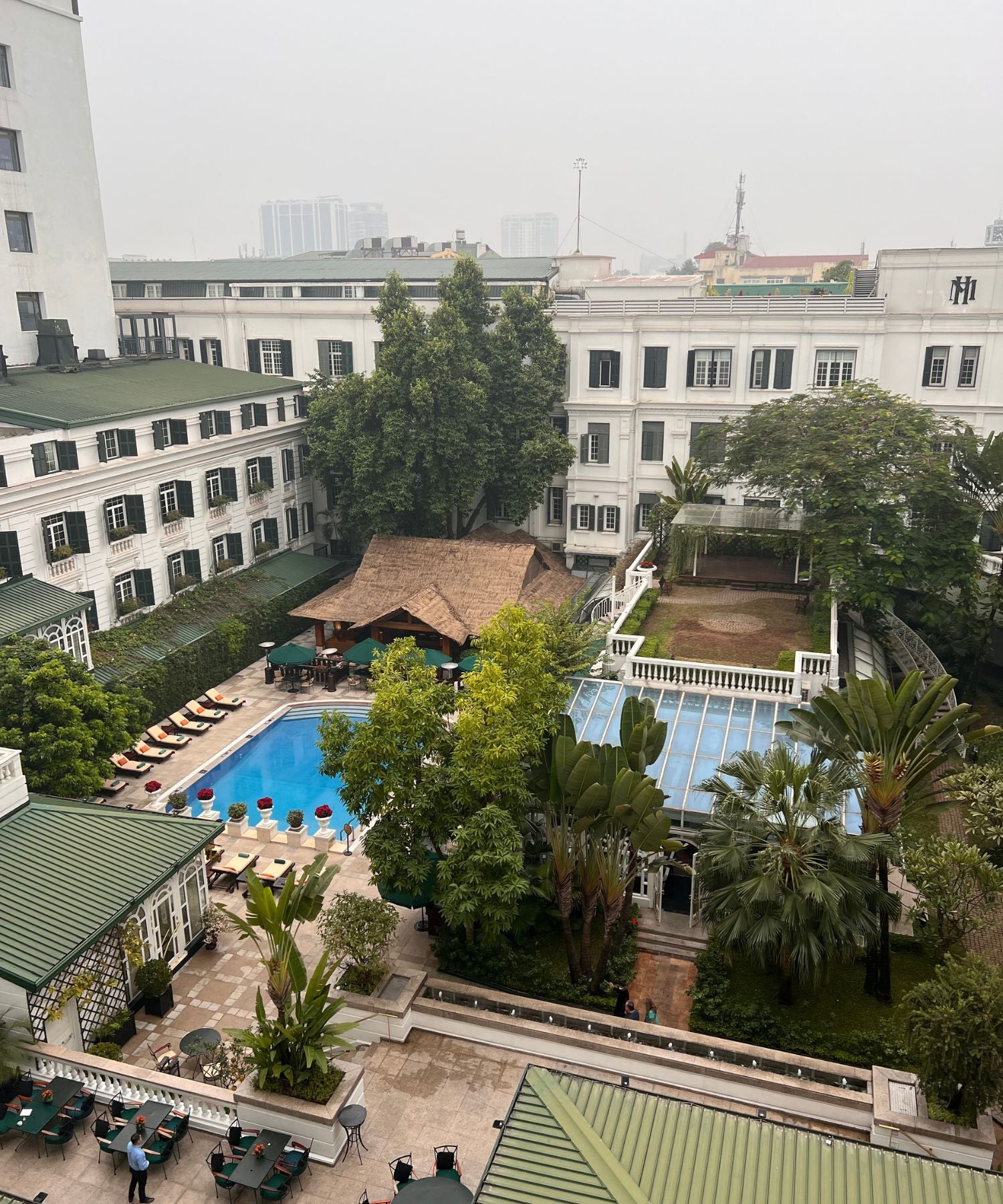
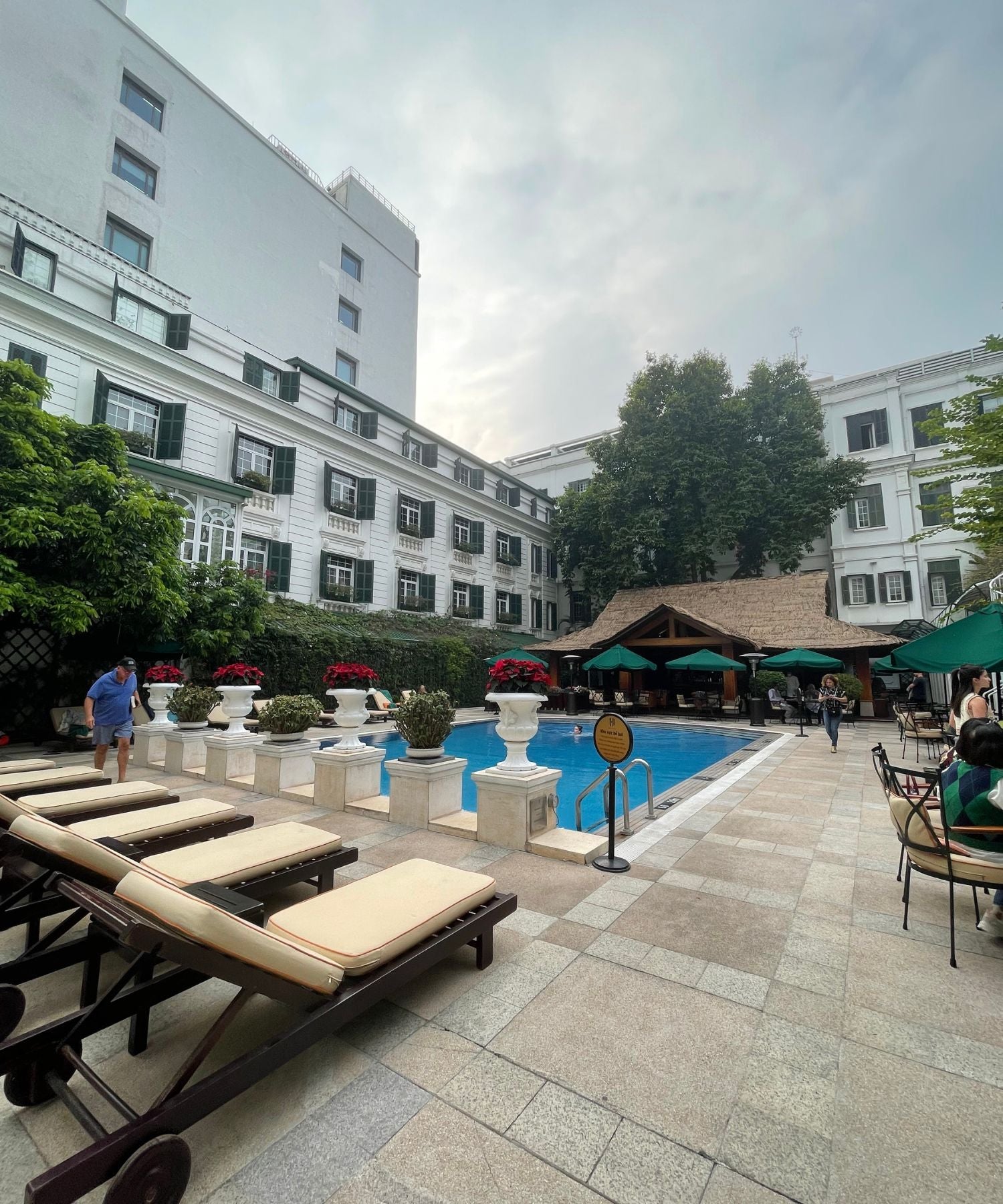
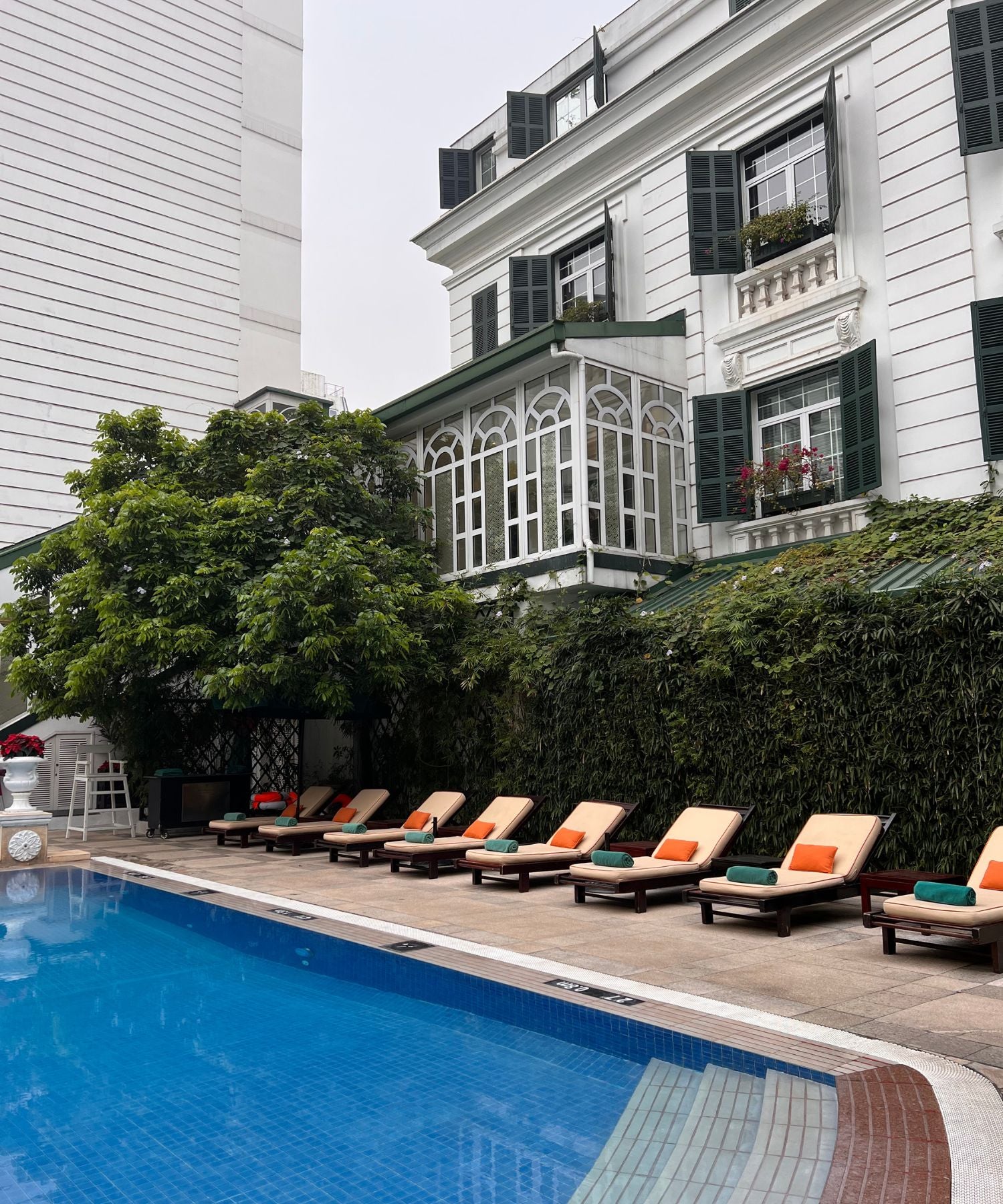
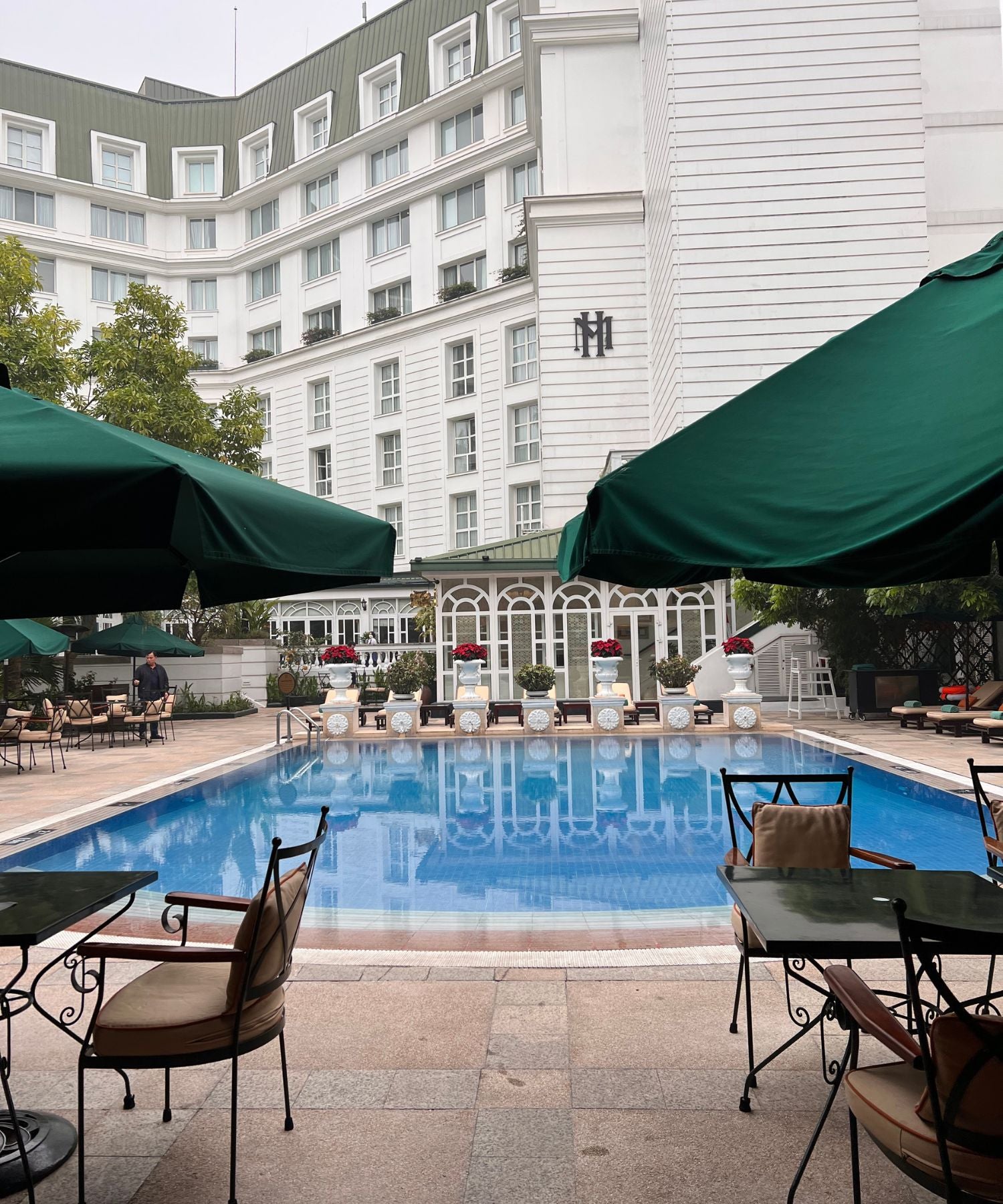
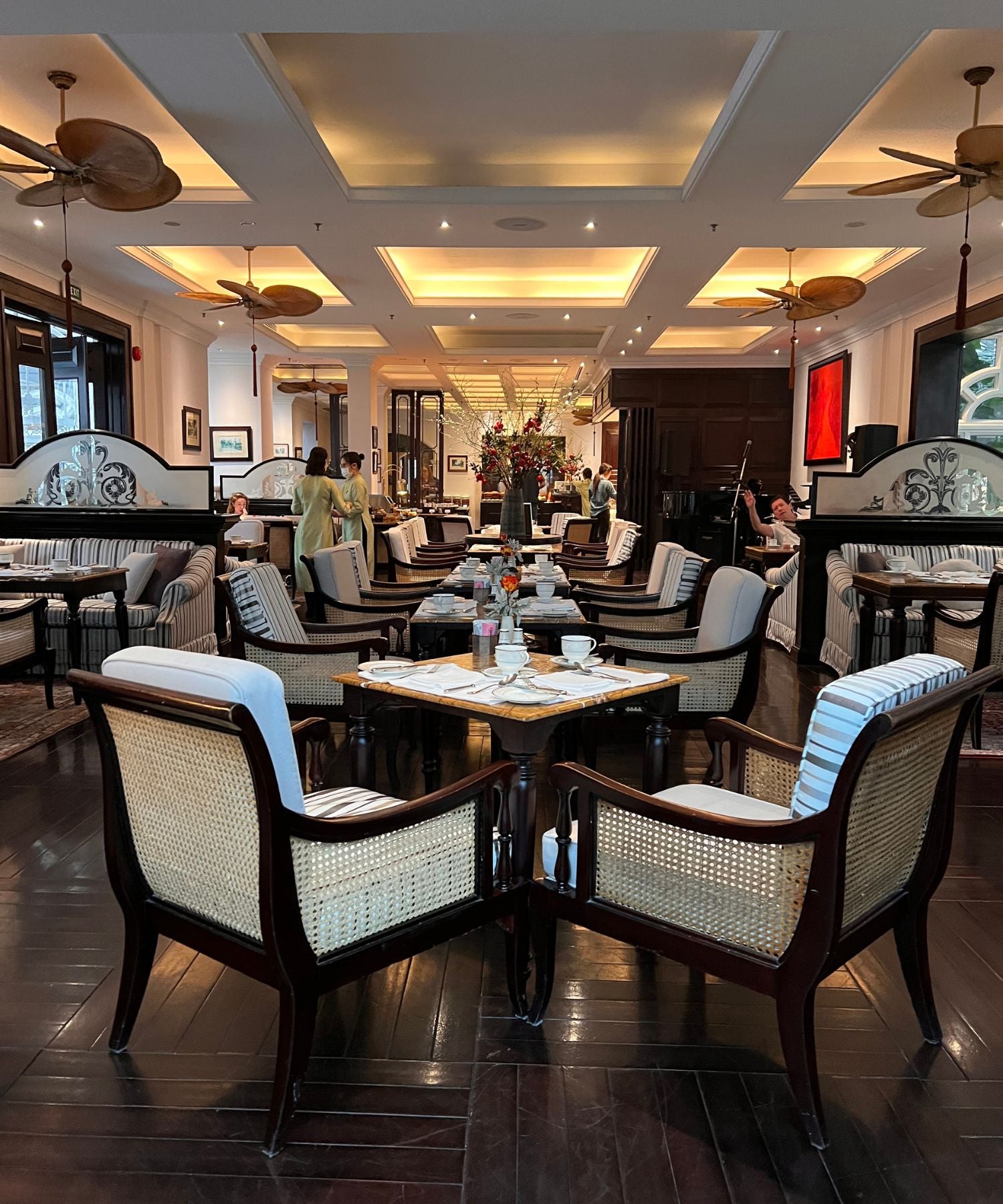
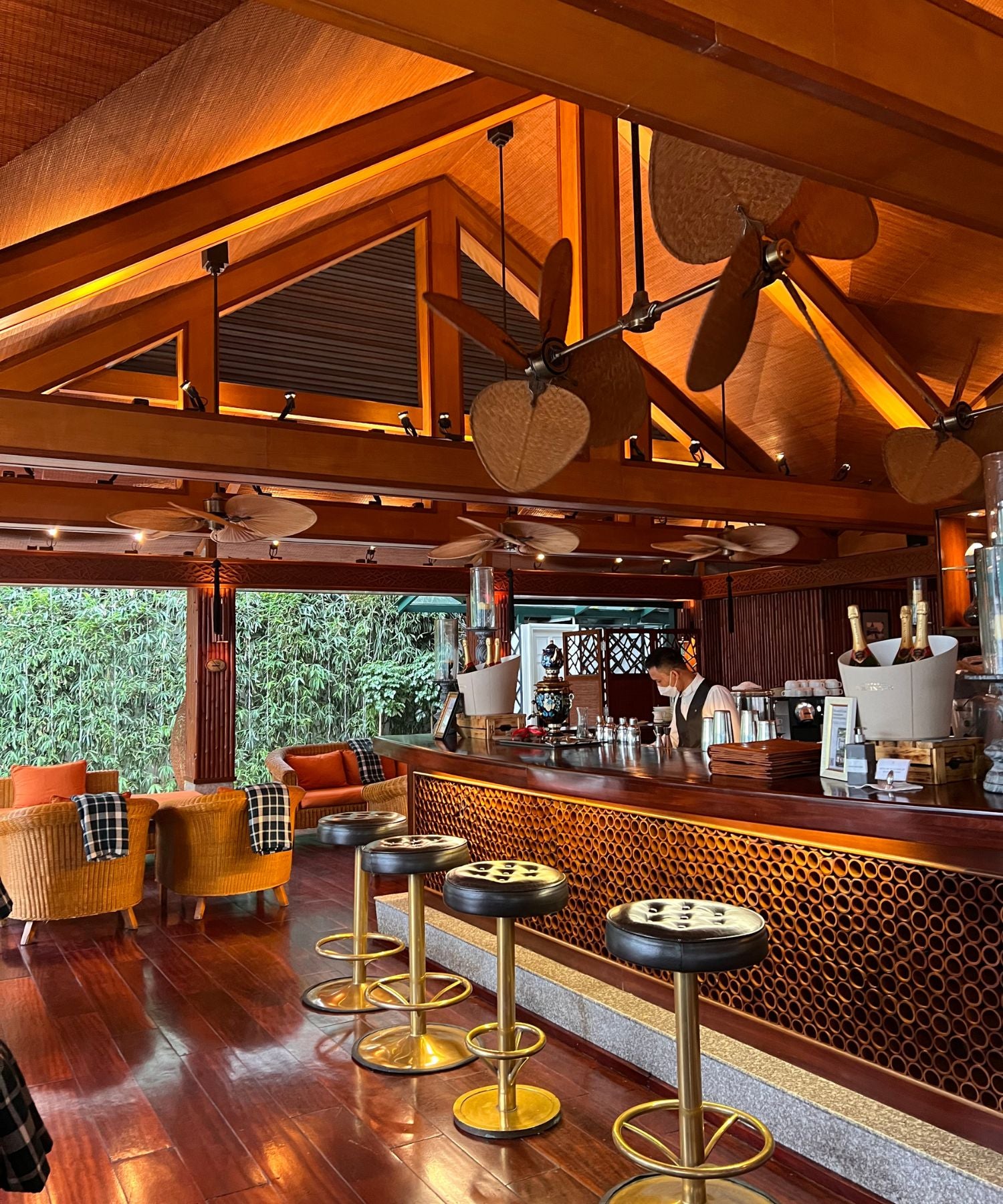
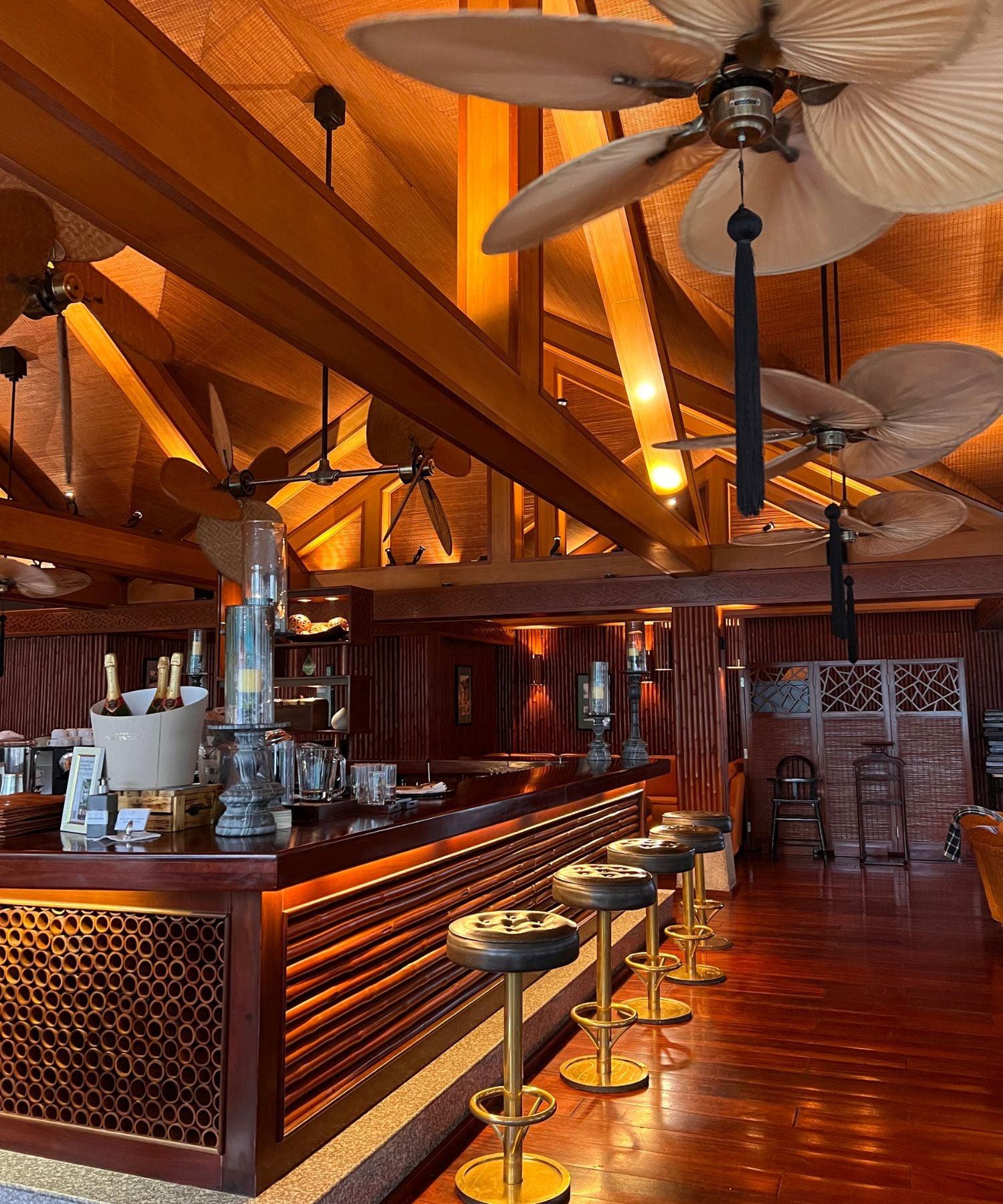
We stayed for two nights at the Sofitel Legend Metropole, a French colonial-style hotel considered the best accommodation option in the city, which has received countless celebrities and heads of state and housed several diplomatic missions.
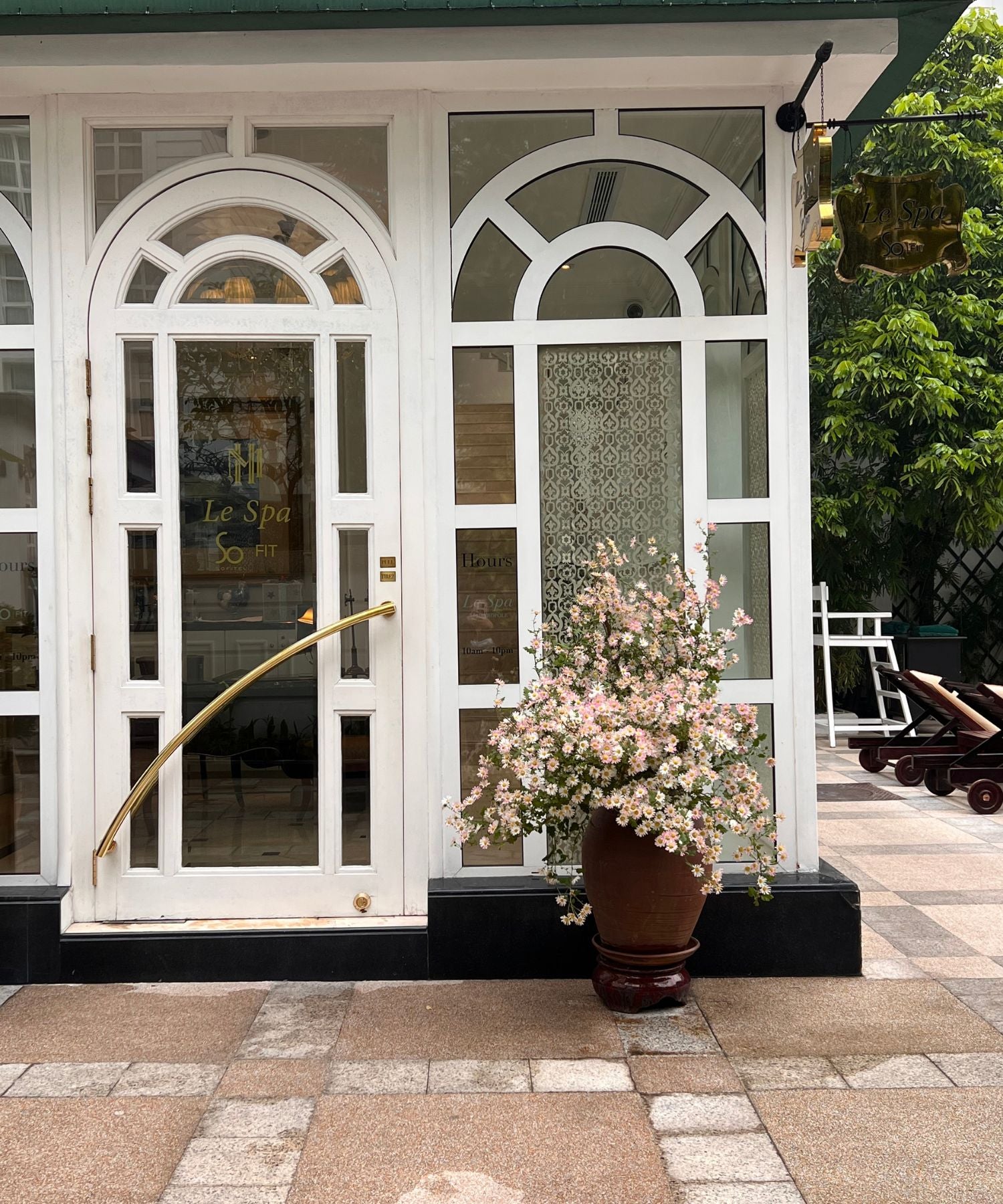
The hotel has a large heated outdoor pool, a spa, a gym, three bars, a cafe, and two restaurants.
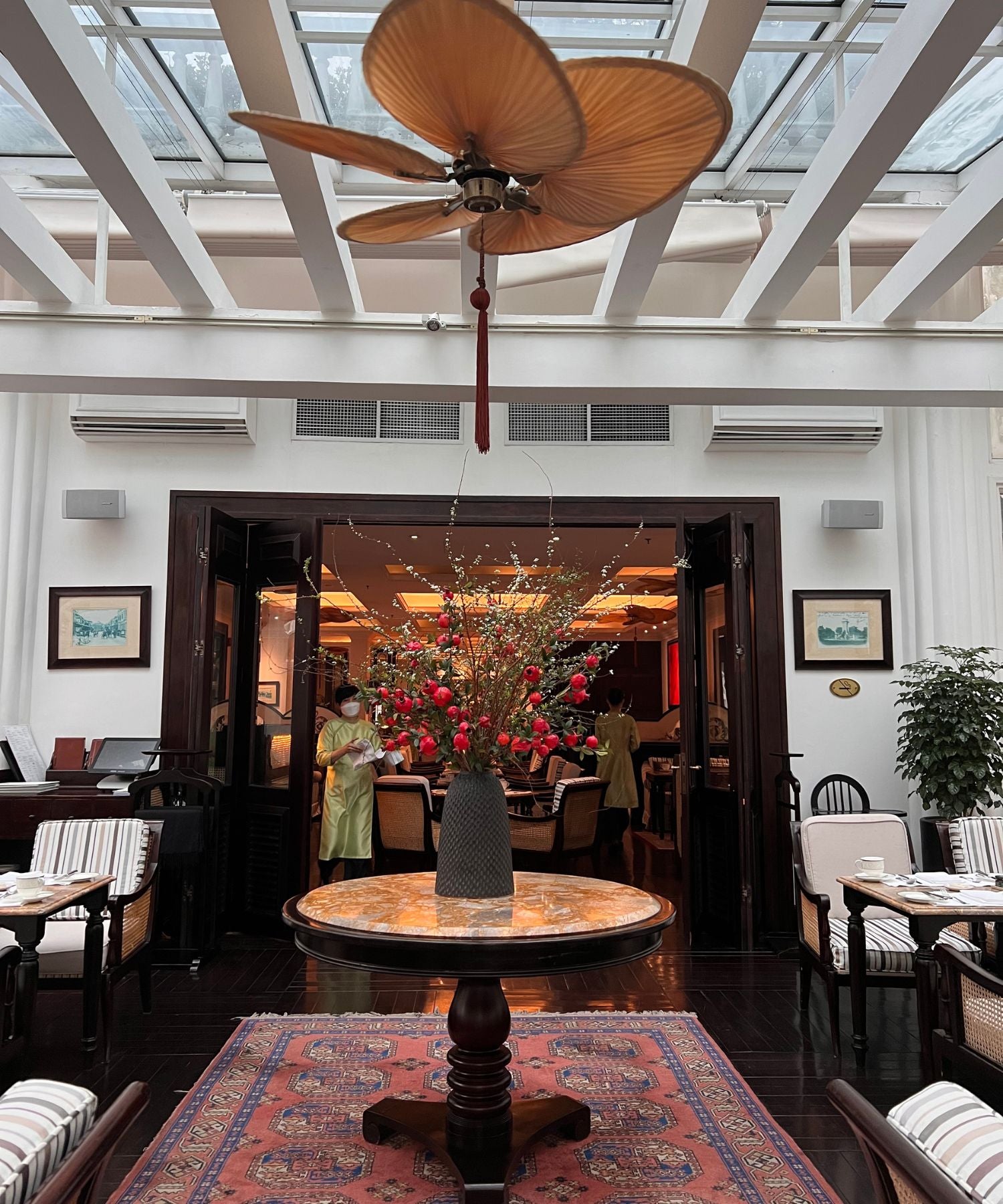
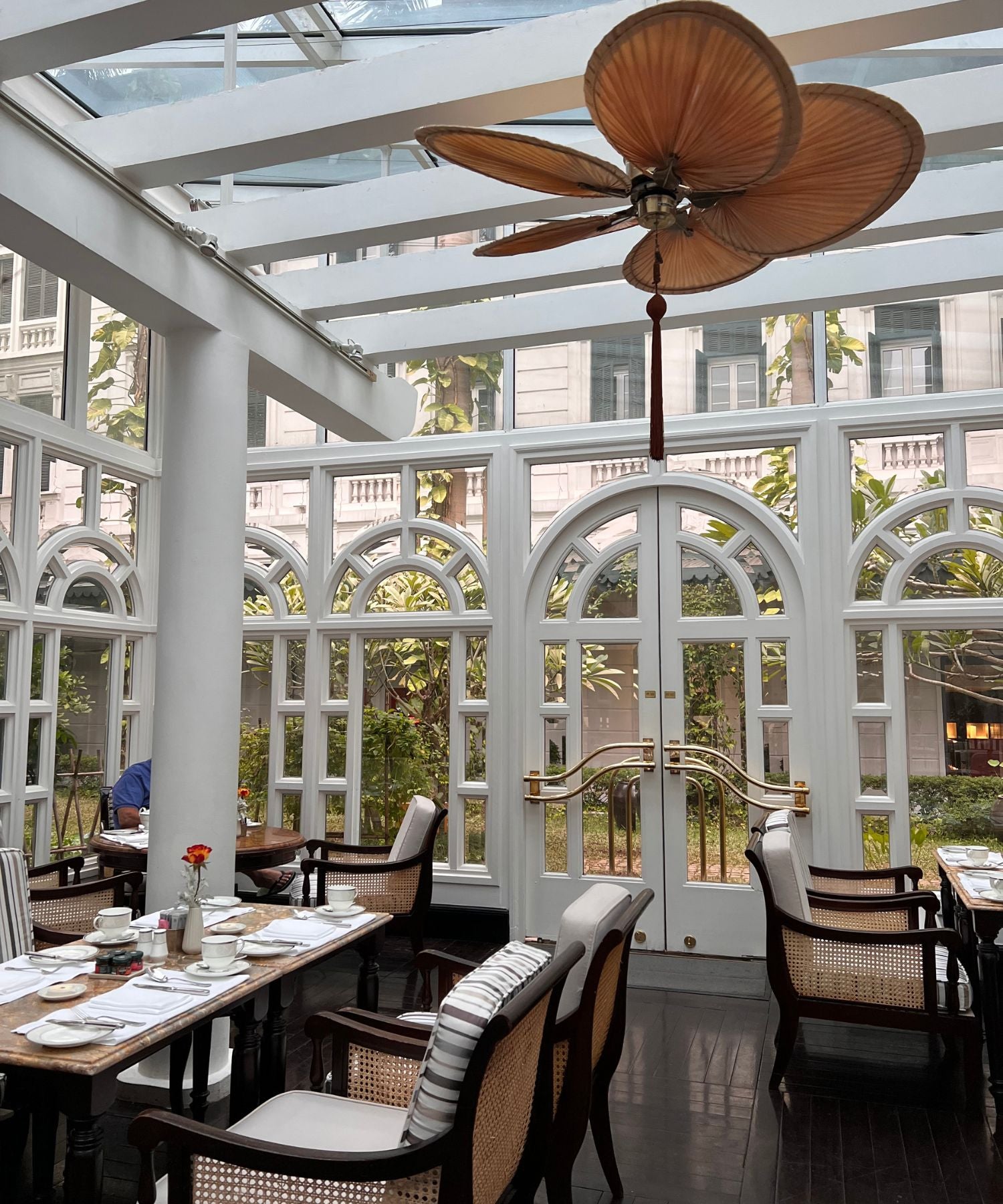
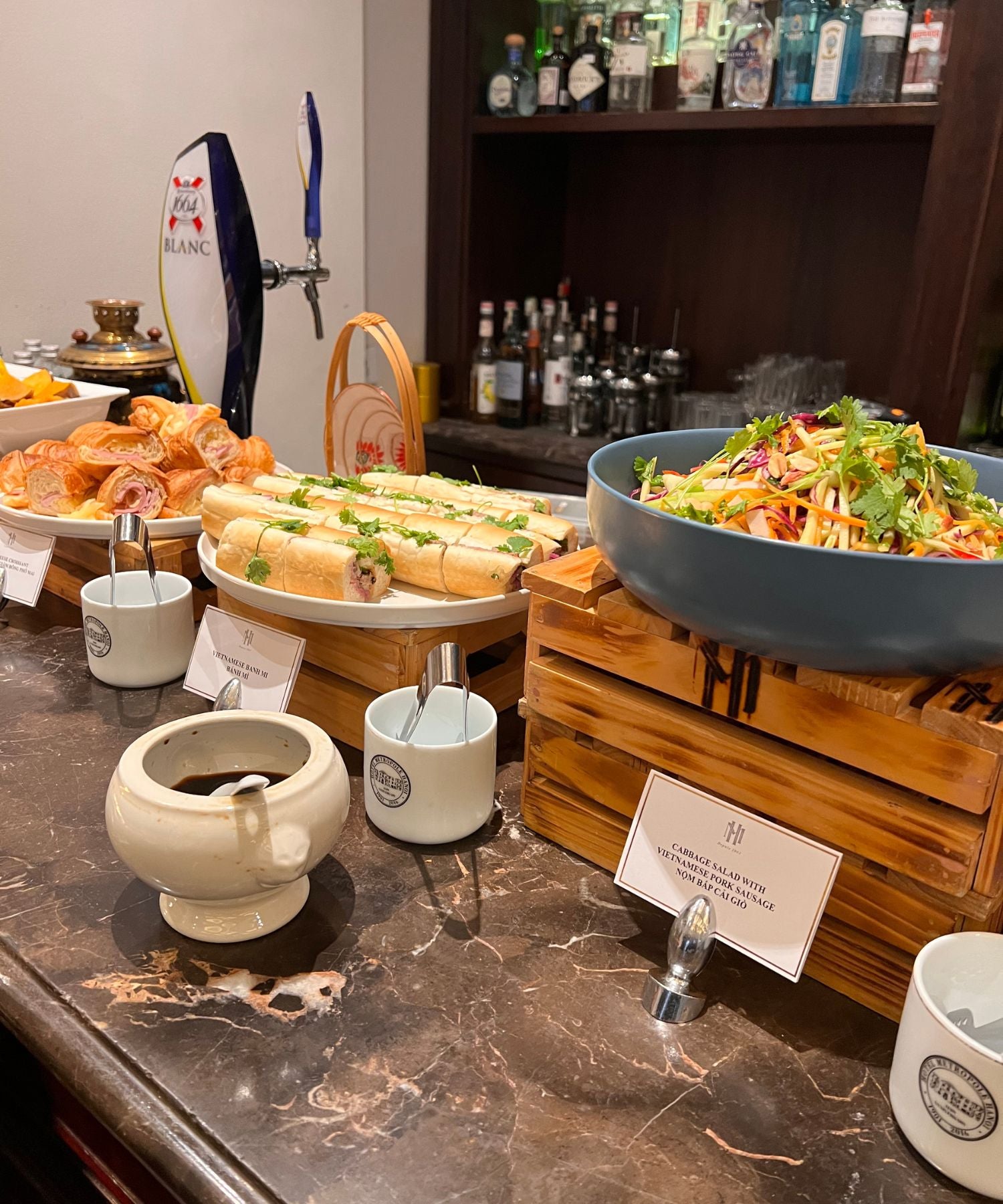
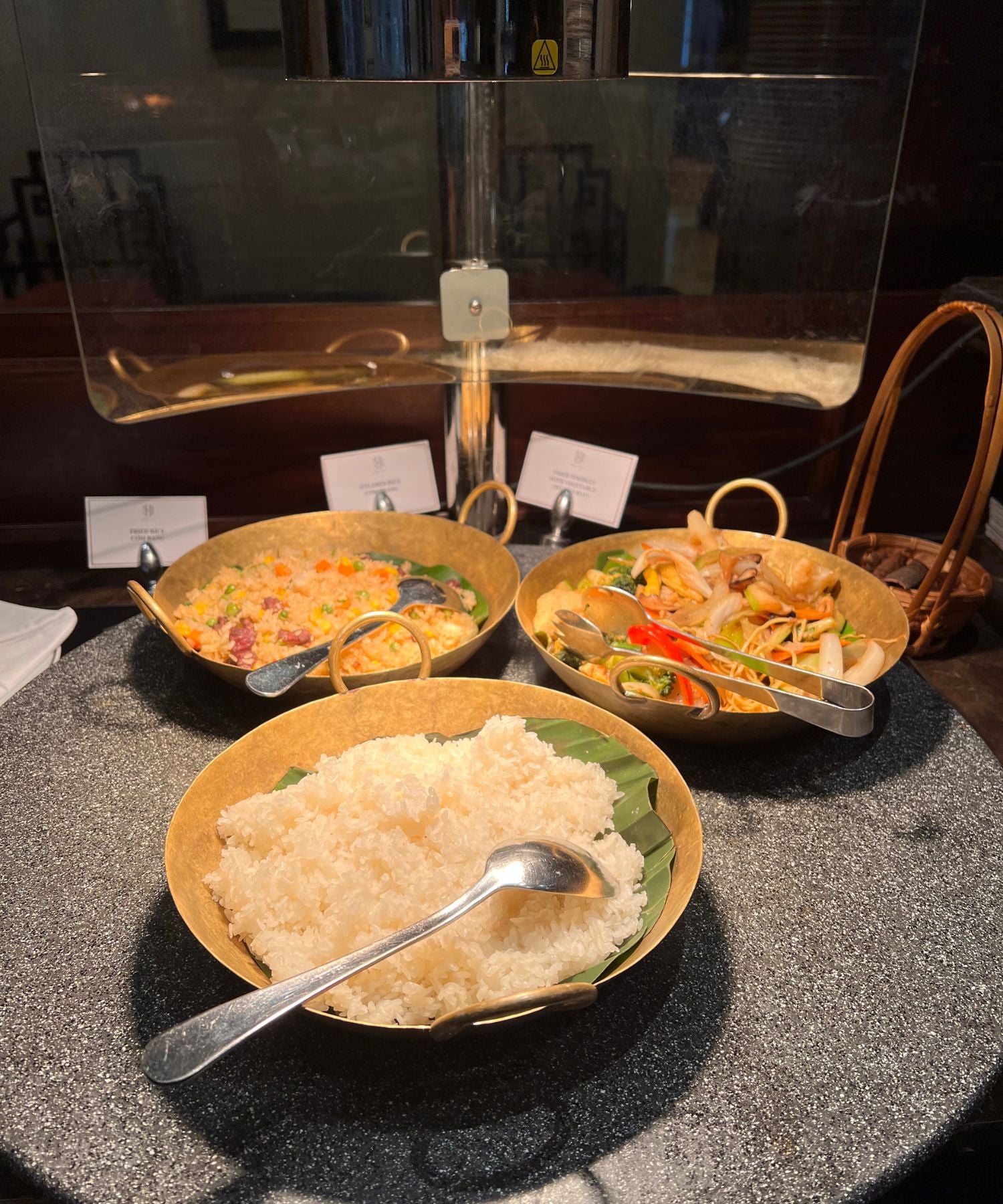
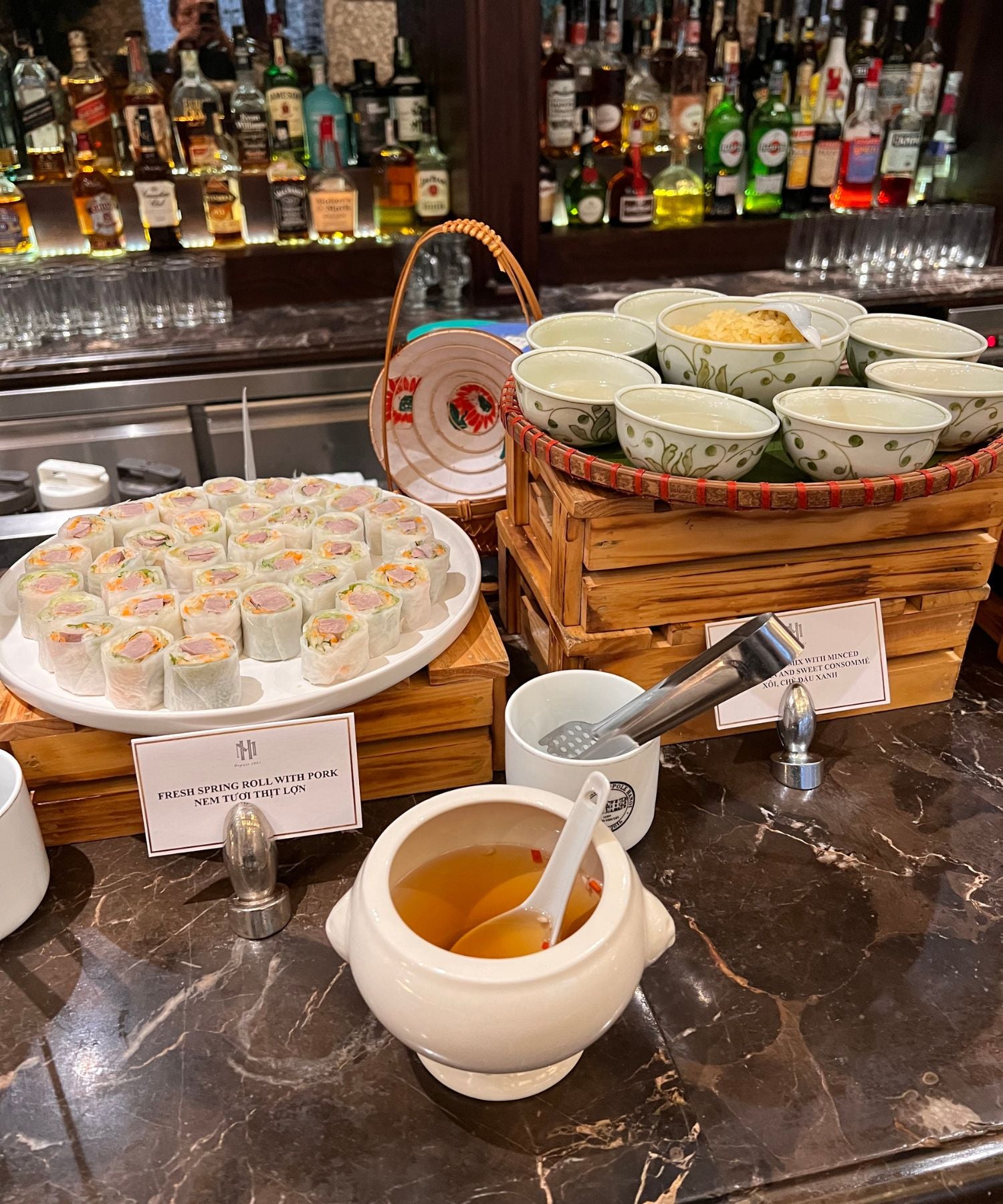
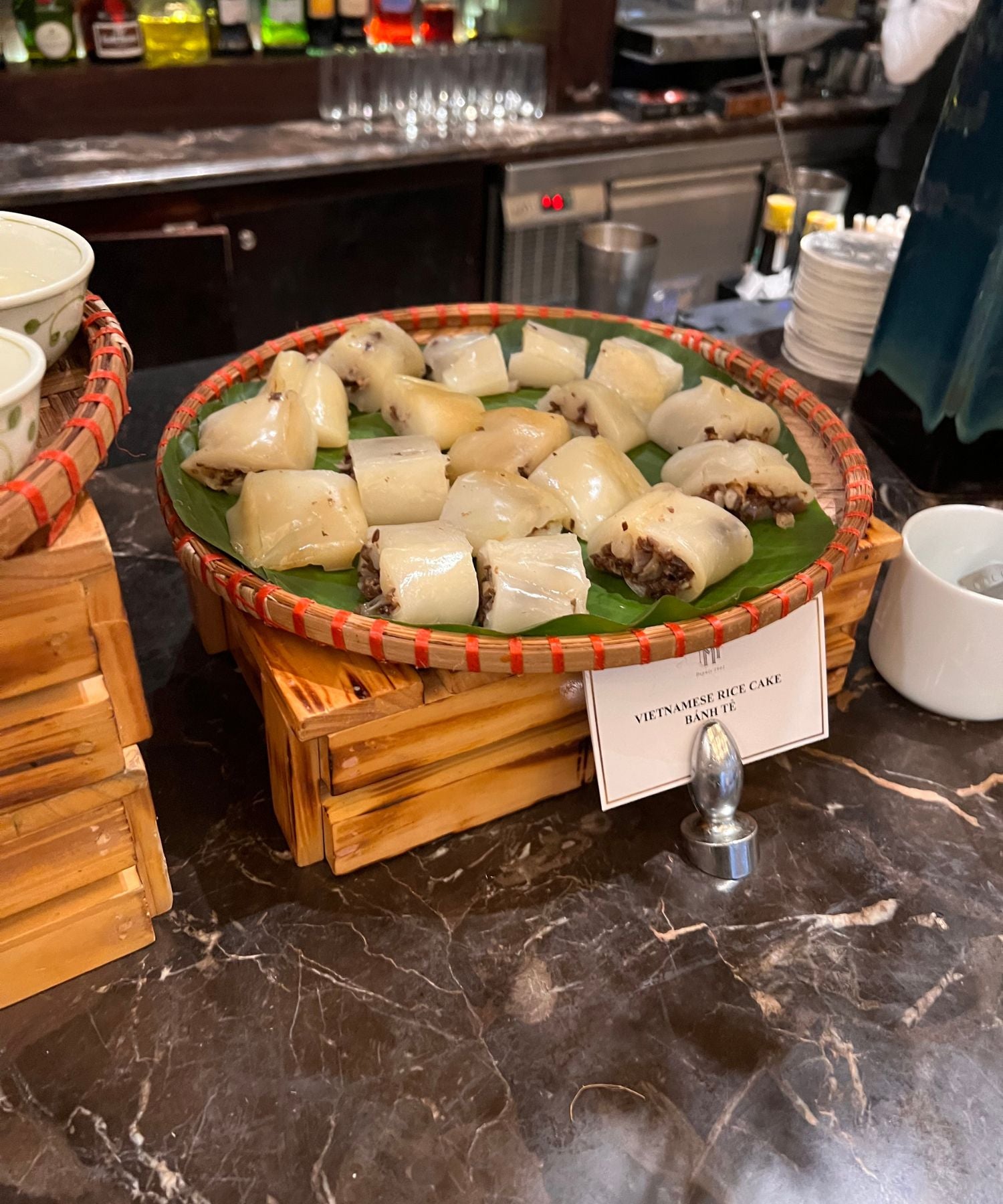
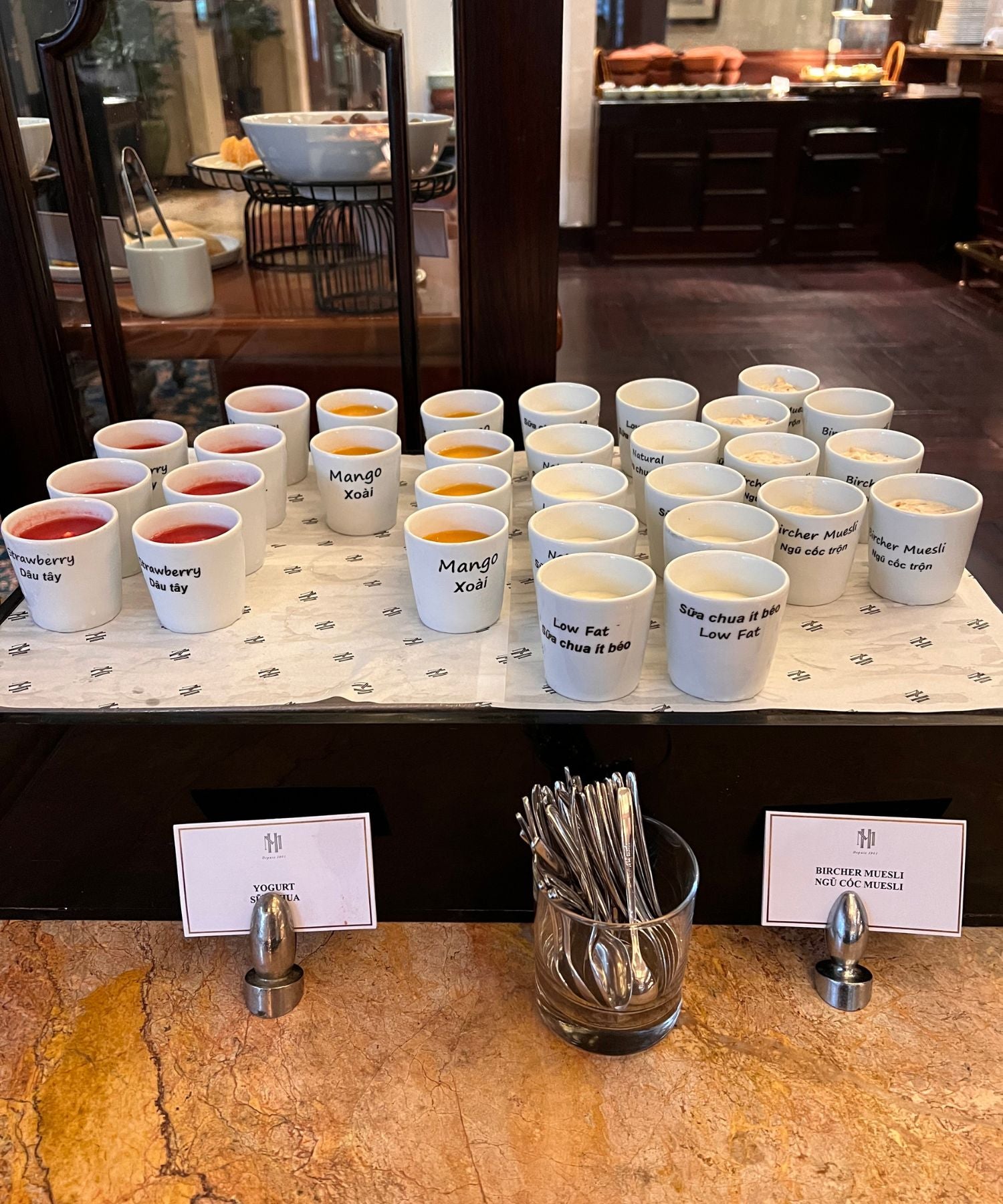
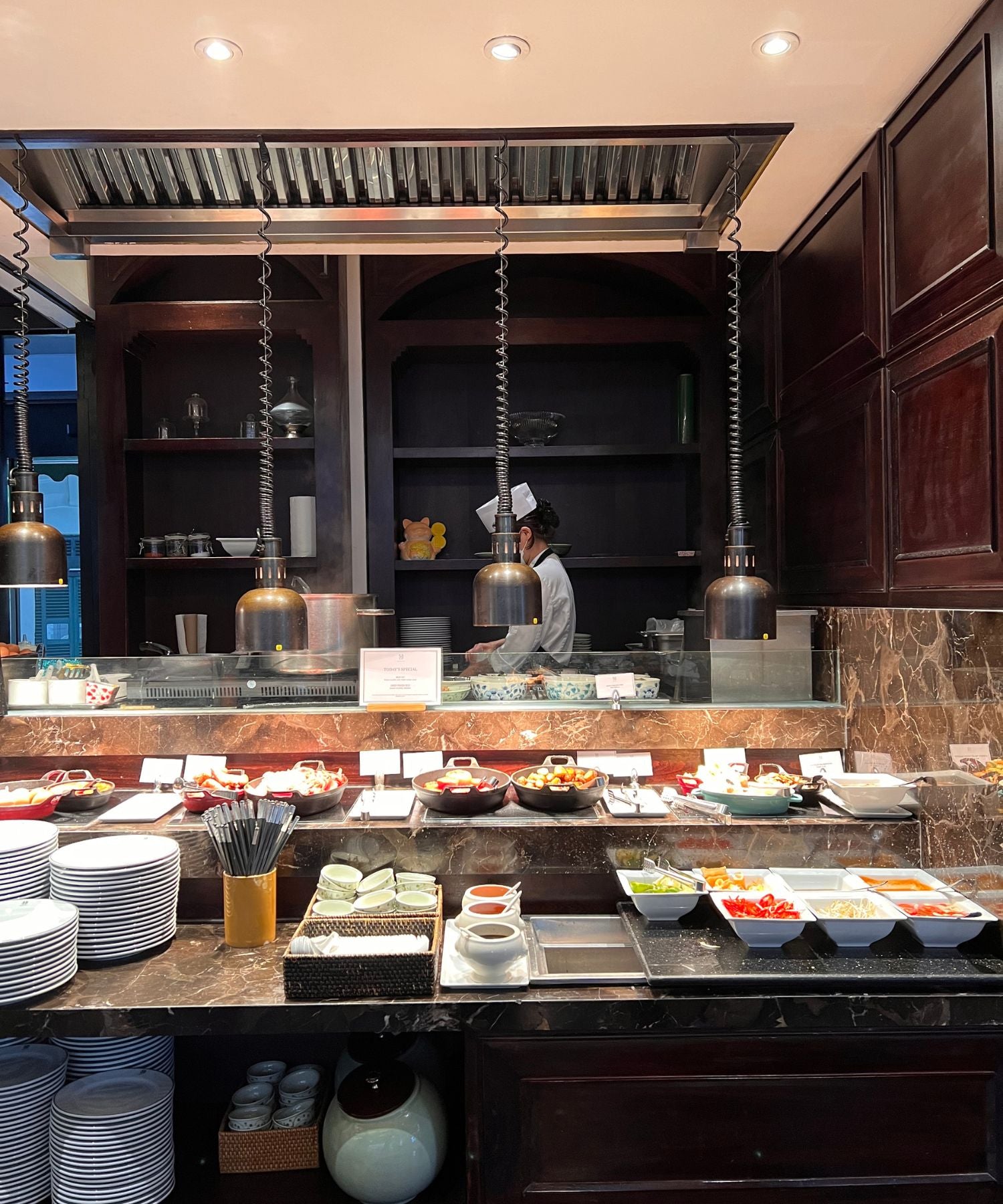
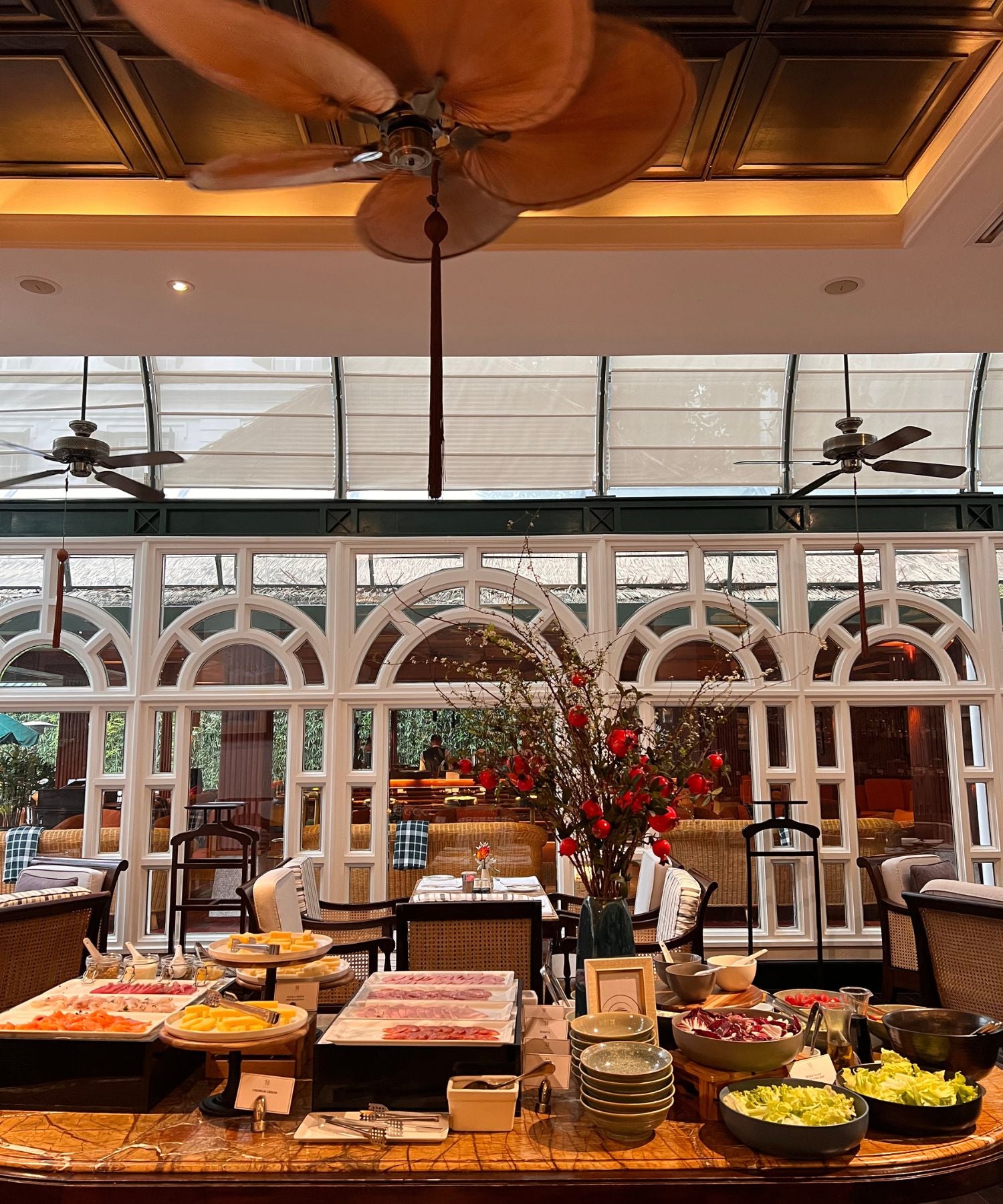
The hotel food is wonderful, from the full buffet breakfast with Western and Asian options and stations to the restaurants. We had dinner at Spice Garden, a restaurant located in the same place where breakfast is served; the menu is Vietnamese with French influences. Everything we ordered was very good.
Le Beaulieu is the most famous of the hotel's restaurants, a French brasserie with touches of Indochinese cuisine, run by Olivier Genique, former Jules Verne at the Eiffel Tower. Since it is a more formal restaurant, we chose not to have dinner there, as we wanted something with a more relaxed atmosphere.
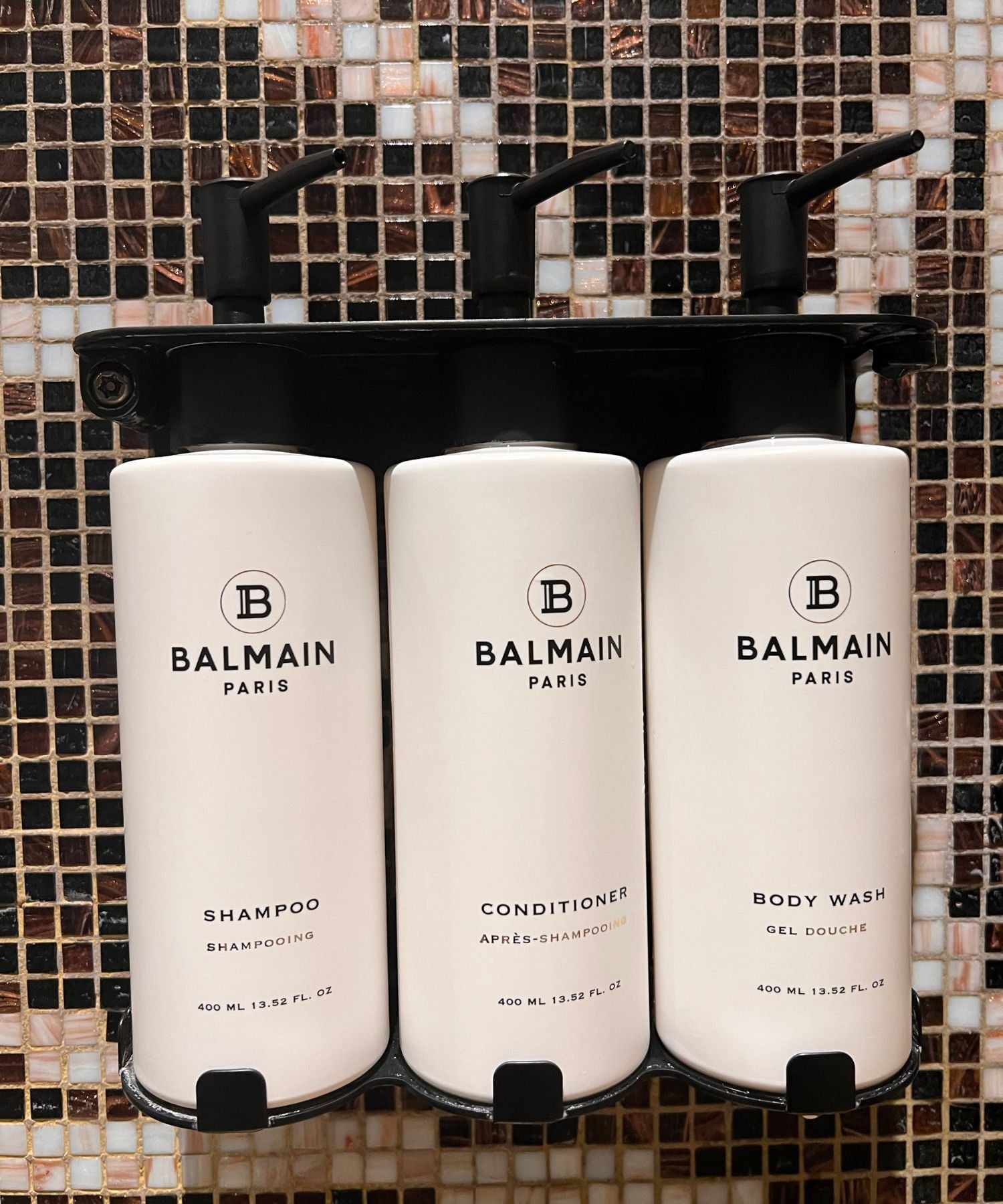
The rooms are spacious and comfortable, as are the bathrooms, which also feature Balmain amenities. We stayed in the first category and were already very satisfied. The staff is extremely polite and always ready to assist you.
Other accommodation options:
- Capella Hanoi
- Four Seasons (opens at the end of 2023)
To Go
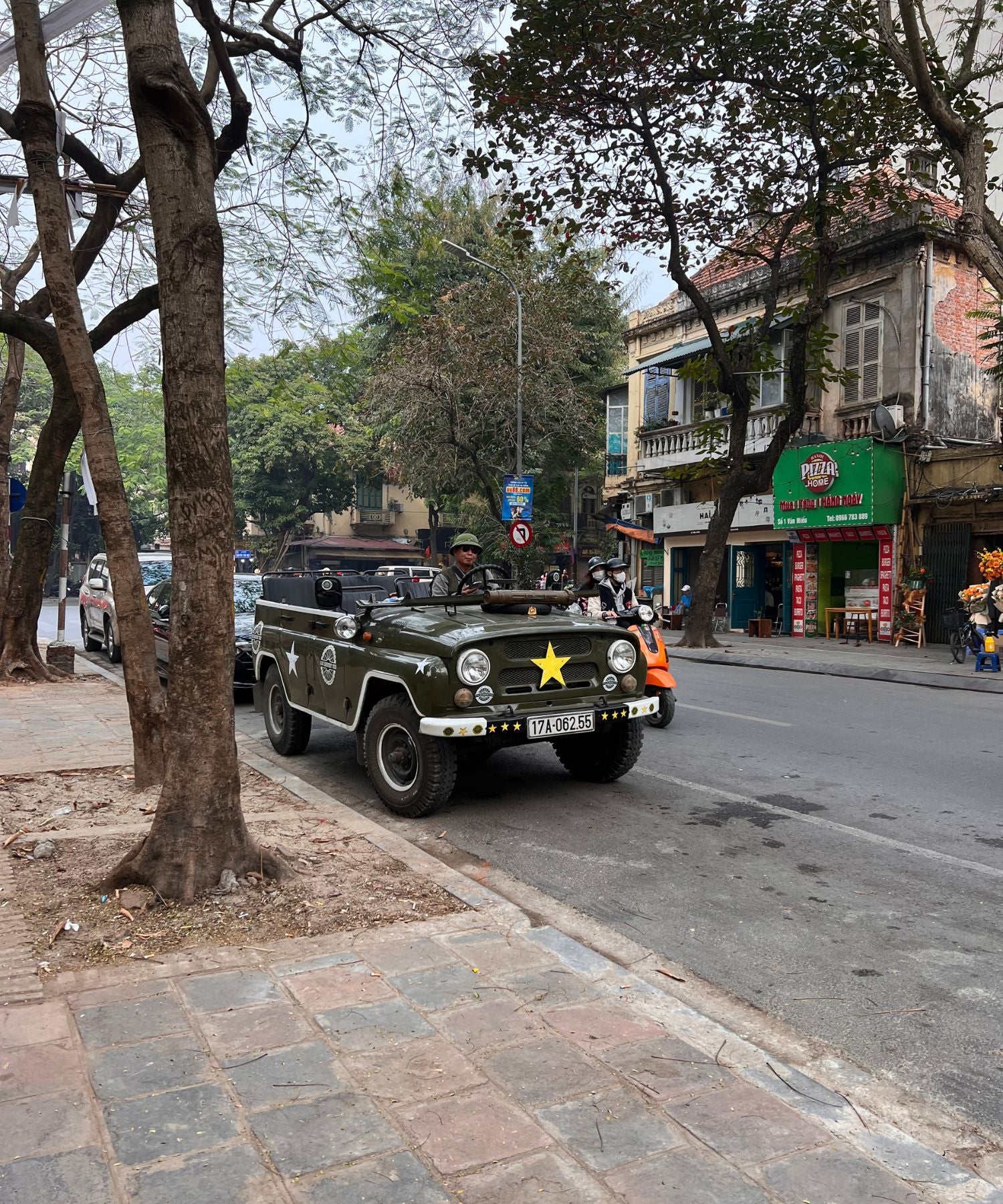
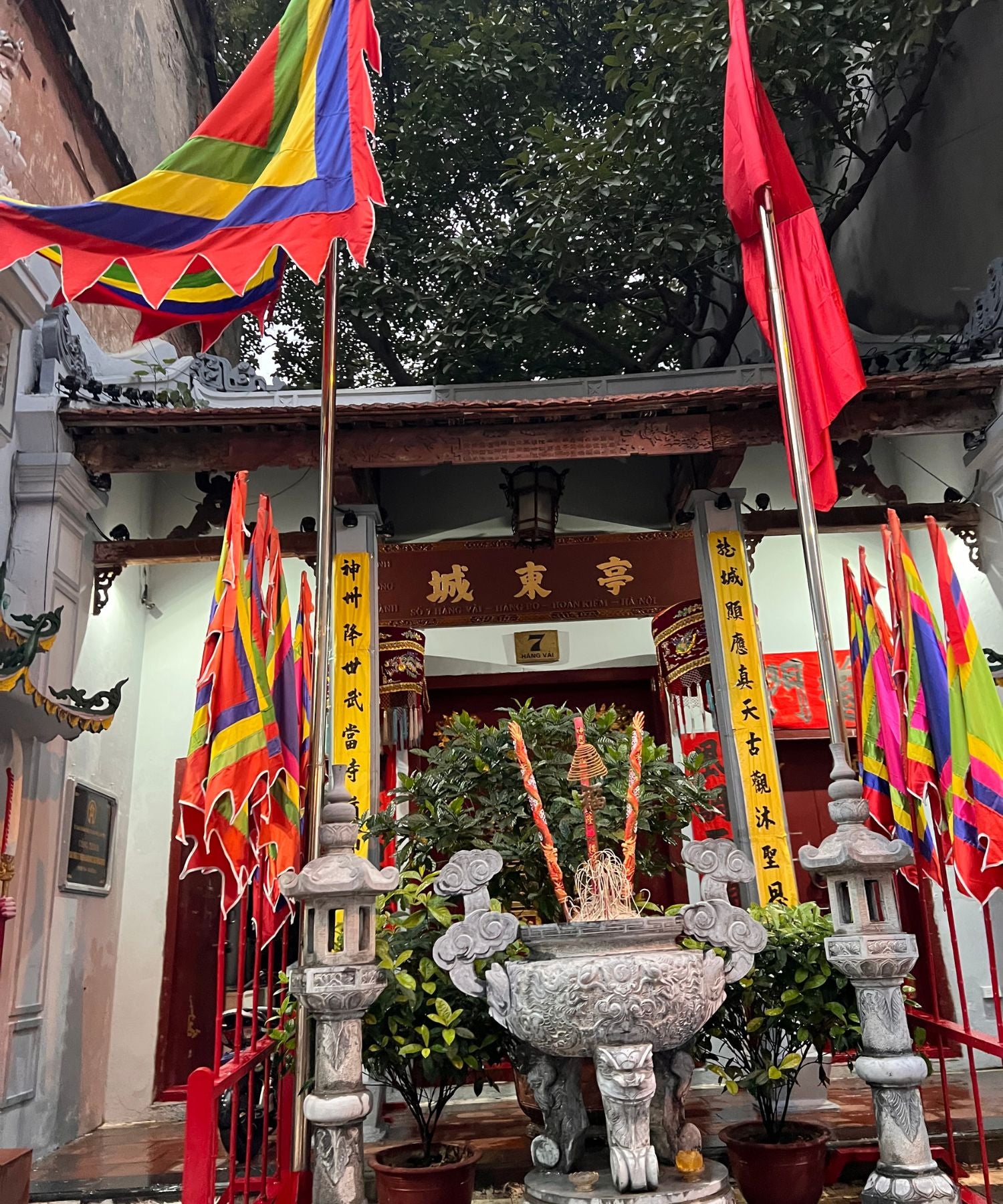
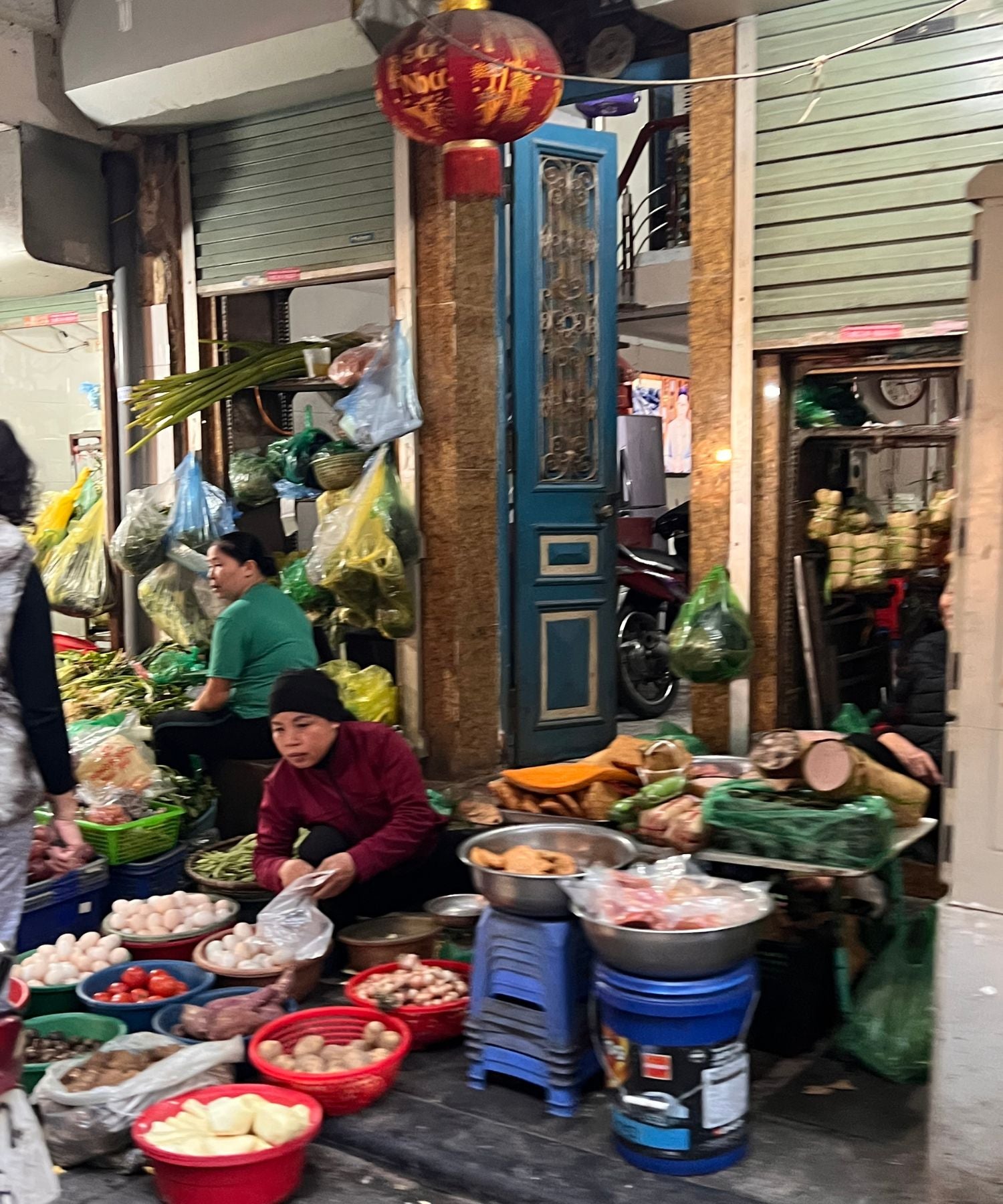
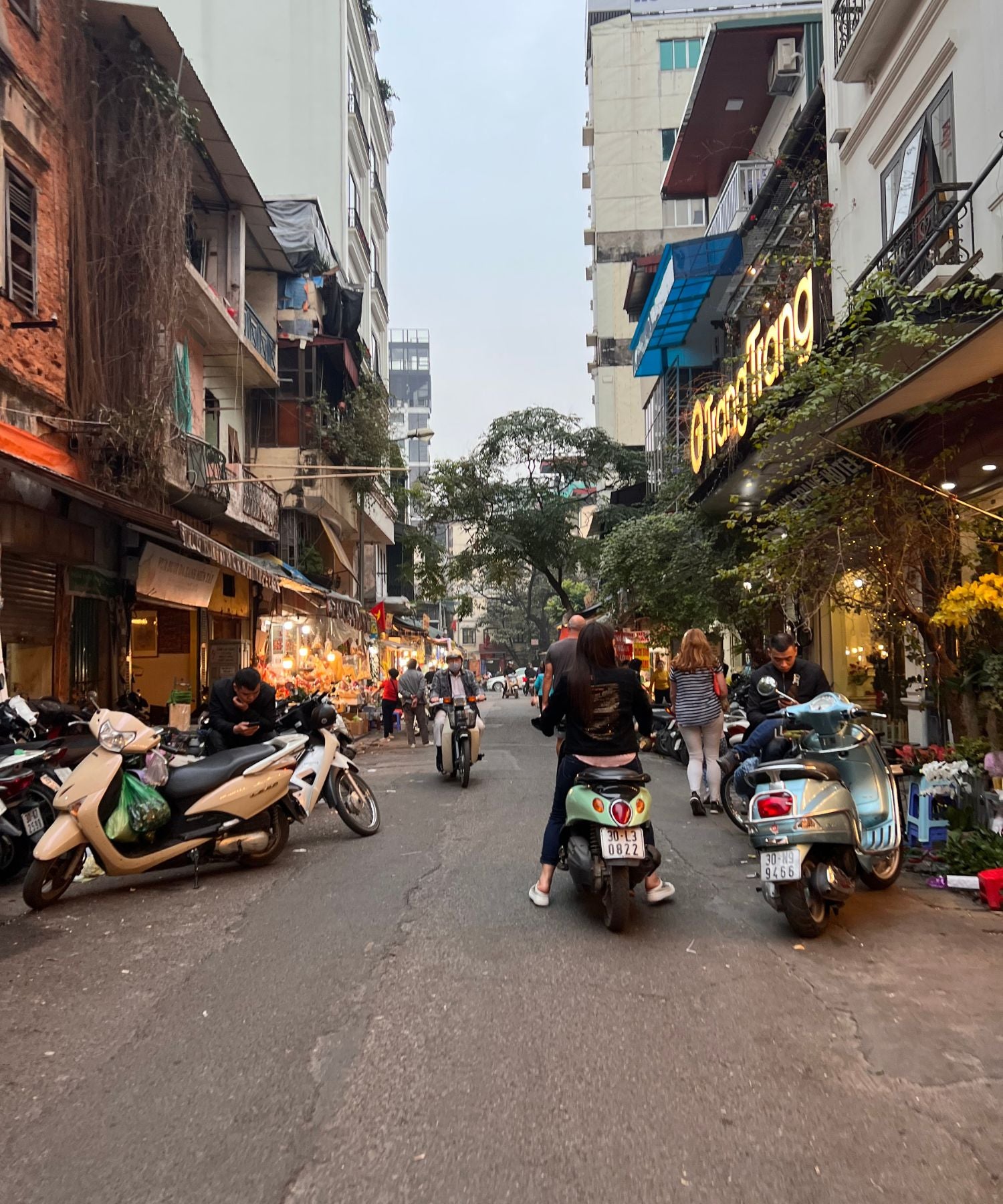
- Old Quarter: The Old Quarter in Hanoi is a lively historic area known for its narrow, picturesque streets. It is the city's beating heart, with a vibrant atmosphere, traditional shops, markets, and a rich blend of colonial and Vietnamese architecture.
- French Quarter: Where our hotel was located, Hanoi's French Quarter is a neighborhood that showcases French architectural and cultural influences dating back to the colonial period. With wide boulevards, elegant buildings, and green spaces, this neighborhood is a fusion of French style and Vietnamese essence.
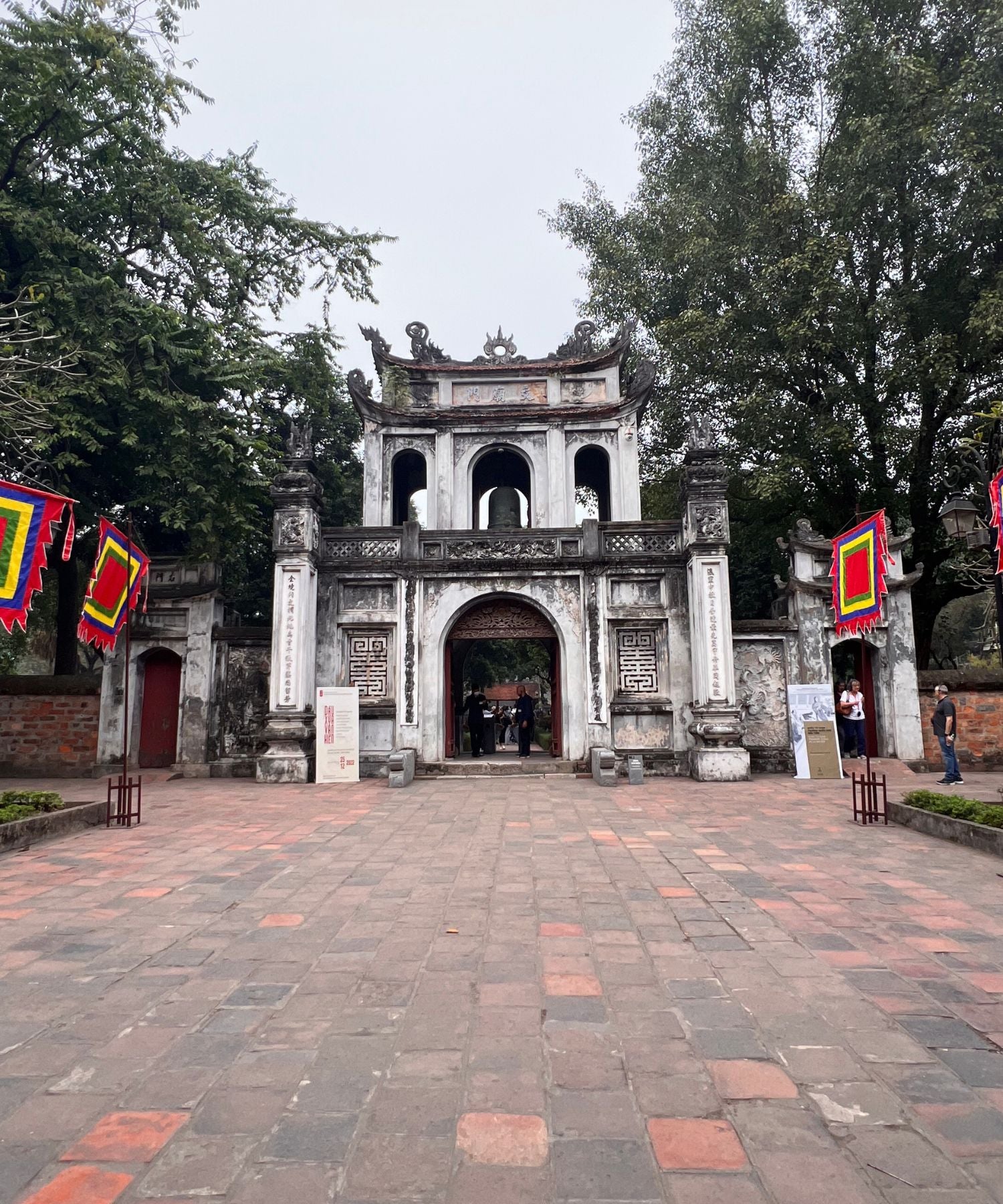
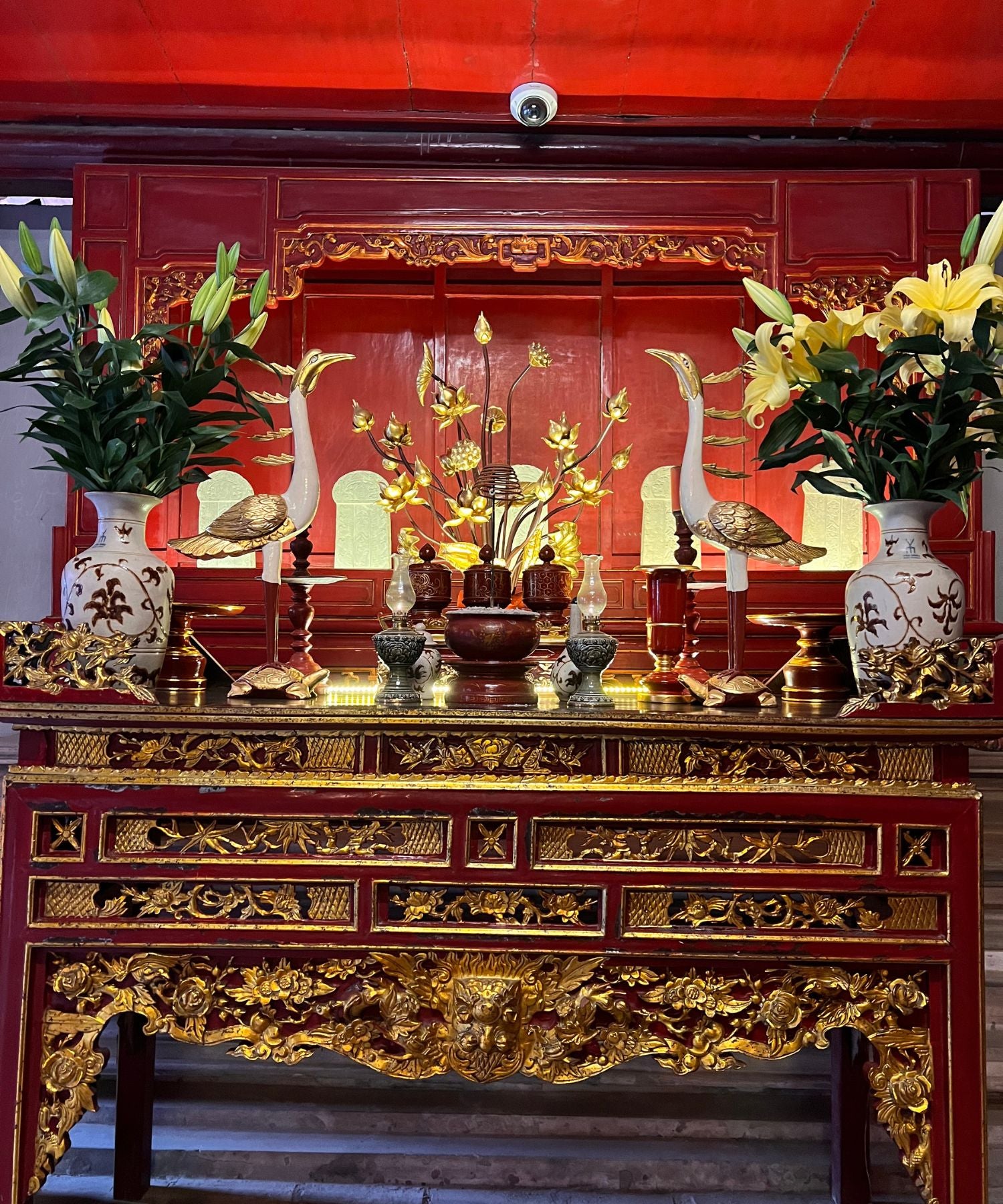
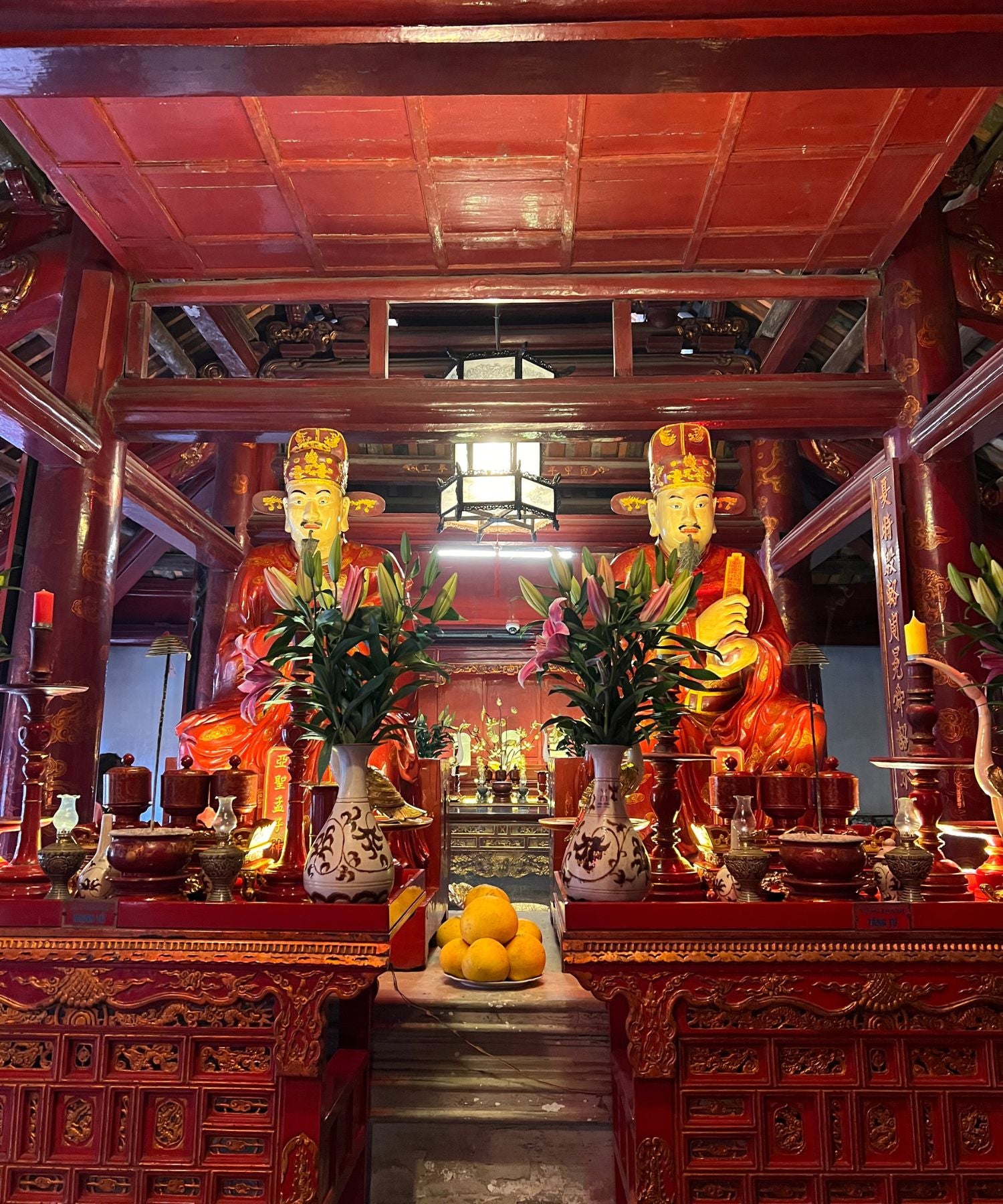
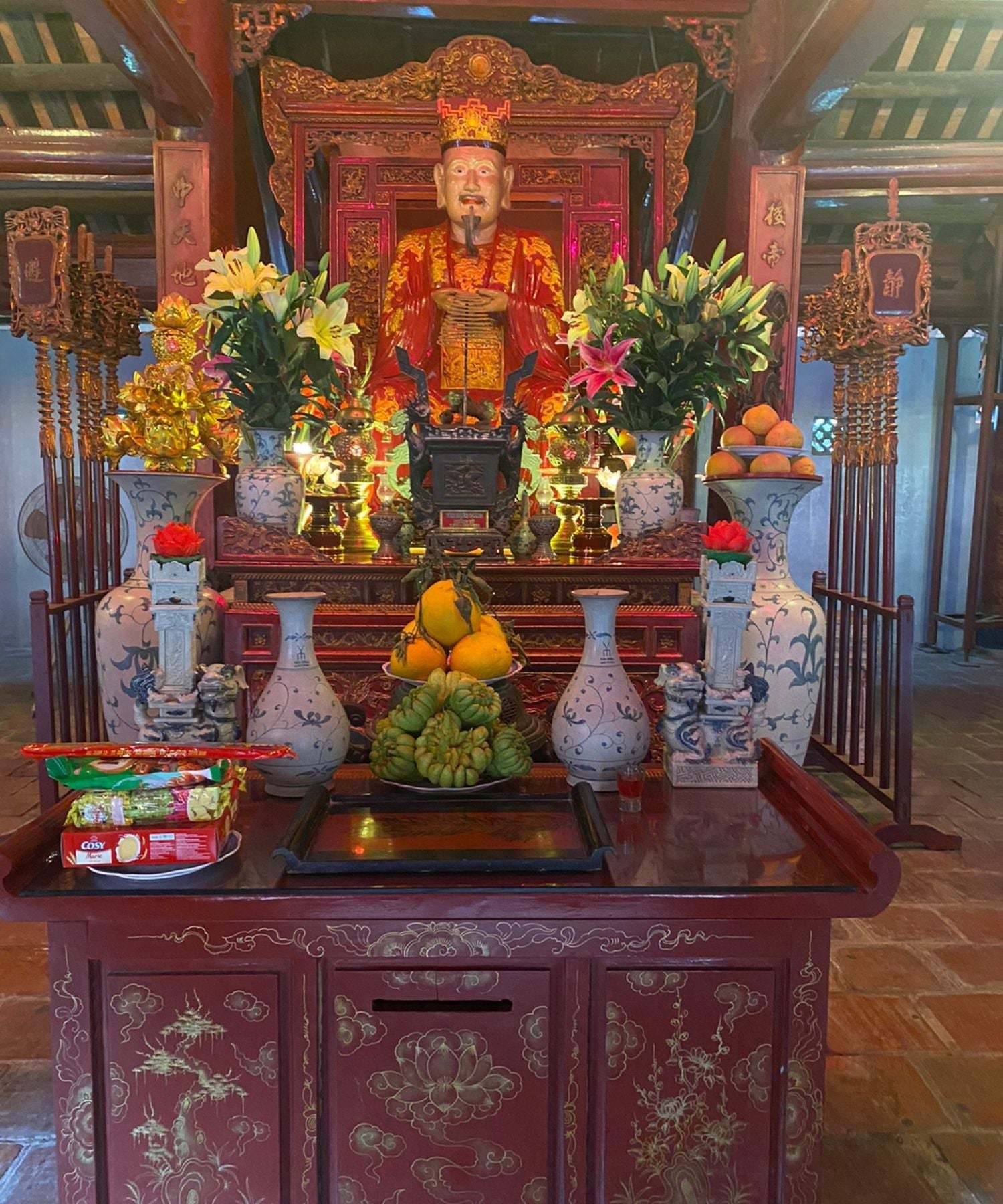
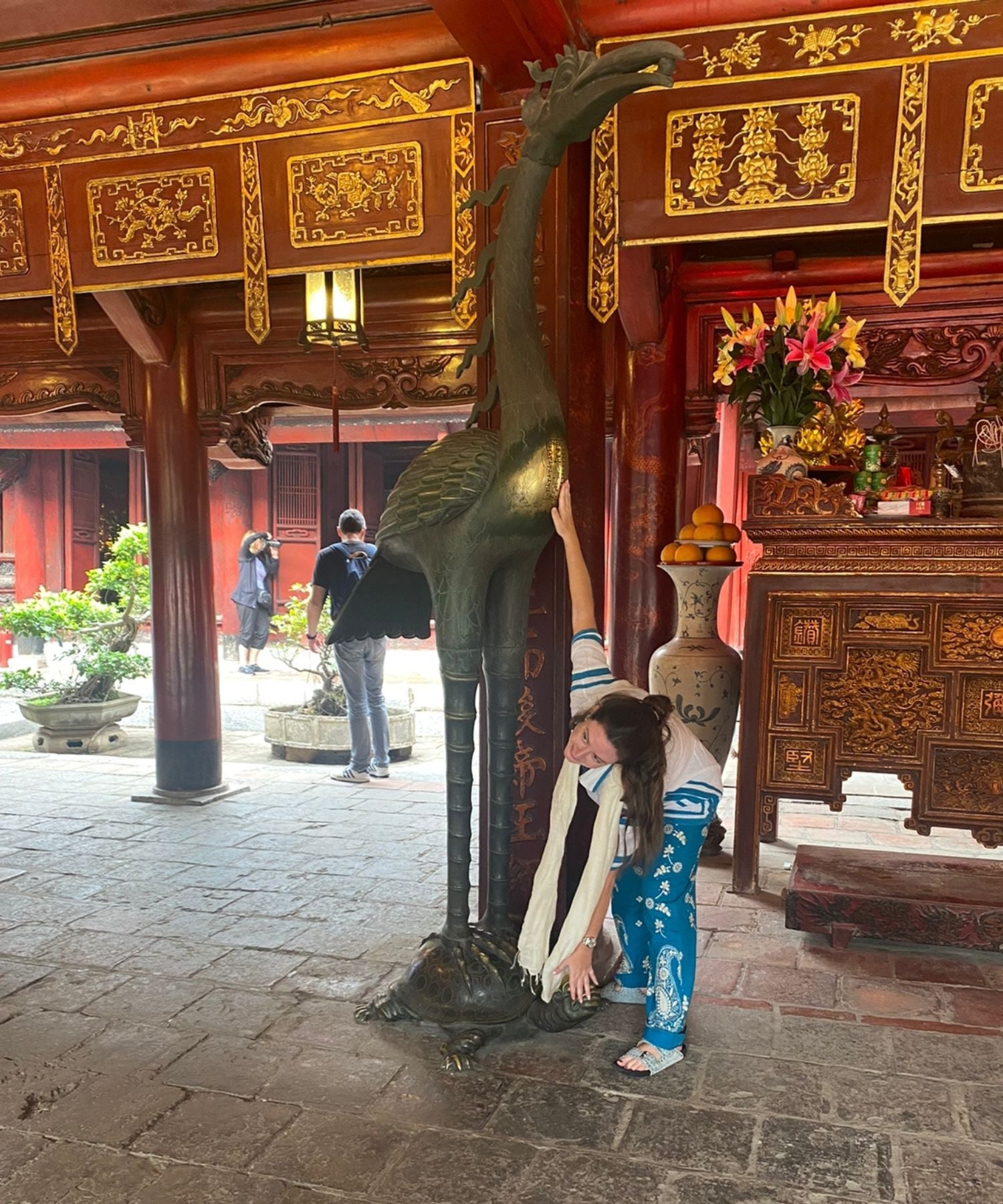
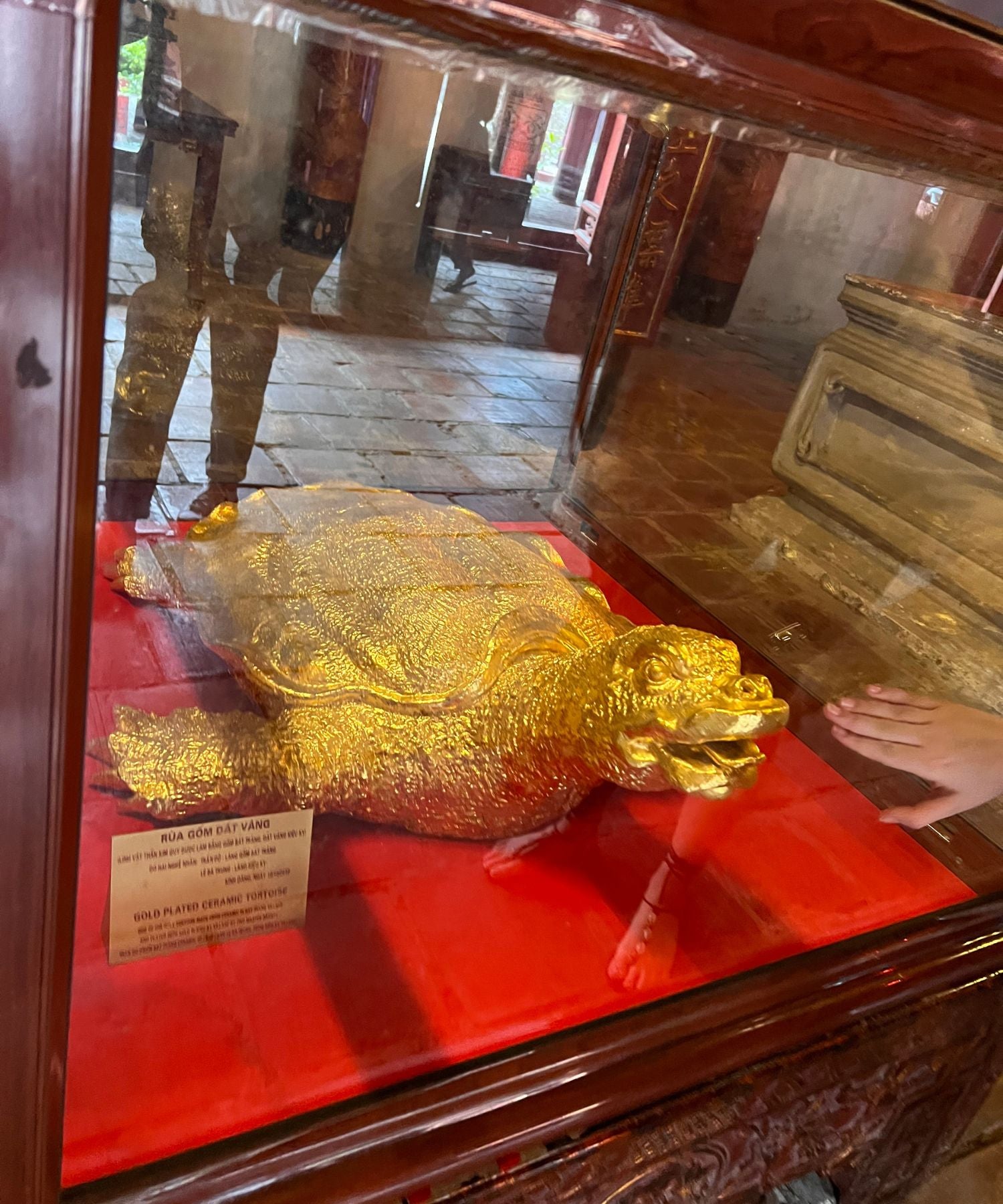
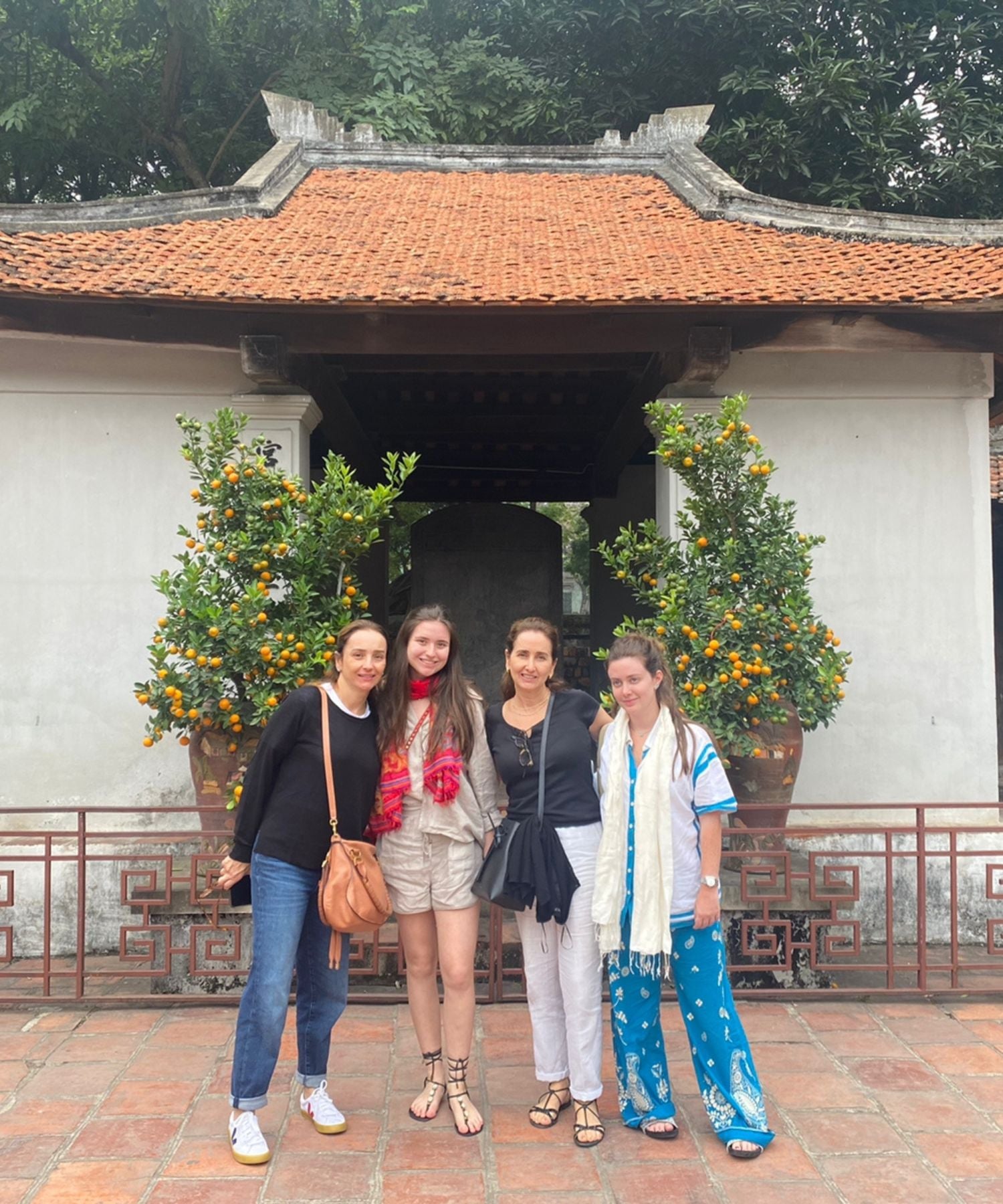
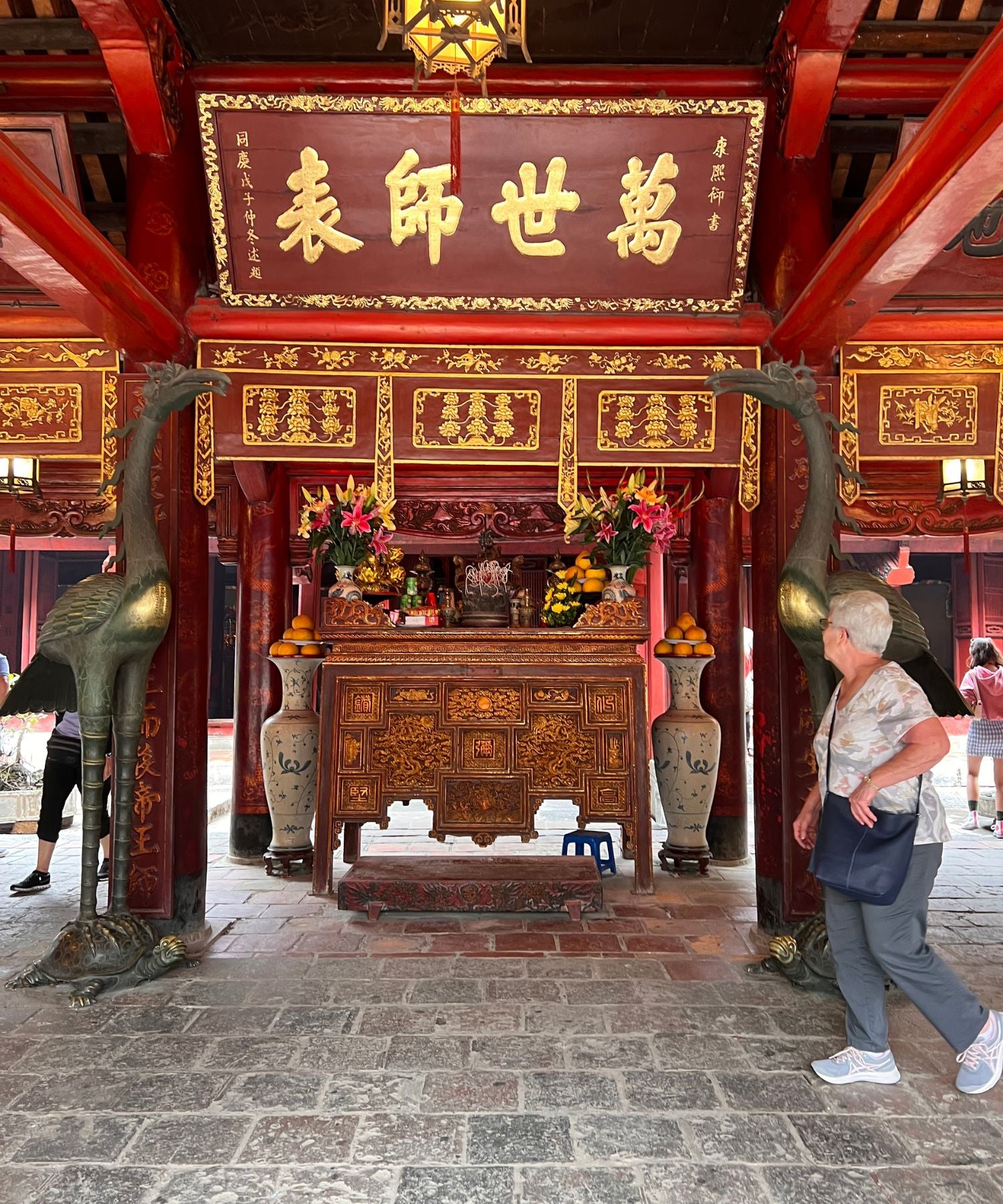
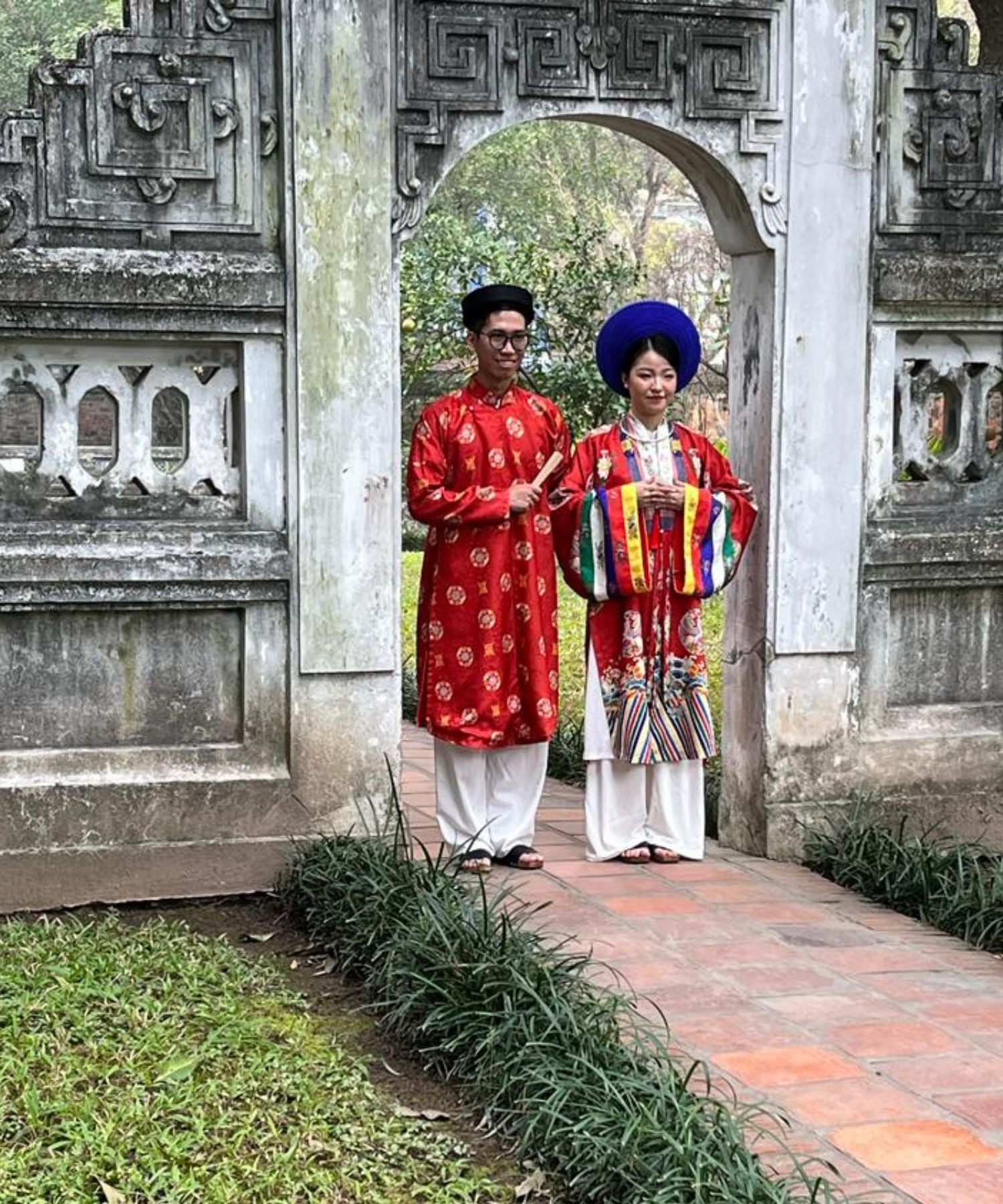
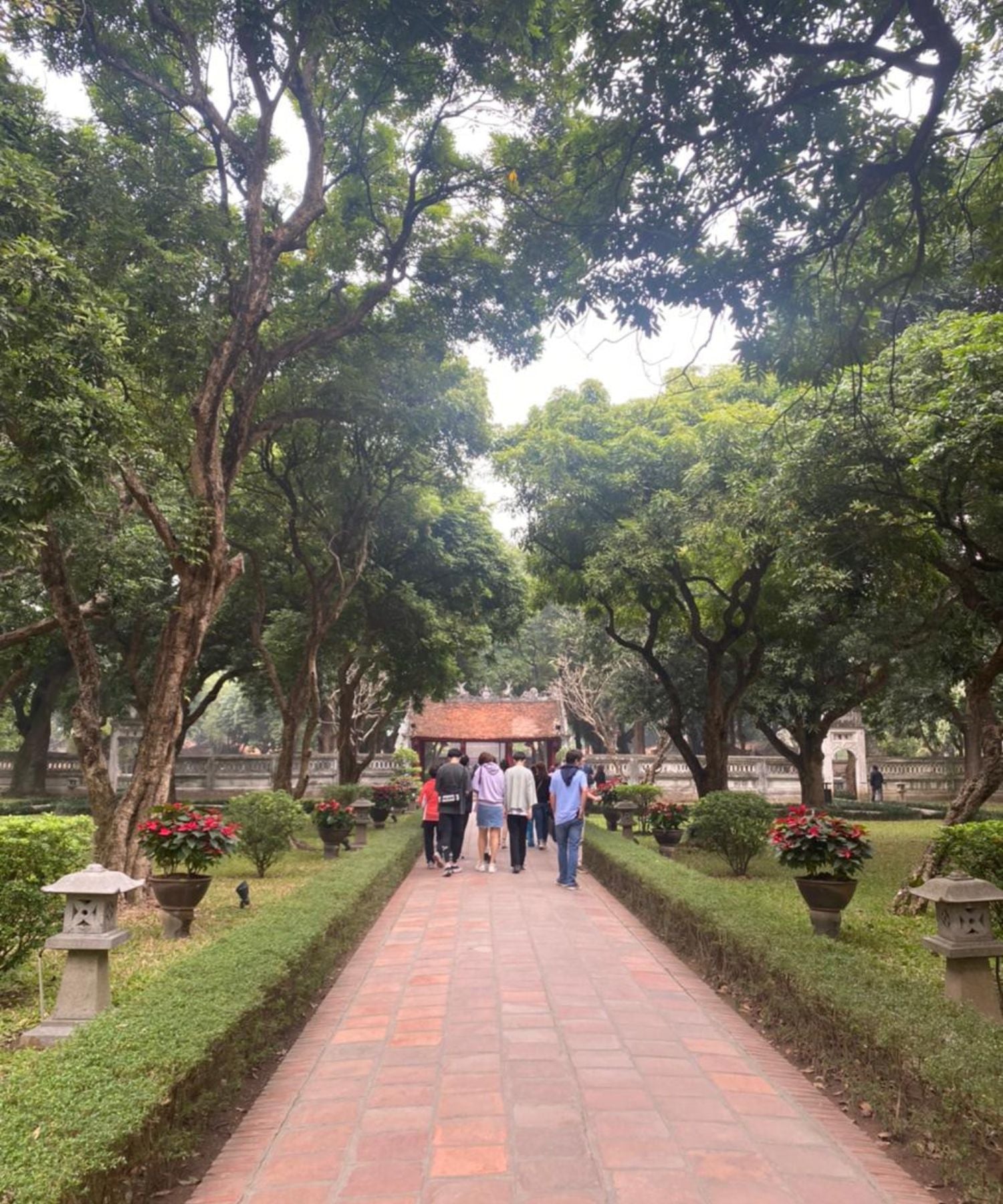
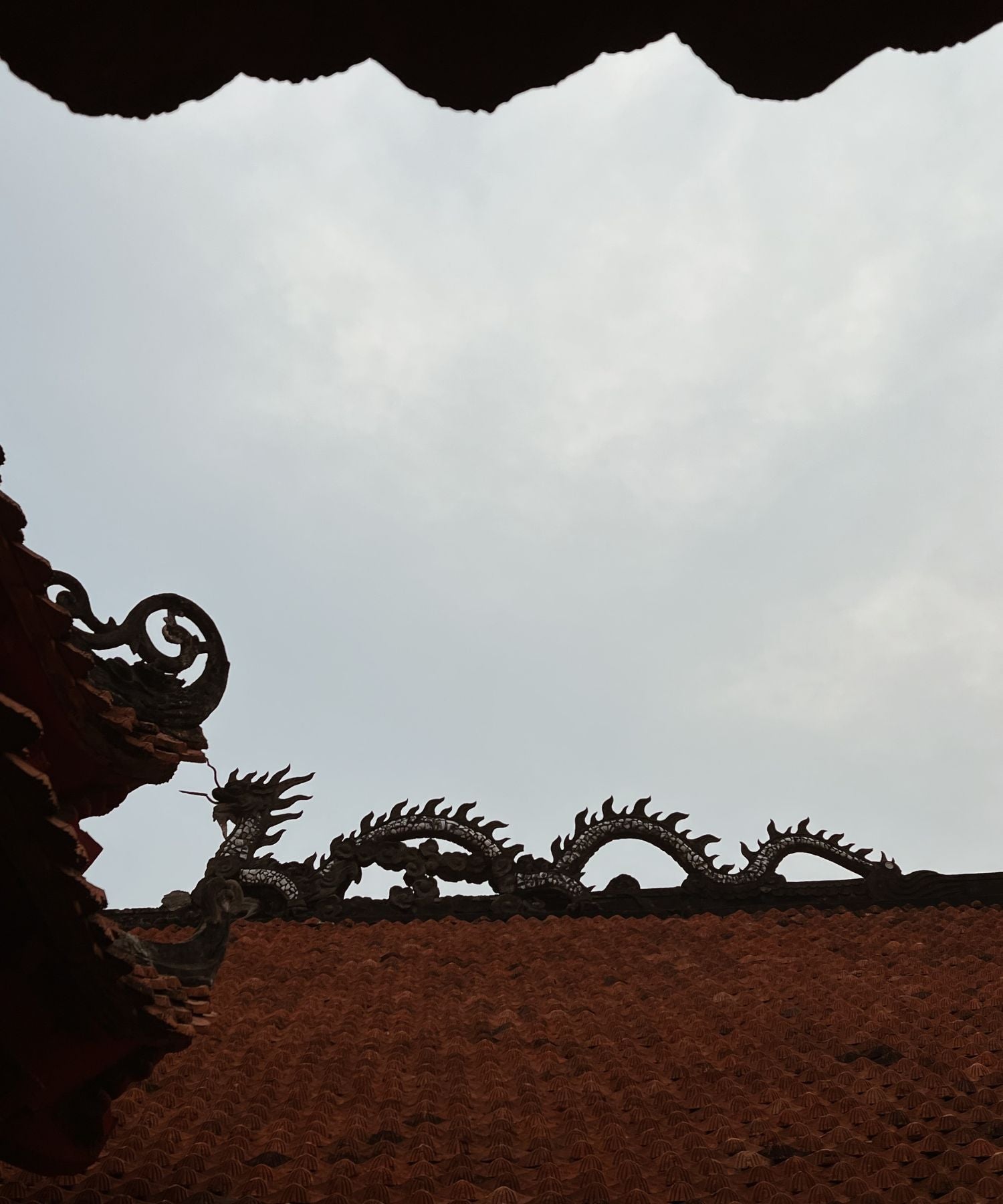
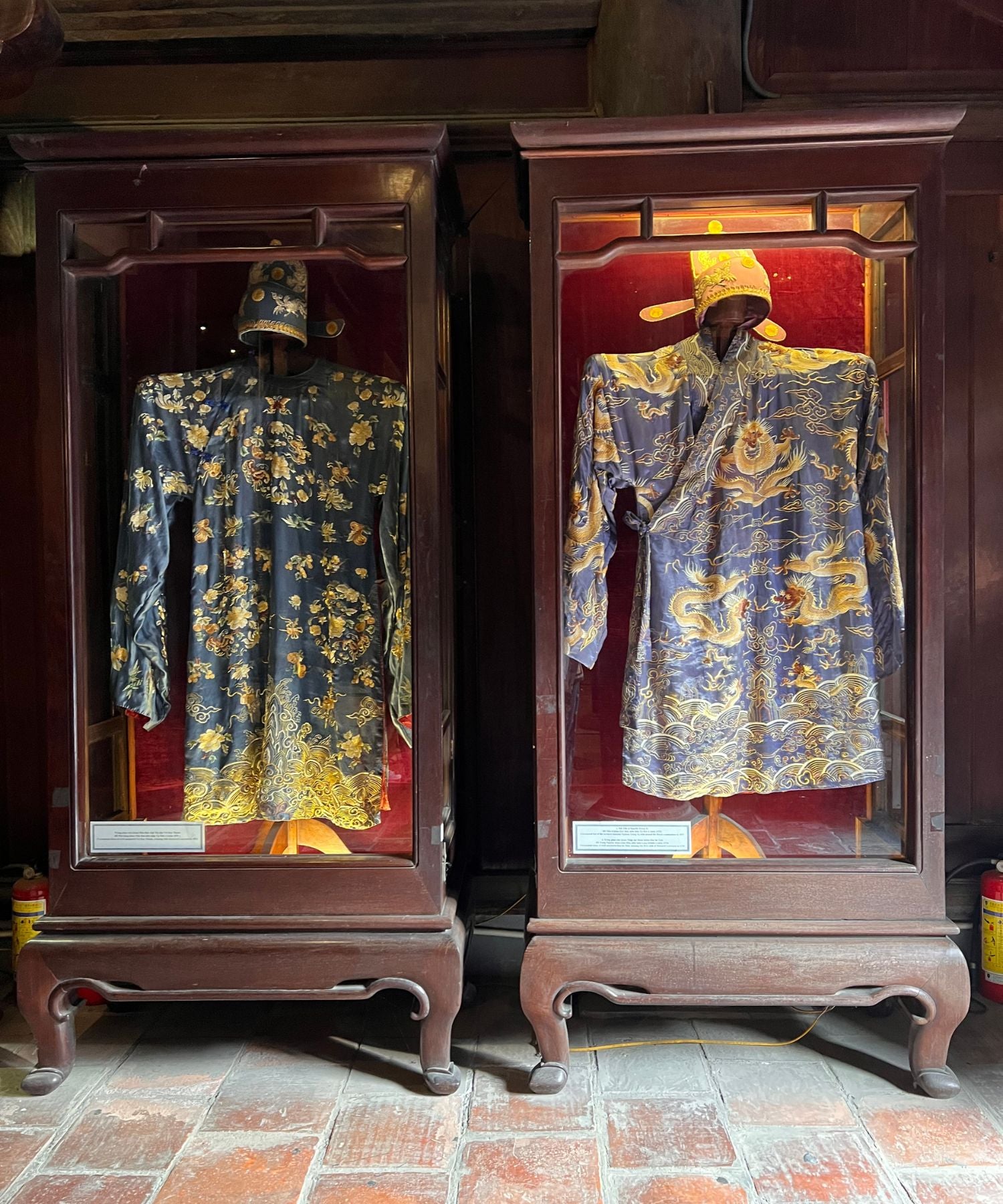
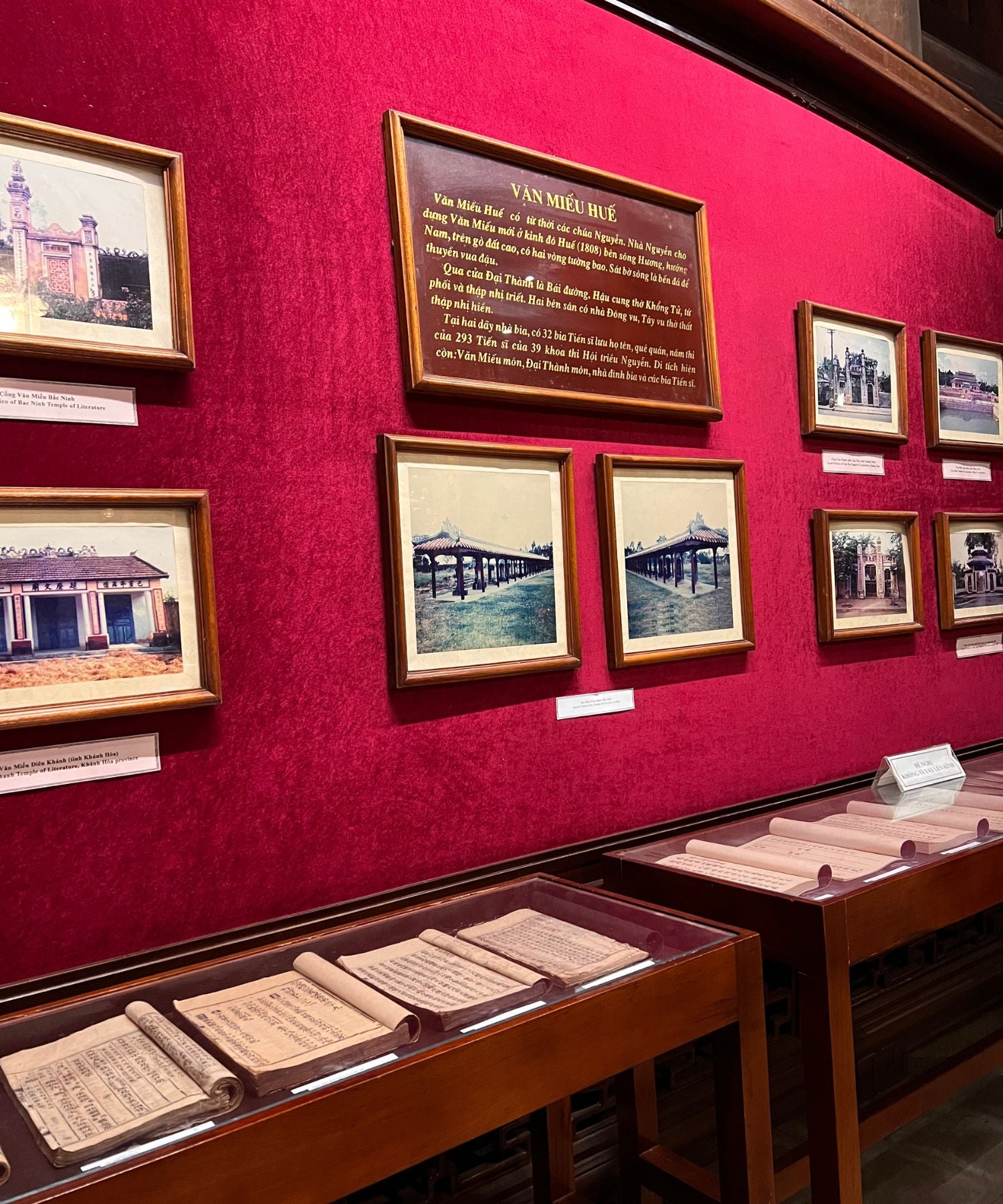
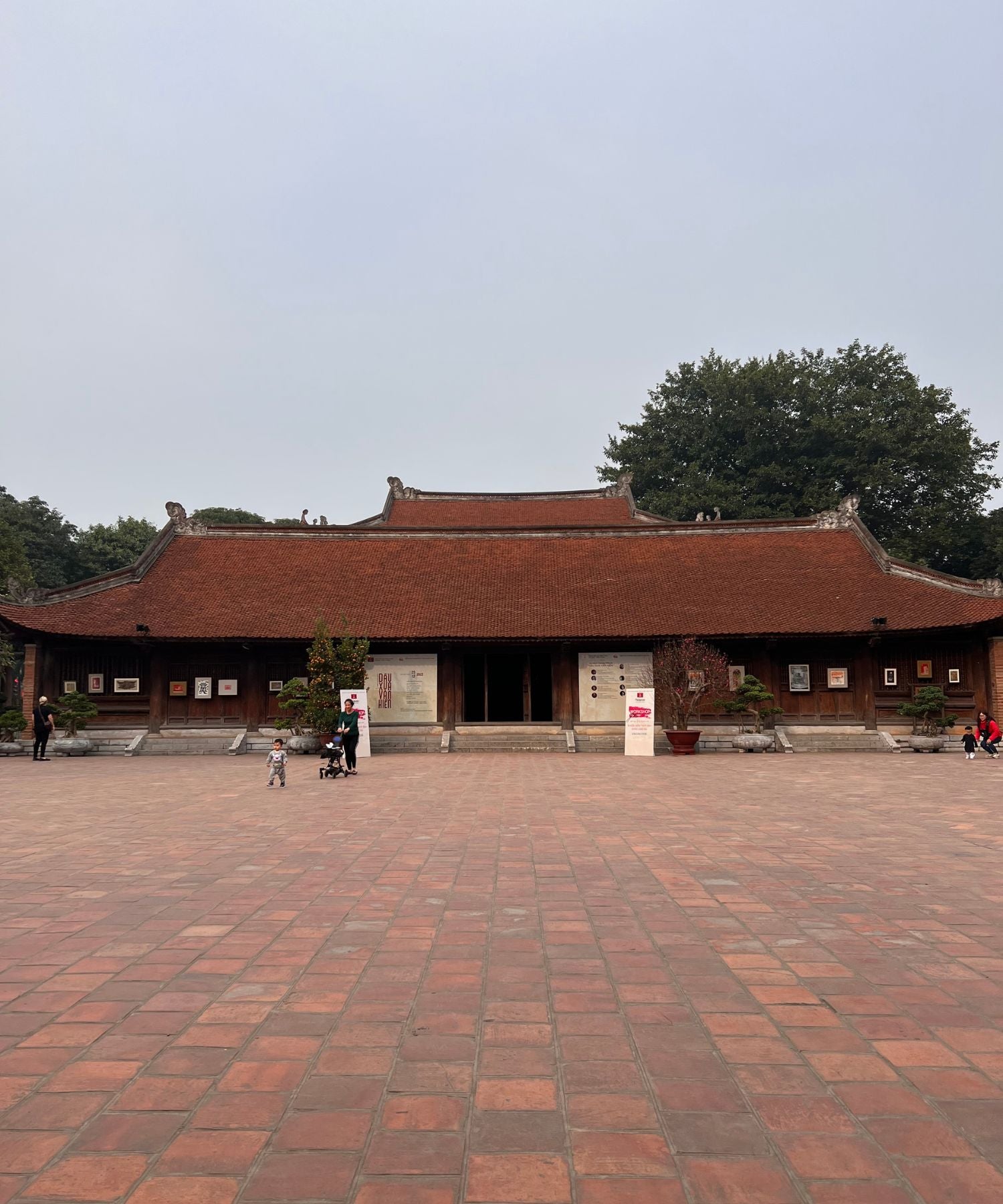
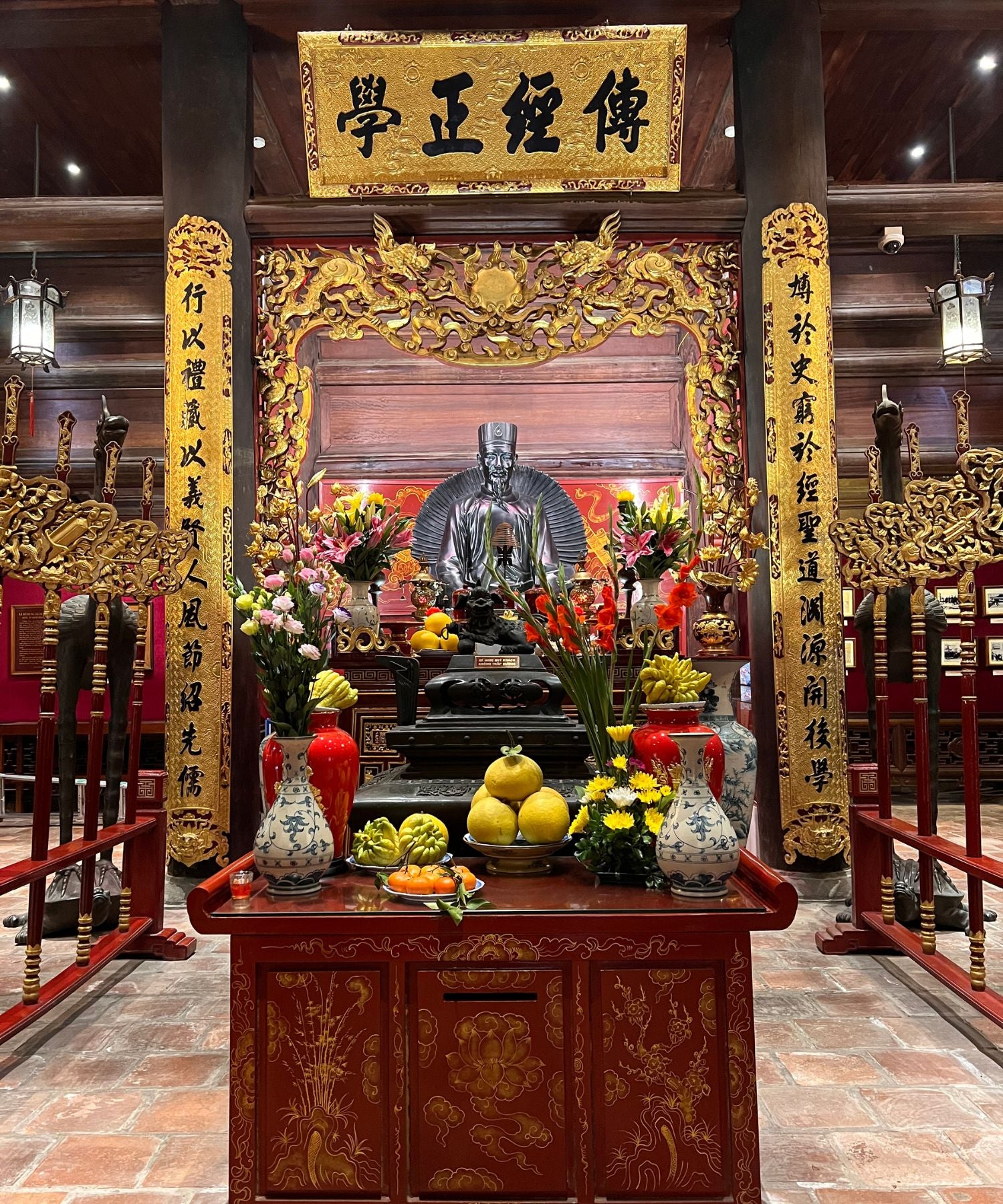
- Temple of Literature: The Temple of Literature is a historic site revered as the country's first university. Built in 1070, it honors Confucius (a Chinese philosopher and teacher born around 551 BC) and is a symbol of Vietnamese education and culture. Its serene gardens and traditional pavilions attract visitors seeking a glimpse of Vietnam's rich academic and artistic heritage.
- Ho Chi Minh Mausoleum: The Ho Chi Minh Temple is a shrine dedicated to the revolutionary leader Ho Chi Minh, founder of the Democratic Republic of Vietnam. The temple houses his mausoleum, where his embalmed body is kept on public display. We didn't go inside; we just passed by it with our guide as she told us his story.
- Ho Chi Minh Museum: The museum displays artifacts, photographs, and exhibits that tell the story of Ho Chi Minh's life and his role in Vietnamese history. It is an important place for understanding the past and the trajectory of modern Vietnam. Since we only had one full day in the city, we ended up not visiting this museum.
- Hanoi Citadel: The Hanoi Citadel is a historic fortress in the heart of the city. It houses palaces, temples, and ancient structures, reflecting the country's rich cultural and architectural heritage.
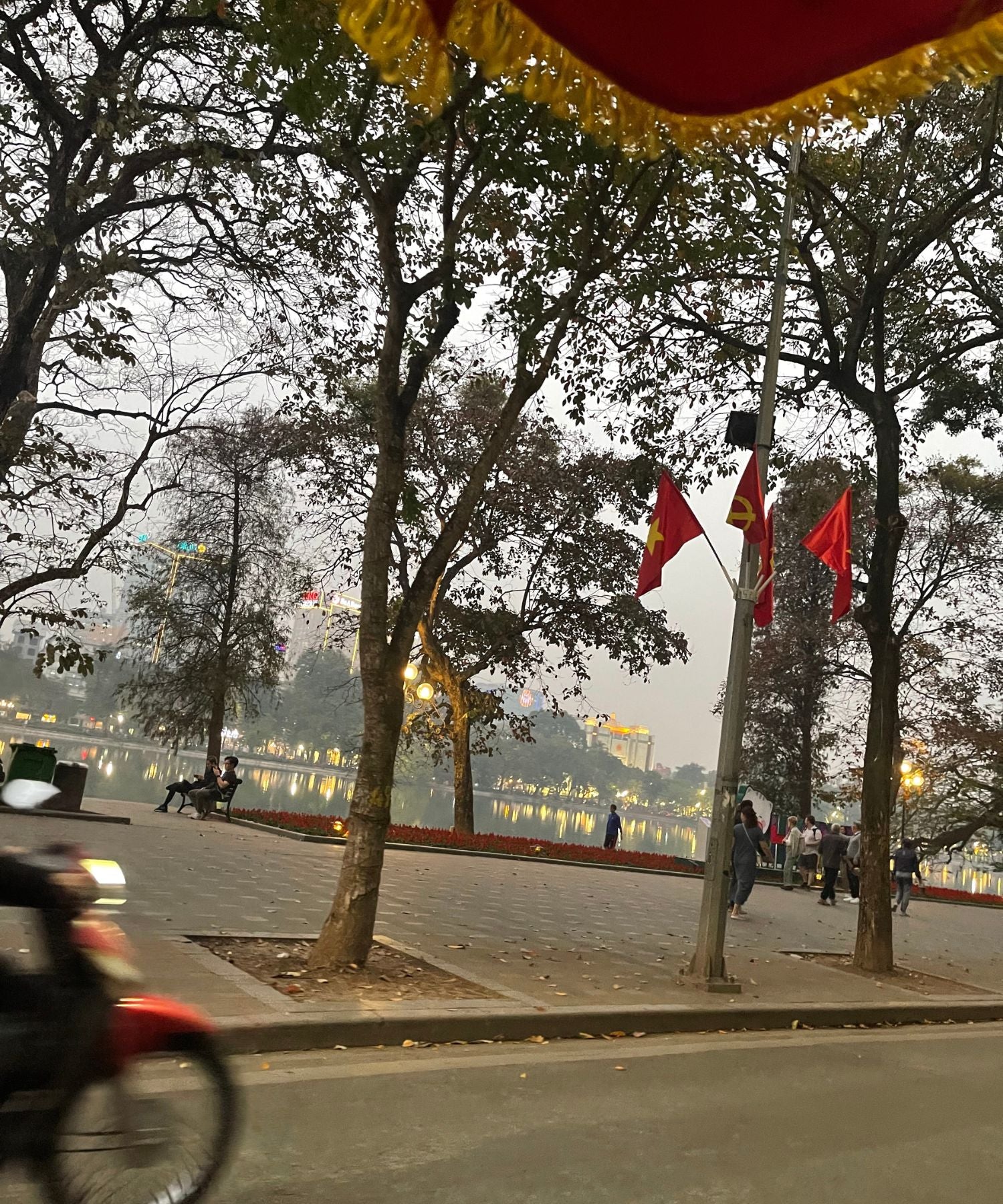
- Hoan Kiem Lake: The lake is an oasis in the city center, with a really pleasant atmosphere, people exercising, and others walking their children or pets.
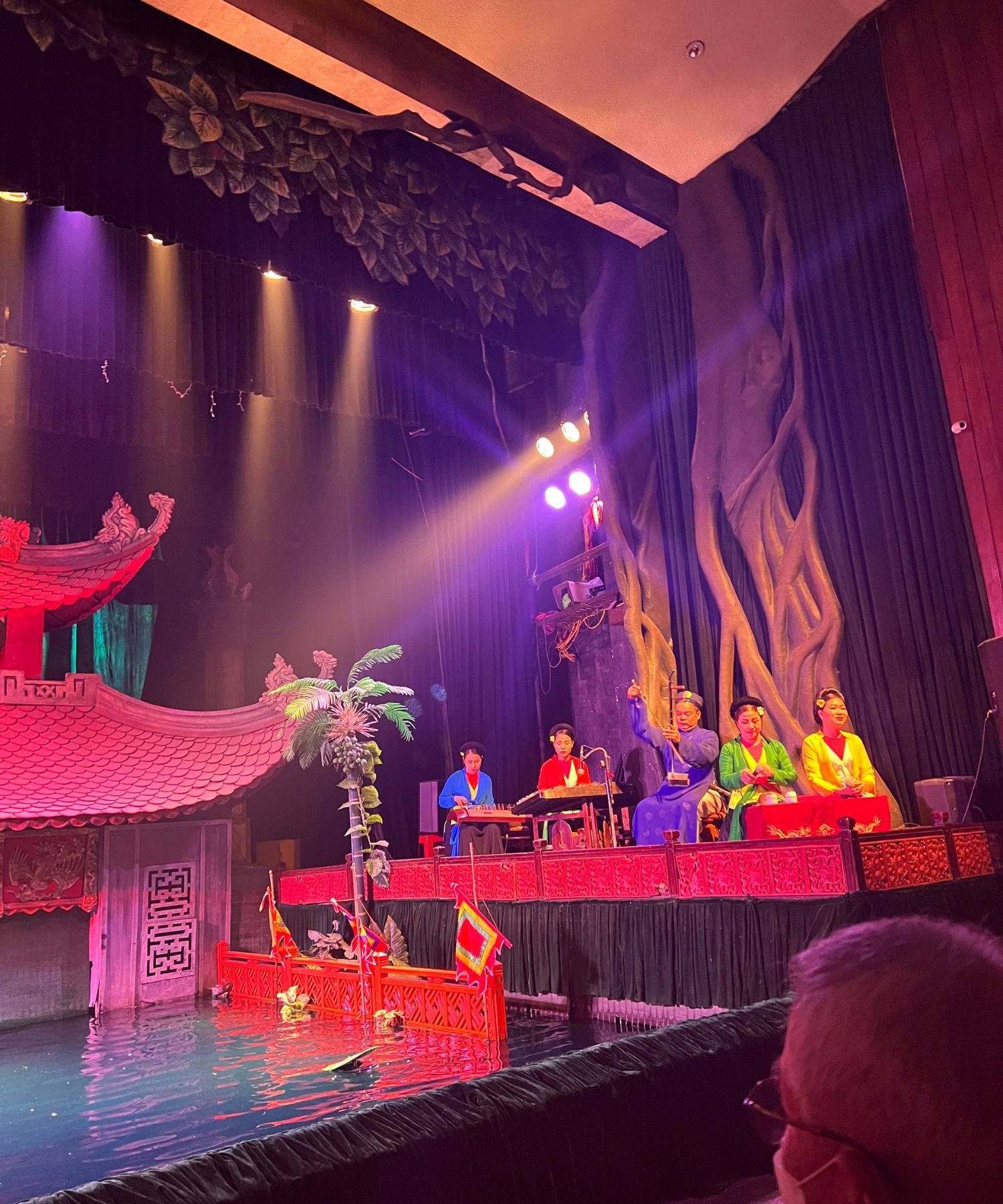
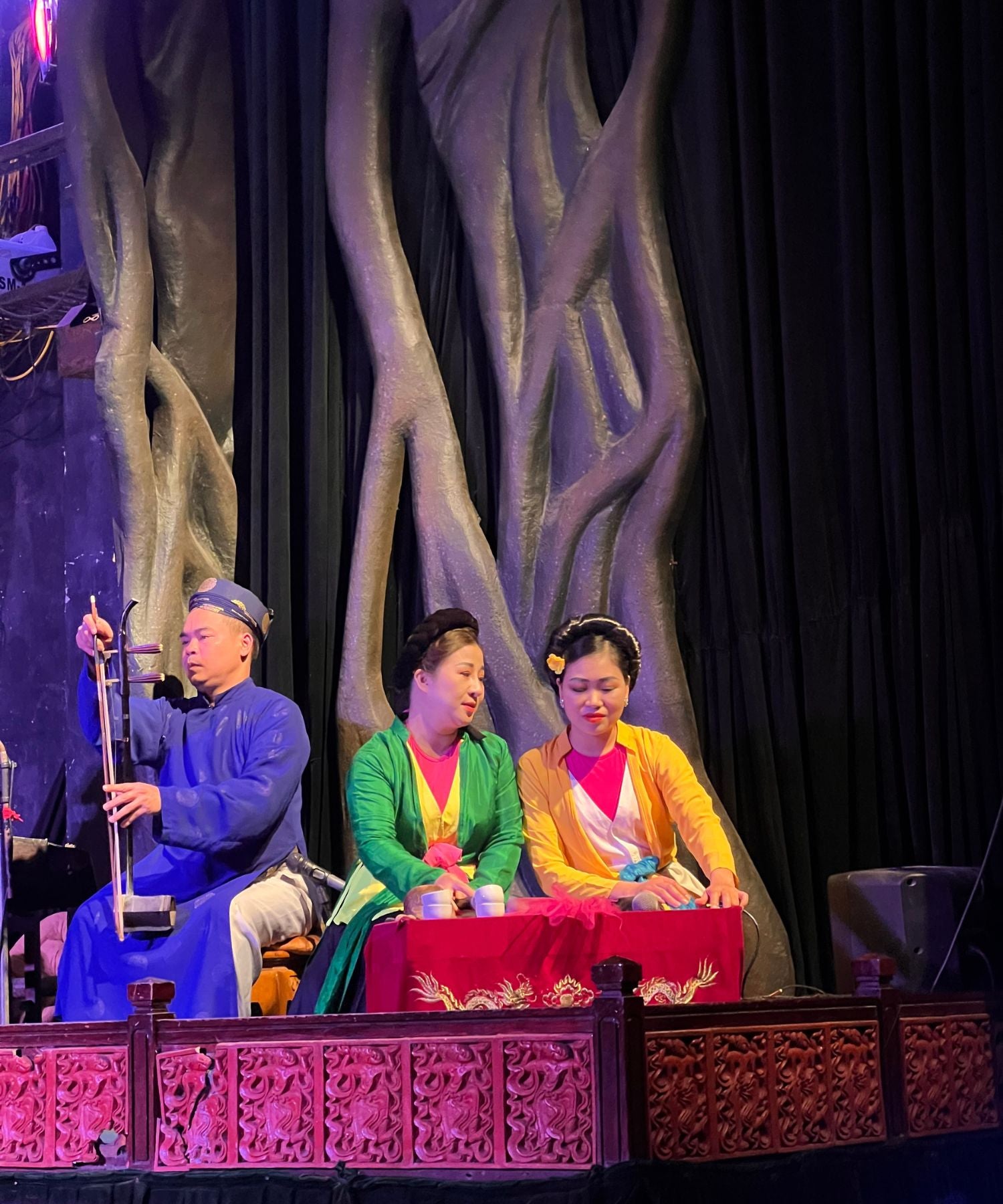
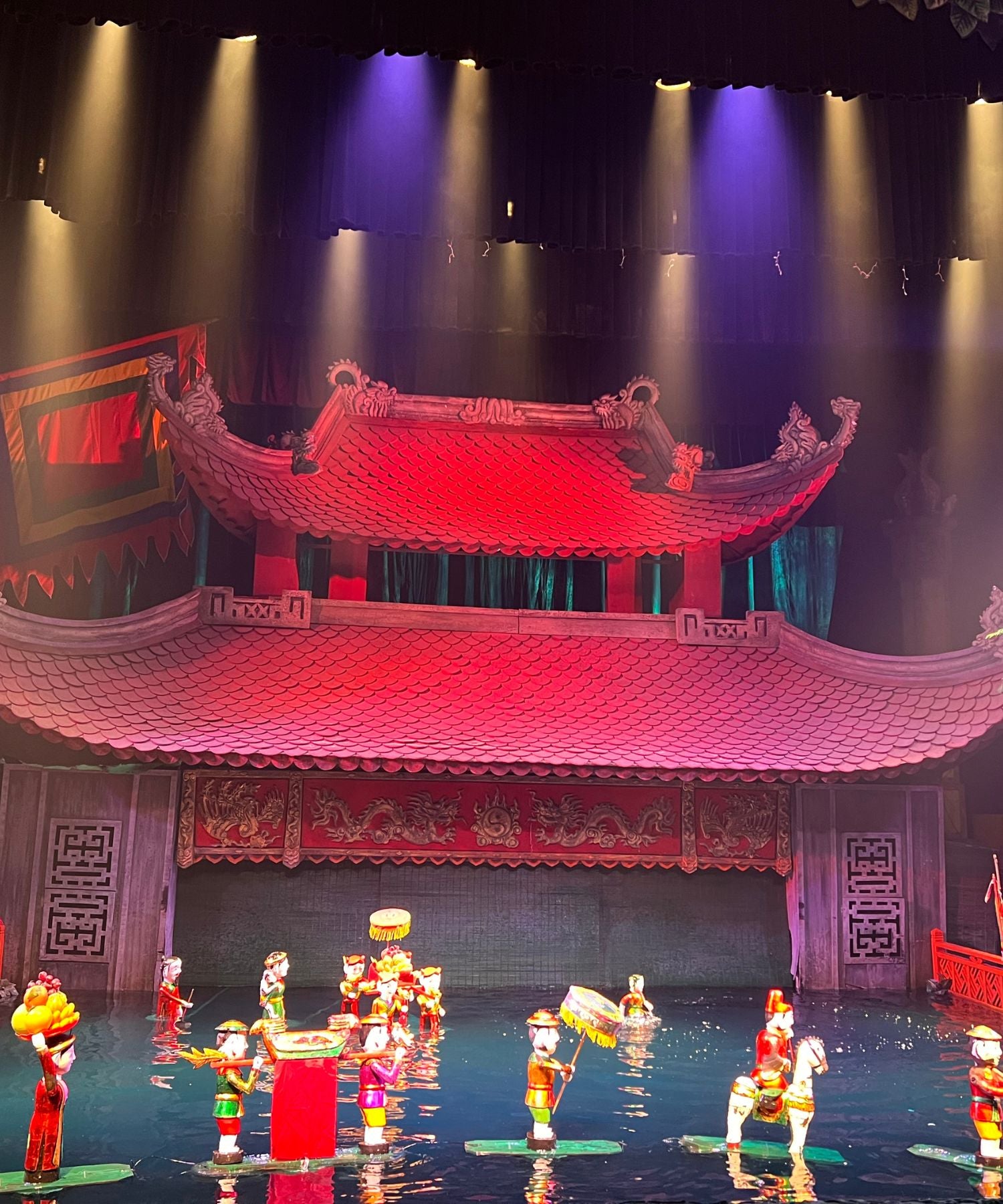
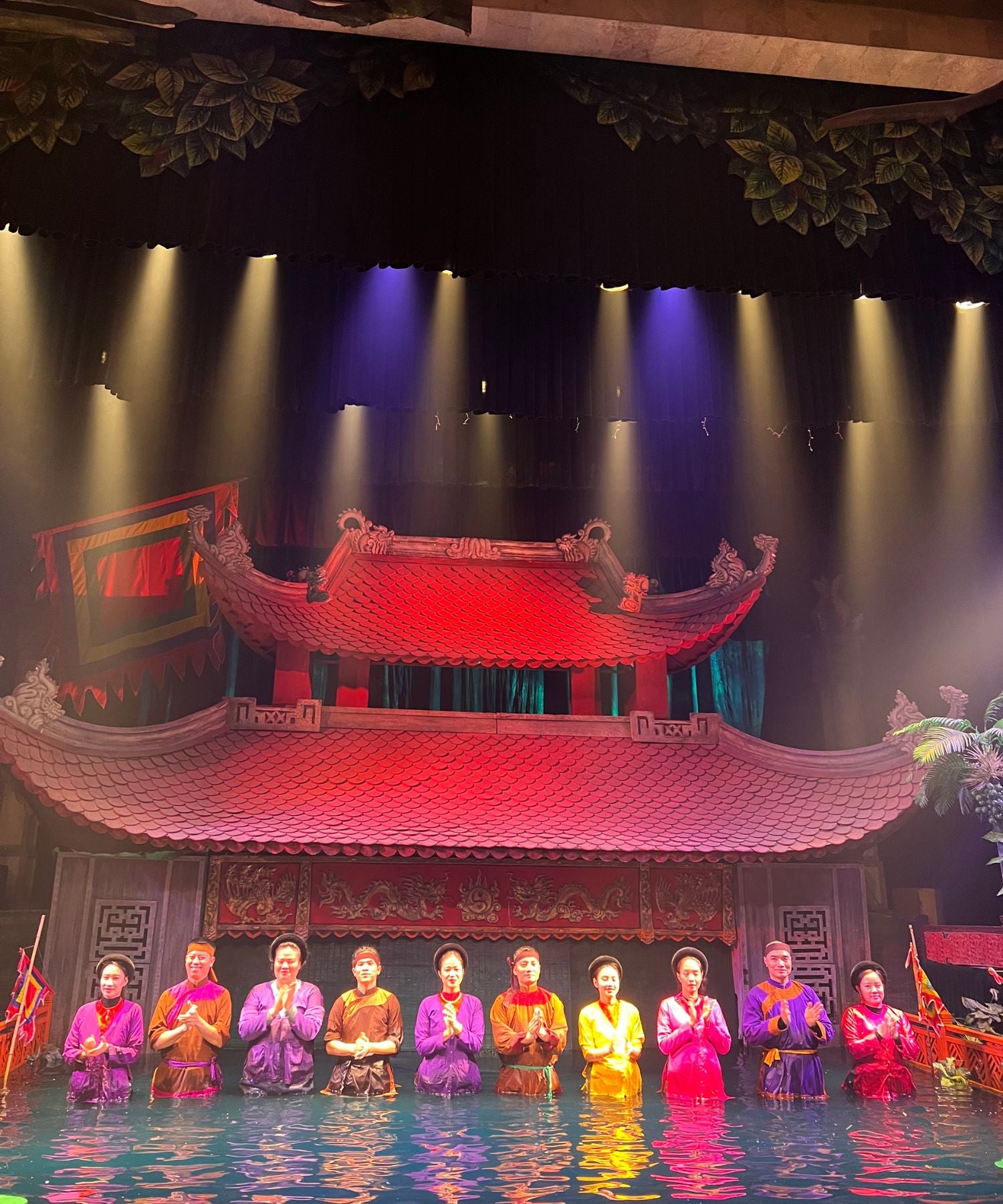
- Water Puppet Show: The Water Puppet Show in Hanoi is a traditional performance that combines theater, music, and water puppets. Performed on a water stage, it depicts scenes from Vietnamese life, such as agriculture and folklore, in a culturally rich way. My family hated this excursion and almost killed me for including it in our itinerary. Almost everyone slept through the 45-minute show, and those who stayed awake complained a lot. I thought it was interesting to see more of the local culture, but honestly, it's a bit of a drag. I wouldn't recommend it.
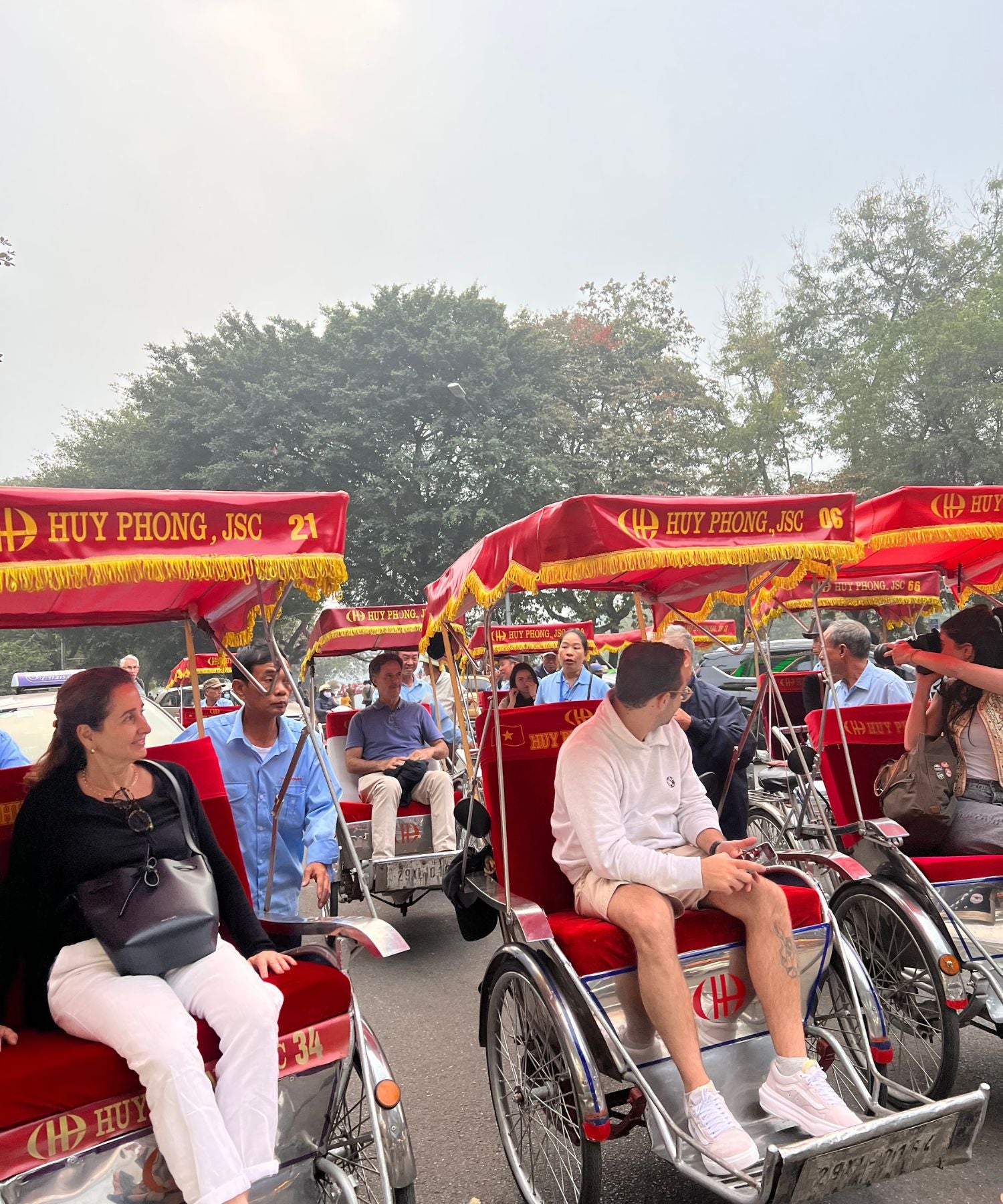
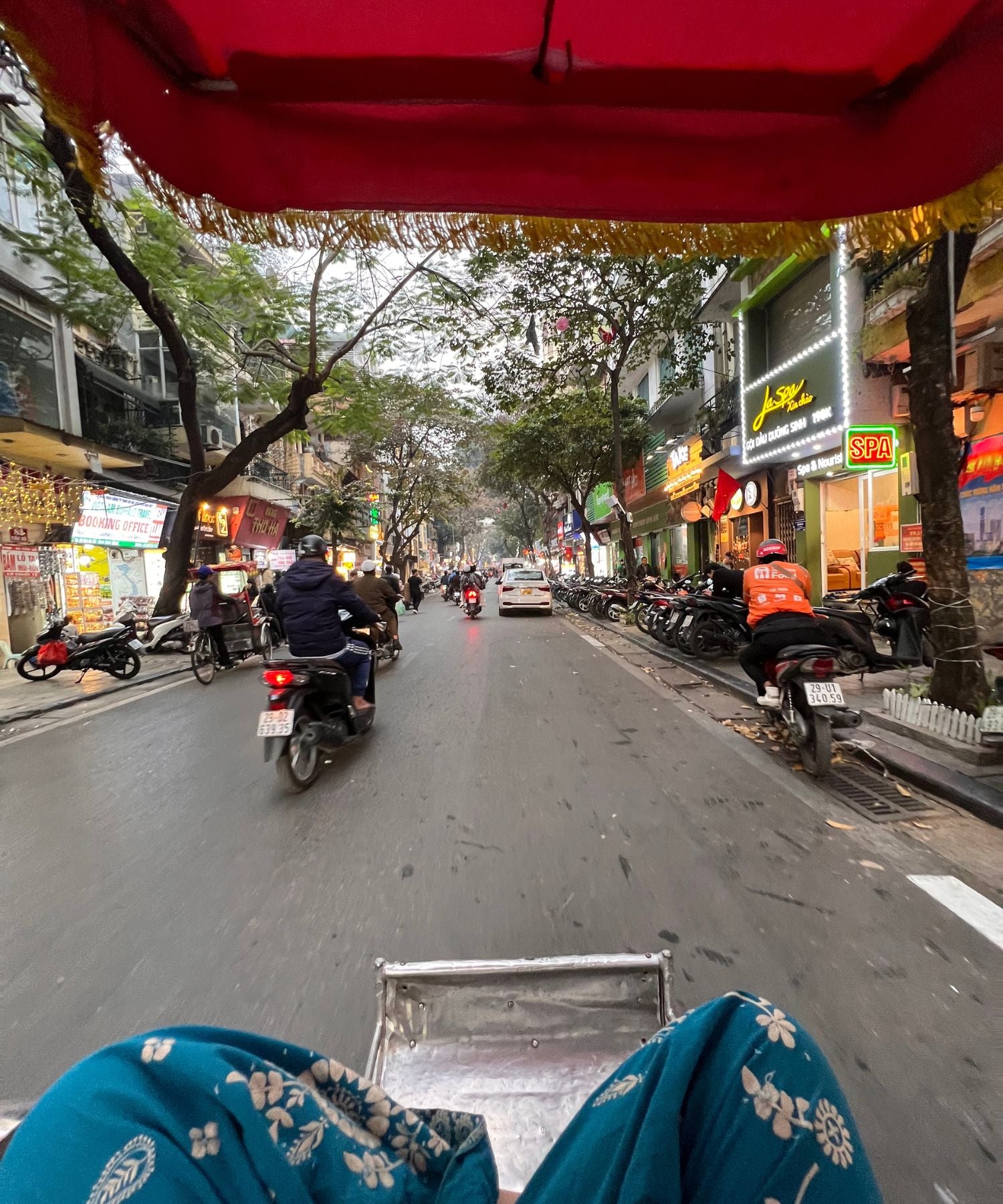
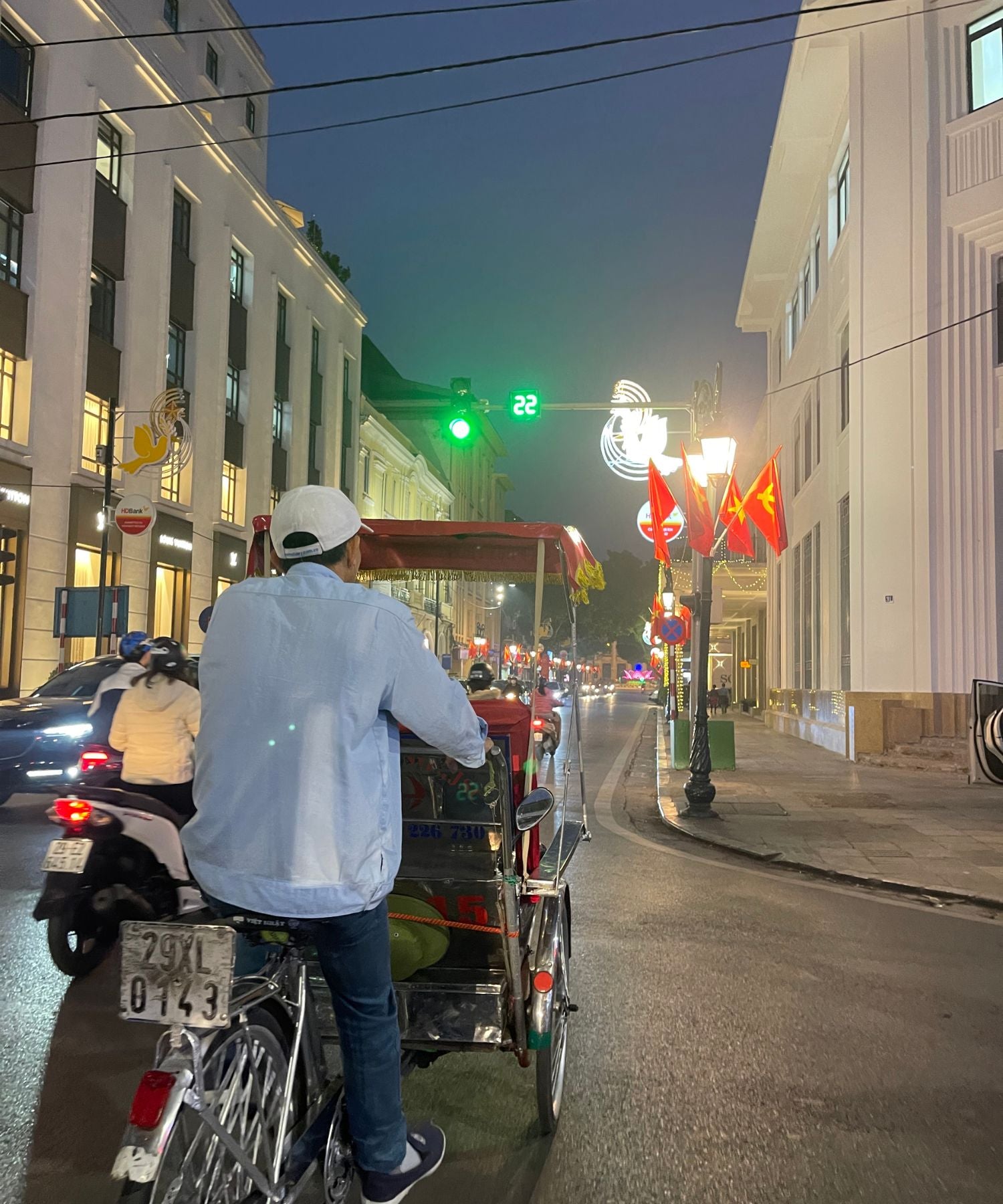
- Tuk Tuk Ride: A really fun and "thrilling" way to explore the city. We drove through narrow 15th-century streets, each named after the trade that used to take place there, such as Silk Street, Rice Street, Paper Street, and Jewelers' Street.
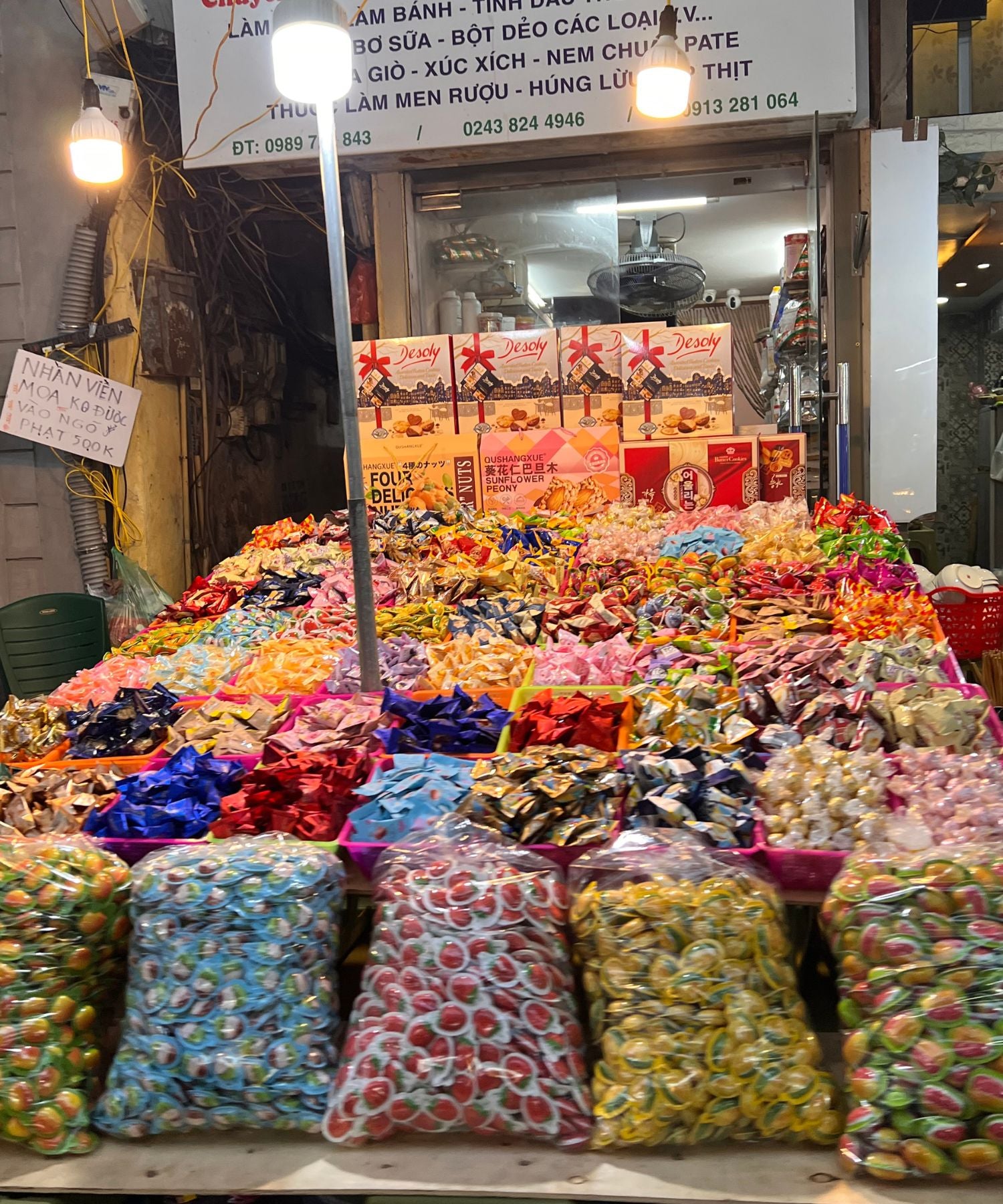
- Night Market: Located in the Old Quarter, it offers a variety of products, from handicrafts and clothing to local street food. More of the same as the other night markets we visited on the trip.
Bars and restaurants
Since our time in the city was short and very hectic due to the schedule, we ended up eating only at the hotel, which has excellent restaurants and bars.
3rd destination
Ha Long Bay
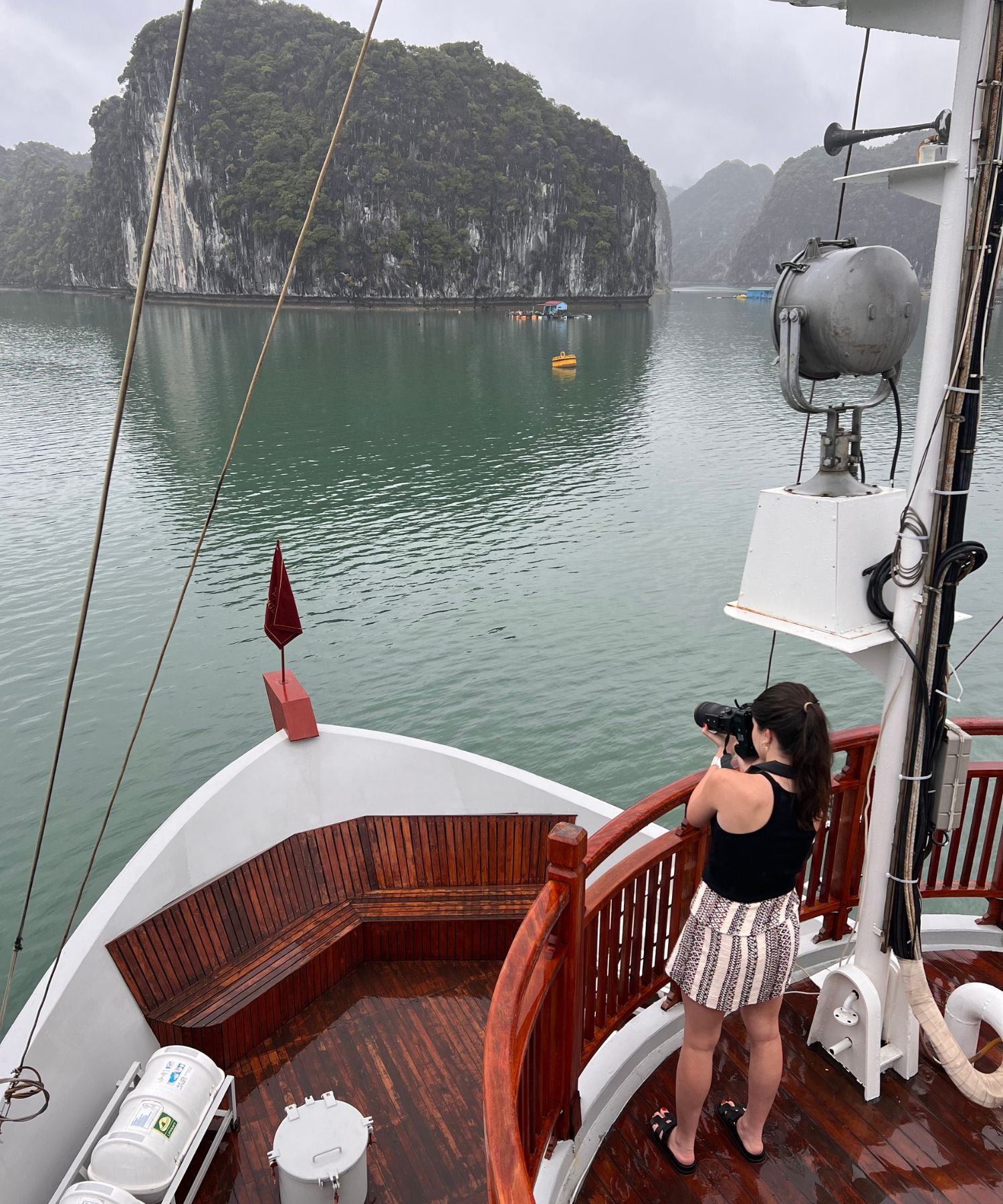
Our last destination in Vietnam was Halong Bay. After a three-hour transfer from Hanoi, we arrived at the port to board. We took a speedboat to our sailing boat, inspired by traditional Vietnamese junk boats.
Recognized as a UNESCO World Heritage site since 1993, this bay is one of the best known in the world and one of Vietnam's most famous postcards.
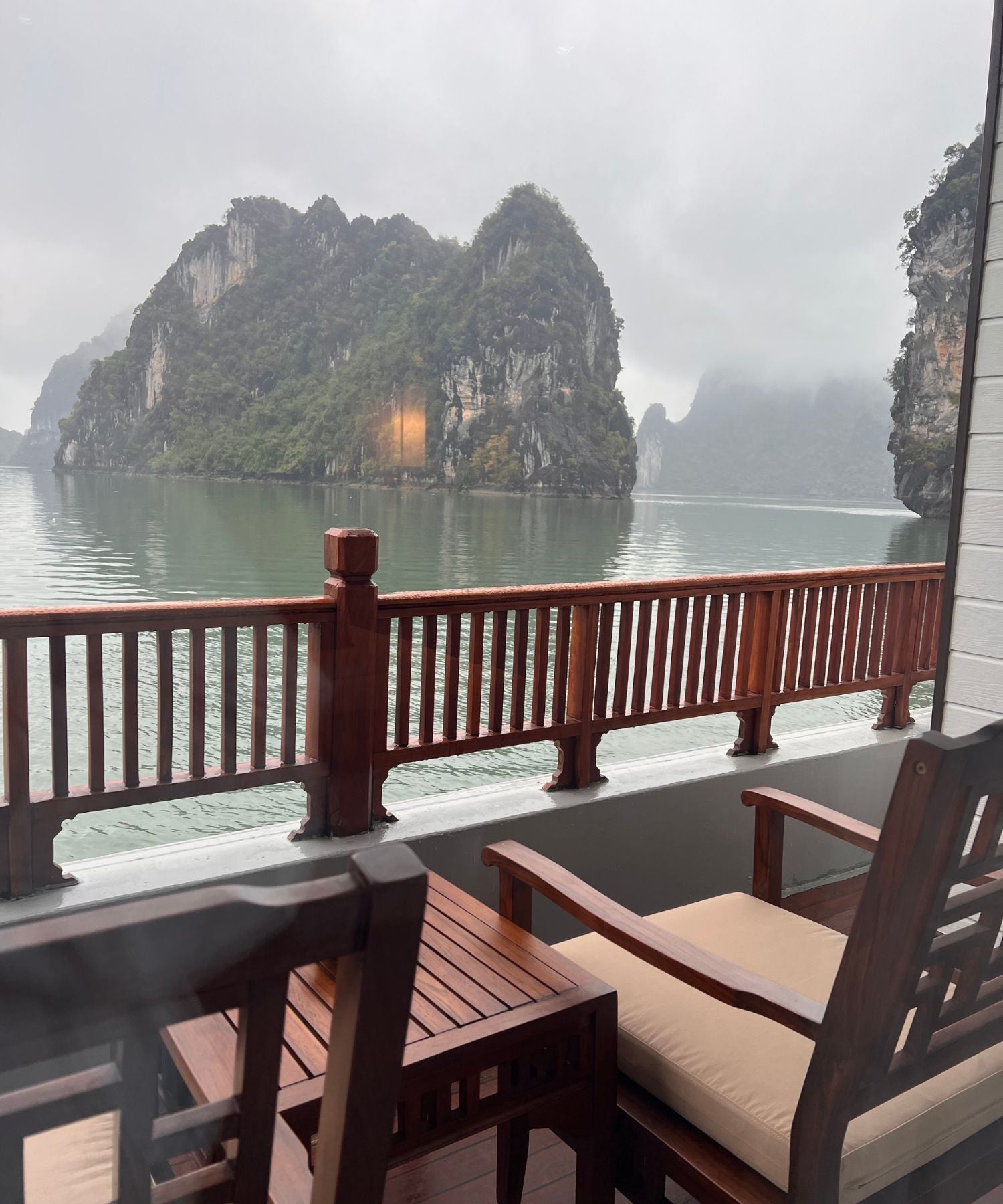
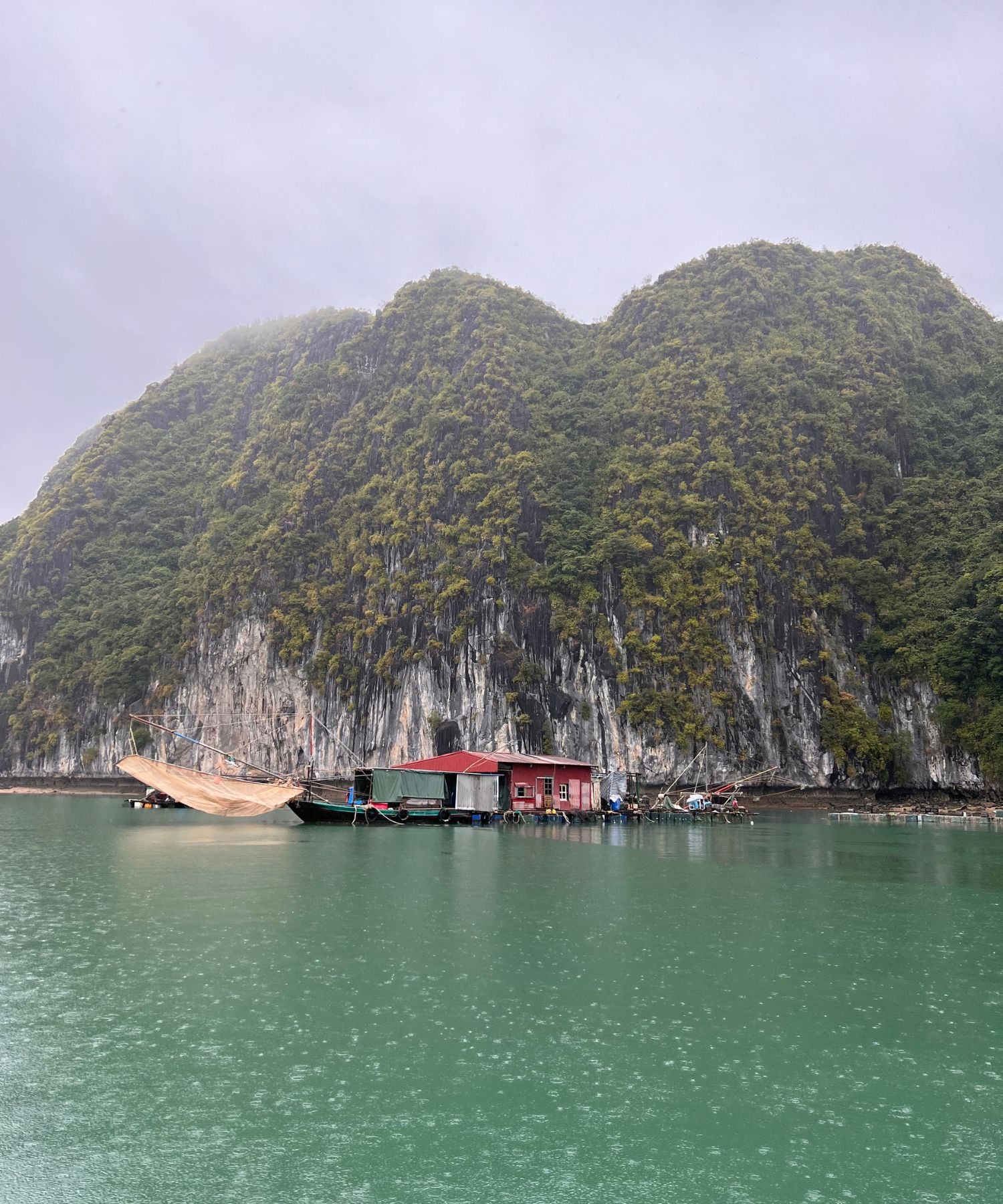
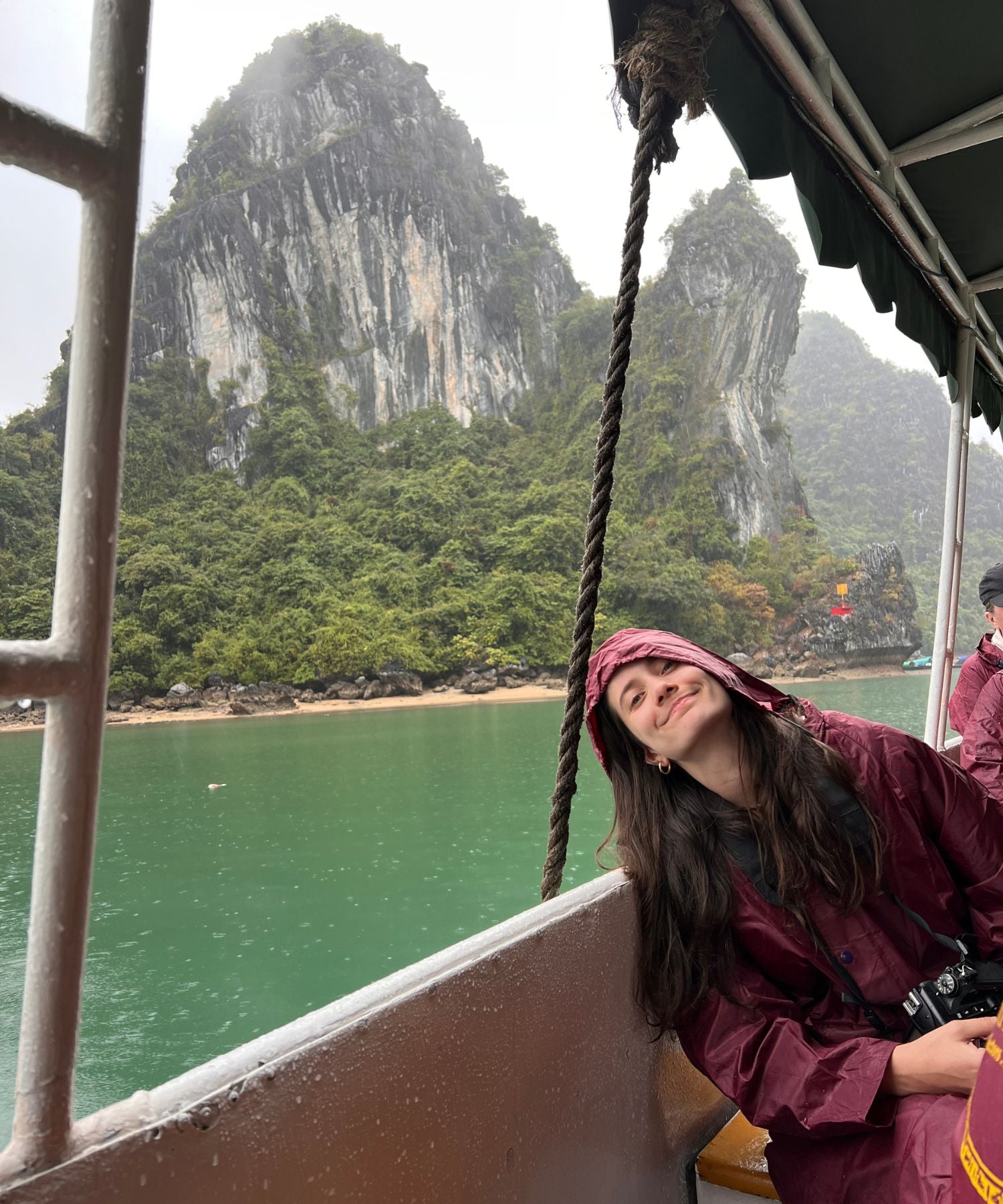
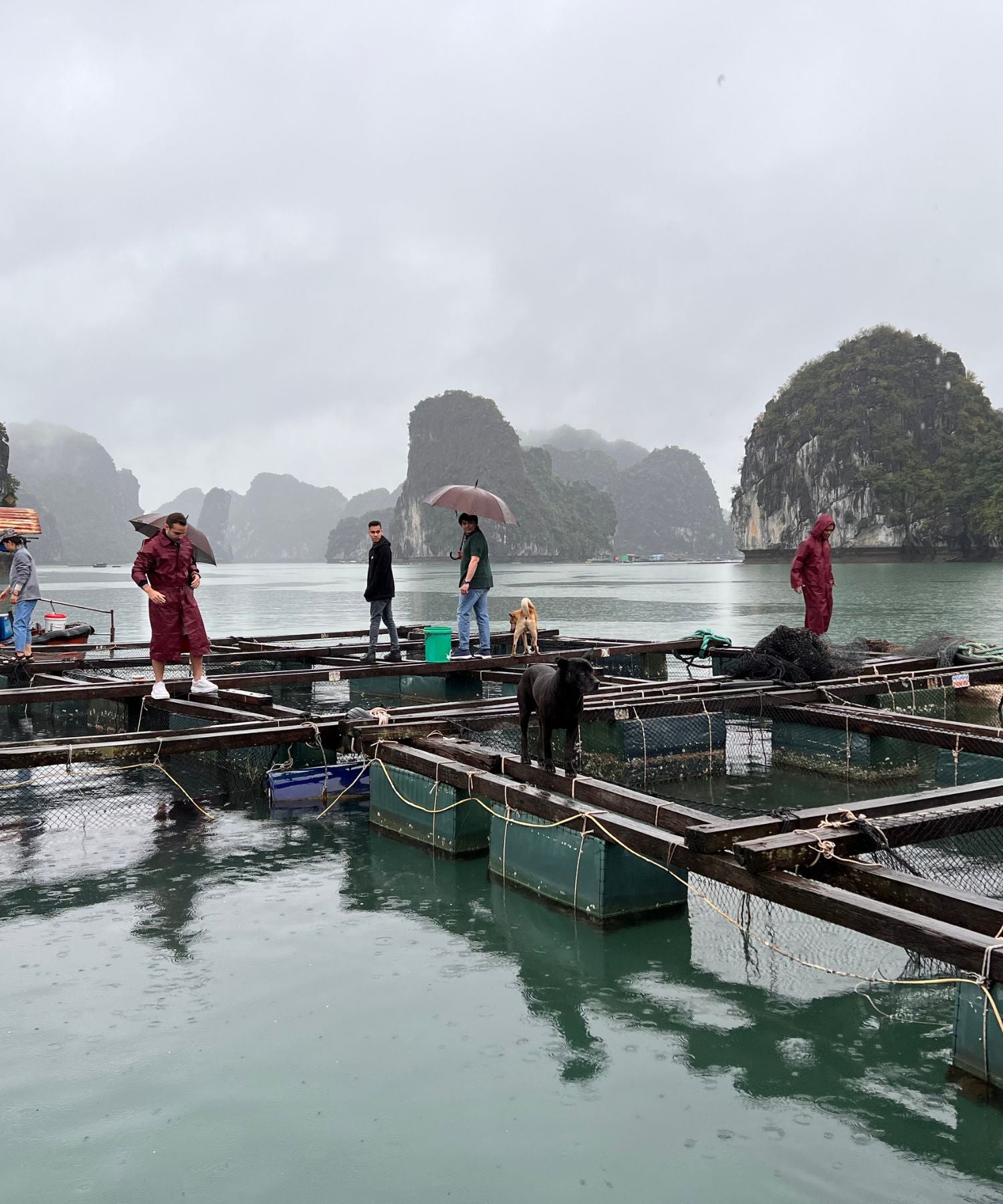
Its emerald-green waters and more than two thousand limestone islets covered in vegetation stretch over 120 km. Some house small floating fishing villages, while others hide caves or small beaches, but none of them are inhabited or have any kind of development.
The Boat
We stayed aboard the Heritage Line Ginger Cruise, a traditional boat, as we wanted a more authentic experience. However, there are several options for more modern and even luxurious boats.
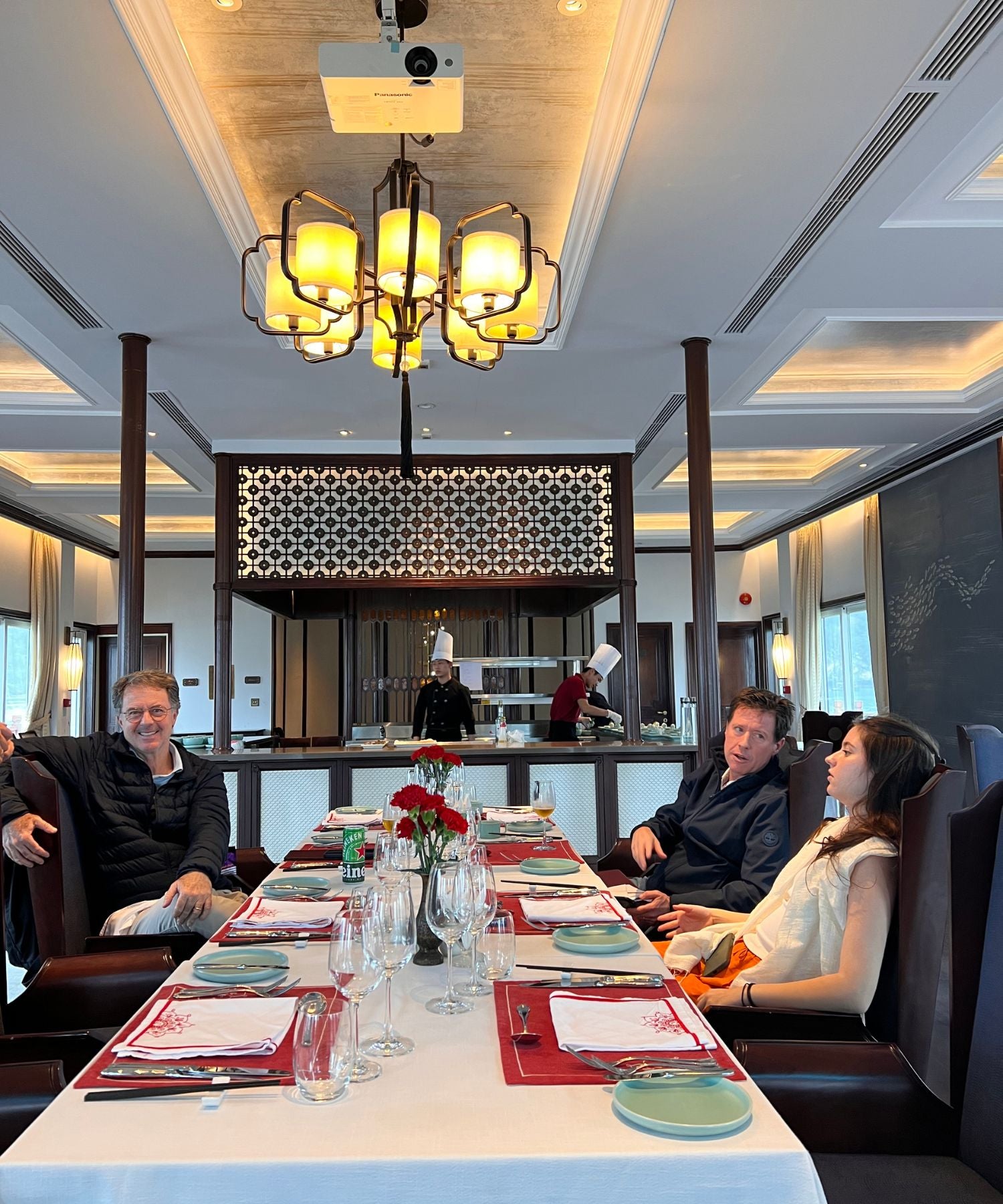
- Schedule: We boarded at 12:30 p.m. and were welcomed by the crew with a welcome drink. We went up to the restaurant for a brief safety briefing and an overview of our schedule, then lunch was served while we admired the surreal scenery of the bay.
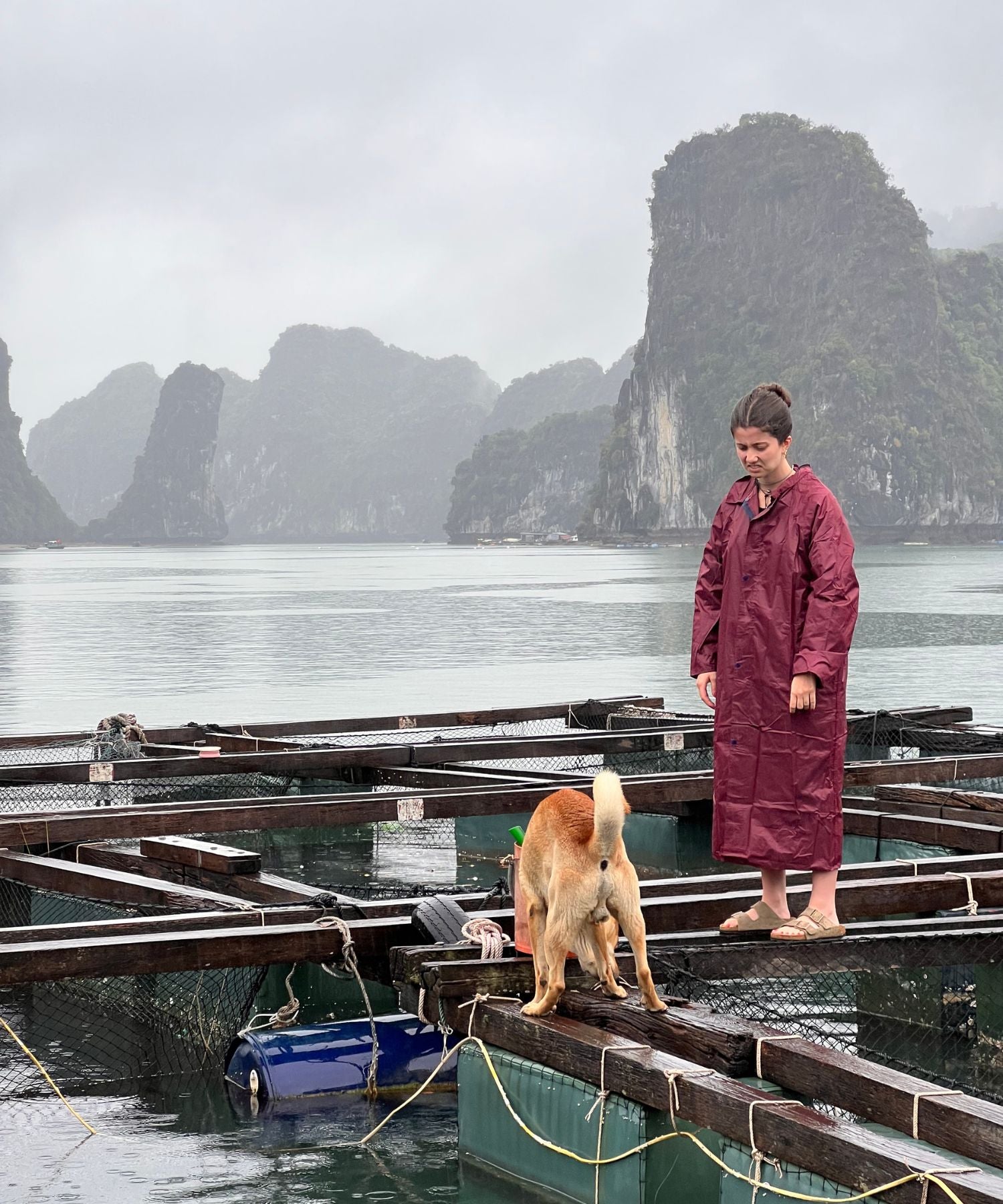
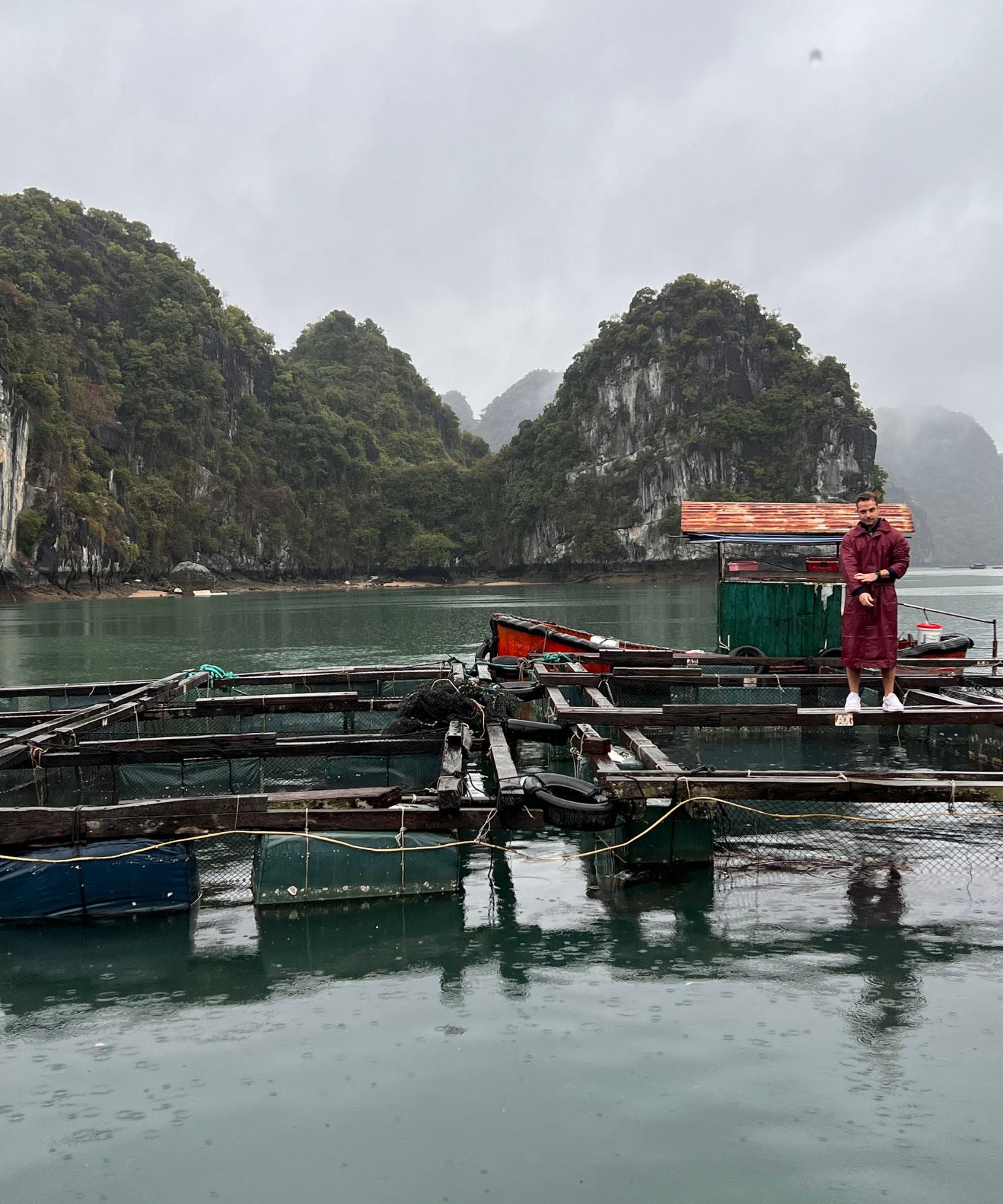
In the afternoon, we took a speedboat to a floating fishing village to learn a little more about how they live and work. It is very impressive to see that these families live there isolated from society, make a living from fishing and tourism, and lead an extremely simple life.
We returned to the boat in the late afternoon and participated in a cooking demonstration led by the chef in the open kitchen, where he taught us how to make a classic Vietnamese dish. Since my culinary skills are limited to scrambled eggs, I couldn't put what I learned in class to use hahah.
After the class, dinner was served, and the evening continued in the restaurant with some games so that the crew members could interact with us. We were the only Brazilians on the boat that night; the rest were American and European tourists. I didn't participate in the entire evening program because I had booked a massage at the boat's small spa. They offer several treatments, such as deep tissue, facials, and pedicures.
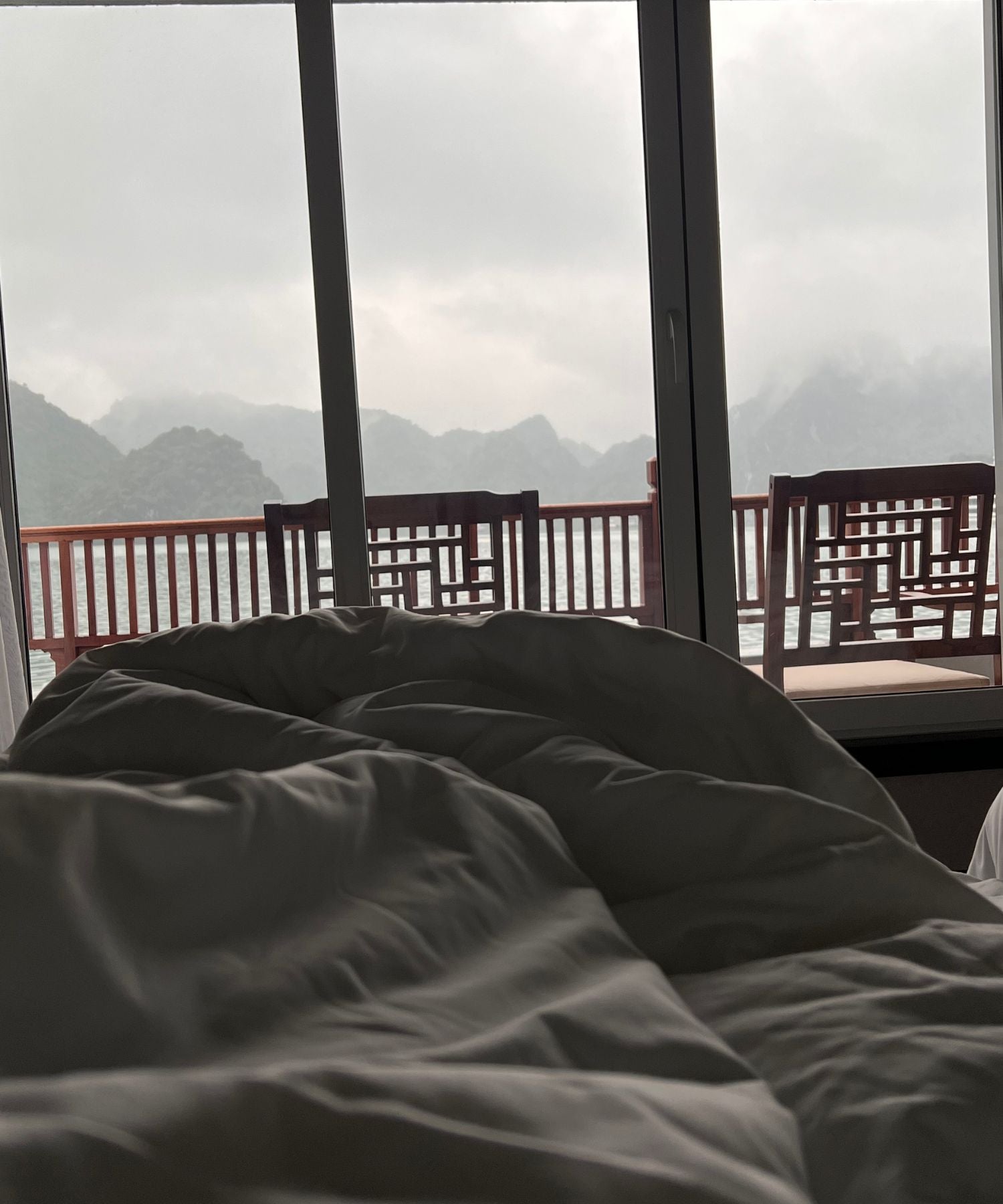
As luck with the weather didn't go our way, we couldn't enjoy the deck at night to admire the starry sky. We got caught in the rain and quite a bit of fog, which slightly hindered visibility of the limestone islets, but it was still a beautiful experience.
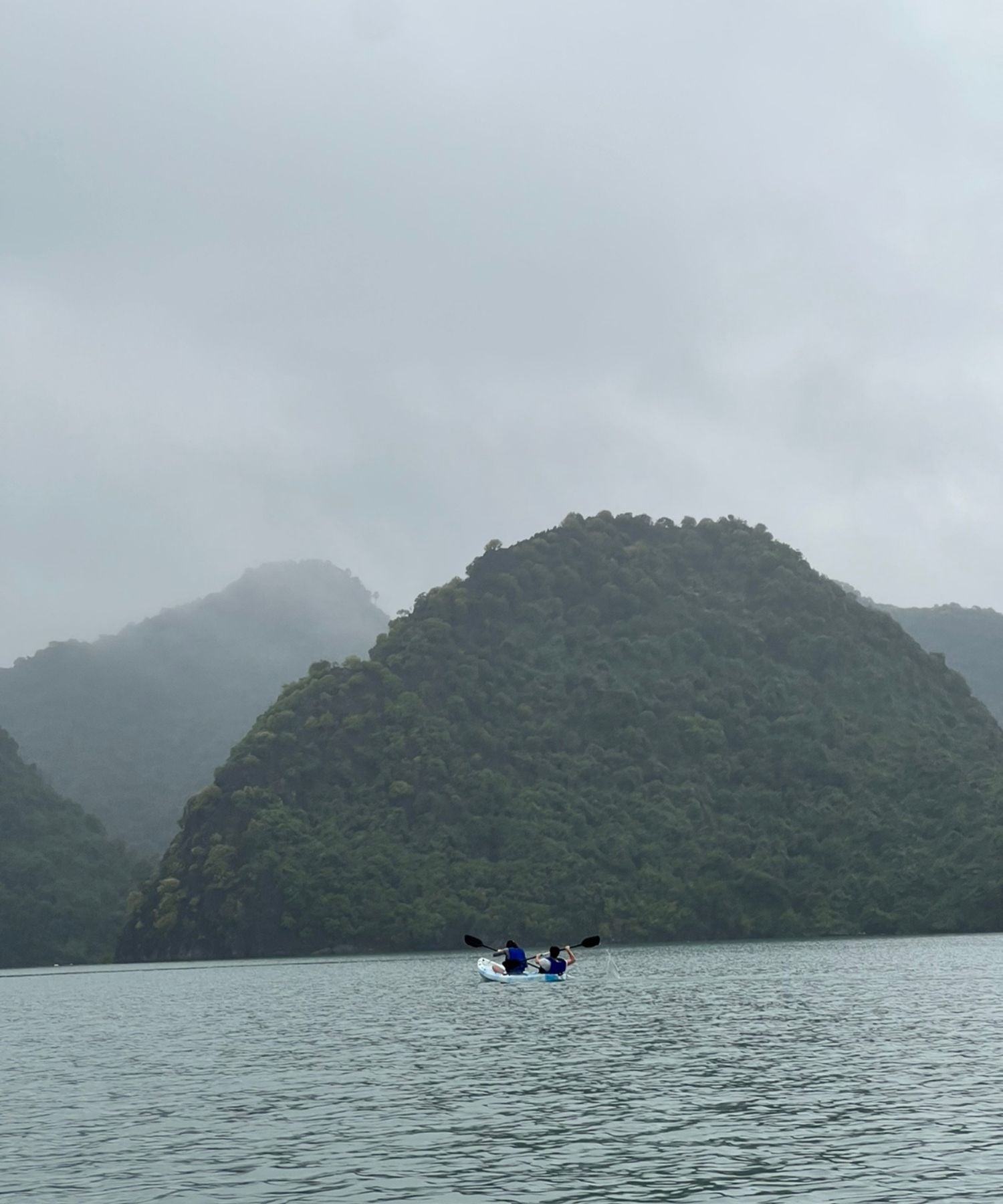
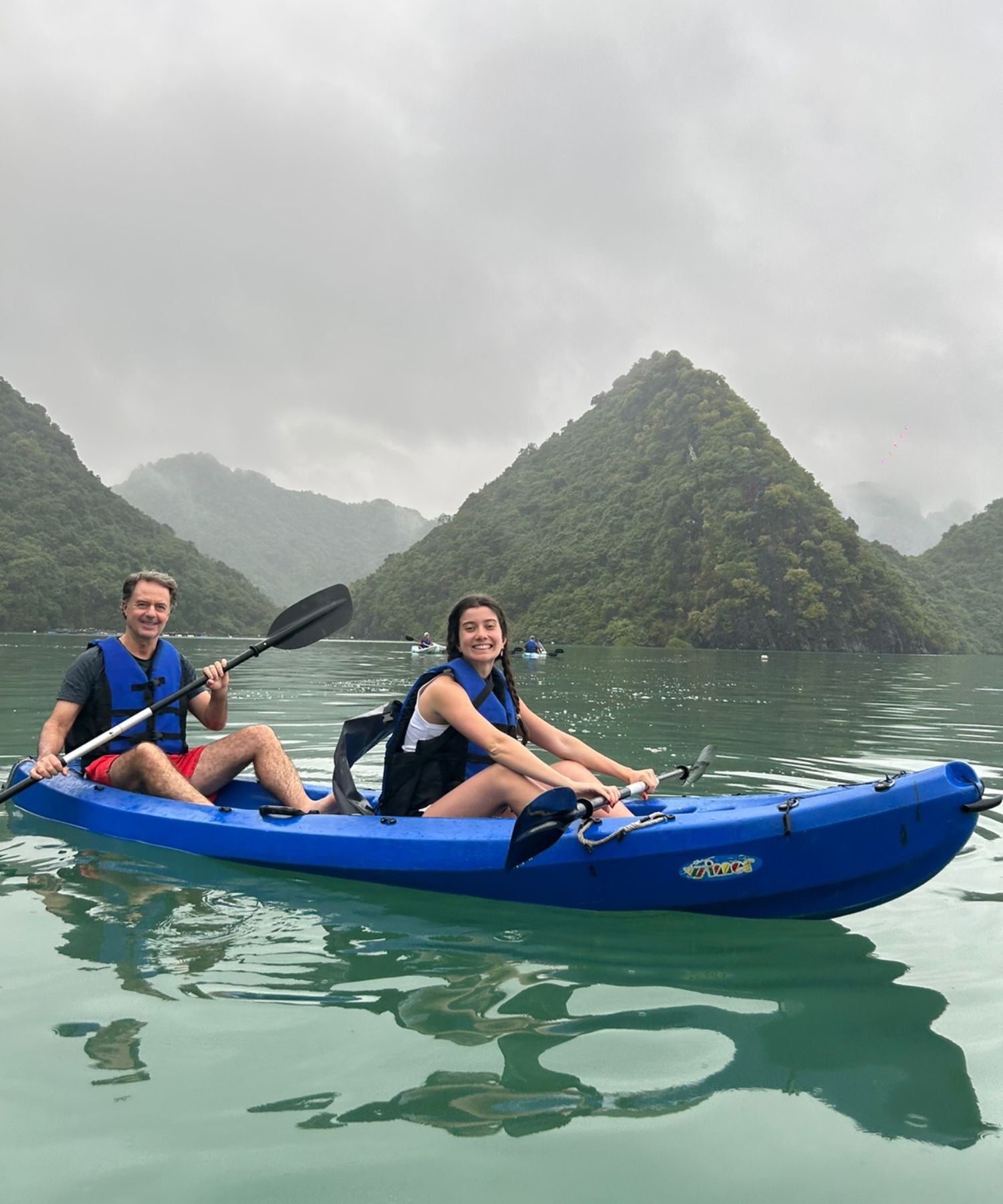
The next day, the schedule was to wake up and take a tai chi class at 7:00 a.m. on the deck, but since it was raining in the morning, we slept in a little longer and went to breakfast. After breakfast, we went kayaking near the boat. On our return, we changed and said goodbye to the crew.
We disembarked at 11:00 a.m., and our transfer was already waiting for us at the marina.
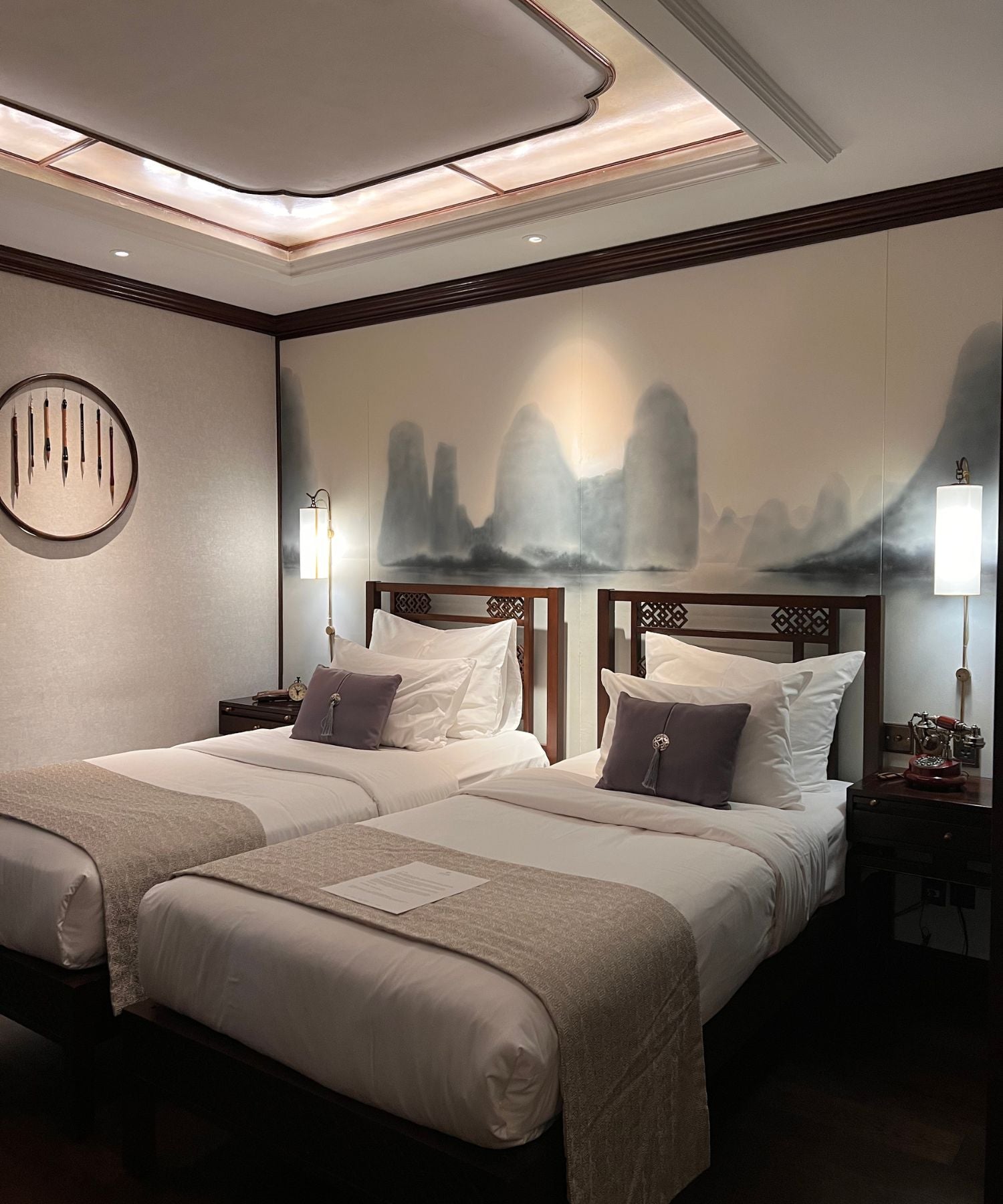
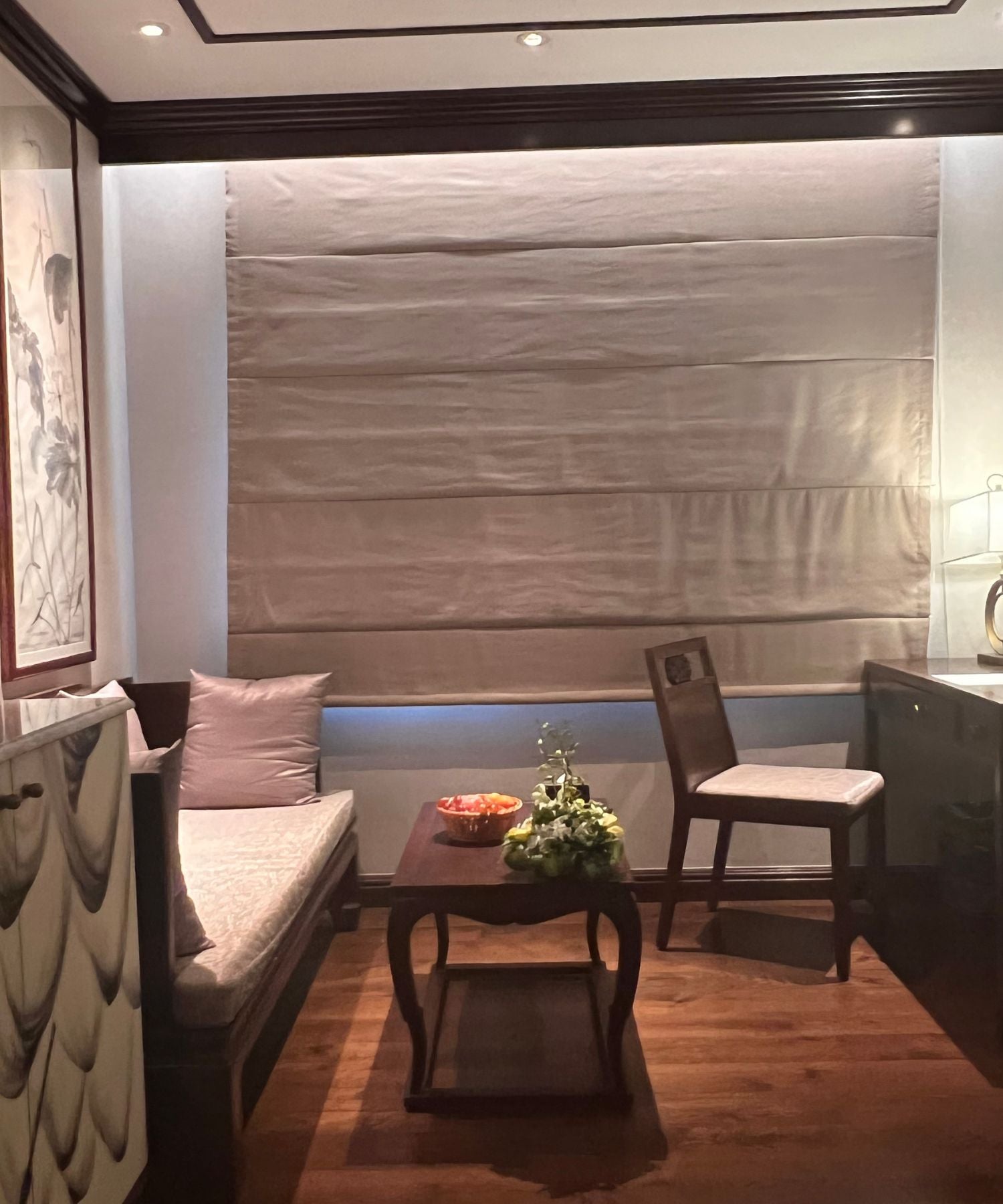
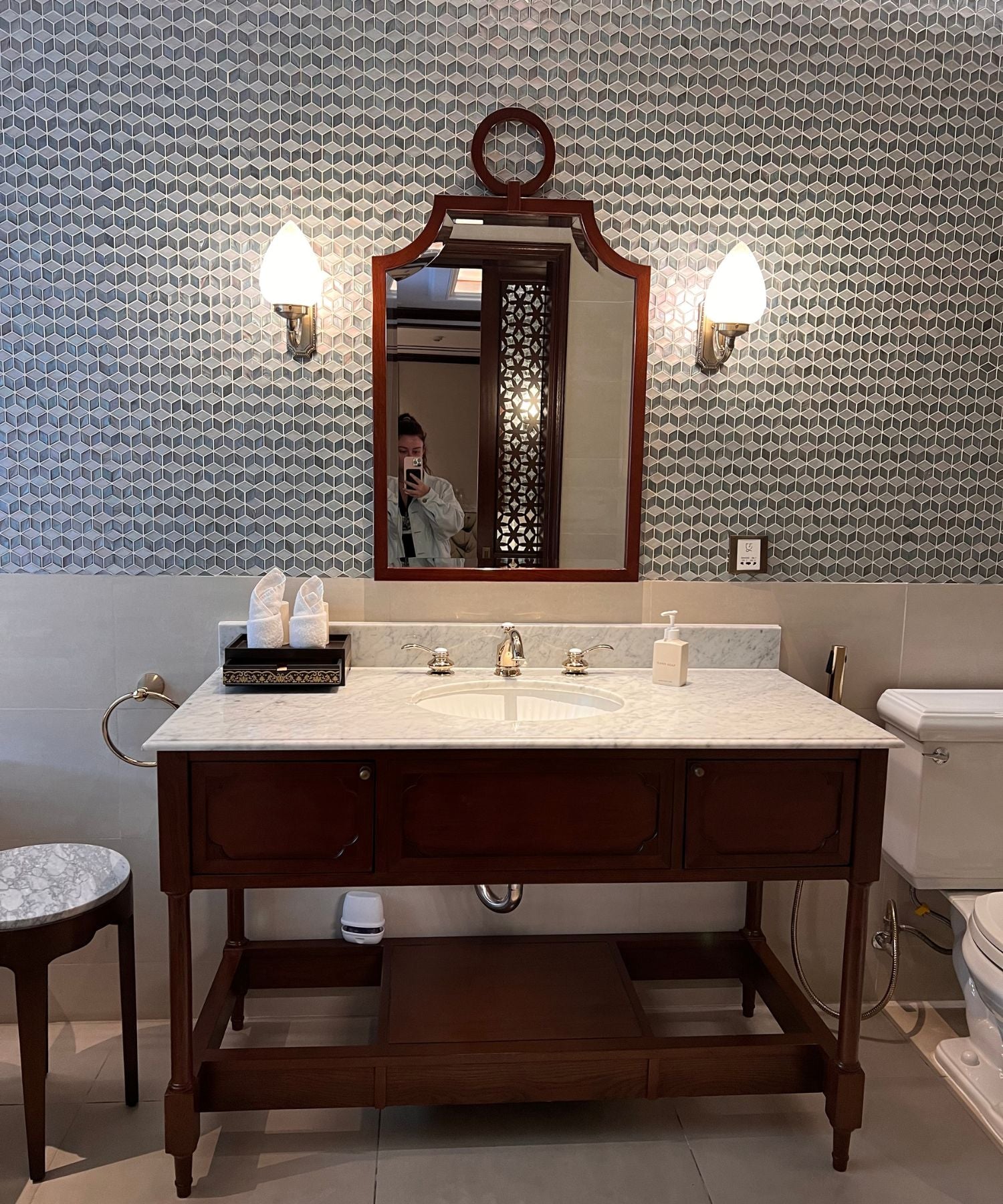
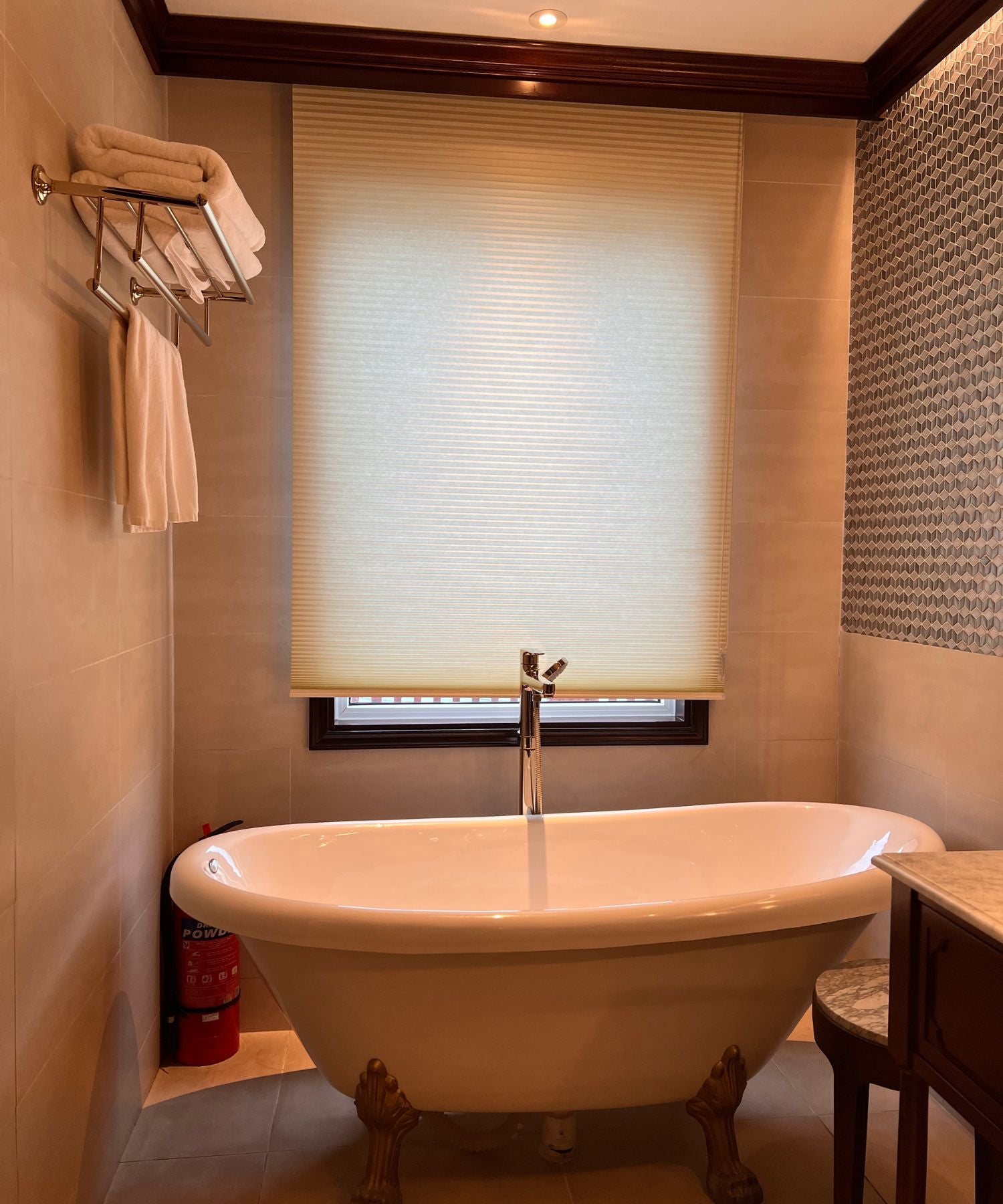
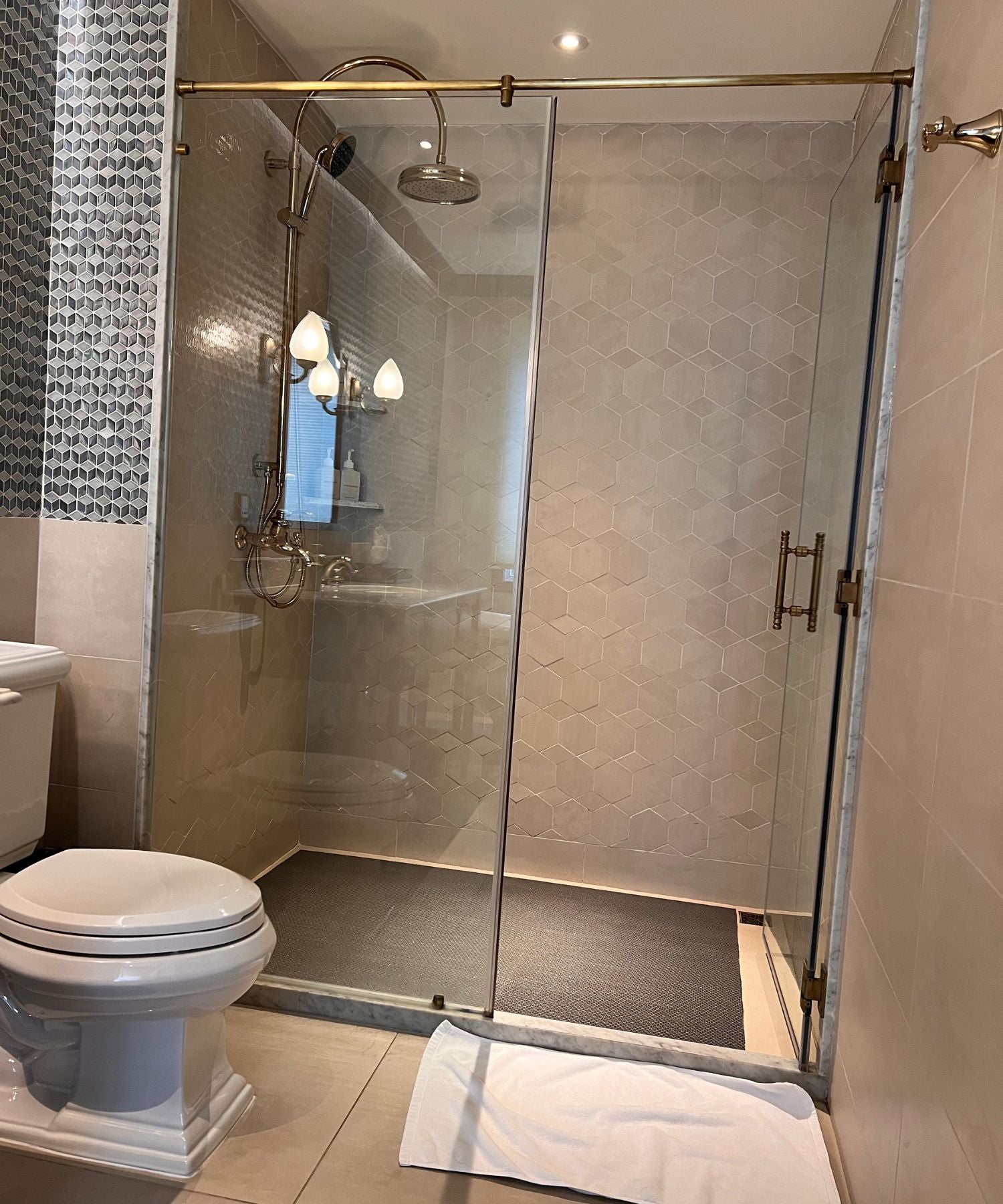
- The Cabin: Our cabins were great and very comfortable. Upon entering, we found a small room with a sofa, a desk, and a closet with a mini-fridge and a fruit bowl. The room is spacious, and the beds are comfortable, with a TV and air conditioning. Each cabin has a small terrace with chairs to admire the view of Halong, accessed through a sliding glass door. The bathroom is a good size, with a nice sink counter, a bathtub, and a great shower, plus all the amenities we find in hotels, such as shampoo, conditioner, lotion, and soap, and a bathrobe with slippers for each guest.
- The Food: The food is not very good. There are options, but everything is made in large quantities, even though the boat is small. We thought it left something to be desired.
- The Crew: The entire staff is extremely helpful and very polite. Some did not speak English, but they were always smiling and always found a way to understand and help with whatever was needed.
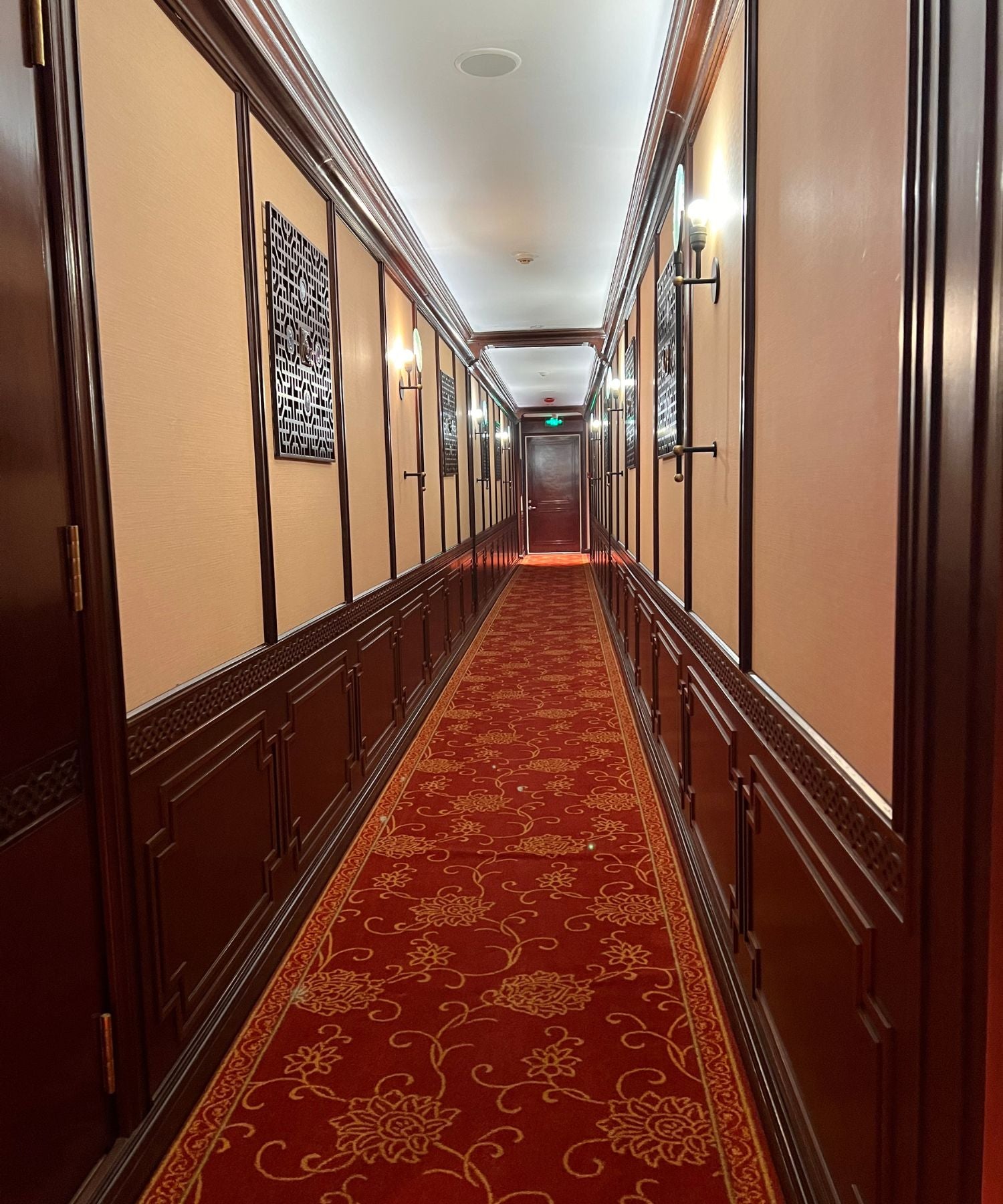
Overall, I thought the boat was good. It needs maintenance and is already a bit old, with slightly stained and smelly carpets. But after doing some research and talking to Xavier, the sales director of Abercrombie & Kent in the Southeast Asian region, I discovered that this is more or less the standard for boats, especially those in this traditional style.
It is a beautiful experience that should be included in any Vietnam itinerary. My family loved it, especially the men.