Copenhagen
On our last vacation, in July, we spent five days in Copenhagen, and I don't even know how to express how much I loved this city that had been on my bucket list for a long time. Rich in history, culture, and effortless style, the Danish capital is an urban refuge to return to whenever possible.
Summary
Copenhagen: 5 nights
The Hotel
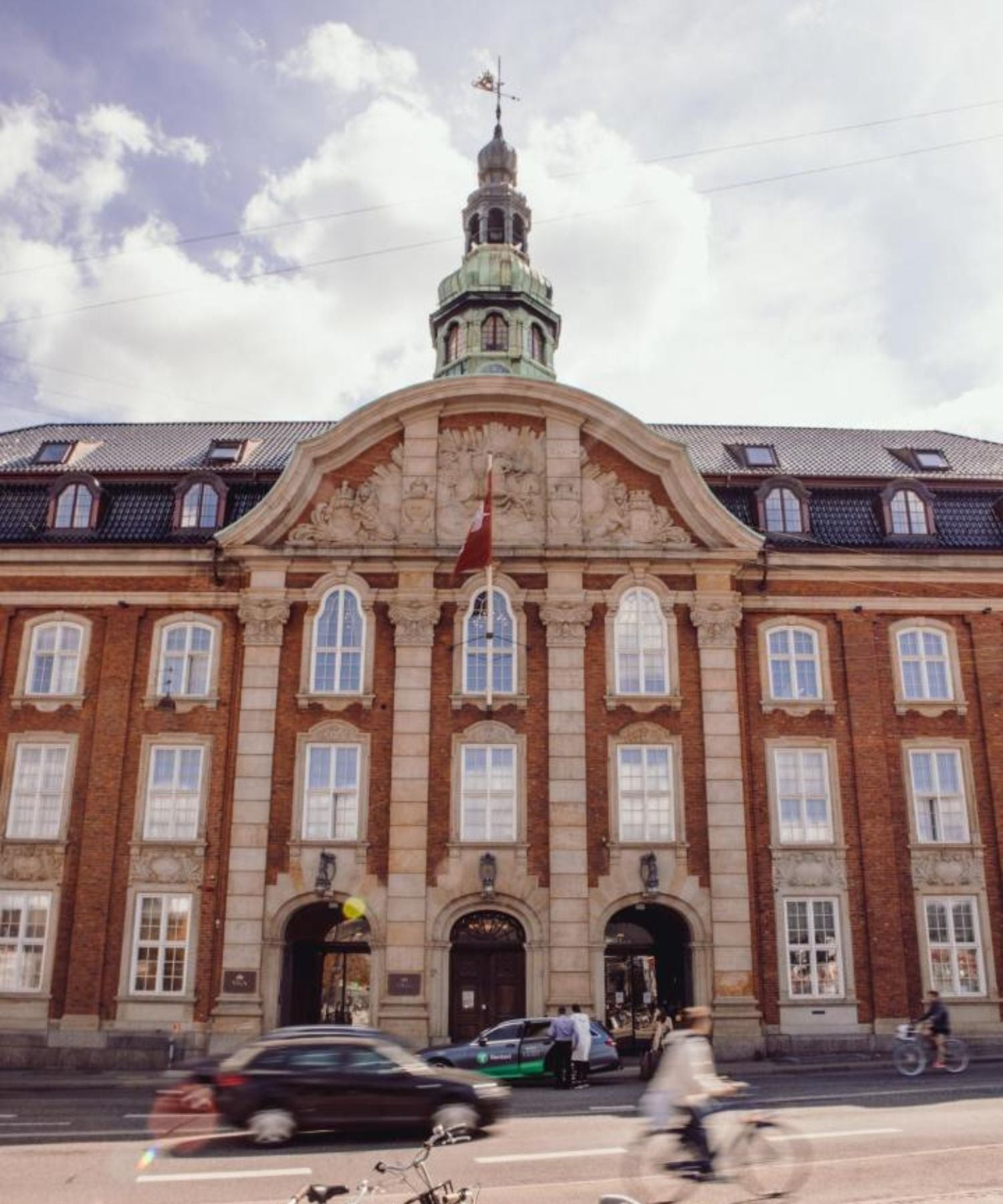
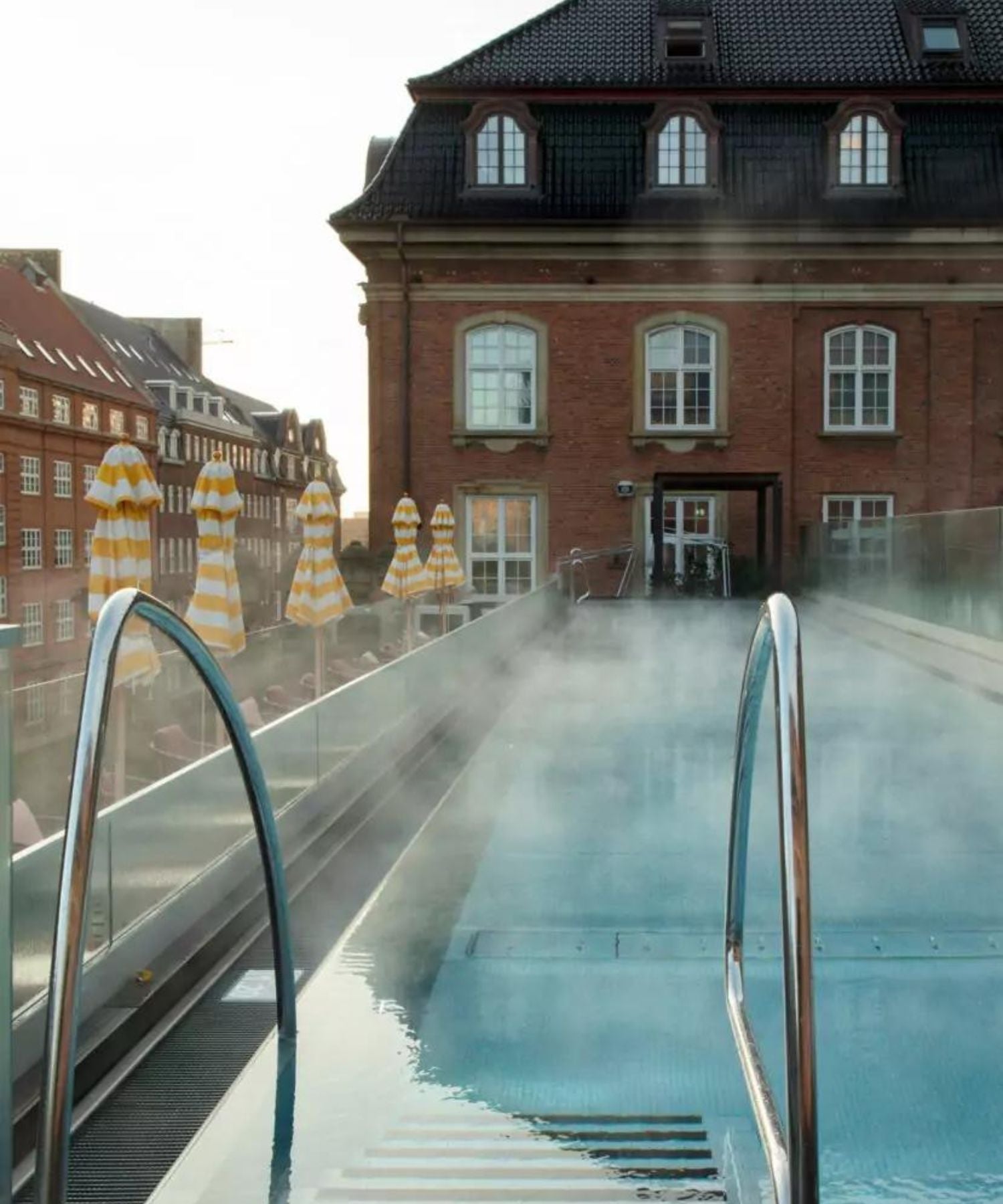
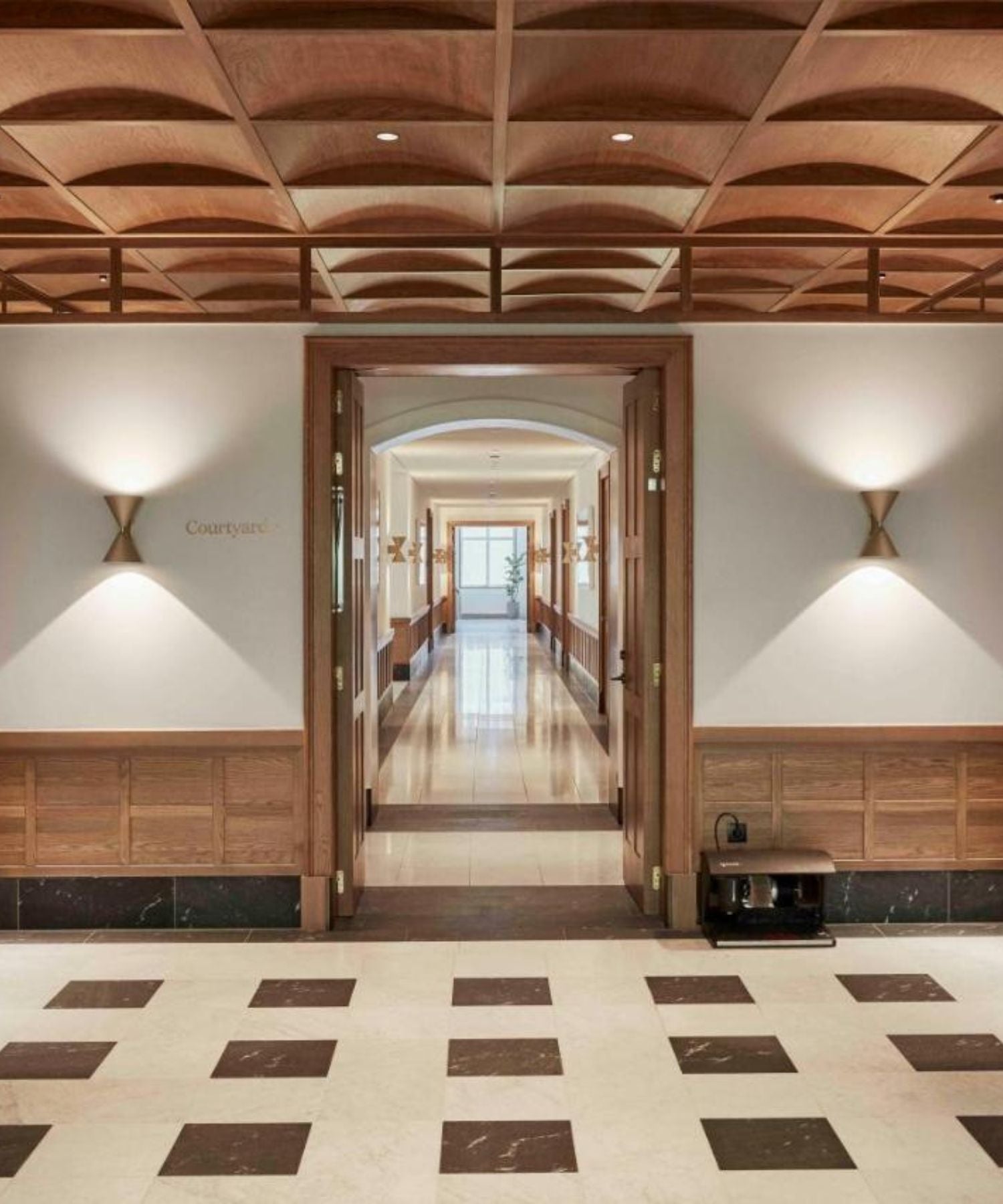
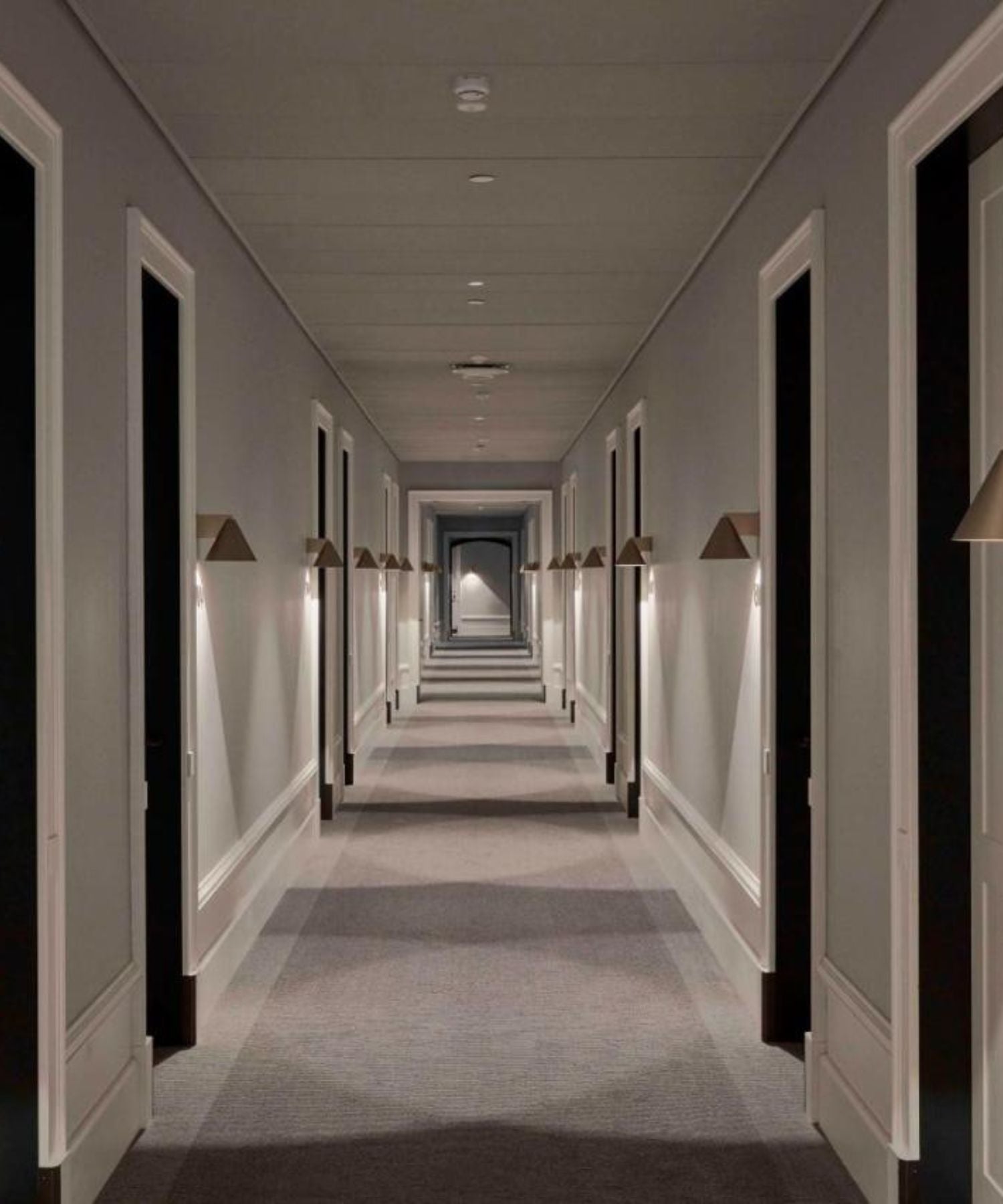
We stayed at the Villa Copenhagen. The hotel occupies the beautiful building that formerly housed the Danish Post and Telegraph headquarters, which was completely renovated, converted into a hotel, and reopened in 2020.
The location is excellent, especially for a first visit to the city. The hotel is right next to the central station, where you can catch trains, buses, and the metro, and Tivoli is almost directly across the street, with the entrance about a 5-minute walk away. Other tourist attractions, such as the Ny Carlsberg Glyptoteket, the National Museum, and Christiansborg Palace, are also just a few minutes' walk away. In addition, the Meatpacking District, with several cool bars and restaurants, is just a 10-minute walk away in the opposite direction.
We stayed in a standard room, but I should warn you that it is quite small (17m2). It was a bit cramped for two people with suitcases; there was no room to open two large suitcases, nor enough drawers to unpack and store our clothes. So, if you tend to overpack, keep that in mind. Other than that, the room is great, with neutral tones, minimalist Scandinavian decor, and a super comfortable bed. The bathroom is good, but like the room, it is cramped. The amenities are nothing extraordinary, so I recommend bringing your own if you are picky about shampoo, conditioner, and moisturizer.
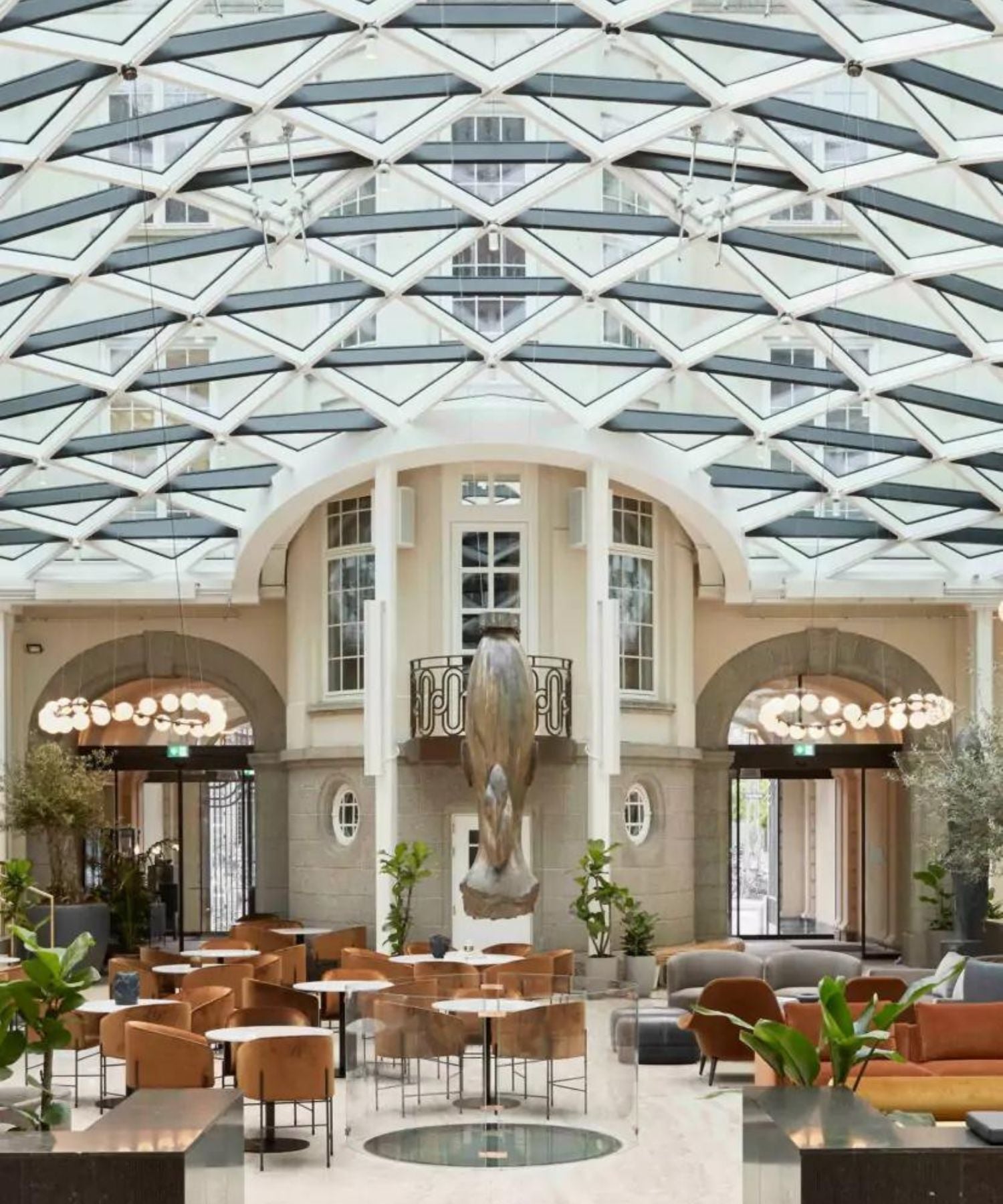
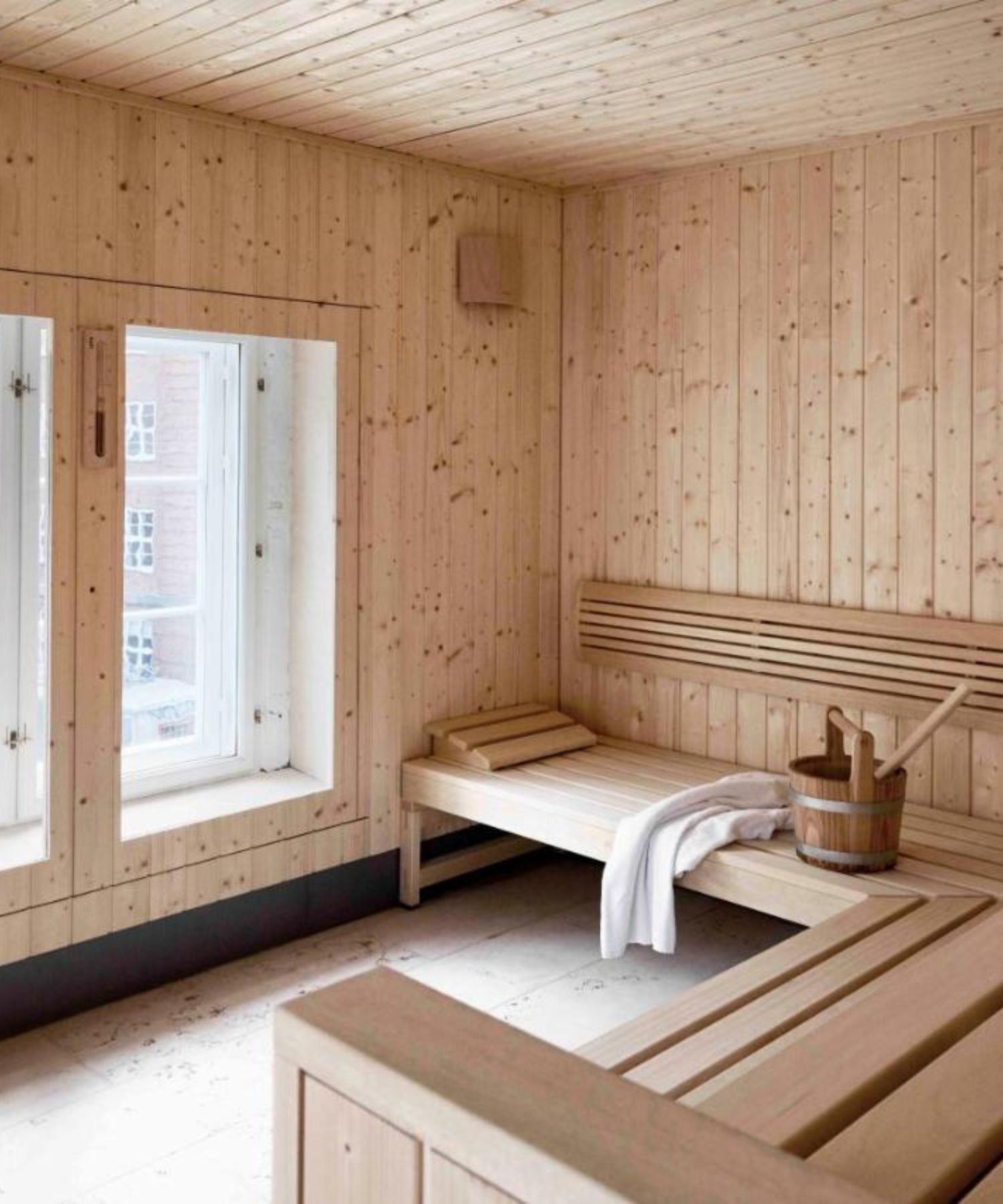
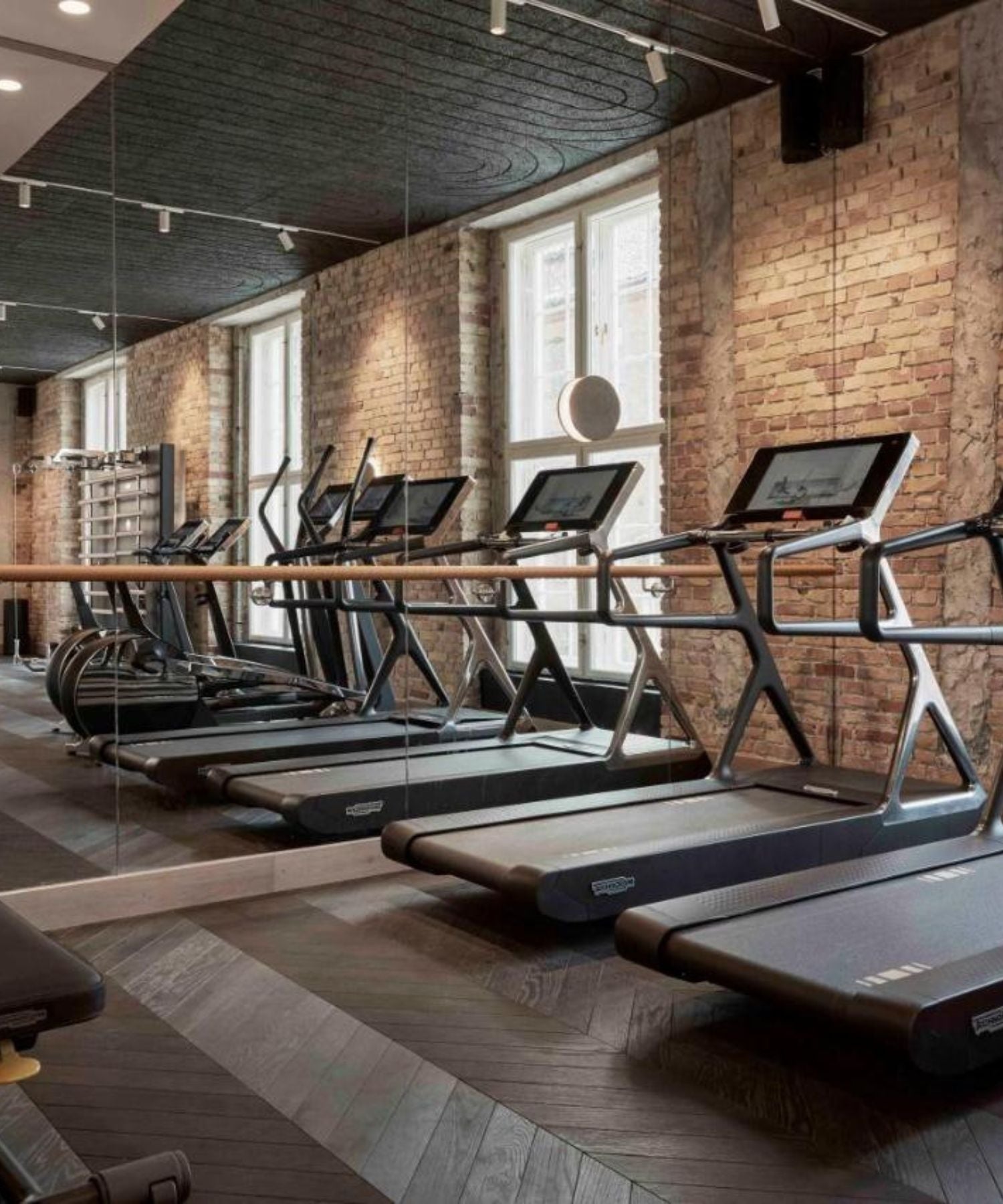
The breakfast is great and very comprehensive, with several buffet stations and one for made-to-order eggs. The hotel staff is young, polite, and helpful, but don't expect the kind of service you get at some 5-star hotels. Since the hotel is very large, with 390 rooms, service is not its strong suit. On the other hand, the hotel has excellent facilities: a bar/café, a cocktail bar that is temporarily closed, a restaurant, and a patisserie/bakery, as well as a wellness area with a heated outdoor pool, gym, and sauna.
Overall, I really liked it and recommend staying at the hotel, especially for young people and families.
Other hotel recommendations
Next time, I think I would stay at a smaller hotel in another area of the city to see a different side of Copenhagen. Below are a few suggestions:
- Hotel Sanders
- Coco Hotel
- Ascot Hotel
- Kanalhuset
- Nobis Hotel
- Hotel Hornbækhus
- Hotel D'Angleterre
- Hotel Ottilia
Get a travel quote with
Ship With Us
All guides were created in partnership with the Embarque With Us agency, which has 40 years in the market and is headquartered in São Paulo and Ribeirão Preto - Brazil.
To get a quote for this itinerary or customize it for you, simply click the button below and a travel consultant will contact you soon.
www.embarquewithus.com.br @embarquewithus
To Do
Tourist Attractions
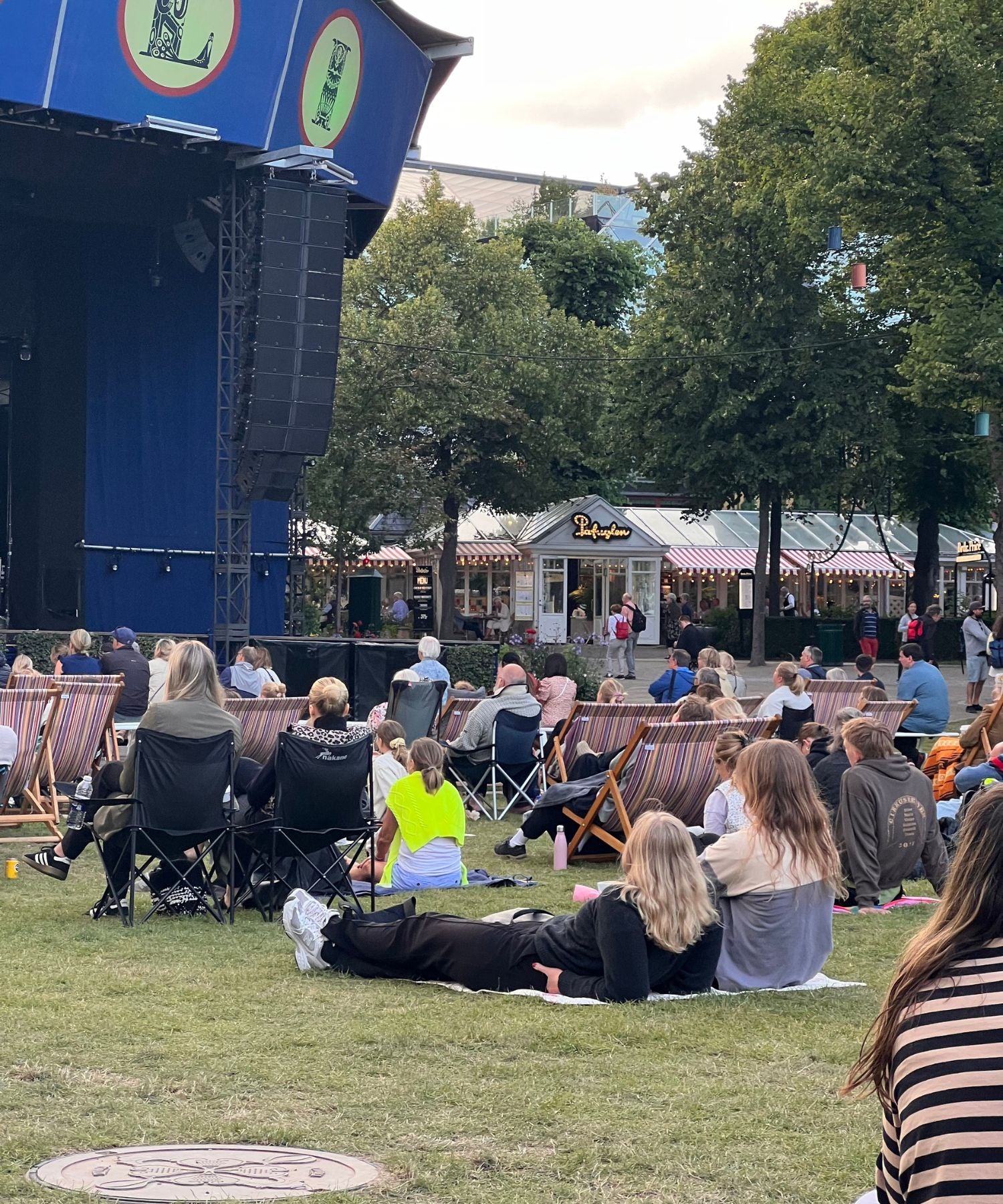
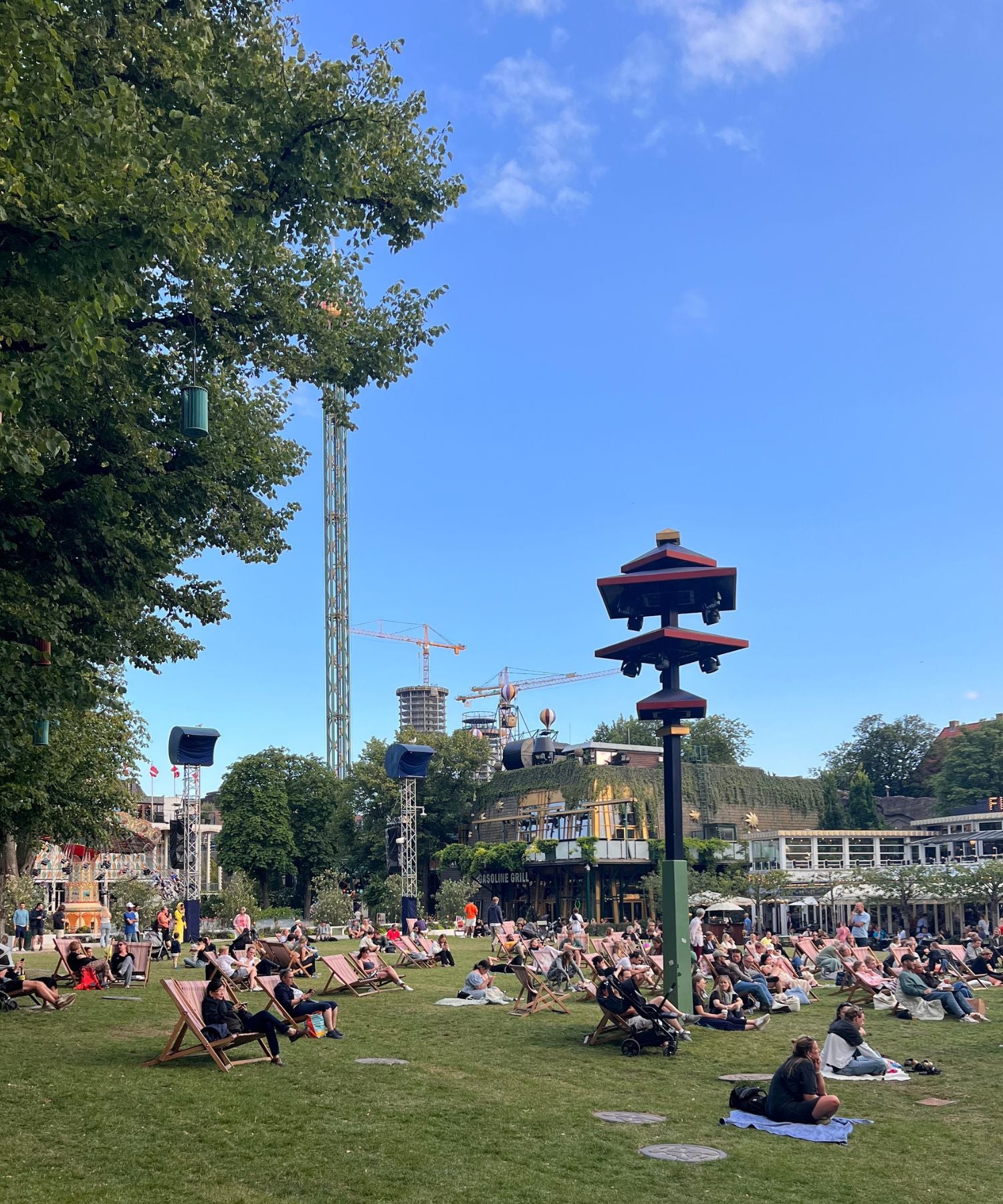
- Tivoli Gardens: One of the oldest and most famous amusement parks in the world, founded in 1843, it is a cultural landmark in the city, loved by locals and tourists. With a variety of attractions, live shows, restaurants, and beautiful gardens, it is a trip for all ages.
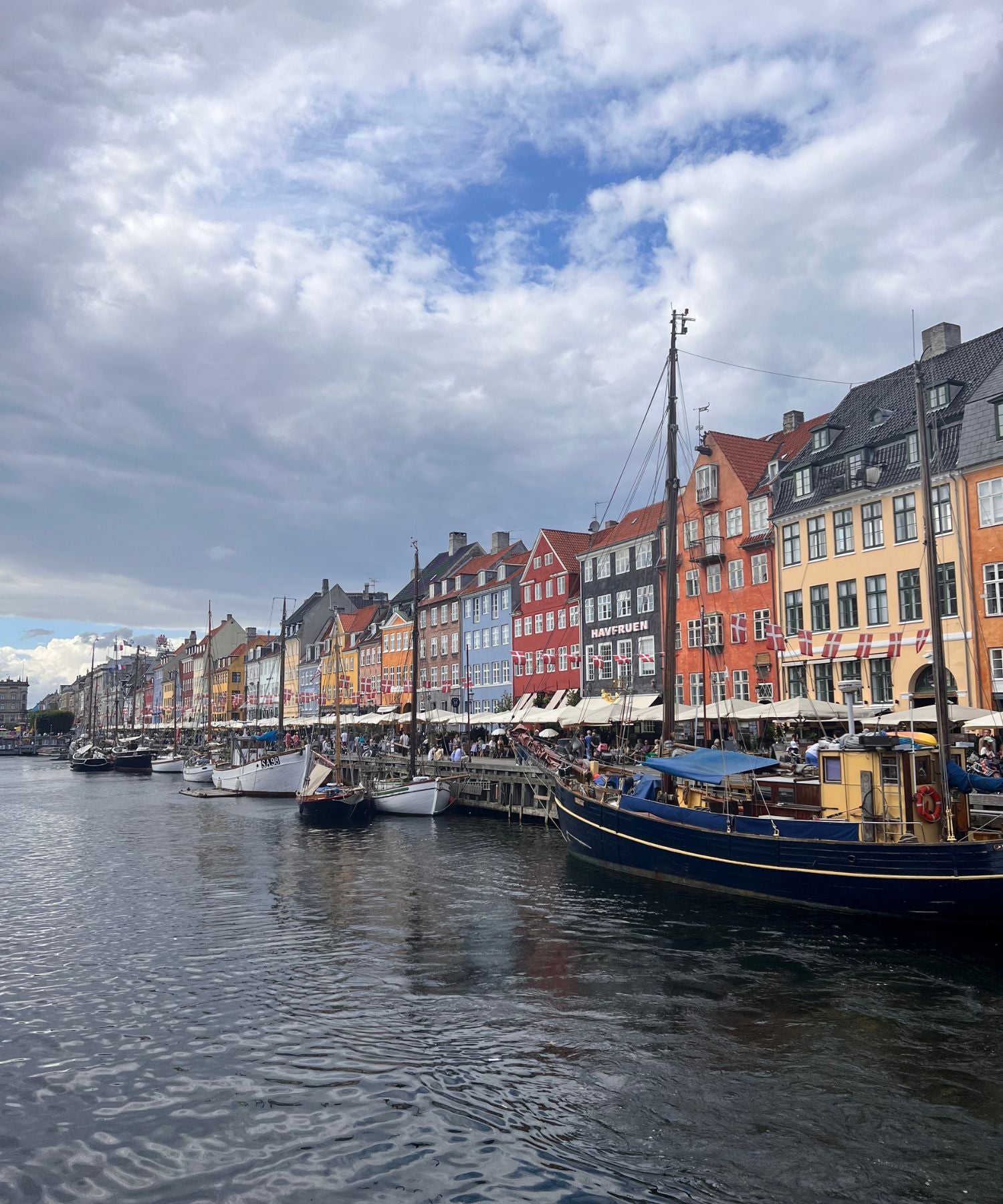
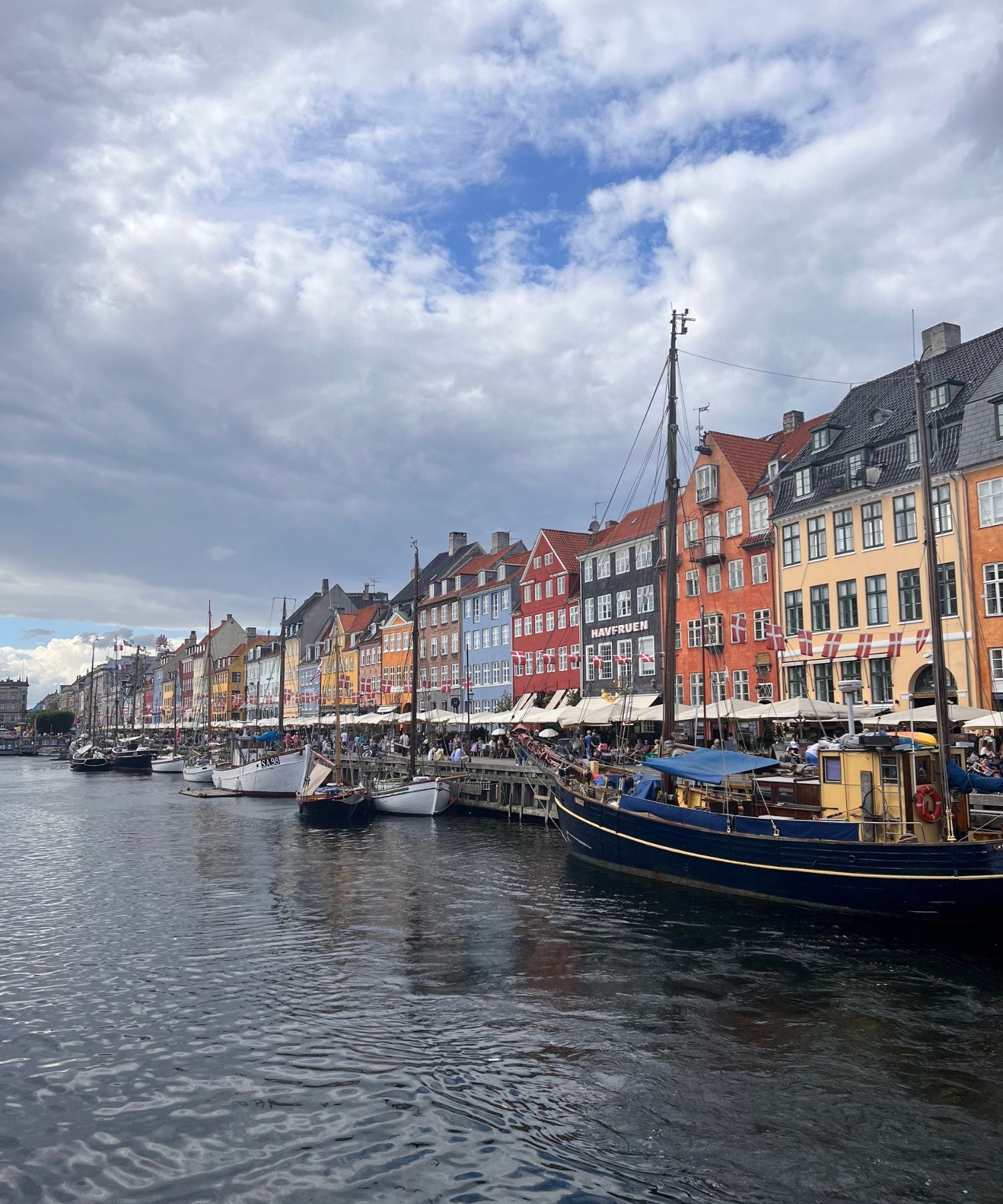
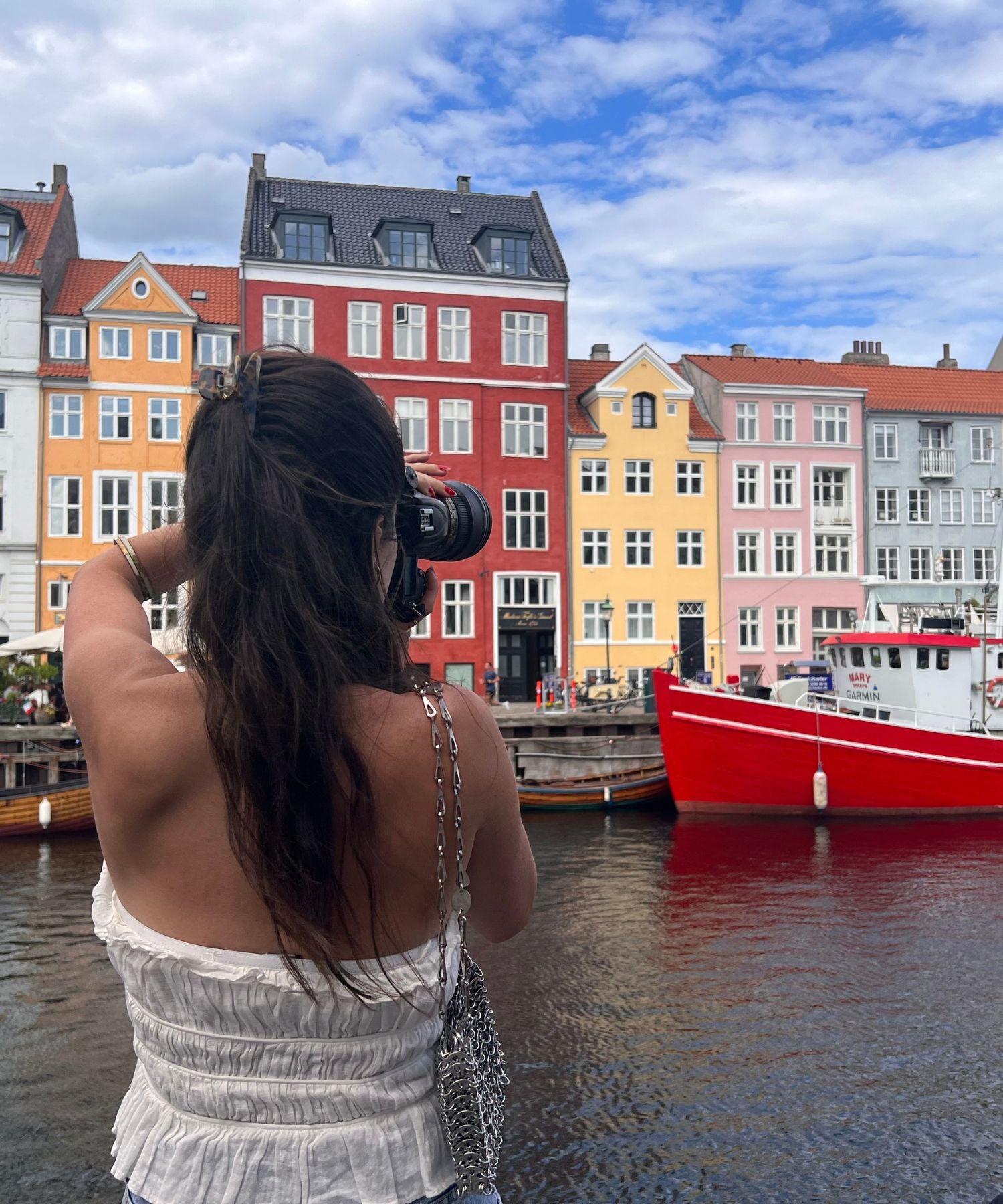
- Nyhavn: A historic canal, known for its 17th-century houses, originally a busy port, today it is the city's postcard and a tourist attraction filled with bars and restaurants. I recommend going to the Apollo Bar when you go to Nyhavn.
- Amalienborg Palace: Official residence of the Danish royal family in Copenhagen, it houses the Palace Museum, where visitors can visit some of the royal apartments and learn about the history of the family. The Changing of the Guard ceremony is also held daily.
- Christiansborg Palace: Seat of the three branches of the Danish government, known for its imposing architecture and rich history, visitors can visit parts of the palace.
- Frederik's Church: The church is a notable architectural landmark in the city, designed in the neoclassical style, it is characterized by its imposing dome.
- Church of Our Savior: This Baroque-style church is known for its spiral tower that offers a panoramic view of the city.
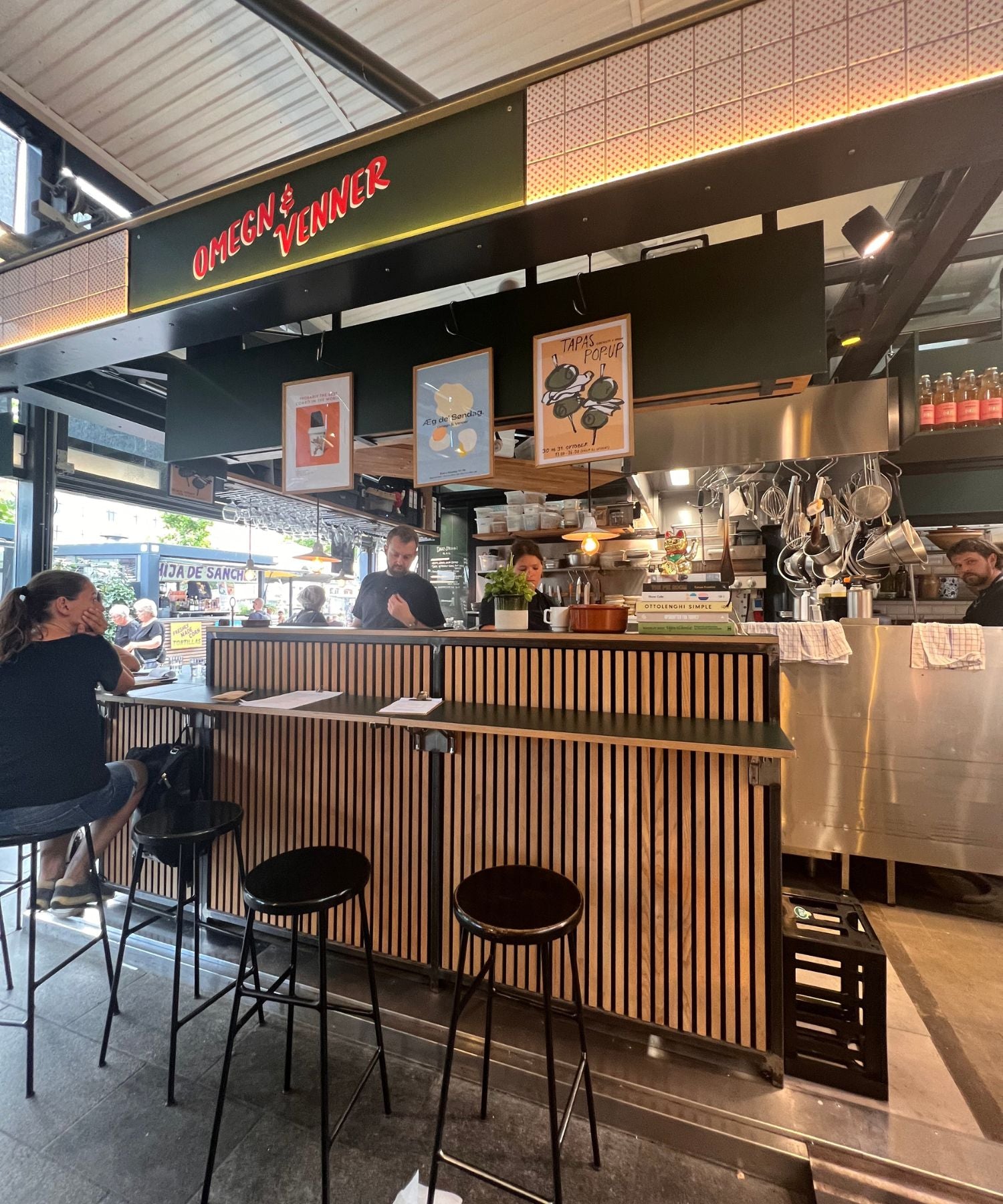
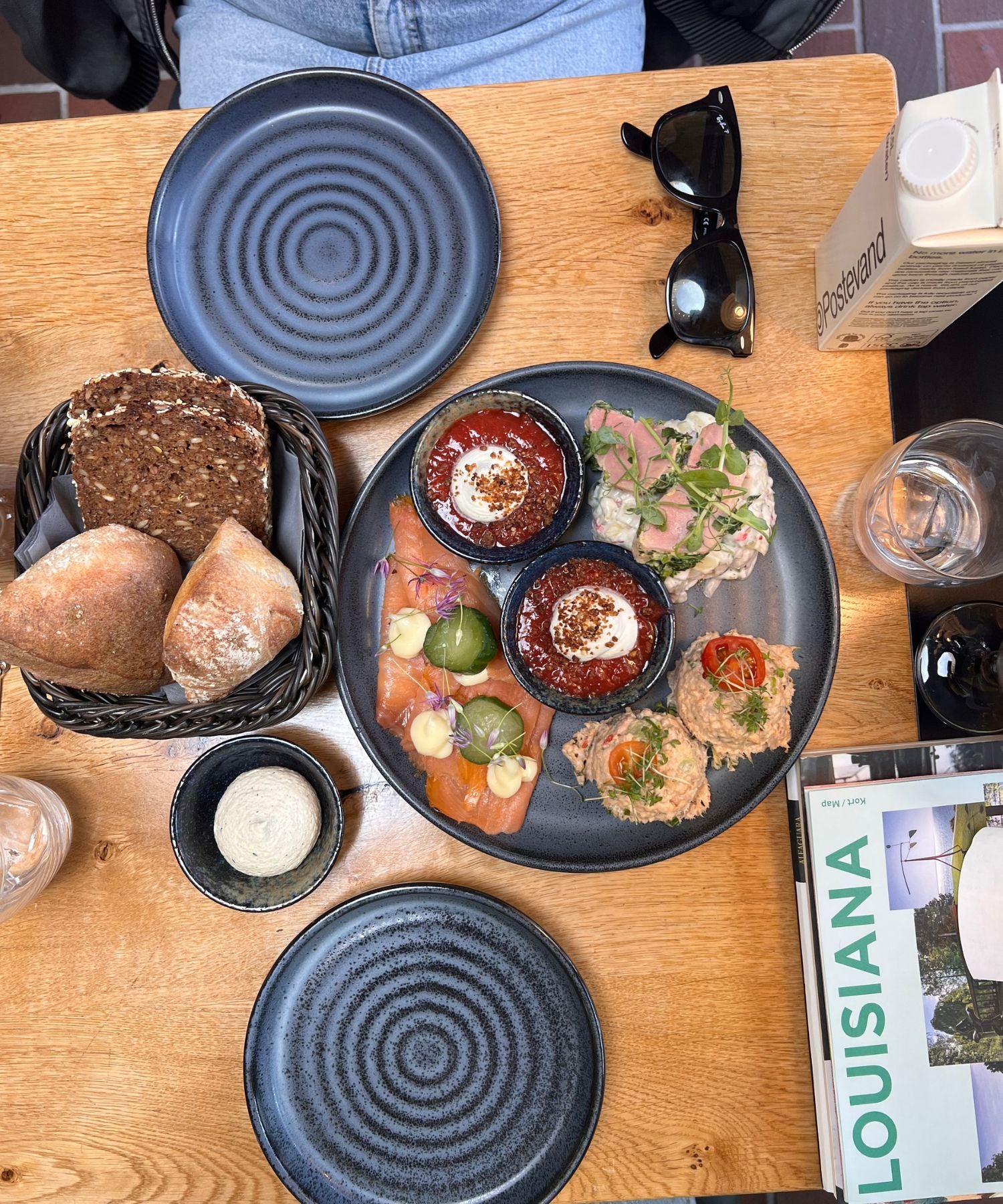
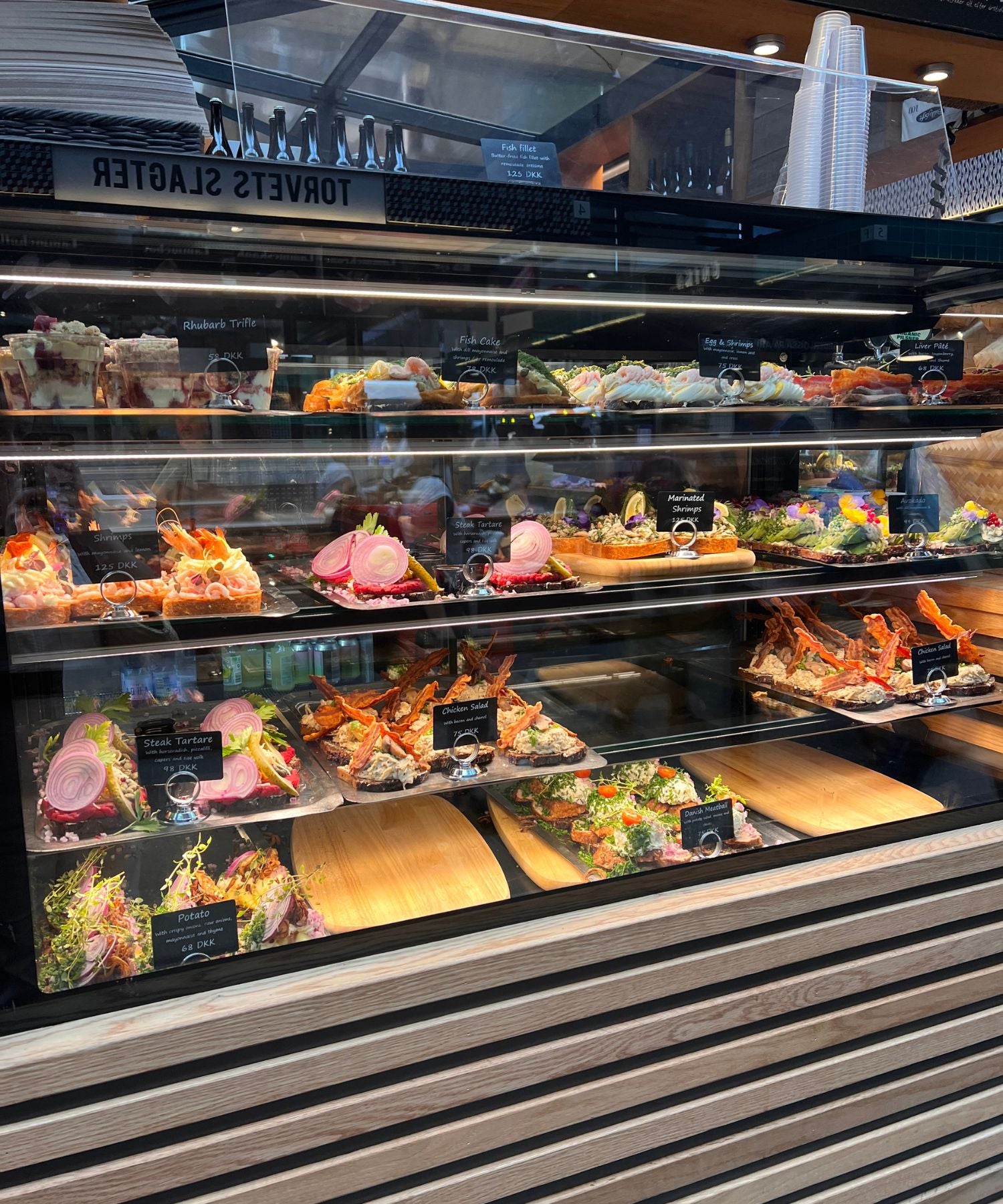
- Torvehallerne: A food market in the heart of the city. It consists of two modern glass buildings that house a wide variety of fruits and vegetables, artisanal cheeses, seafood, meats, sweets, breads, etc. In addition to being a great place to buy fresh ingredients, Torvehallerne also offers a variety of options for quick and delicious meals. There are several food stalls serving international dishes, gourmet sandwiches, sushi, tapas, cakes, and coffee. It is a good place to eat traditional smørrebrød. I recommend eating at the counter of Omegn & Venner.
- Frederiksberg Gardens: A park with lakes, fountains, and beautiful gardens, perfect for exercising or enjoying a sunny day. The park is also known for its 18th-century palace, Frederiksberg Palace.
- Rosenborg Castle & Garden: Over 400 years old, the castle built by King Christian IV houses the crown jewels and the nation's royal regalia.
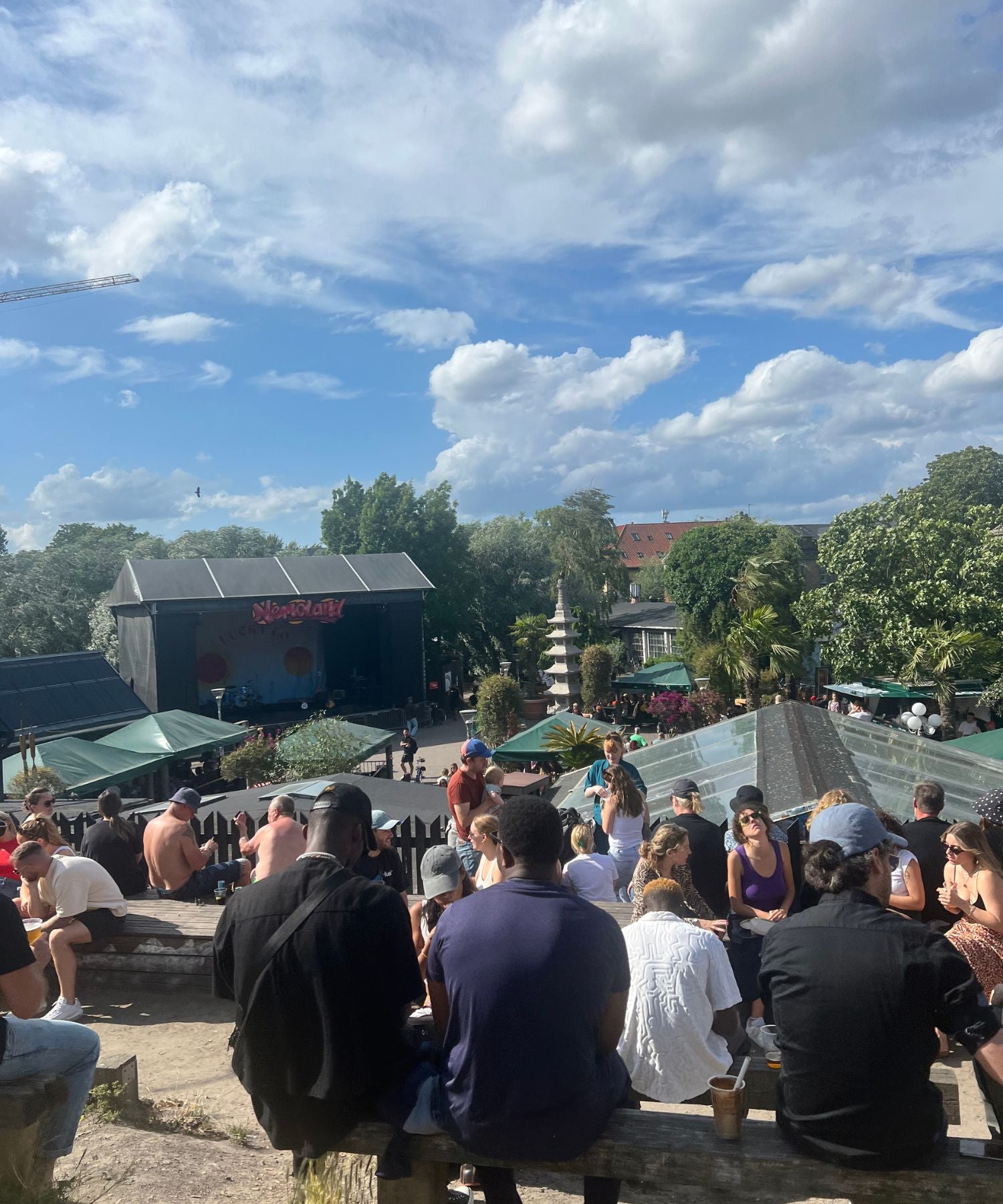
- Christiania: Also known as Free Town Christiania, an autonomous and self-governing community within the territory of Copenhagen, founded in 1971. It is known for its alternative approach to life and for being a unique cultural enclave, housing a mix of residences, art spaces, cafes, and cultural events.
- Copenhagen Opera House: The building houses the Royal Danish Opera and the Royal Danish Orchestra. Its waterfront location, combined with its contemporary architecture, makes it a cultural landmark in the city.
- Canal Tours: A very touristy trip, but a good way to get an overview of the city from another angle. The boat tours through the canals pass by the main tourist attractions such as the Opera, the Little Mermaid statue, the colorful houses of Nyhavn, and Amalienborg Palace, while the guides tell stories and curiosities about the city. For those who do not want to take a tour with a large company and many people, it is possible to rent your own little boat for one or two hours, there are several companies in the city or you can check online at this link.
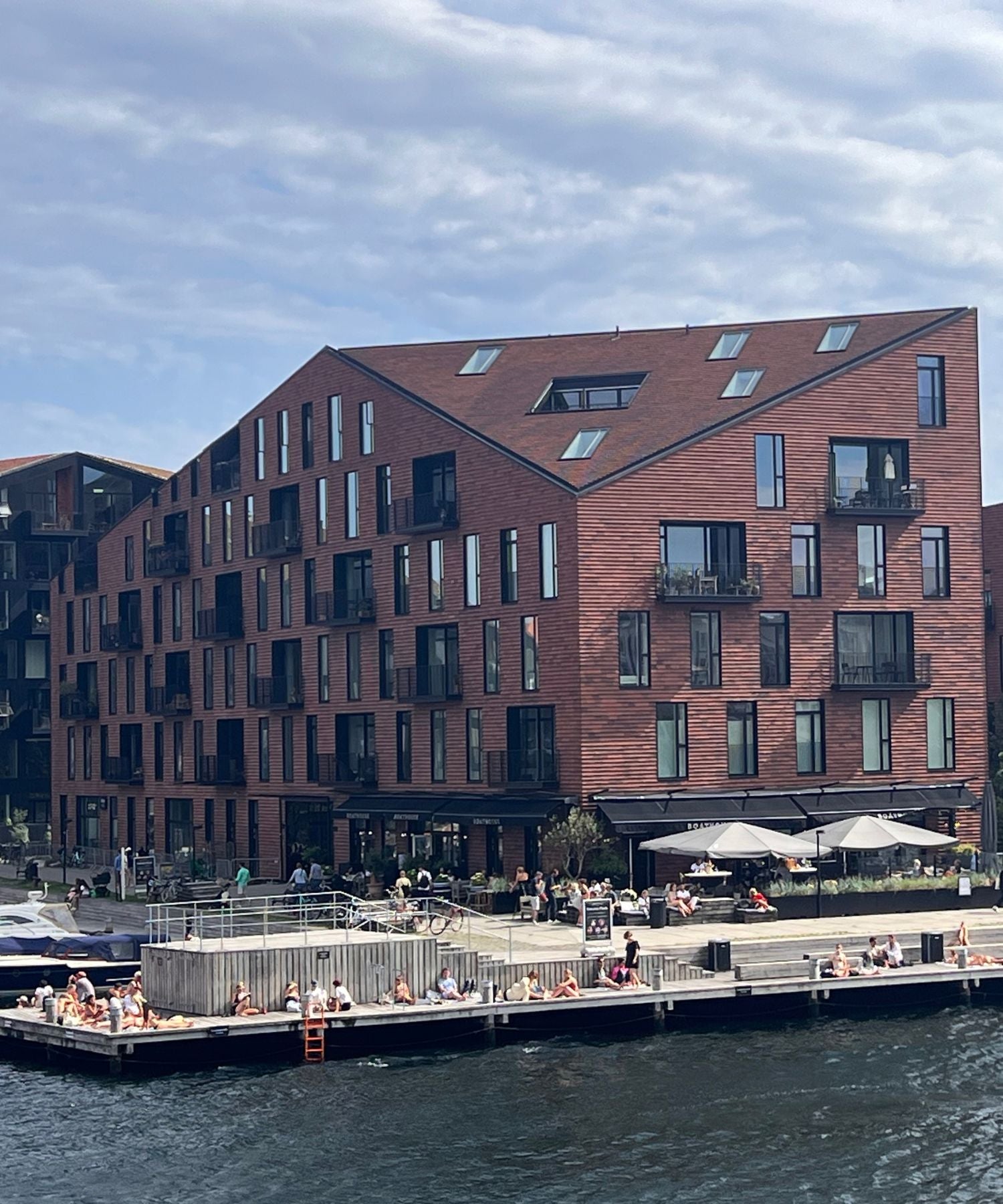
- Islands Brygge Harbour Bath: The area used to be an industrial area along the Copenhagen harbor, but has undergone a significant transformation. The area's renewal and revitalization project included the creation of a series of floating seawater pools and bathing areas along the canal banks. The site is open to the public during the summer months.
- Cirkelbroen: A pedestrian bridge that stands out for its unique architecture and innovative functionality. Designed by the renowned Danish architect Olafur Eliasson, it opened in 2015. The name "Cirkelbroen" means "Circular Bridge" in Danish, it is composed of a series of interconnected circular platforms that stretch across the Christianshavn canal, connecting the areas of Christianshavn and Slotsholmen.
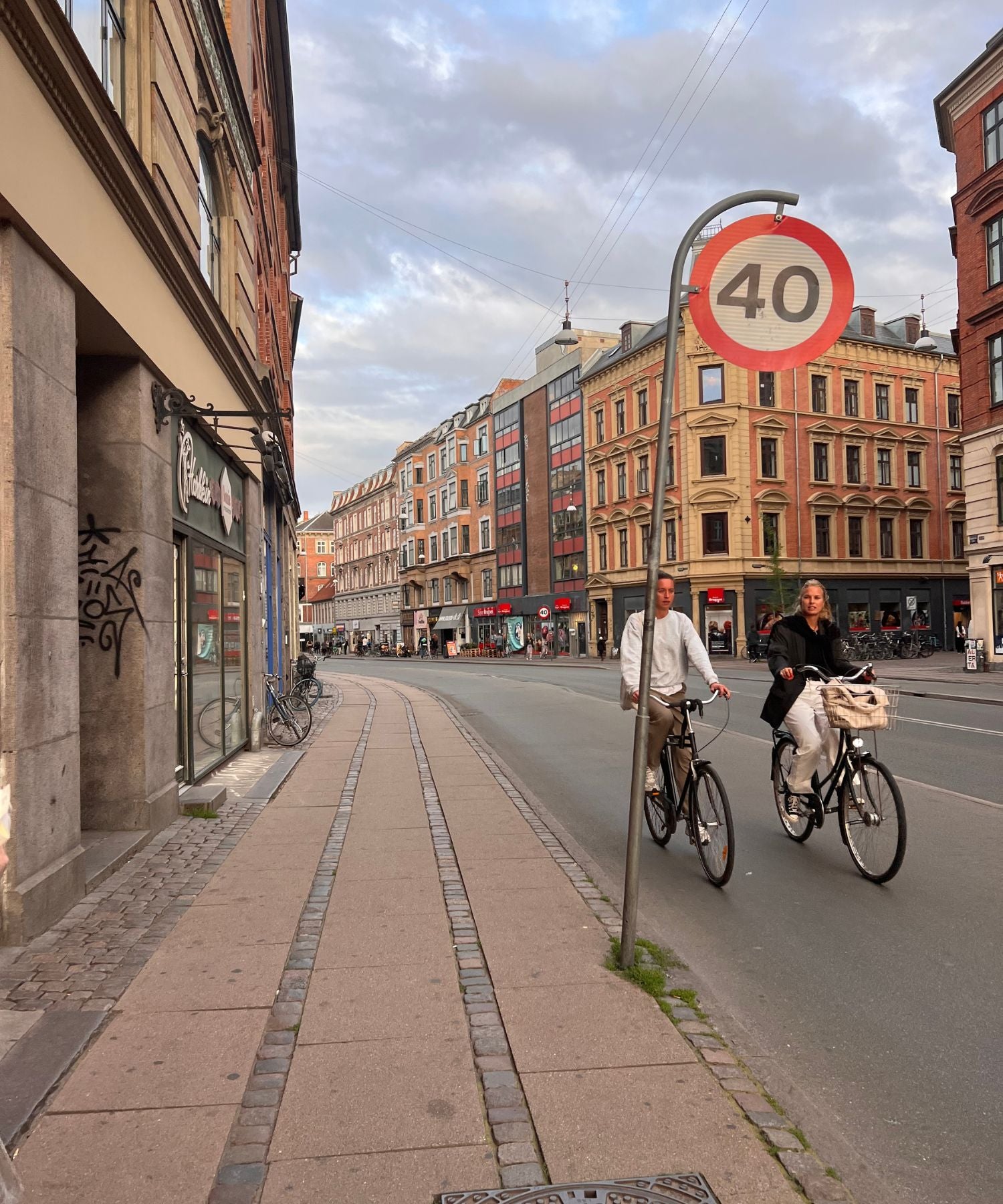
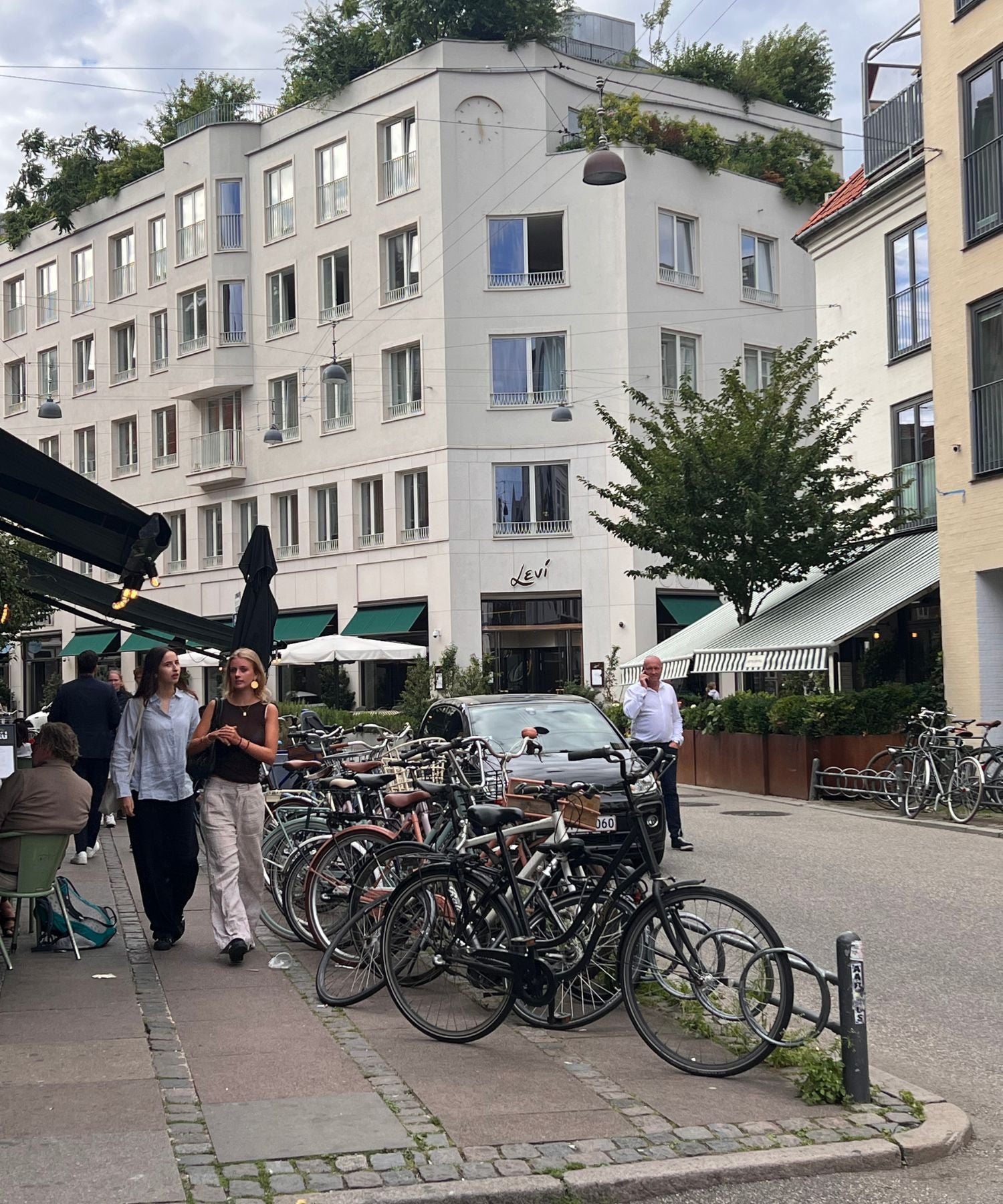
Neighborhoods and streets
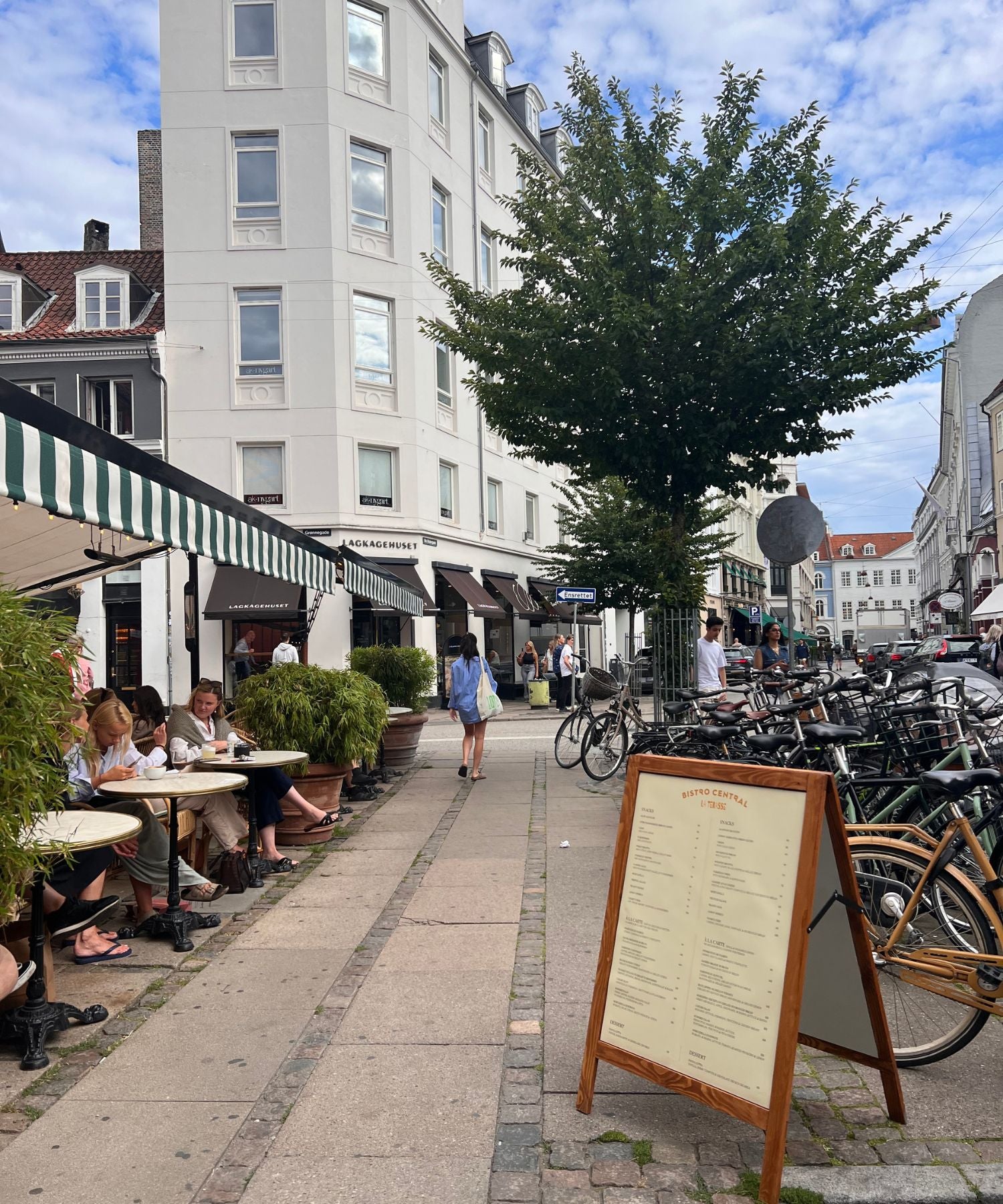
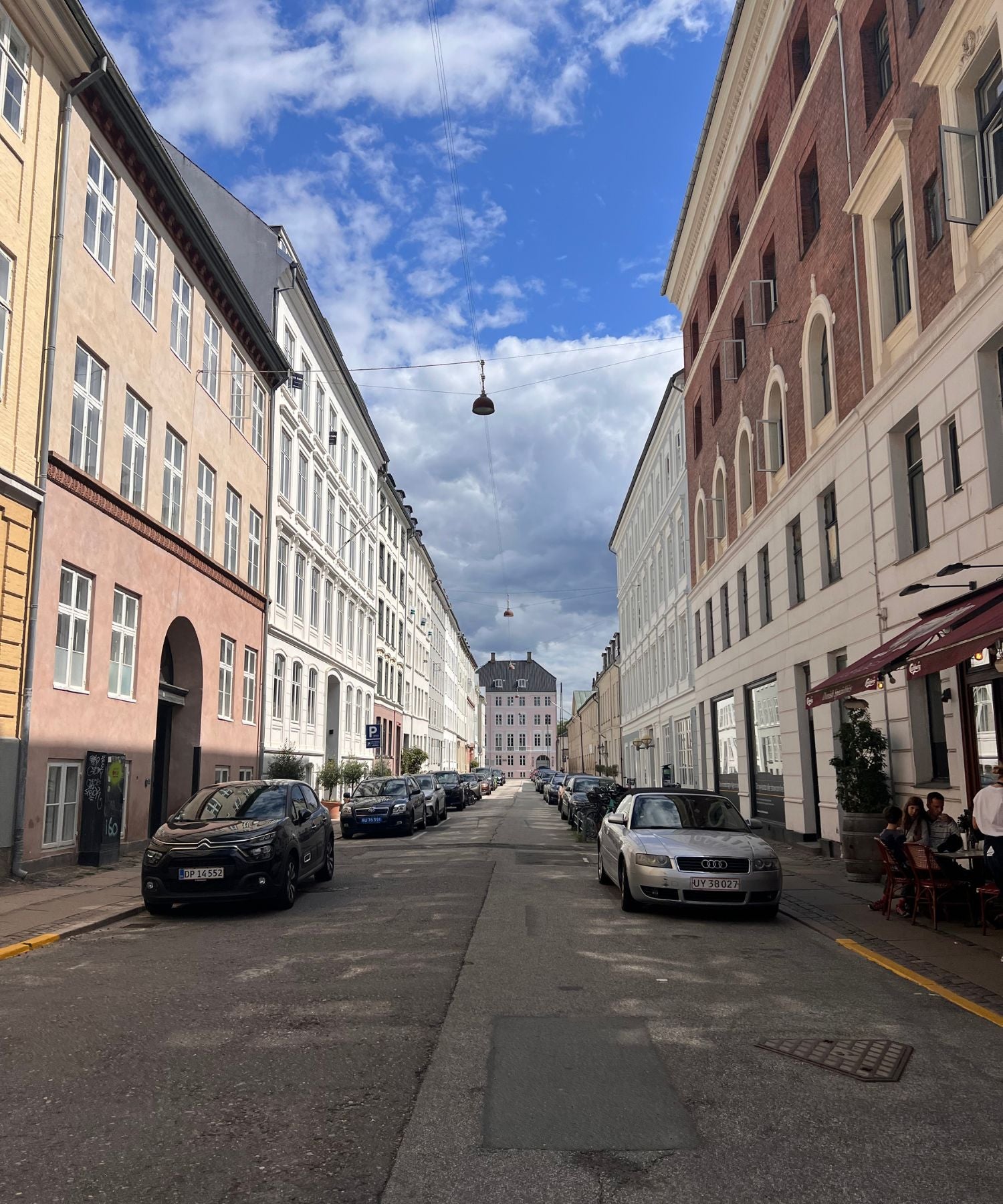
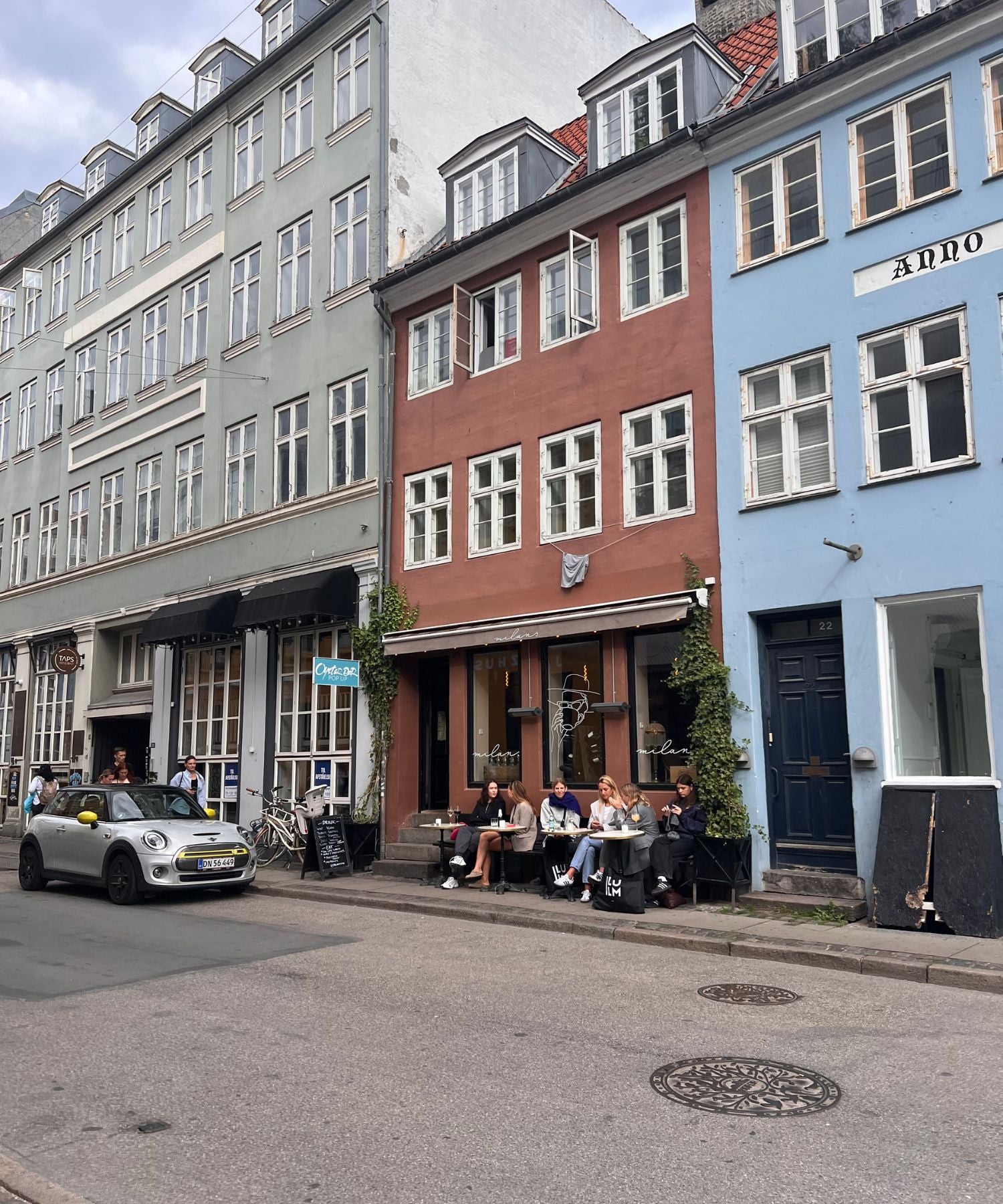
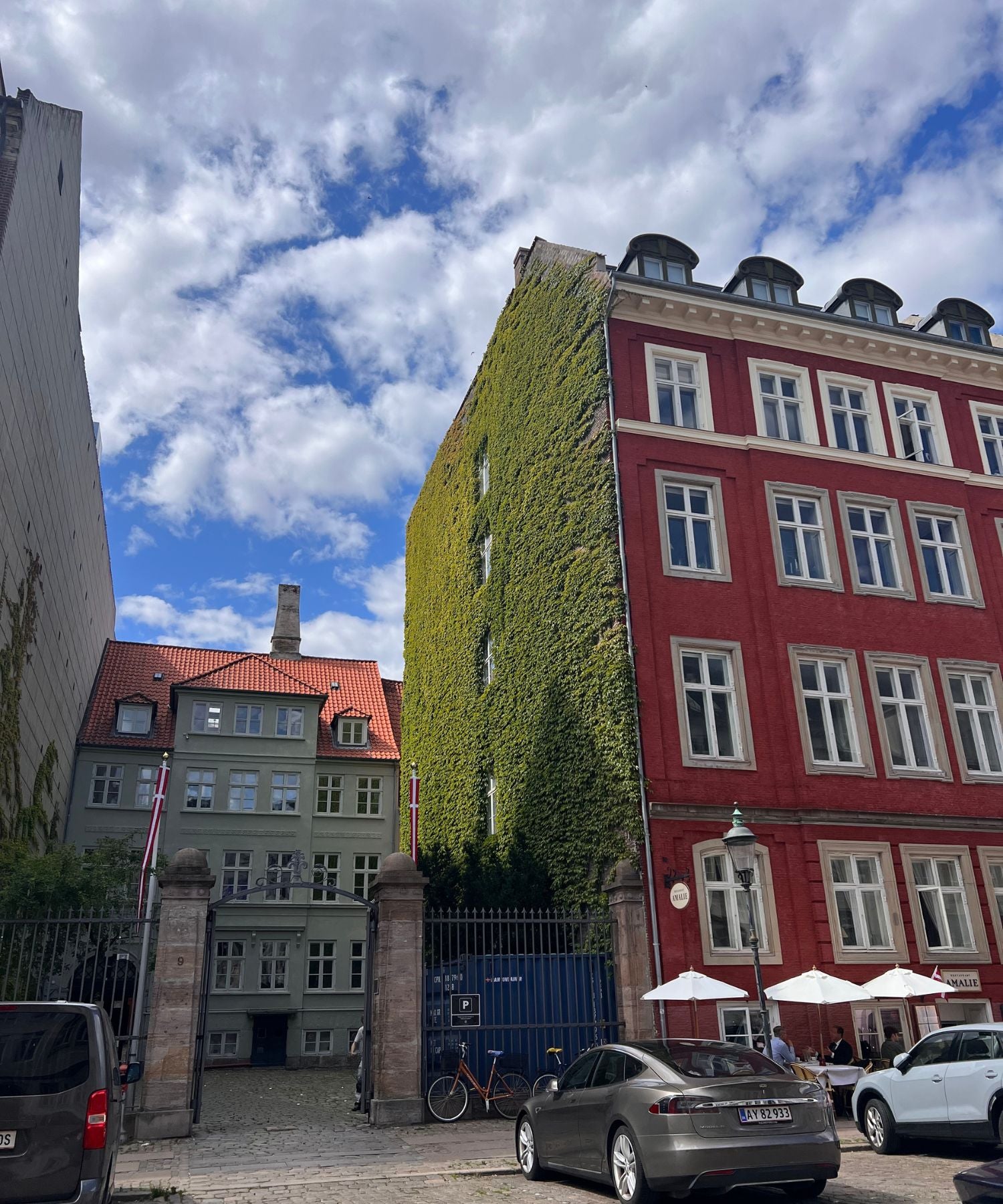
- Jægersborggade: A super charming street, filled with independent shops, cool cafes, and restaurants.
- Værnedamsvej: Known as the city's "La Petite Paris," filled with cozy shops and cafes, it is loved by locals and tourists alike.
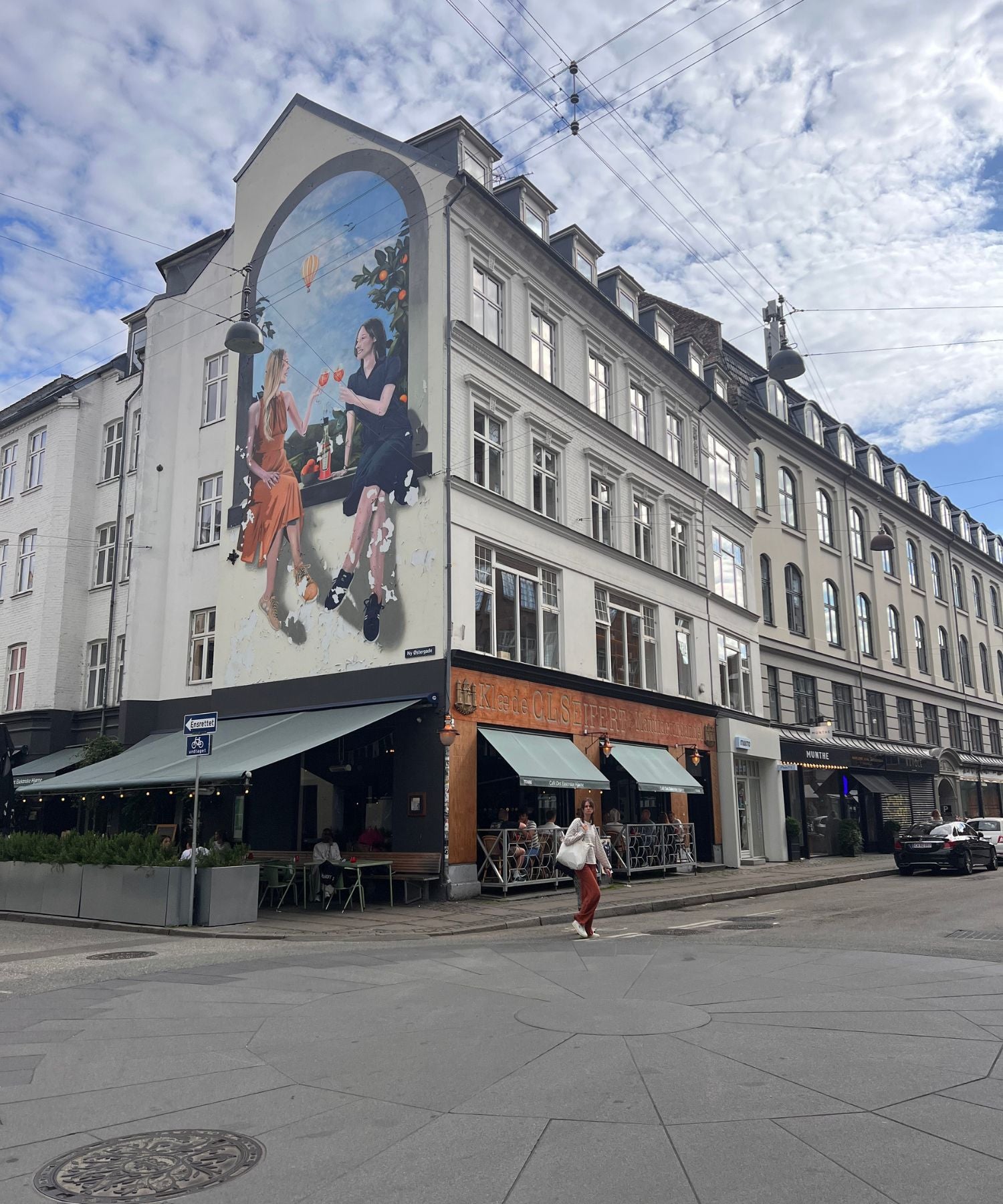
- Østergade: A historic, central, and super busy street, a starting point for many tourist attractions, featuring a huge variety of all types of shops.
- Nørrebro: A diverse and creative neighborhood, celebrated for its multicultural atmosphere and youthful energy, with many independent shops, cool bars and restaurants, and art galleries.
- Carlsberg Byen: A modern neighborhood that emerged where the old Carlsberg brewery once stood. Combining the area's industrial legacy with contemporary design, it is a residential, cultural, and commercial neighborhood. The district has its own website where you can find more information.
- Vesterbro: Copenhagen's former red-light district is now a cool neighborhood, with nightlife, great bars and restaurants, and is also a residential neighborhood loved by locals.
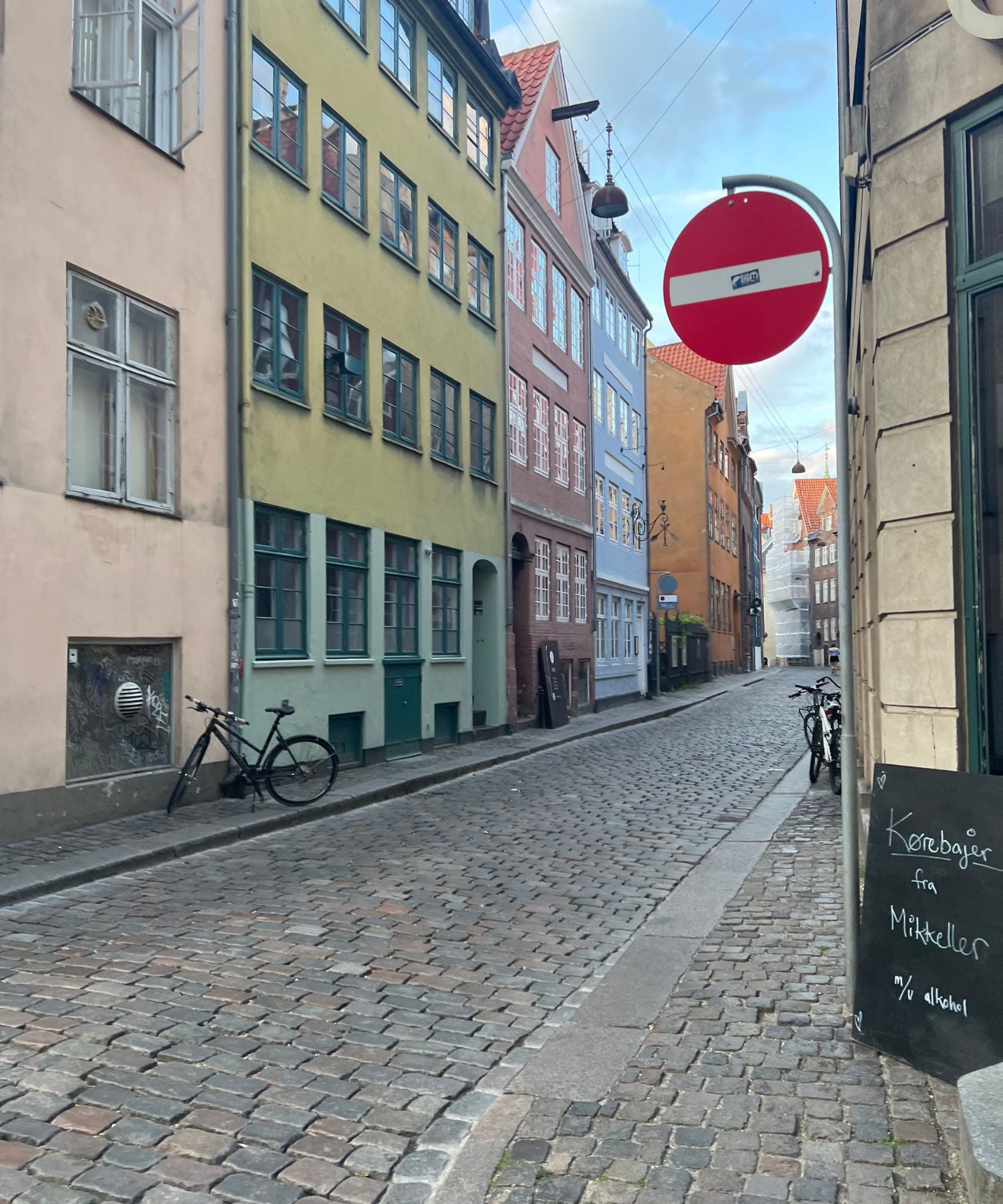
- Magstræde: A charming historic street with colorful little houses and traditional Danish architecture. It houses several shops, cafes, restaurants, and art galleries.
- Strøget: A famous shopping street known for being one of the longest pedestrian areas in Europe. Filled with international and local brand stores, restaurants, and cafes.
Museums & Galleries
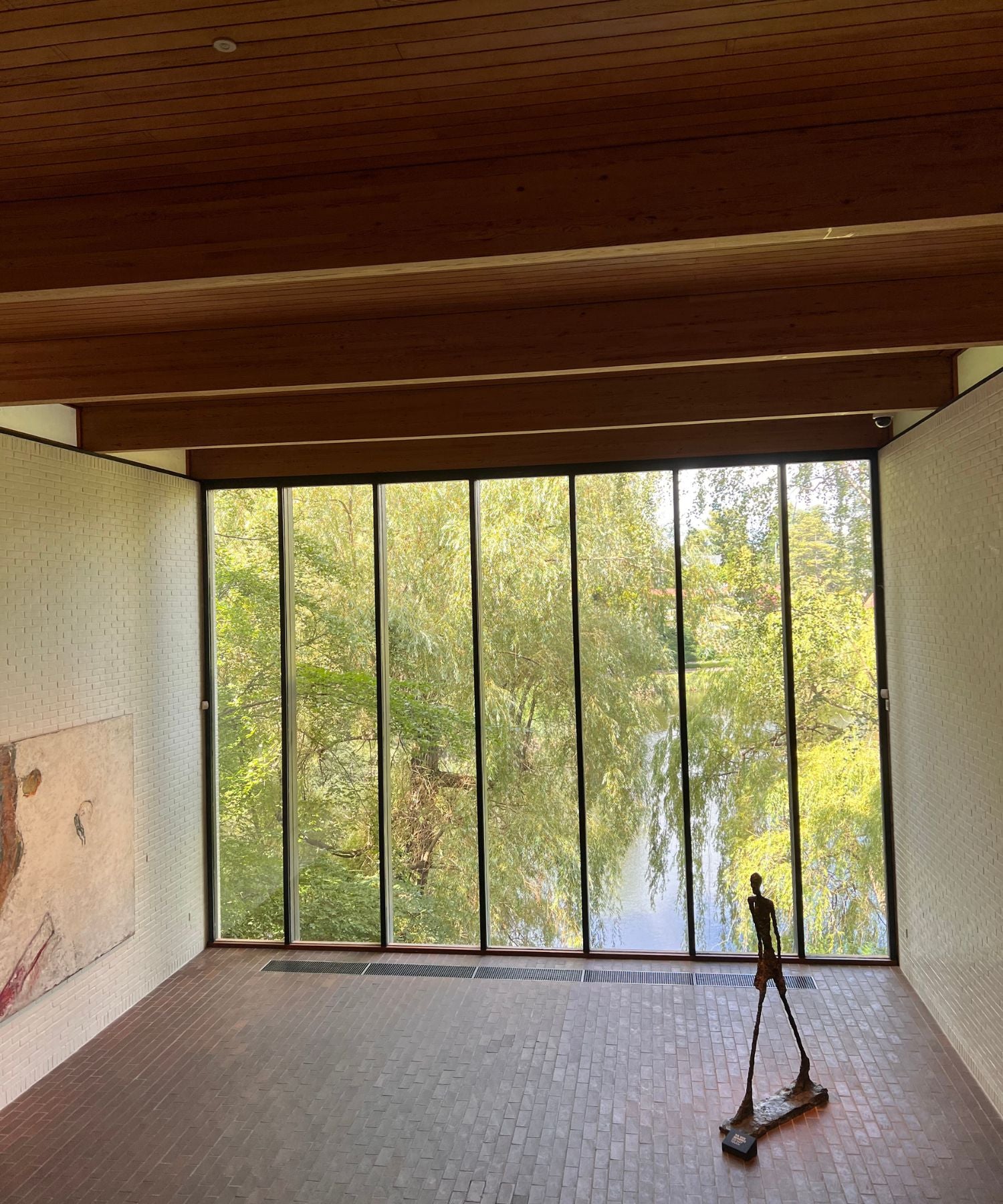
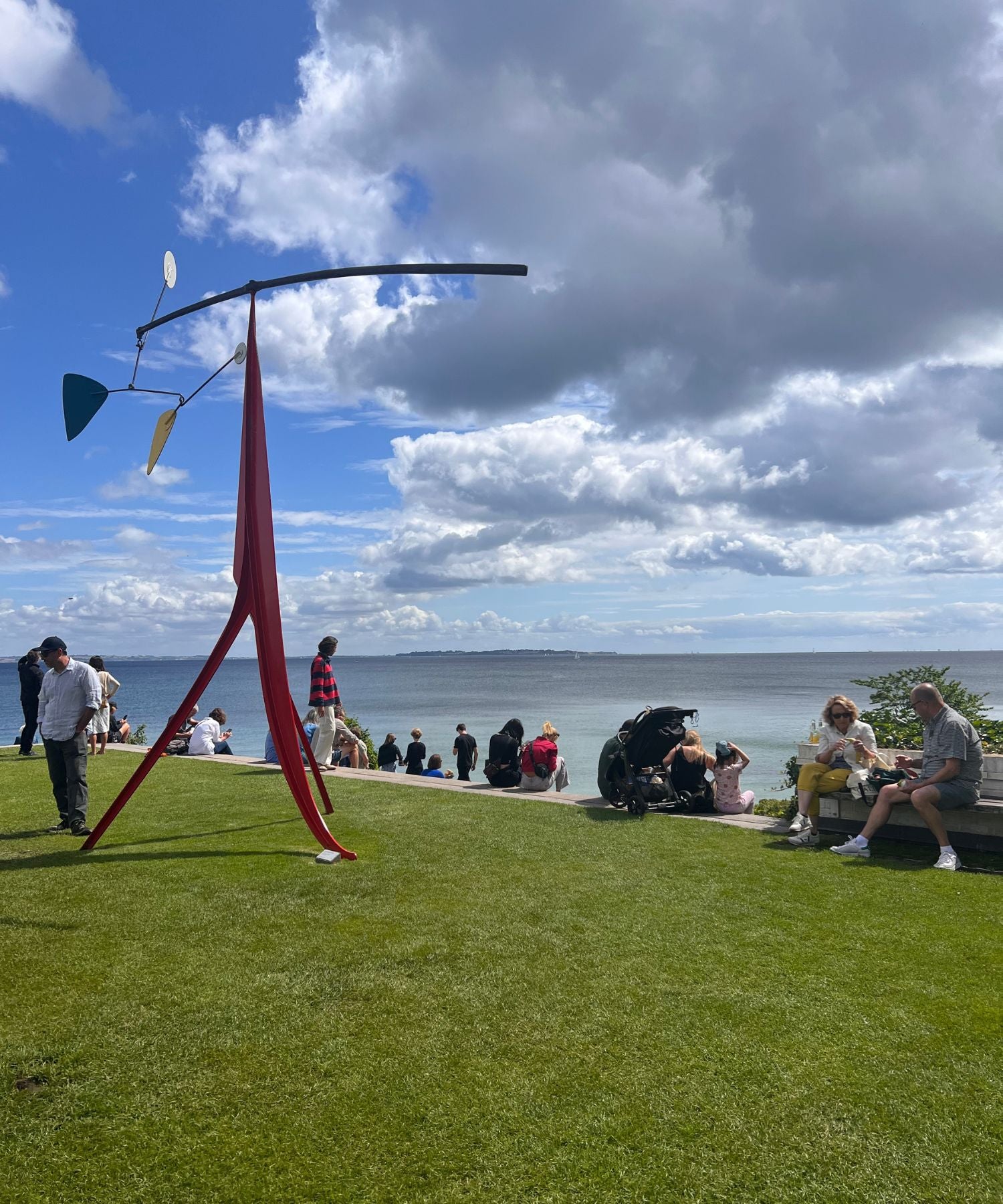
- Louisiana Museum of Modern Art: Modern and contemporary art museum located about 35 kilometers north of Copenhagen. Founded in 1958, the museum is one of the country's leading cultural institutions, its architecture incorporates modern elements and was designed to blend harmoniously with the surrounding natural landscape. It features a series of buildings connected by glass walkways, with stunning views of the Baltic Sea and the gardens, which are a museum in their own right, with outdoor sculptures and art installations.
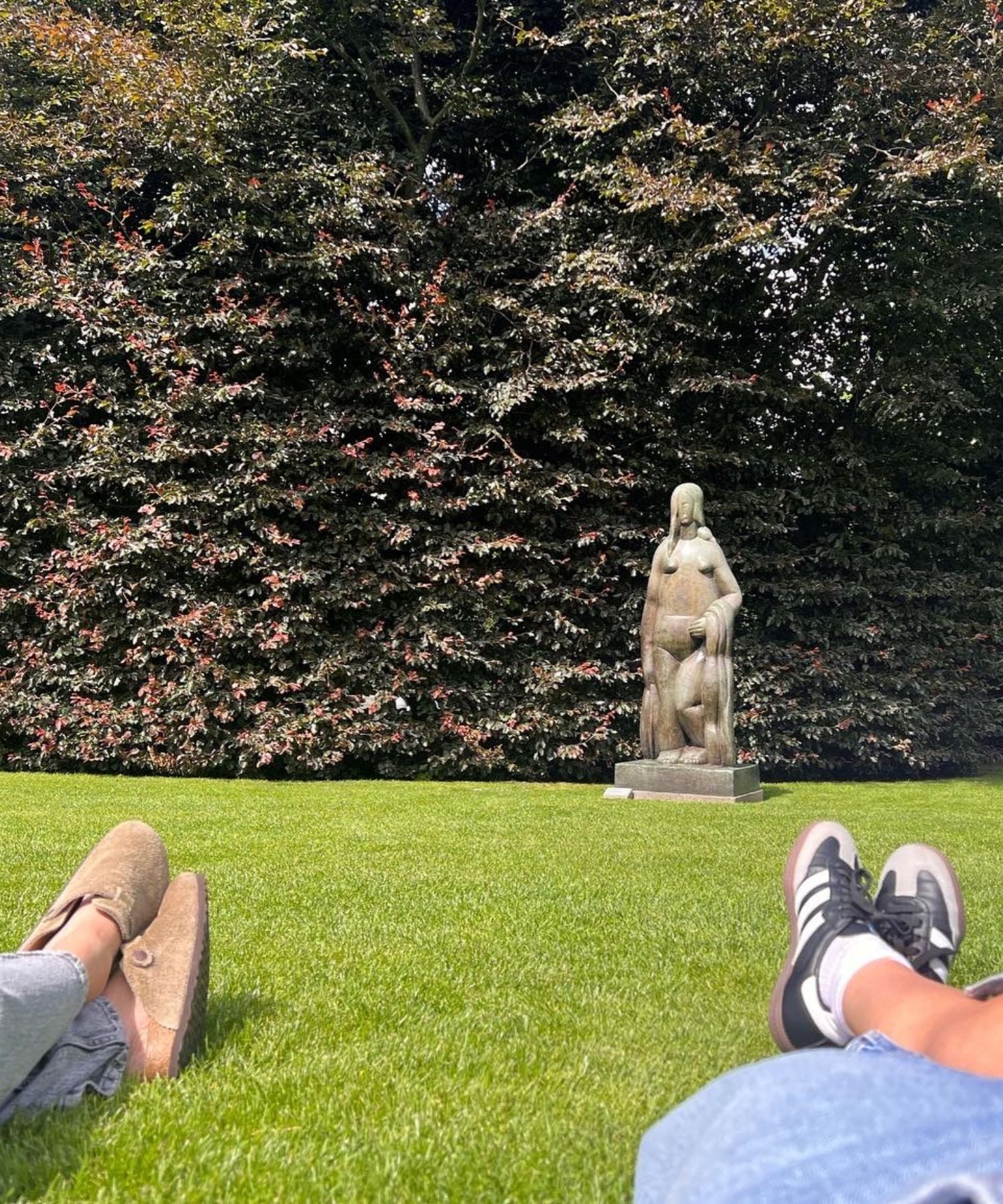
- Ordrupgaard Museum: Located on the outskirts of Copenhagen, the museum founded in 1918 is known for having one of the most important collections of 19th and early 20th-century Danish and French art in Northern Europe. In 2005, the museum underwent a significant architectural expansion designed by Zaha Hadid.
- Arken Museum for Moderne Kunst: Located on the shores of the North Sea a few kilometers from Copenhagen, the museum houses an extensive collection of Danish and international contemporary art.
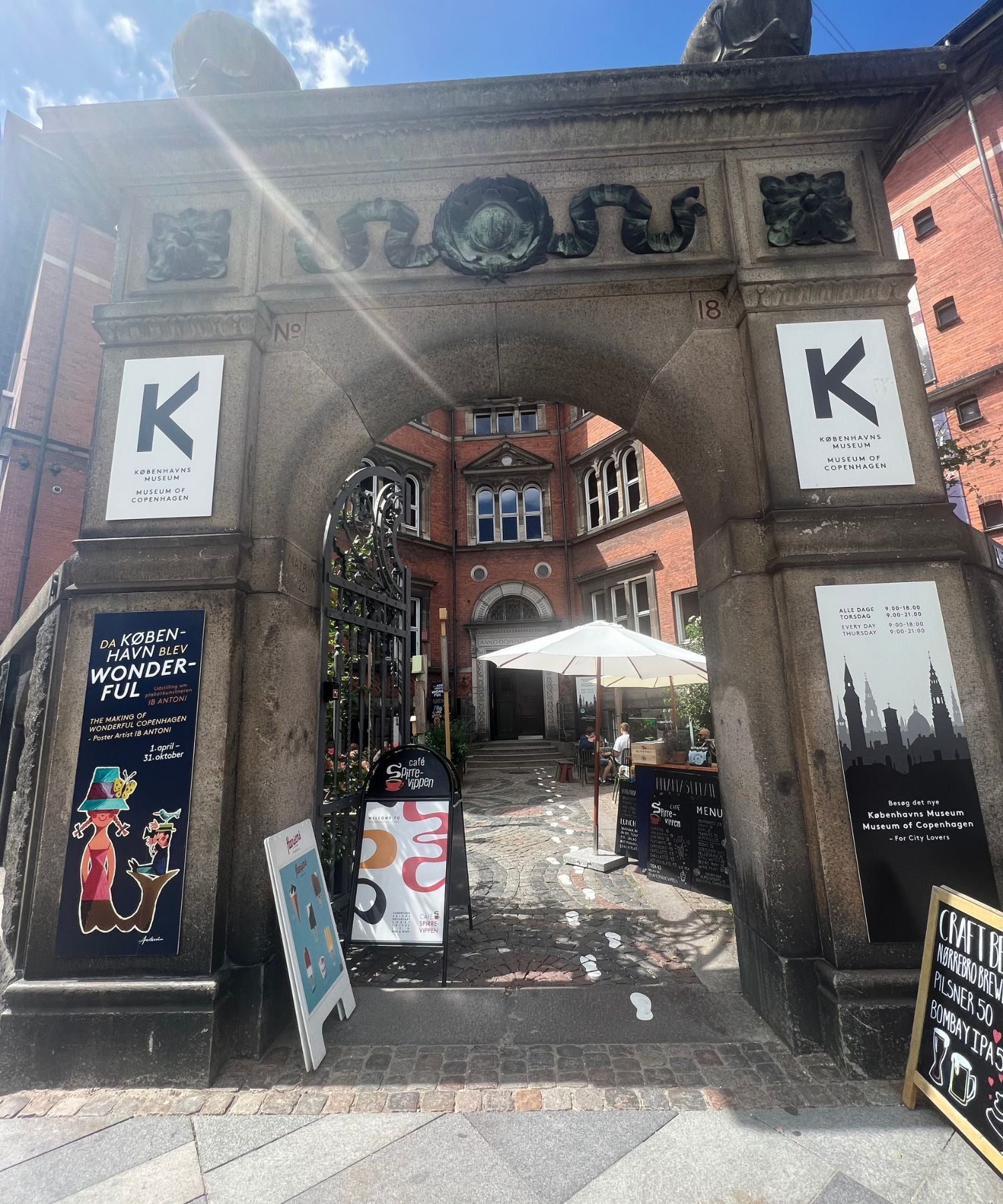
- Museum of Copenhagen: This museum has the mission of telling the city's history and its evolution over time, covering everything from its early days to the present day.
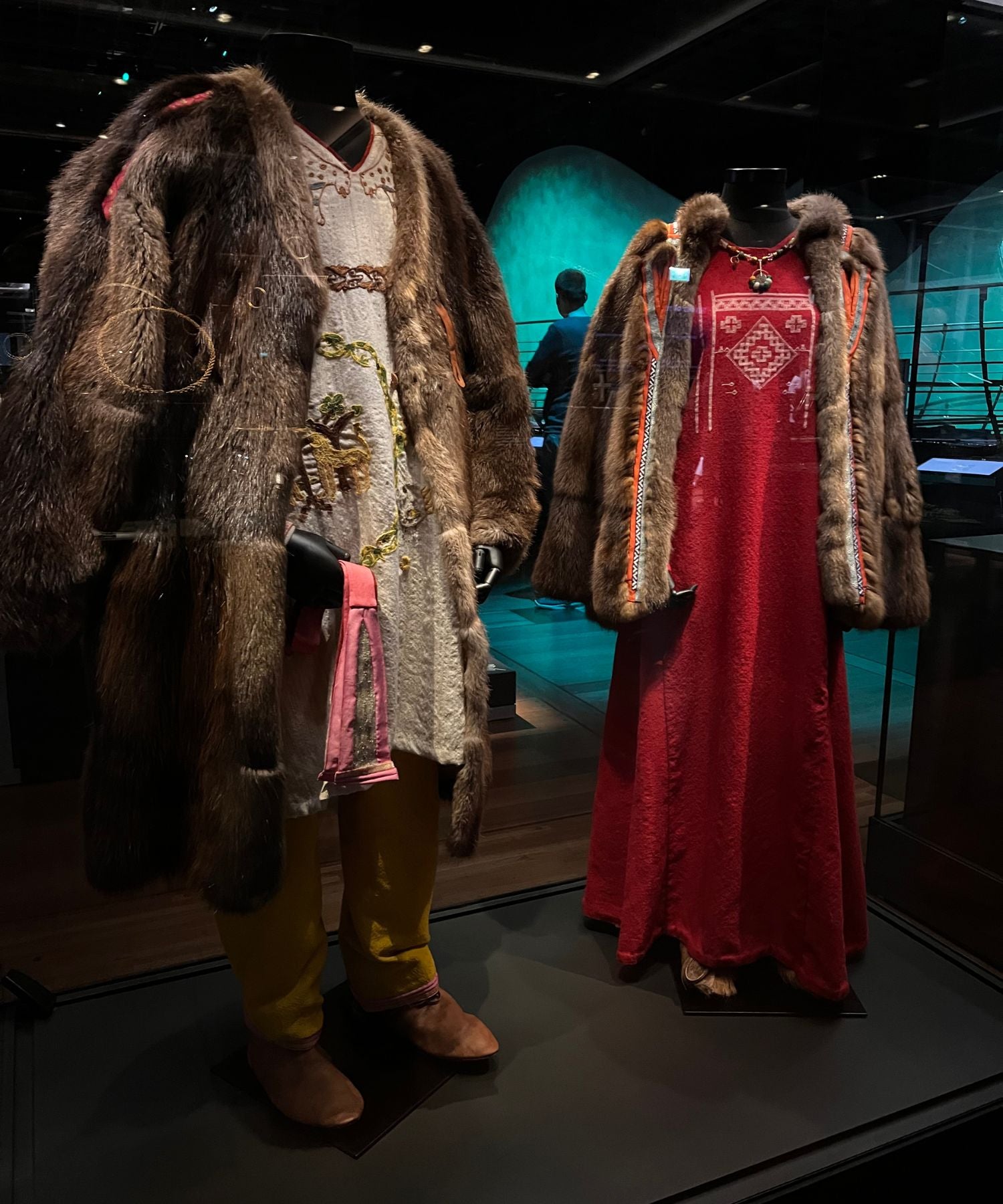
- The National Museum: One of Denmark's most important cultural institutions, it offers a comprehensive overview of Danish history, culture, and heritage. The collection of prehistoric and Viking artifacts is extremely interesting and was the part I enjoyed most at the museum.
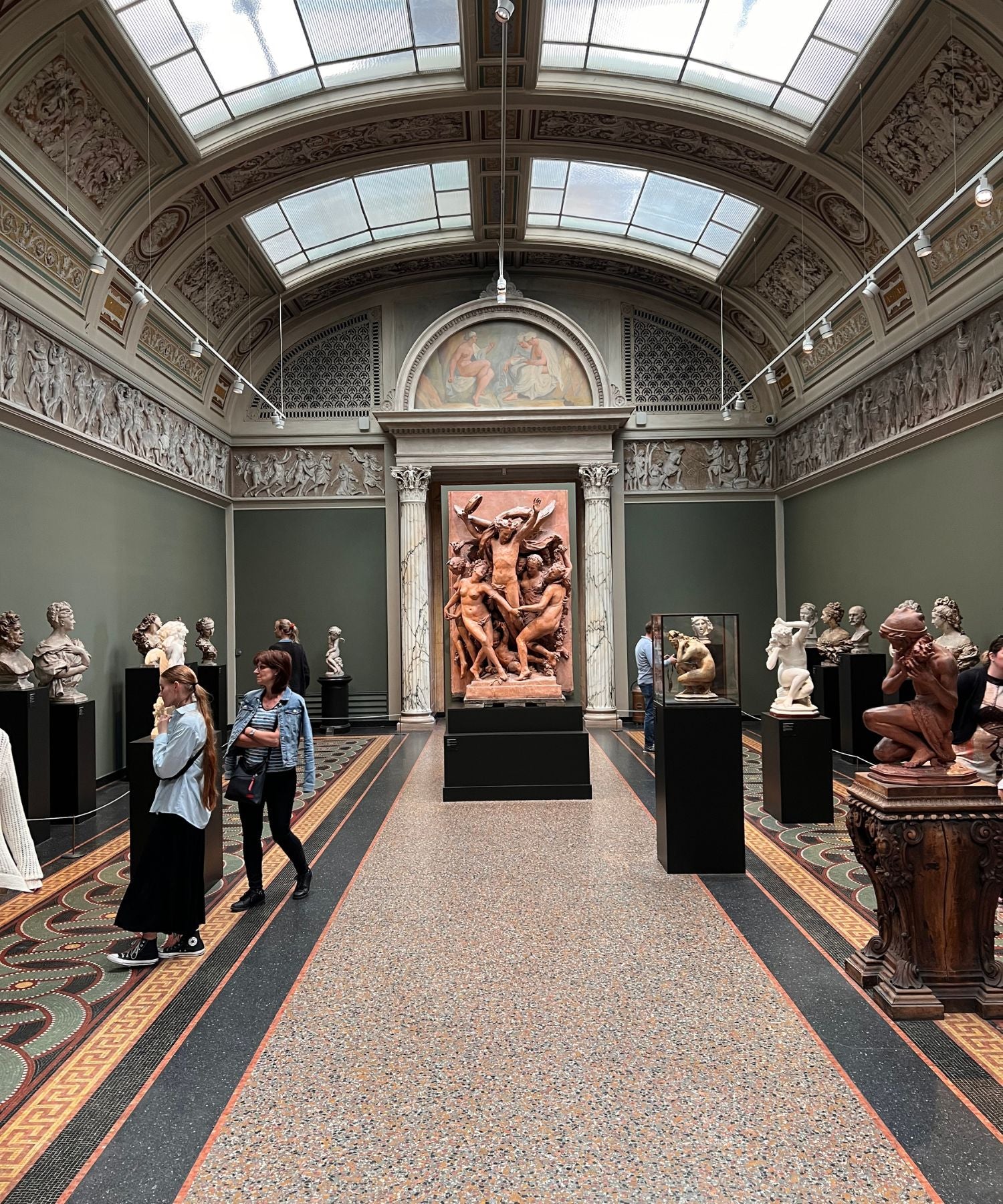
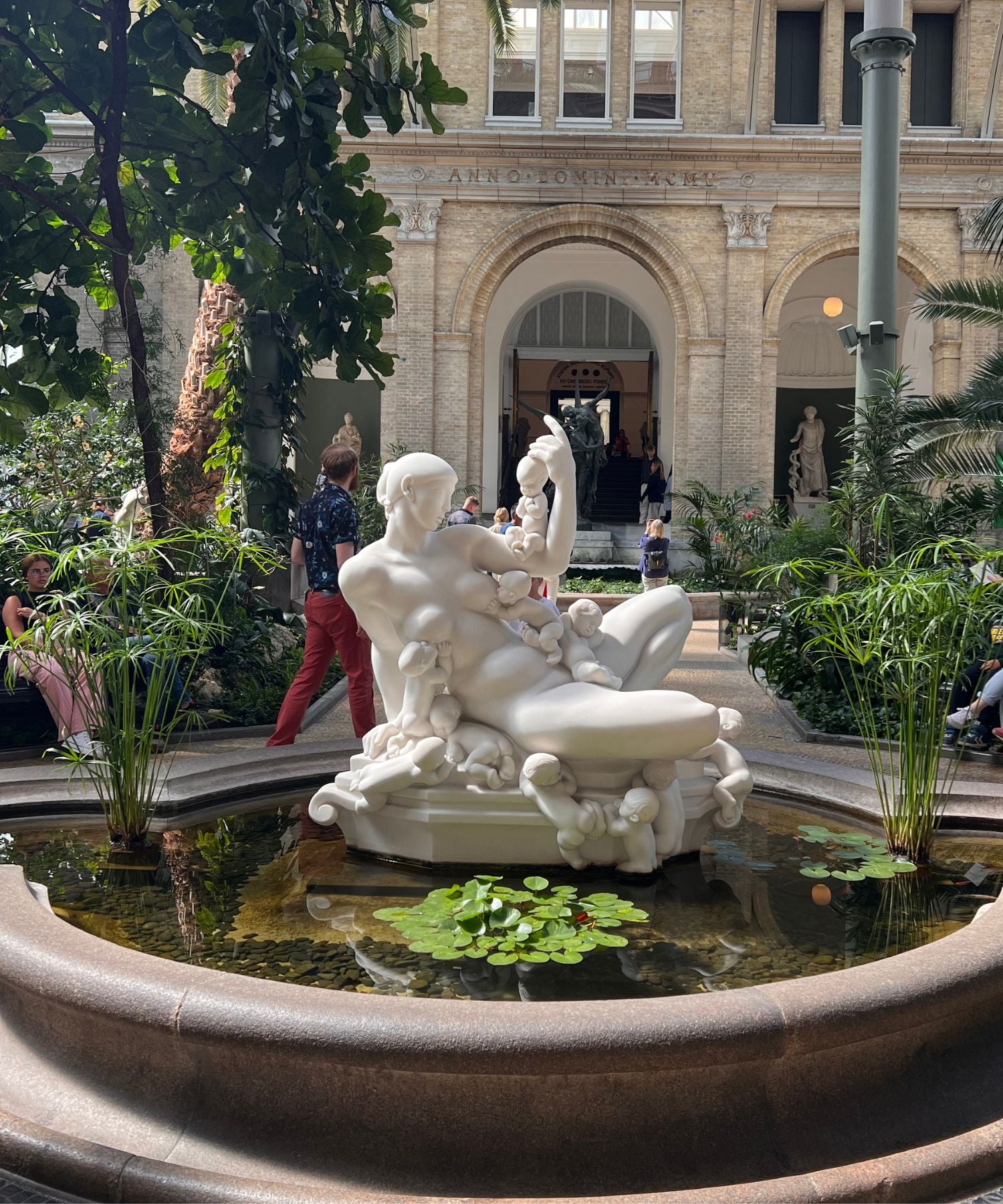
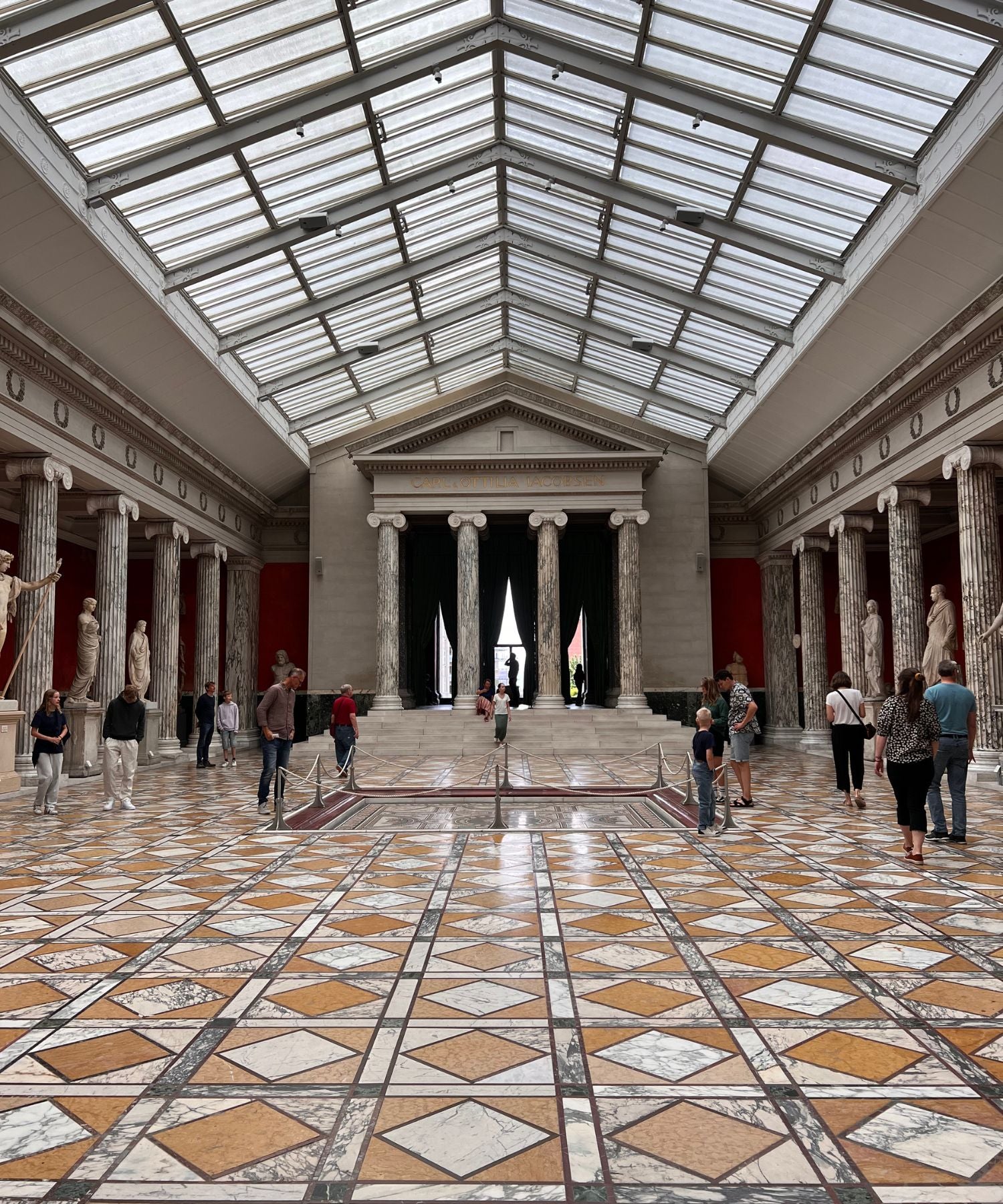
- Ny Carlsberg Glyptotek: The Glyptotek is known for its collection of ancient and classical art, which includes sculptures, paintings, and artifacts from ancient civilizations such as Ancient Egypt, Greece, and Rome. The museum also houses the largest collection of Rodin's works outside of France and a remarkable collection of Impressionist and Post-Impressionist paintings, with works by artists such as Monet, Manet, Degas, Renoir, and Cézanne. Not to mention the building itself, which is worth a visit for its beauty alone.
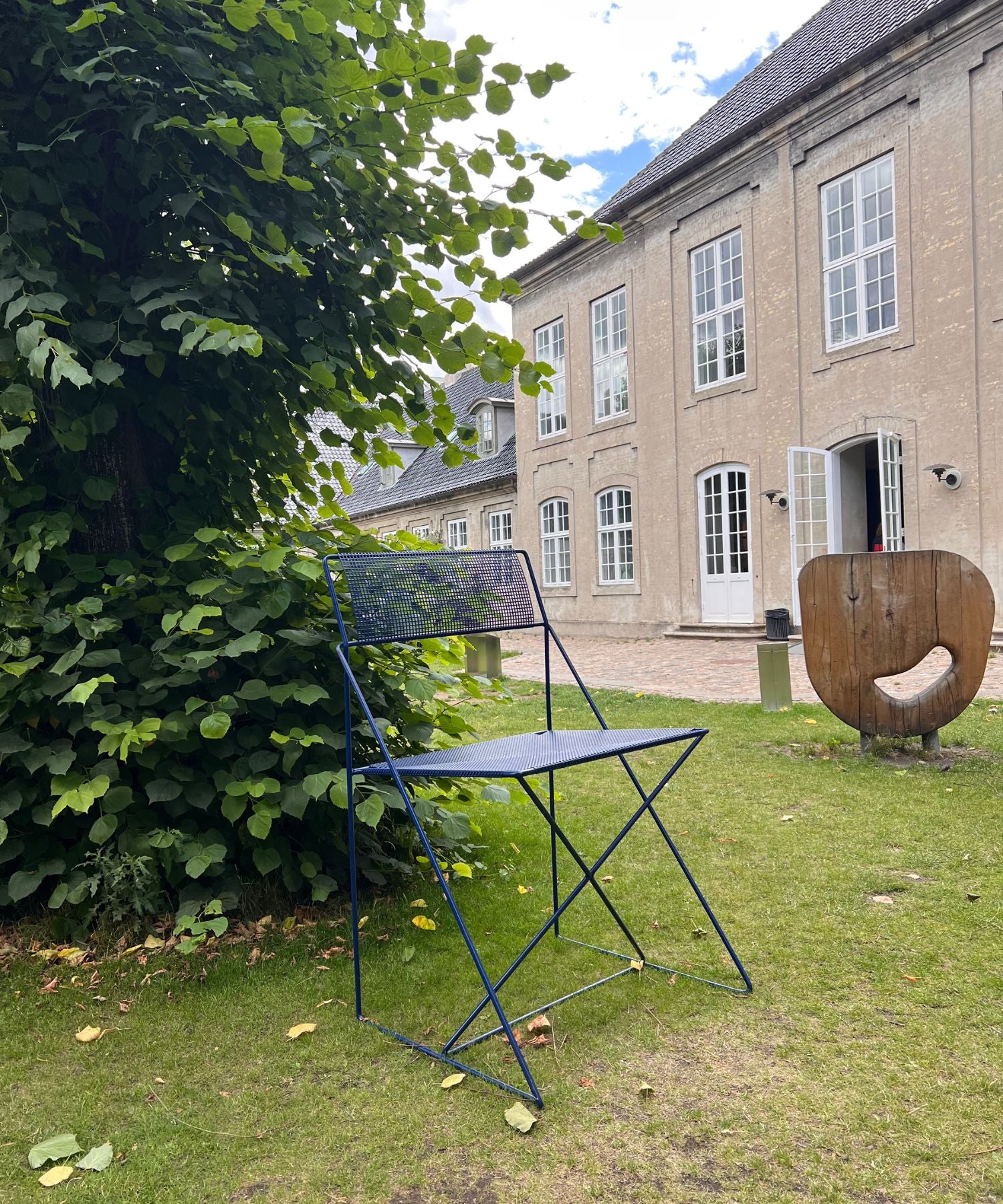
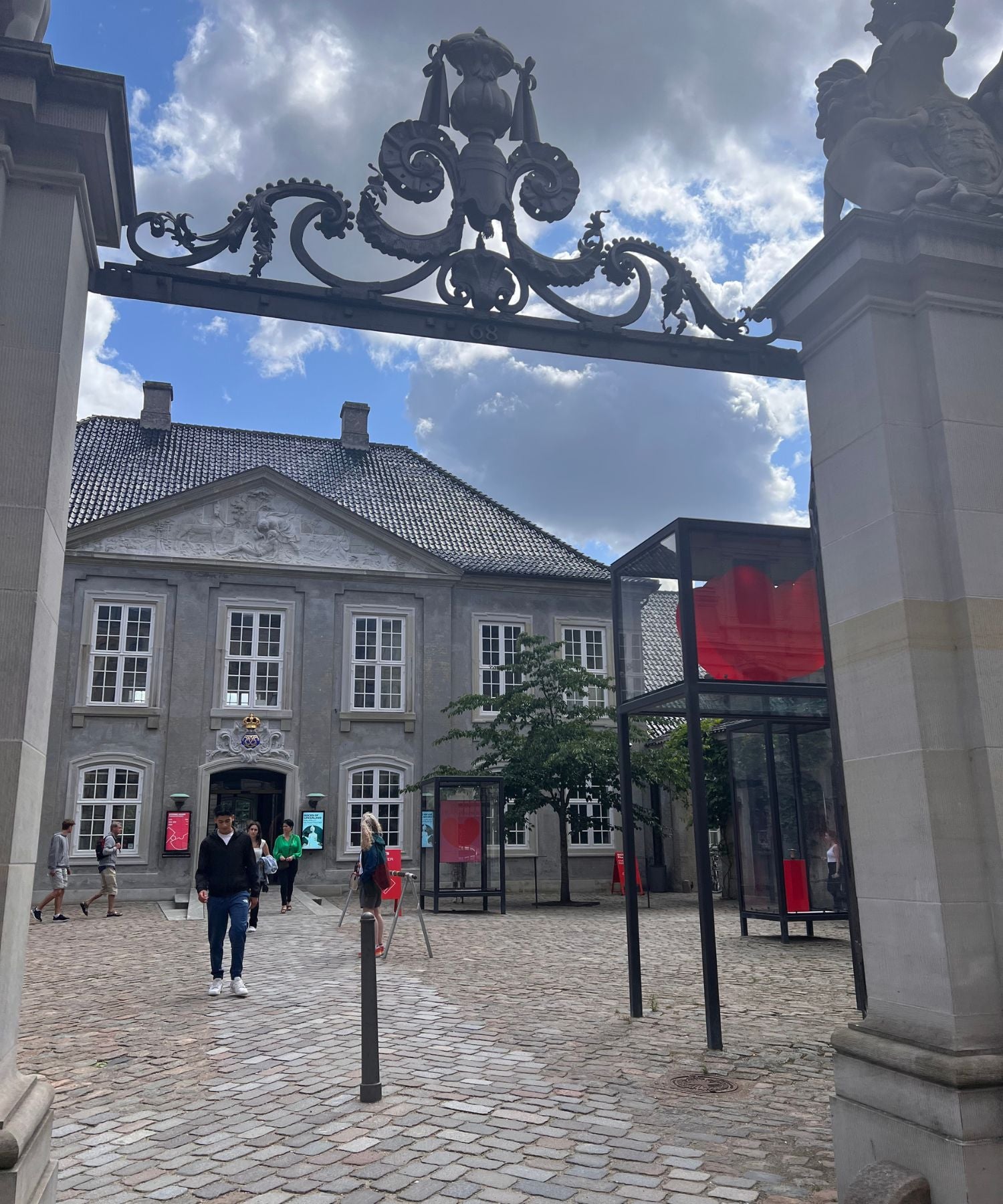
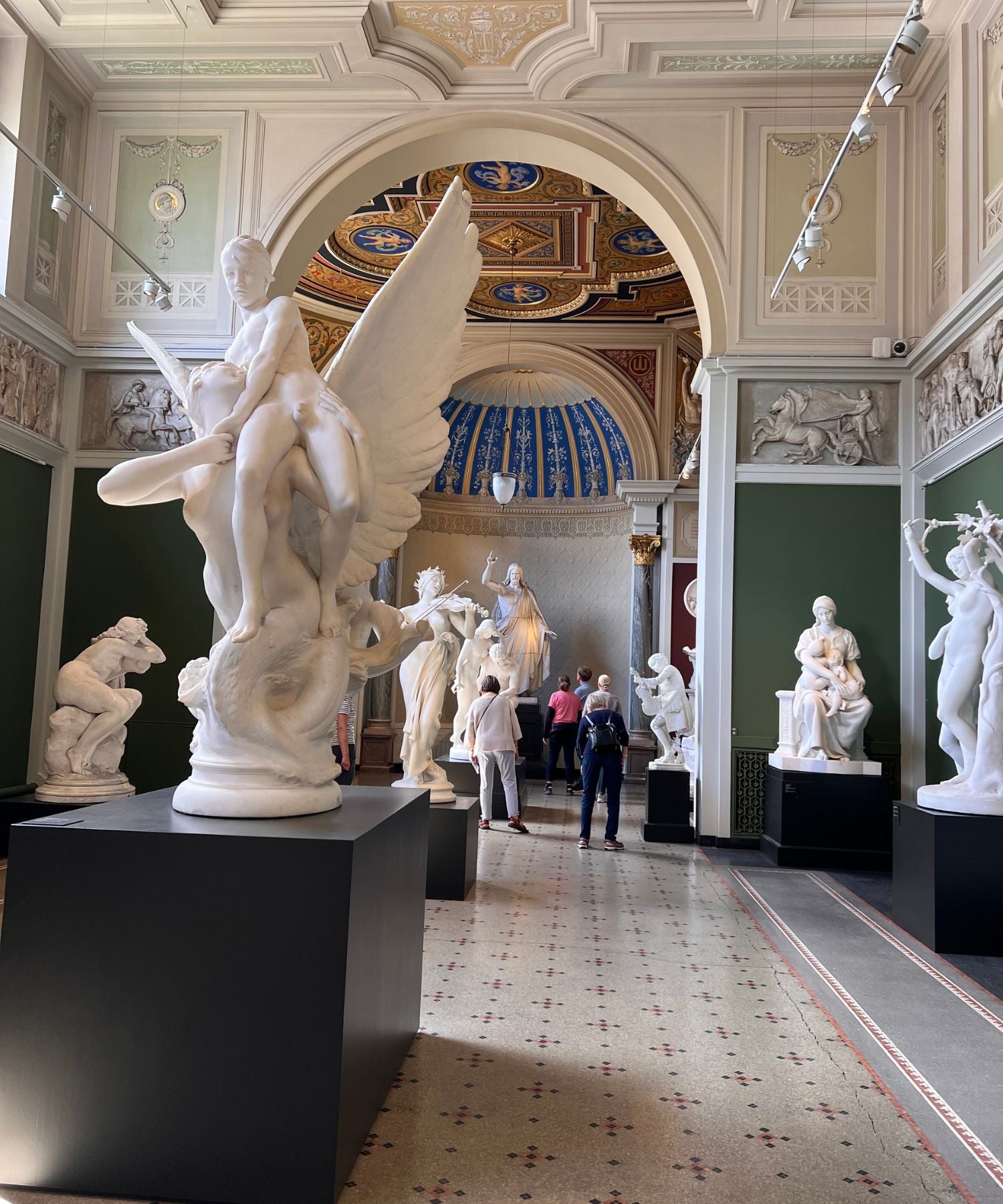
- Design Museum: Founded in 1890, it is one of the oldest design museums in the world and houses a rich collection that traces the history of Danish and international design. It houses a vast collection of furniture, household utensils, textiles, ceramics, and design objects that document the evolution of Danish design over the centuries. The museum's collection includes a series of iconic Danish furniture pieces designed by names such as Hans J. Wegner, Arne Jacobsen, Poul Henningsen, among others. The museum building itself is a remarkable example of Danish architectural design. Designed by Vilhelm Dahlerup, it is a blend of styles that includes elements of the Italian Renaissance and Nordic historicism.
- Copenhagen Contemporary: Founded in 2015, it is a space dedicated to exhibiting avant-garde contemporary art, with a focus on installations, experimental art, and new media.
- Danish Architecture: The Danish Architecture Museum, known in Danish as "Dansk Arkitektur Center" (DAC), is a museum dedicated to architecture and design. Founded in 1985, the museum aims to celebrate and explore Danish and international architecture, as well as its impact on society.
- SMK - The National Gallery: SMK, also known as Statens Museum for Kunst or The National Gallery, is Denmark's National Gallery of Art. Founded in 1825, it is one of Denmark's largest and most important art museums and houses a vast and diverse collection of Danish and international artworks. Its collection features works by renowned Danish artists such as Christoffer Wilhelm Eckersberg, Vilhelm Hammershøi, and C.W. Eckersberg, who played a fundamental role in the history of Danish art.
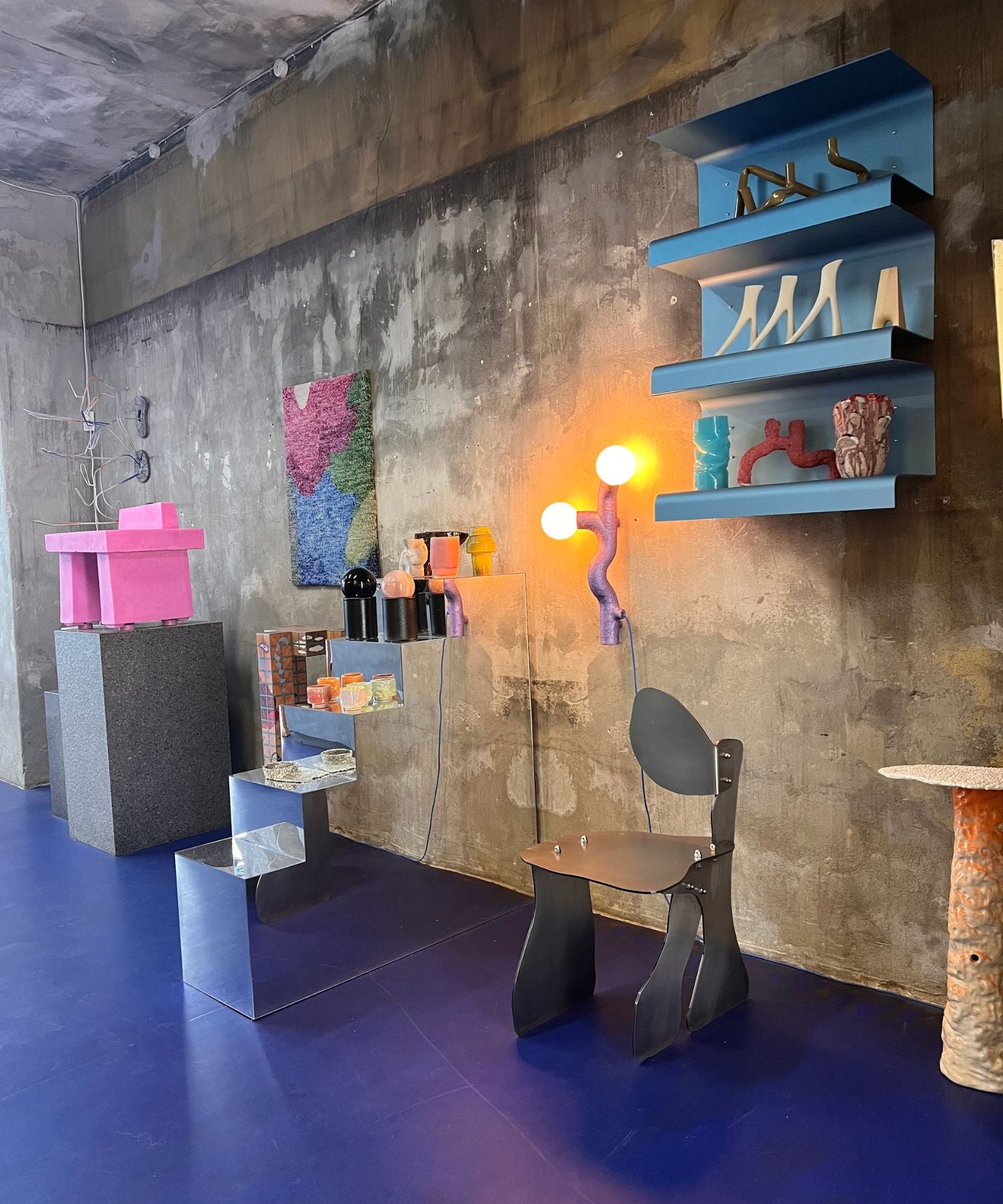
- Etage Projects: A contemporary art gallery founded in 2012 by Marie Kirkegaard. The gallery is known for its commitment to supporting and promoting contemporary artists and emerging designers.
- Cisternerne: Originally built in 1856 as a water reservoir for the city of Copenhagen, it was emptied and transformed into a space for contemporary art exhibitions in 1996. It hosts temporary exhibitions that change regularly. Contemporary artists and curators frequently use the unique space of the Cistern to create installations that interact in a unique way with the underground environment, its dark and damp atmosphere, with water on the floor that reflects the art, creating a unique sensory experience. The venue has limited visitor capacity and requires advance booking.
- Von Bartha: Founded in 1970, von Bartha is an intergenerational Swiss gallery that creates a meeting point between modern and contemporary art. Von Bartha's first international branch opened in Copenhagen in December 2021. Located in the center of Carlsberg Byen, a rapidly developing area of the city created in the 19th century by brewer and businessman Carl Jacobsen, the gallery occupies an old lighthouse, as well as an outdoor courtyard for displaying sculptures.
To Eat
Restaurants:
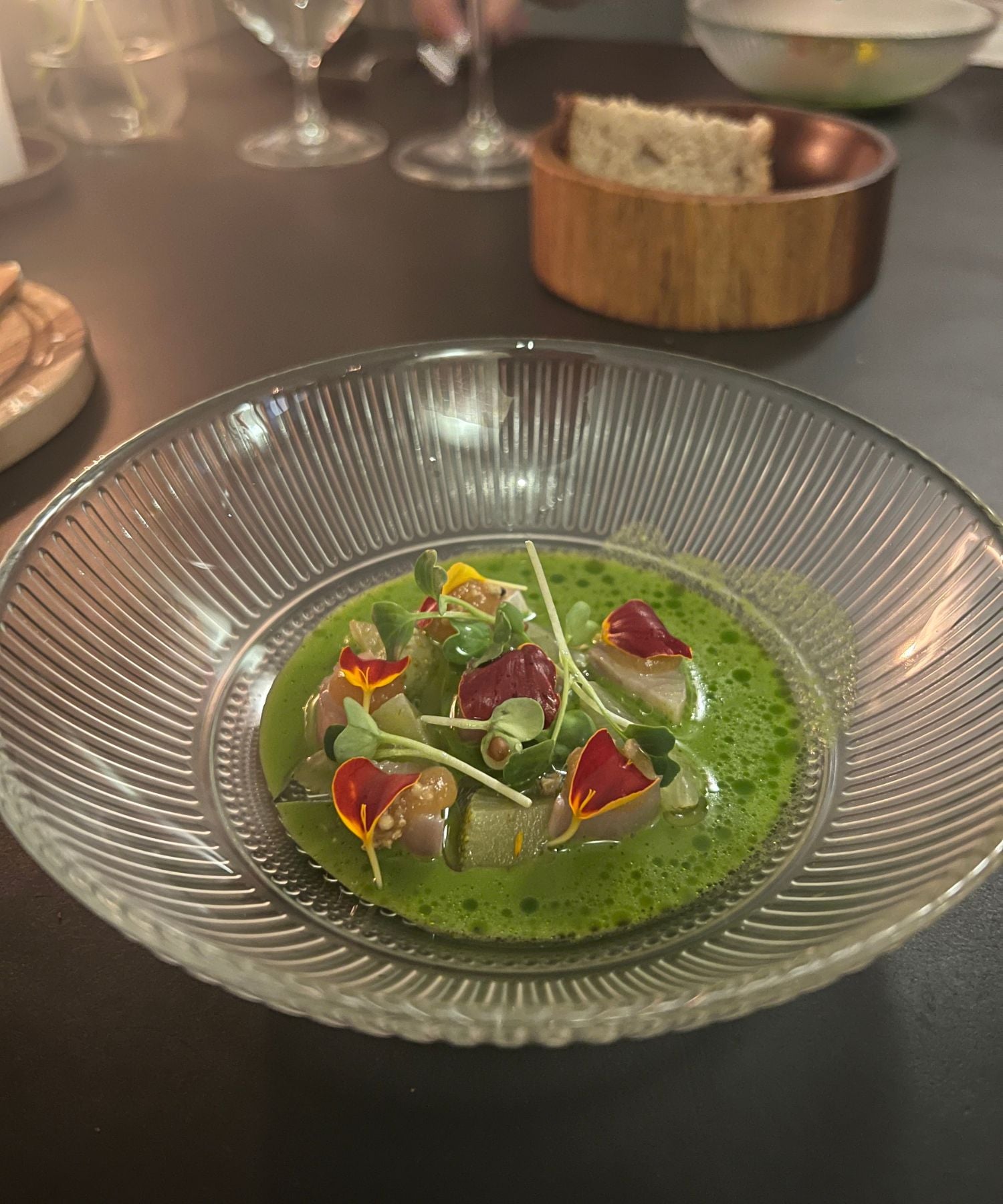
- Geranium
- Marchal
- Barr
- Esmée
- Apollo Bar
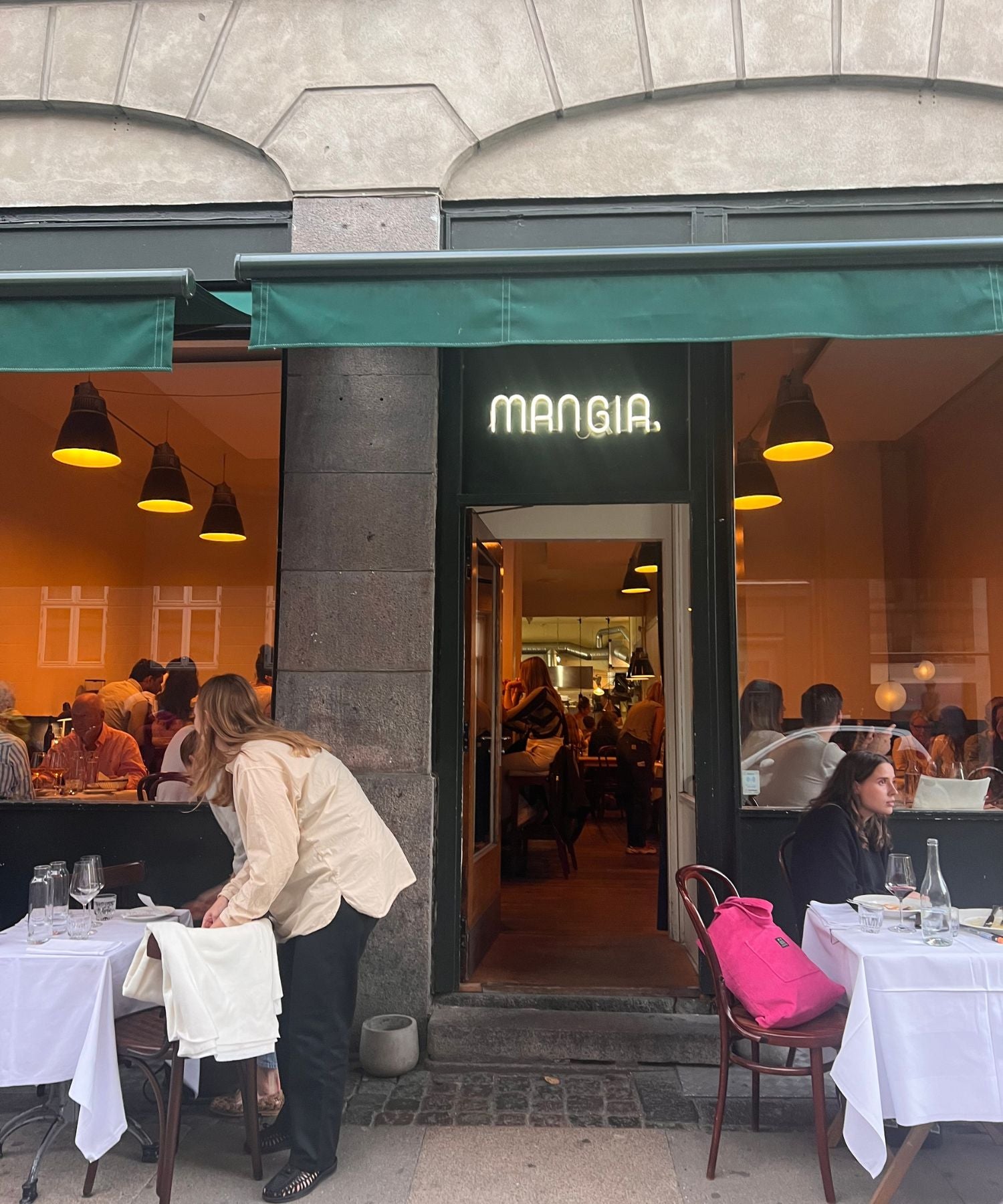
- Mangia
- Barabba
- Cantina
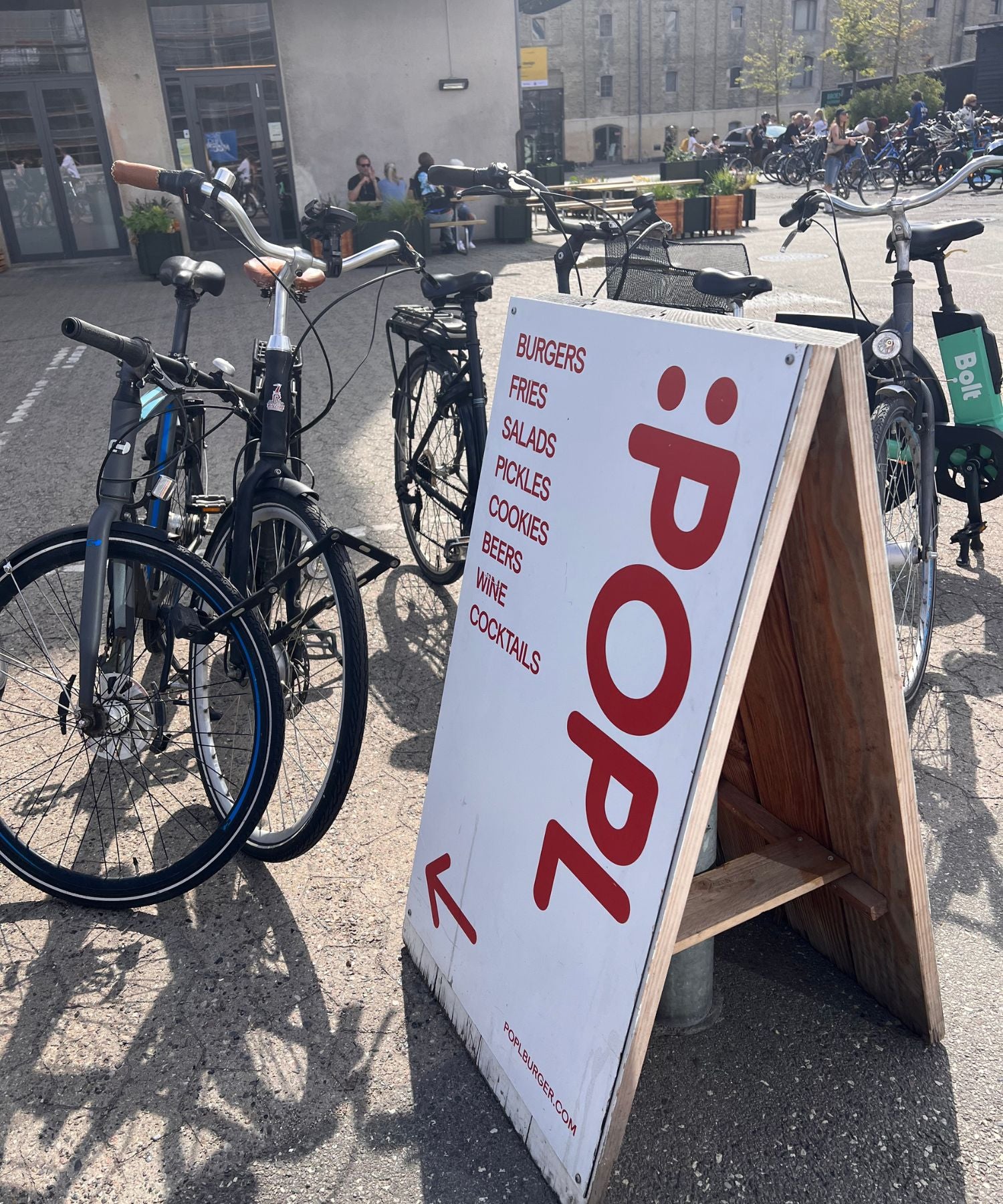
- Popl Burger
- Gasoline Grill
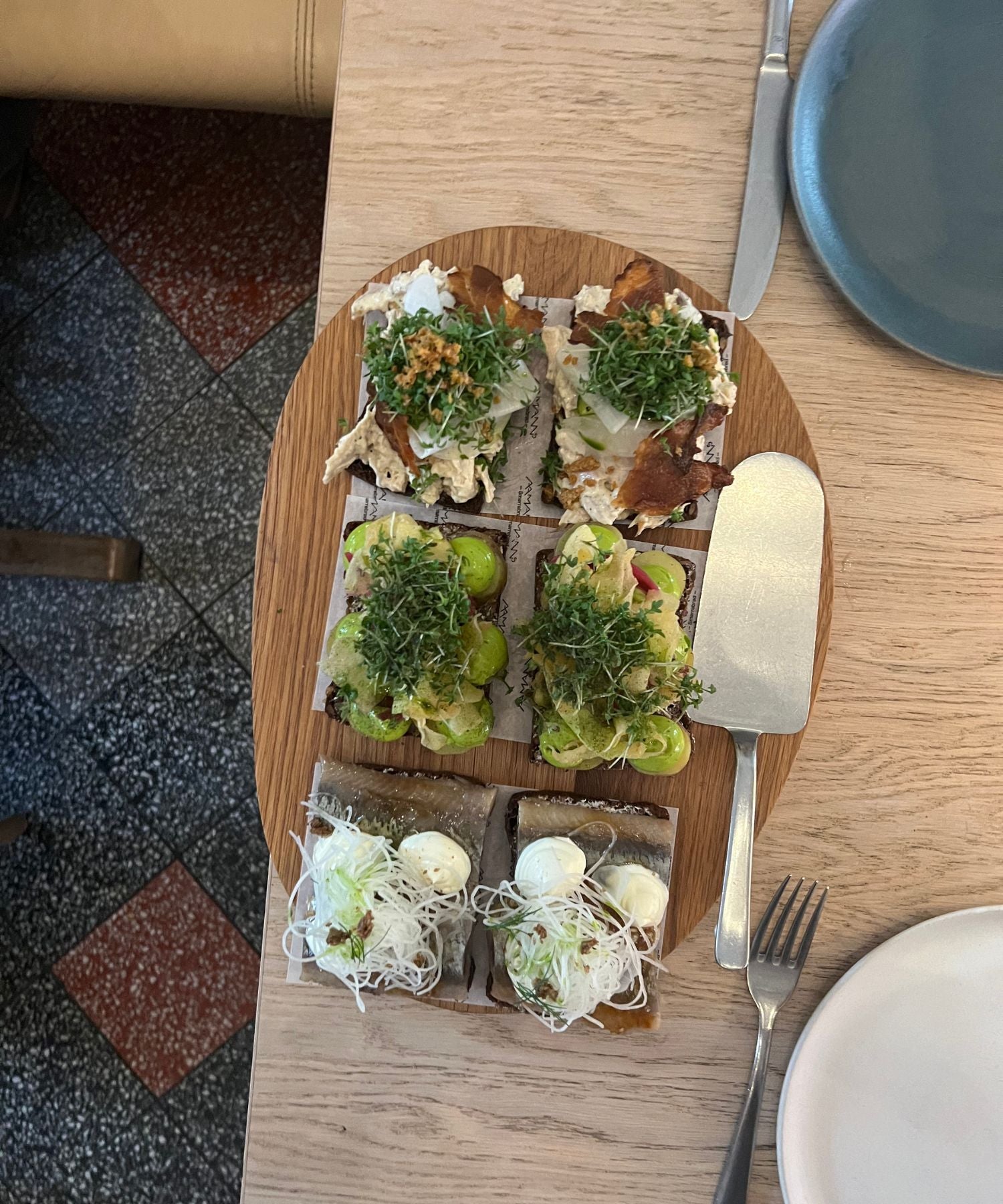
- Aamanns 1921
- Selma
- Marv & Ben
- Omegn & Venner
- La Banchina
- Reffen
- Studio X
- Delphine
- Baka d'Busk
- Bottega Barlie
- Dzidra
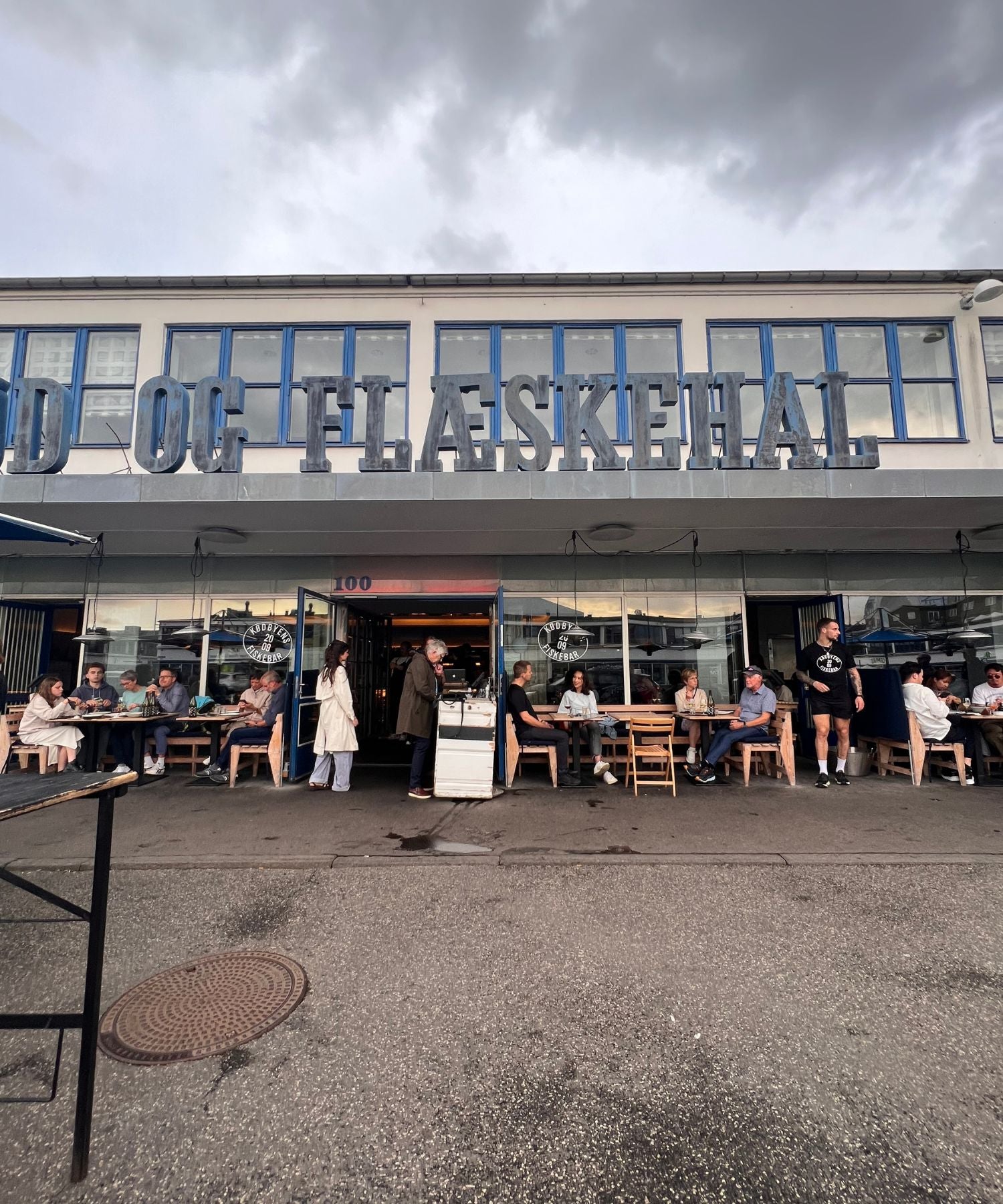
- Kødbyens Fiskebar
- Rabarbergaarden
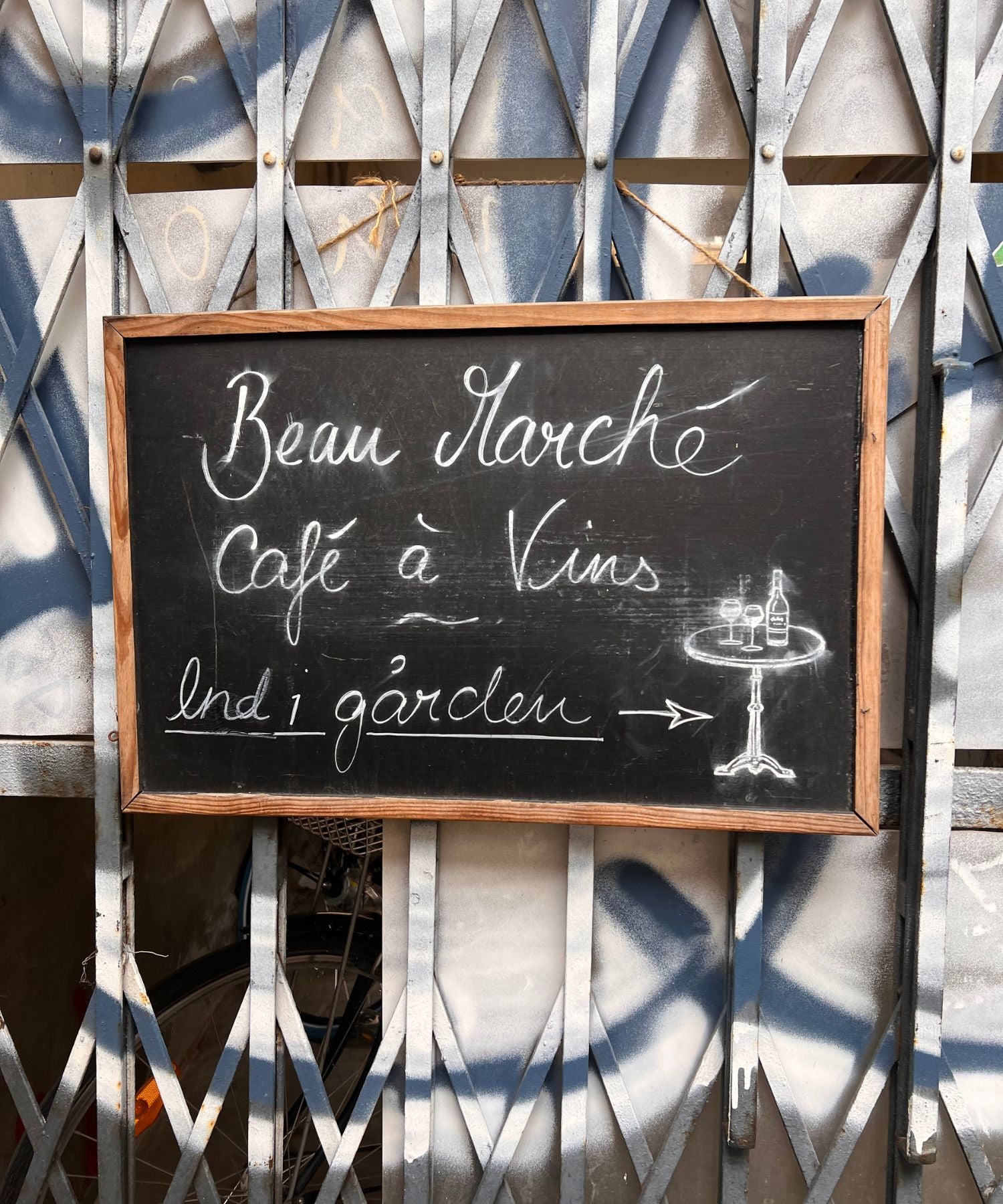
- Beau Marché Café à Vins
- Omar
- Kadeau
- Fabro
- Mother
- Jatak
- Juju
- Koan
- KŌNĀ
- Goldfinch
- Donda
- Donda Deli
Bars
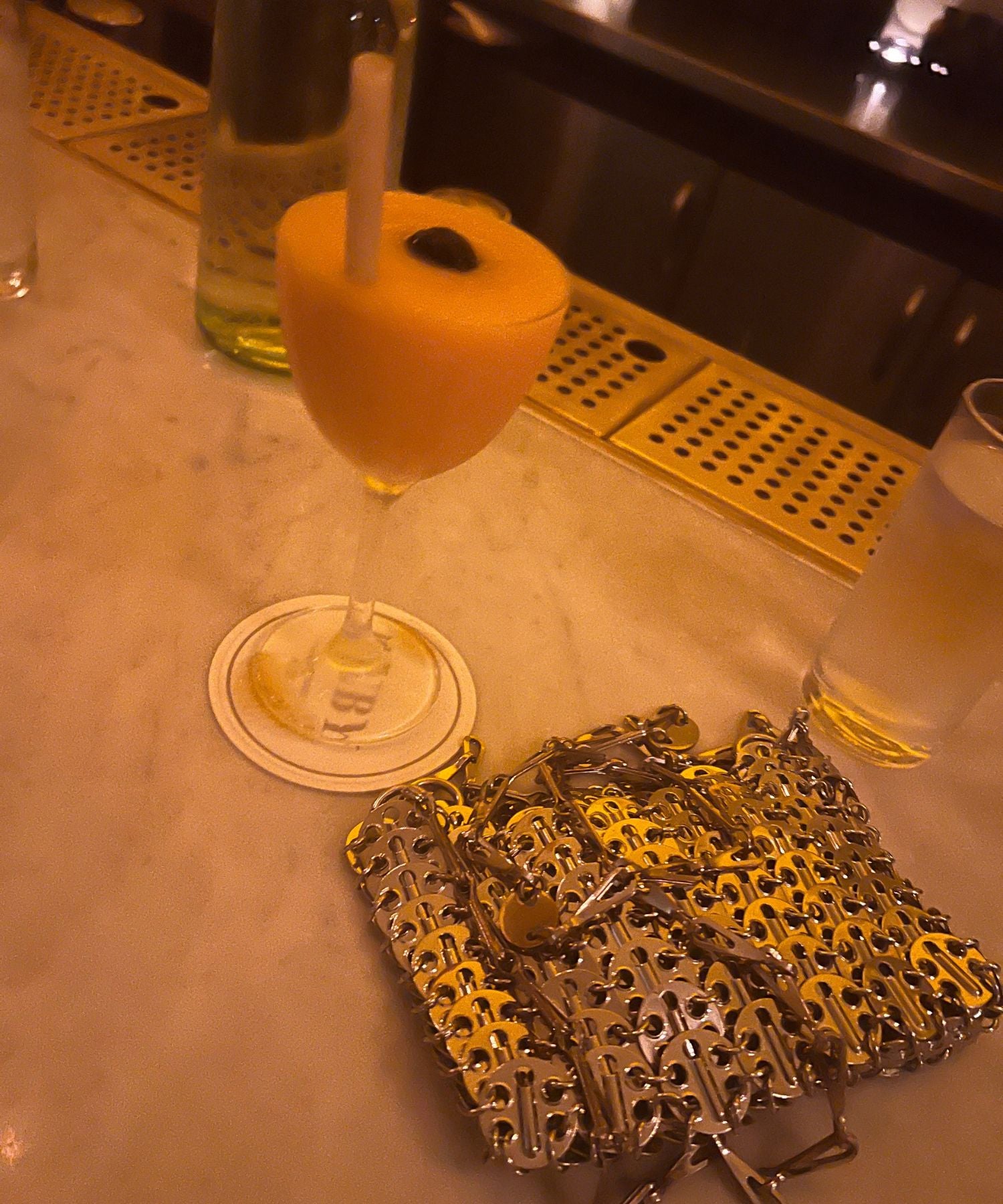
- Ruby: Located in a charming old house, this bar on the 50 Best list offers a menu of signature and classic cocktails in a dual-personality setting: a more modern Scandinavian-style room right at the entrance, where the bar is located and drinks are prepared, and a darker lounge at the back with various seating areas.
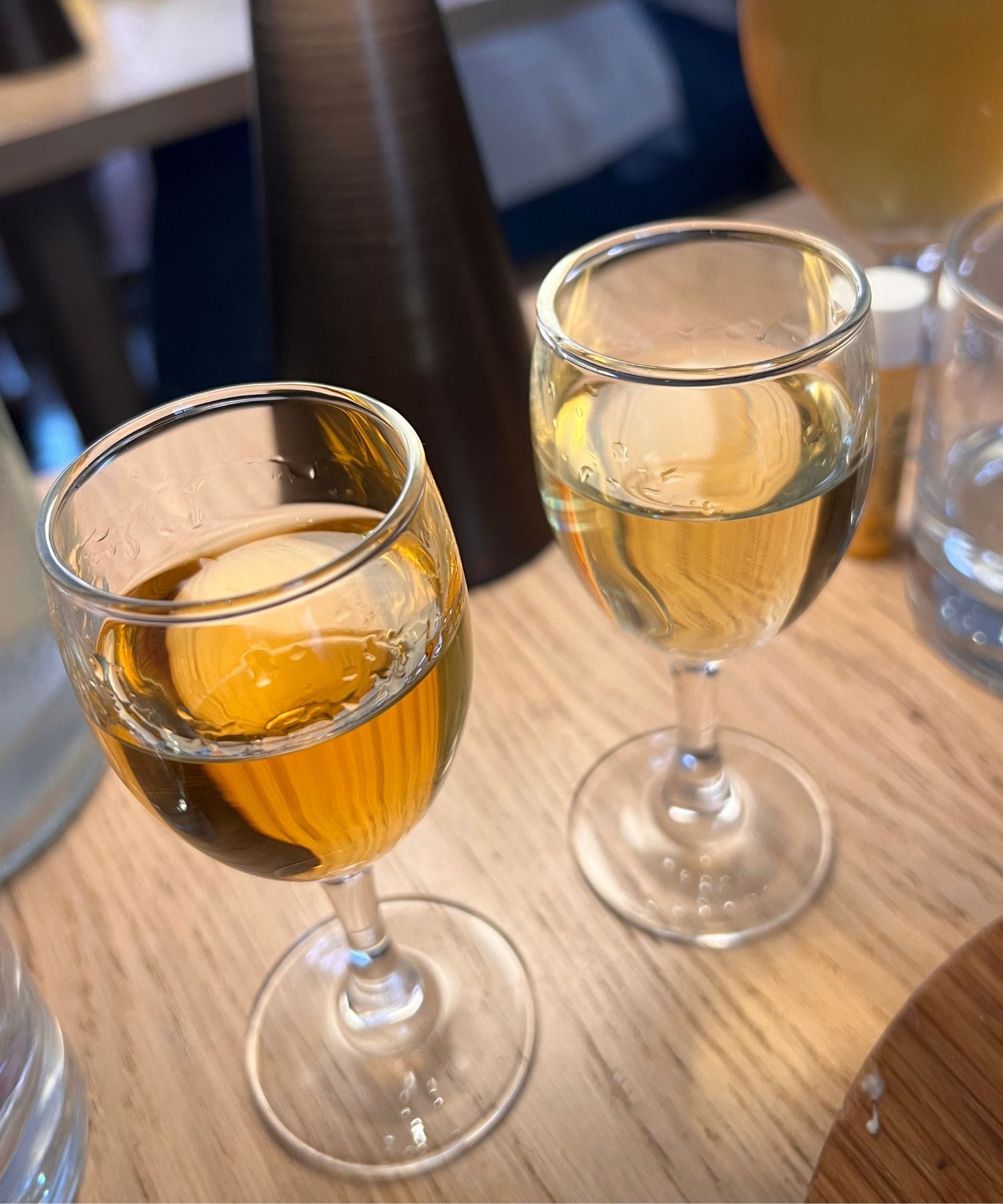
- Rudo: A vermouth and cocktail bar with an extensive wine list in Nørrebro. With great music, it’s perfect for everything from pre-dinner drinks to post-dinner cocktails.
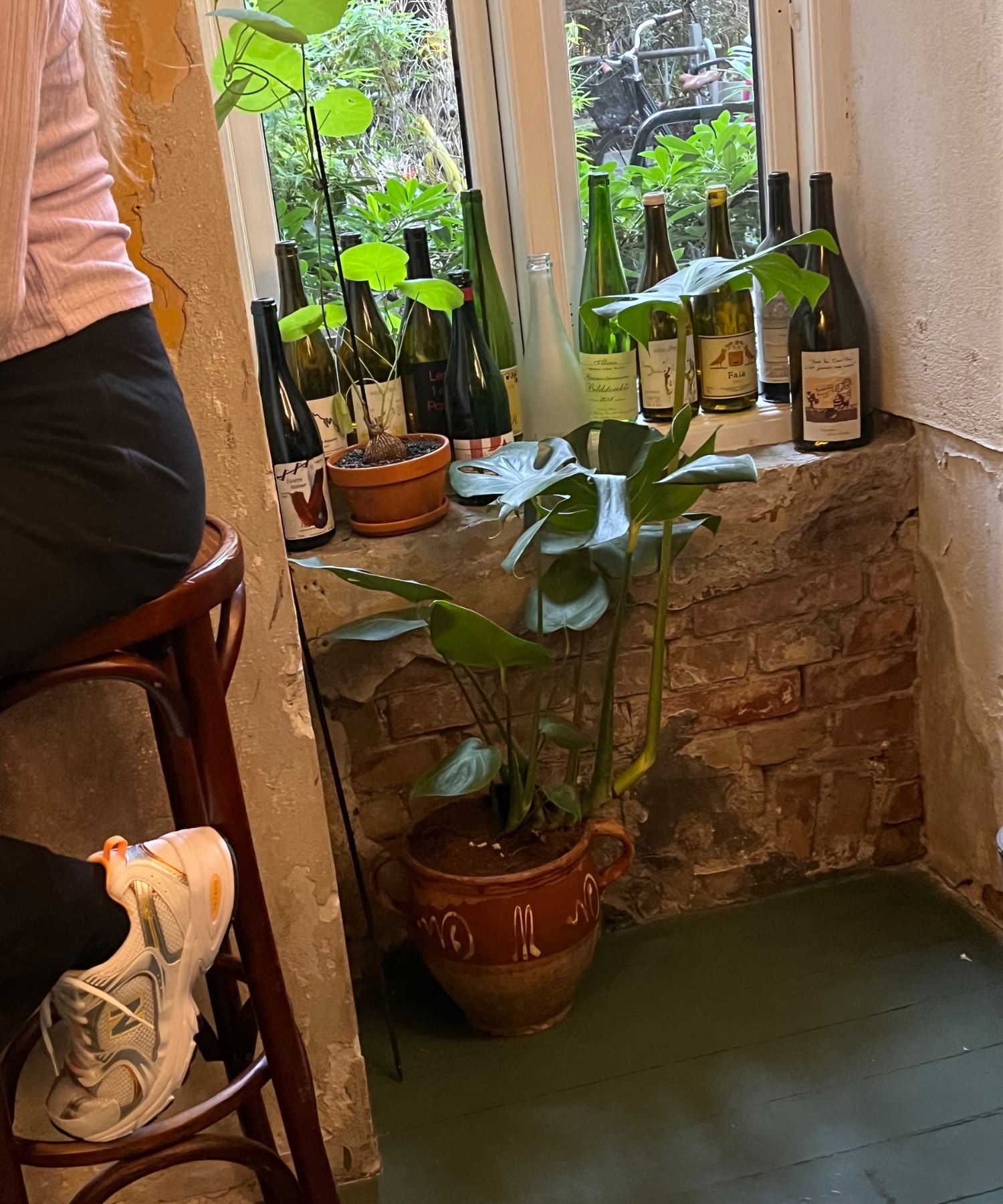
- Pompette: A natural wine bar in Nørrebro, popular with young and attractive crowds.
- Lille Blå Vin Bar: A natural wine bar in vibrant royal blue. The atmosphere is quintessentially Scandinavian, almost a cross between an art gallery and a wine bar.
- Bar Vivant: Another natural wine bar with a crowd of beautiful and stylish people.
- Jojo: A super colorful bar with great cocktails in Vesterbro.
- Bird: At Bird in Frederiksberg, the music is just as important as the cocktails. Vinyl and jazz are at the heart of the venue, with weekly events featuring local and international DJs playing a variety of musical genres.
- Paloma: A cozy and laid-back bar in Nørrebro specializing in vermouth.
- Nr. 30: A restaurant and wine bar that won awards in 2020 and 2021 for its wines.
- Jolene: Start your evening with cocktails and end it dancing. This bar in the Meatpacking District has a lot of character in both its crowd and atmosphere, with an underground vibe and a Danish DJ lineup updated weekly.
Bakeries & Pastries
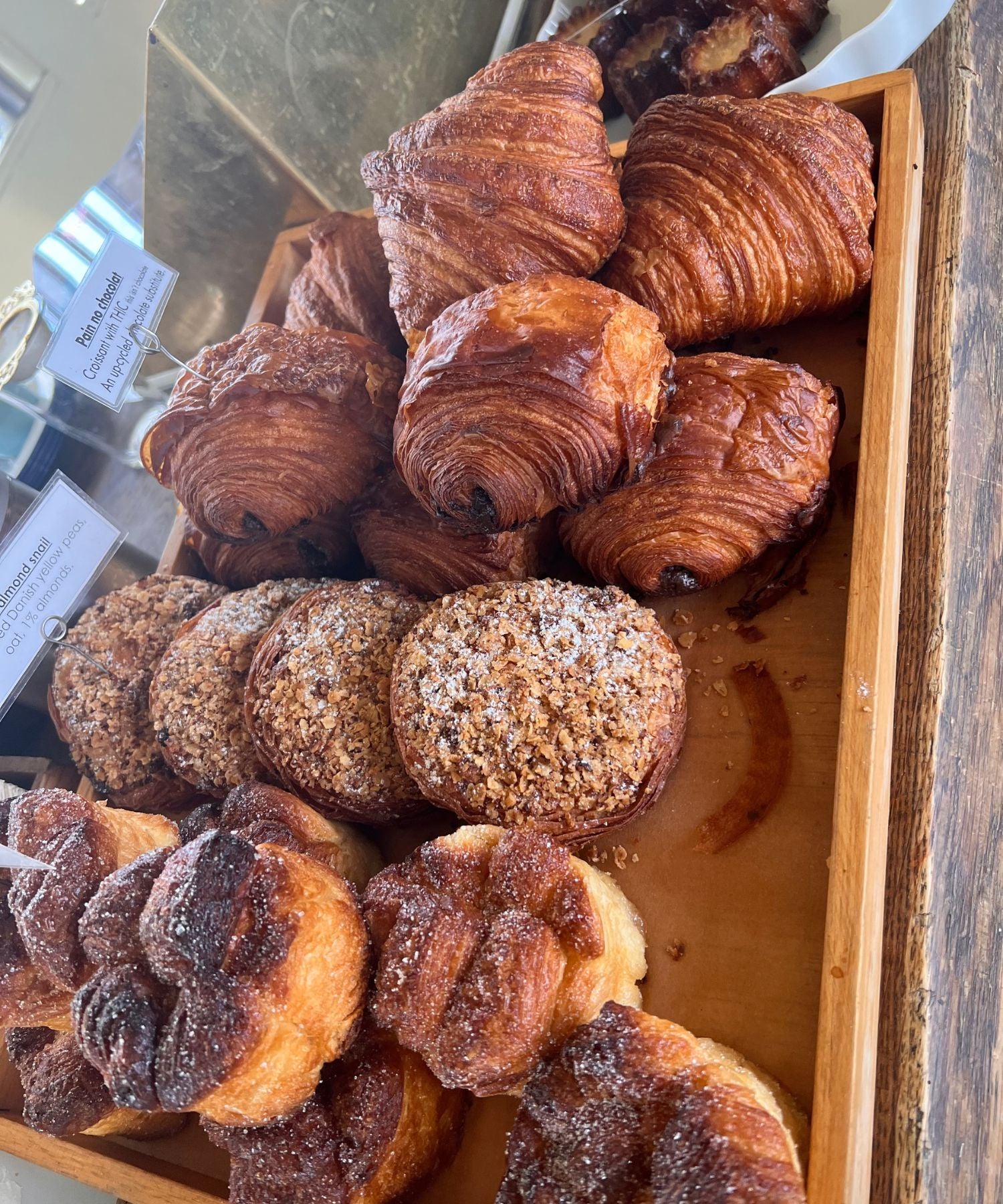
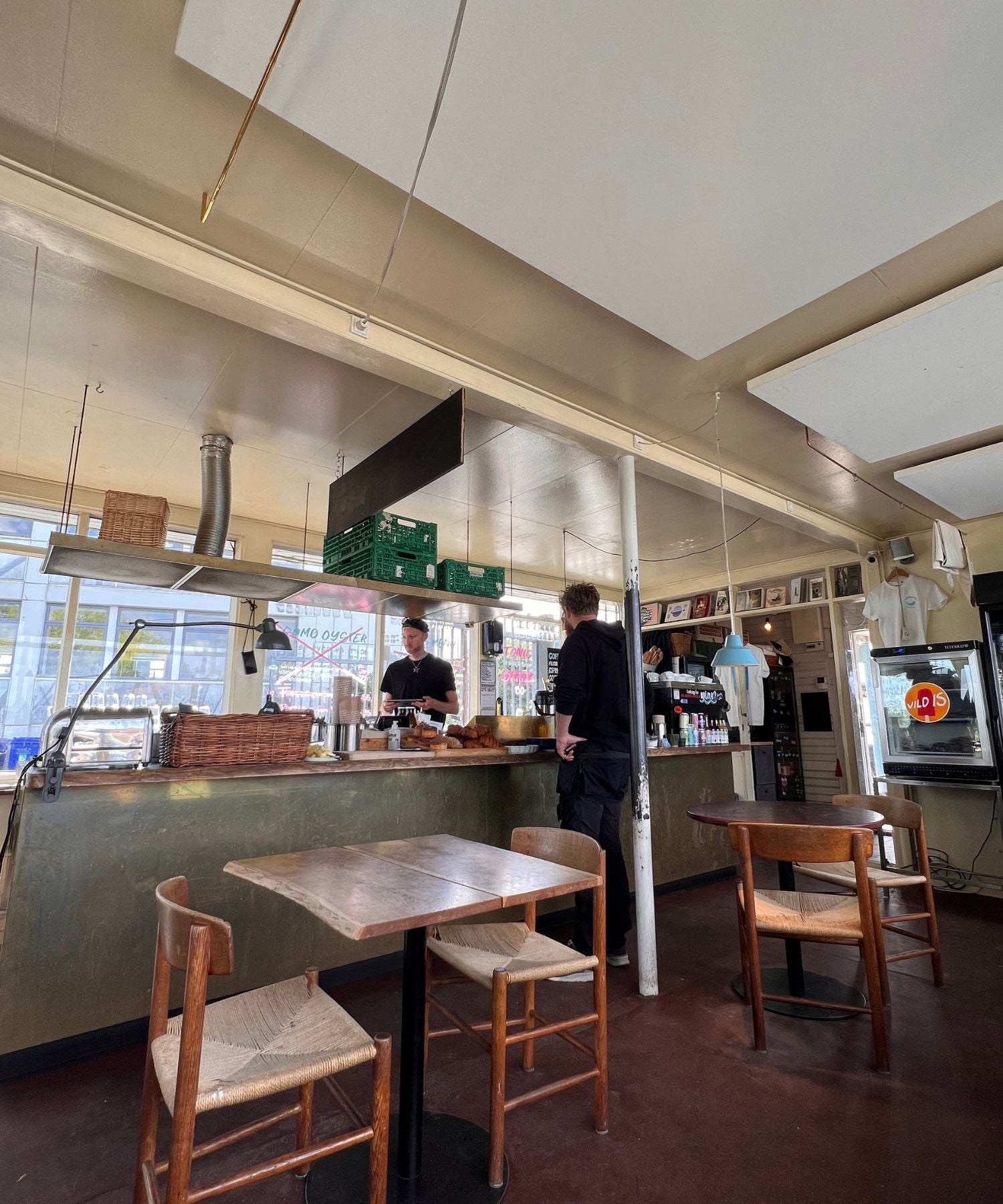
- Andersen & Maillard
- Juno The Bakery
- Lille Bakery
- Atelier September
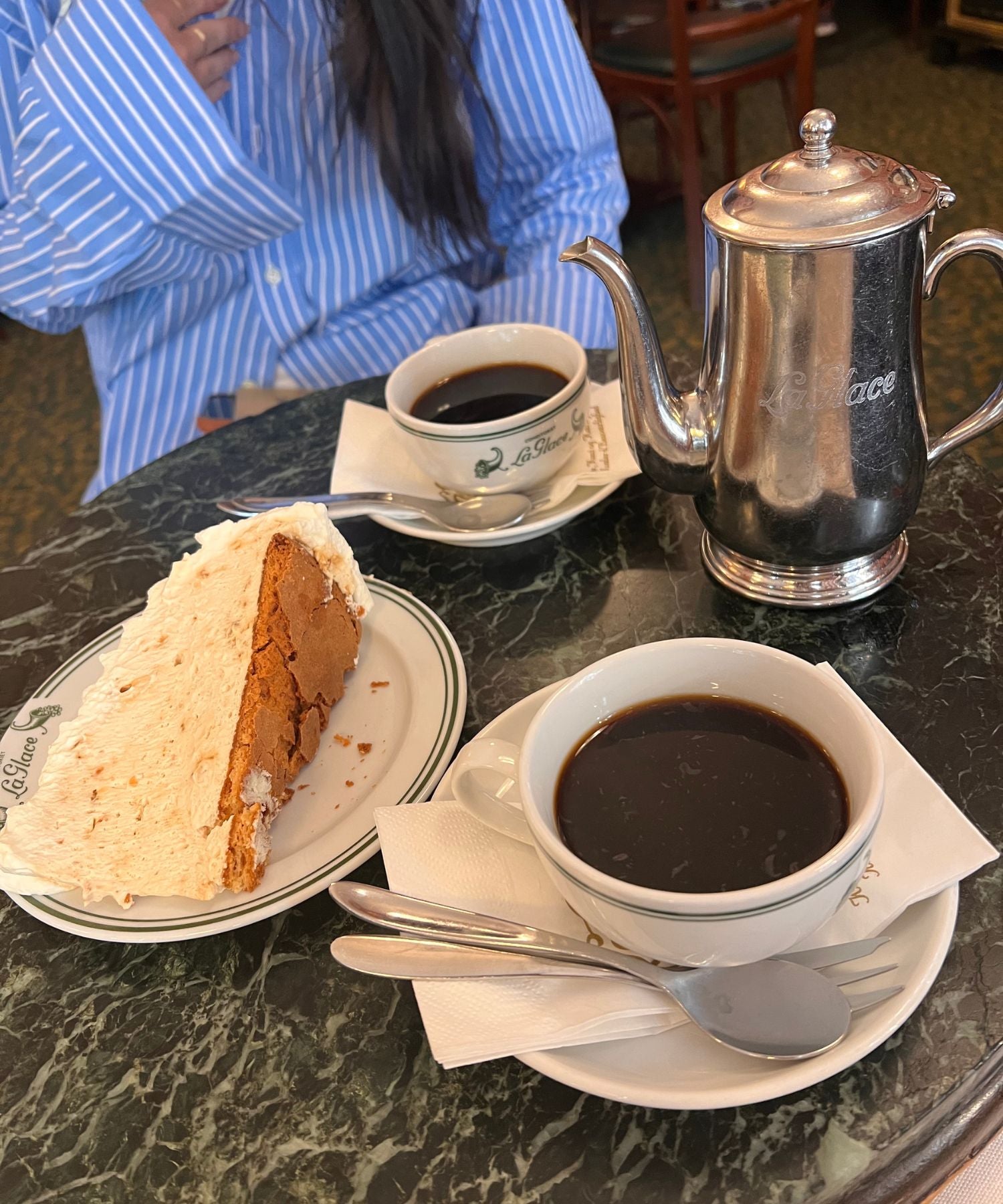
- Conditori La Glace
- Sonny
- Prolog Coffee
Ice Cream Shops
- Ismageriet: In the trendy Meatpacking District, this ice cream shop is considered one of the best in CPH. The Italian-style gelato is delicious, with topping options such as marshmallows and various sprinkles. Expect queues and plenty of attractive people in the summer.

To Buy
Vintage
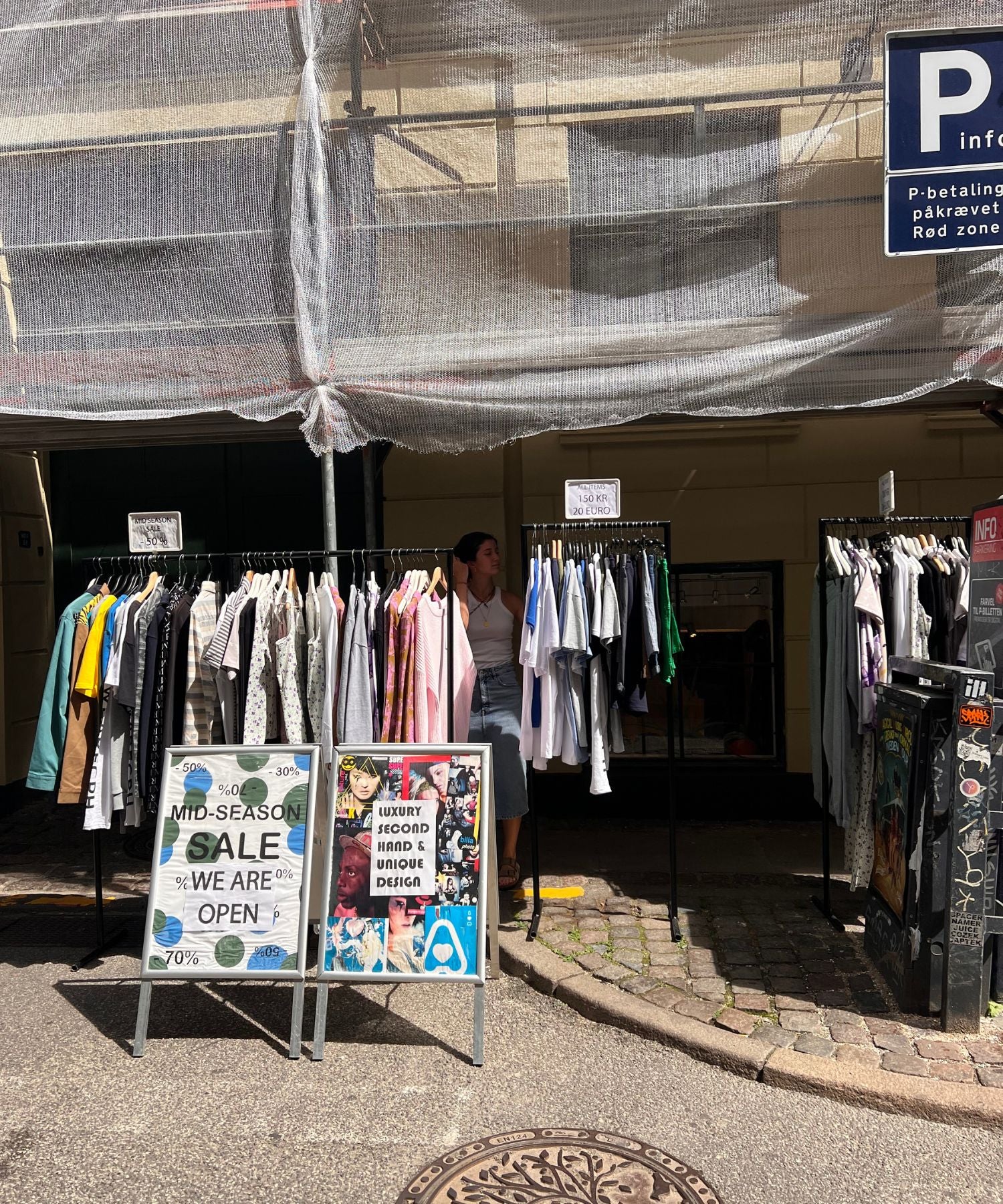
- Veras Market
- Prag
- Episode
- Time's Up Vintage
- Jerome Vintage
- Paloma Vintage
- Magnolia's Luksus 2ndhand
- Carmen Vintage
Fashion
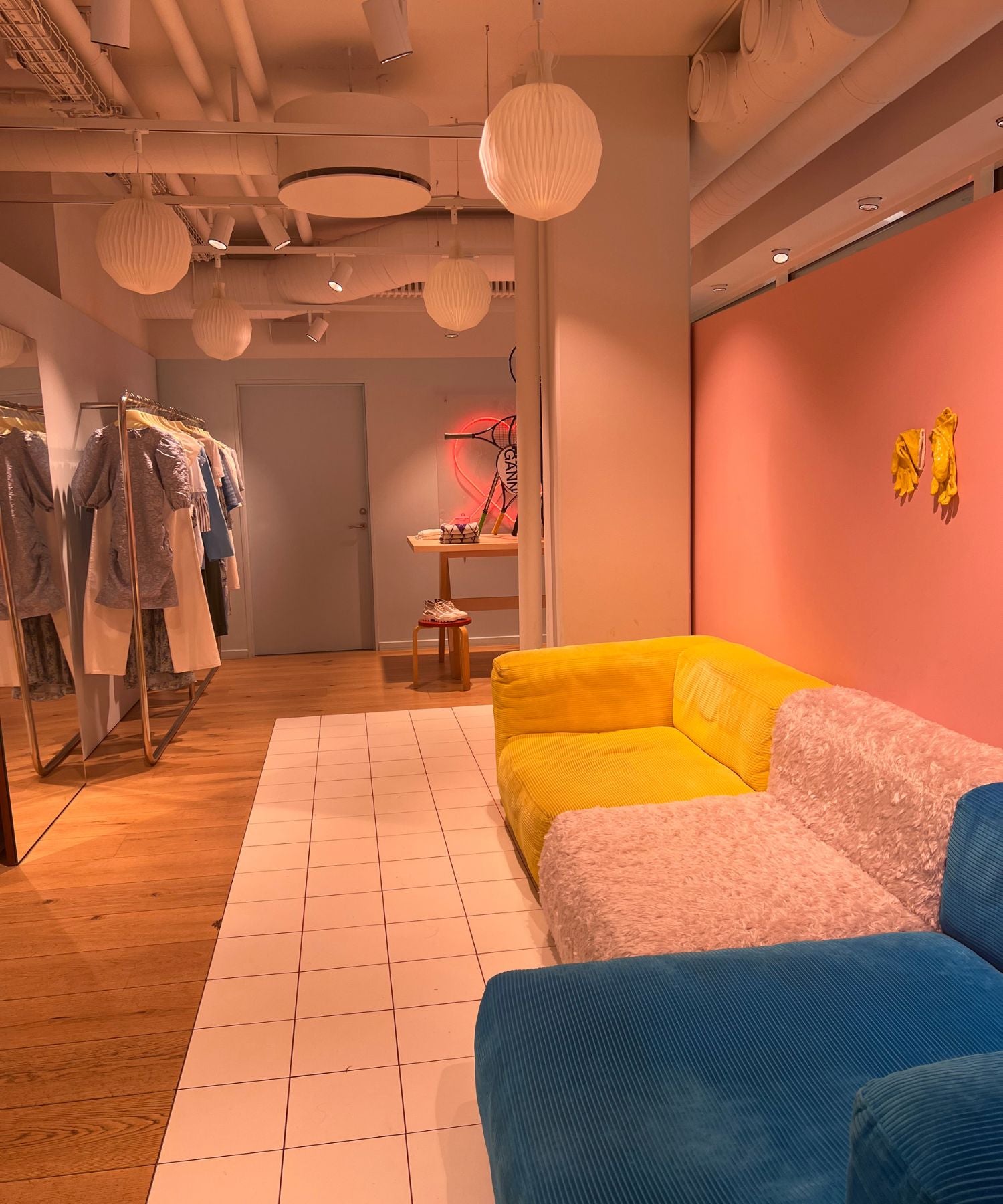
- Ganni
- Lot 29
- Stand Studio
- Stine Goya
- Storm Copenhagen
- Gestuz
- Holly Golightly
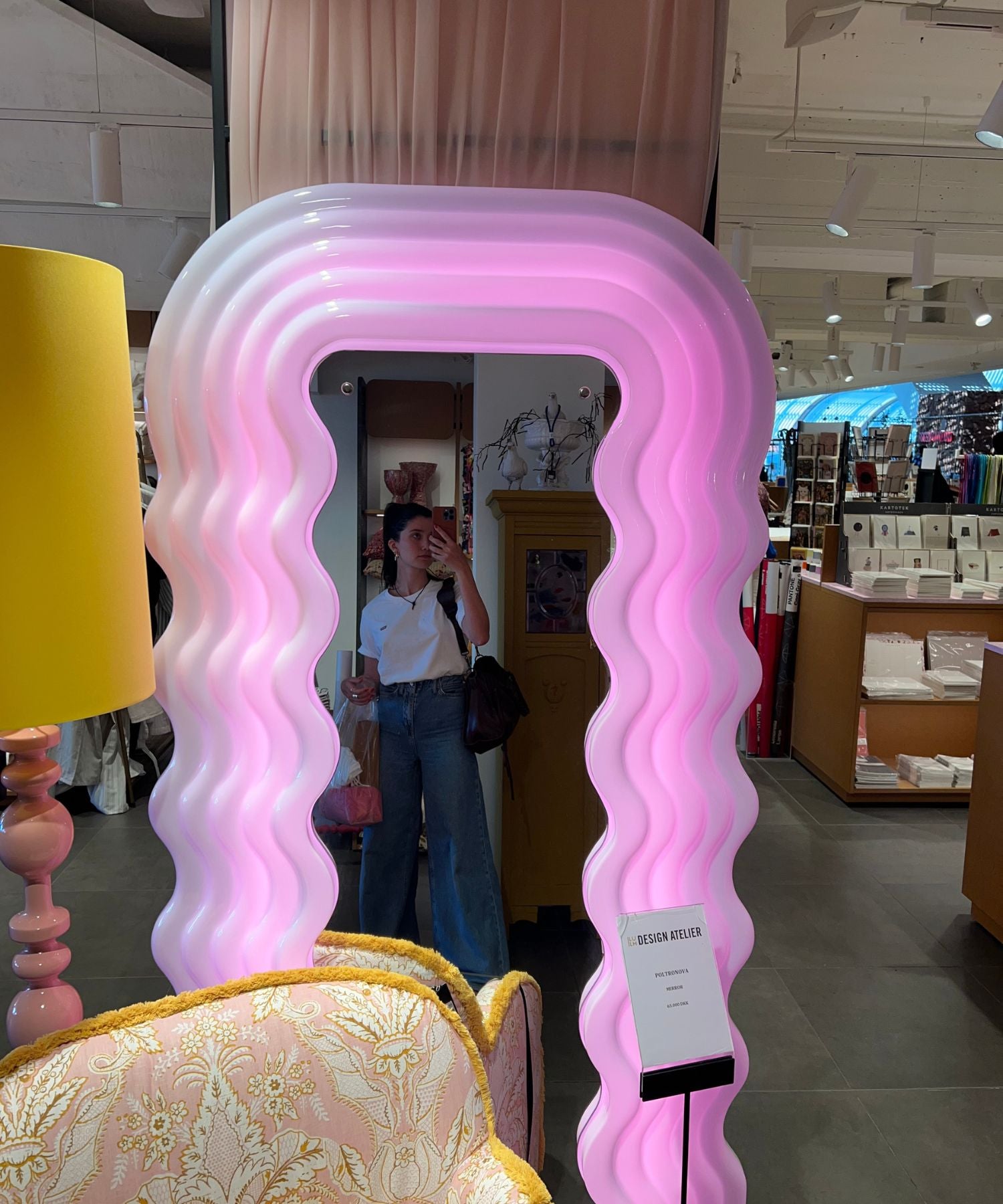
- Illum
- Naked
- Norse Projects
Beauty
- Matas: pharmacy chain spread throughout the city
- Magasin du Nord beauty floor: department store, I didn't like the other floors, but if you're nearby, it's worth checking out this floor on the ground level.
- Illum beauty floor: department store, it's the best in the city in this category. It's worth checking everything out and, like other department stores, it has a beauty floor.
- Storm: concept store with a curated selection of more niche beauty brands.
Home & Decor
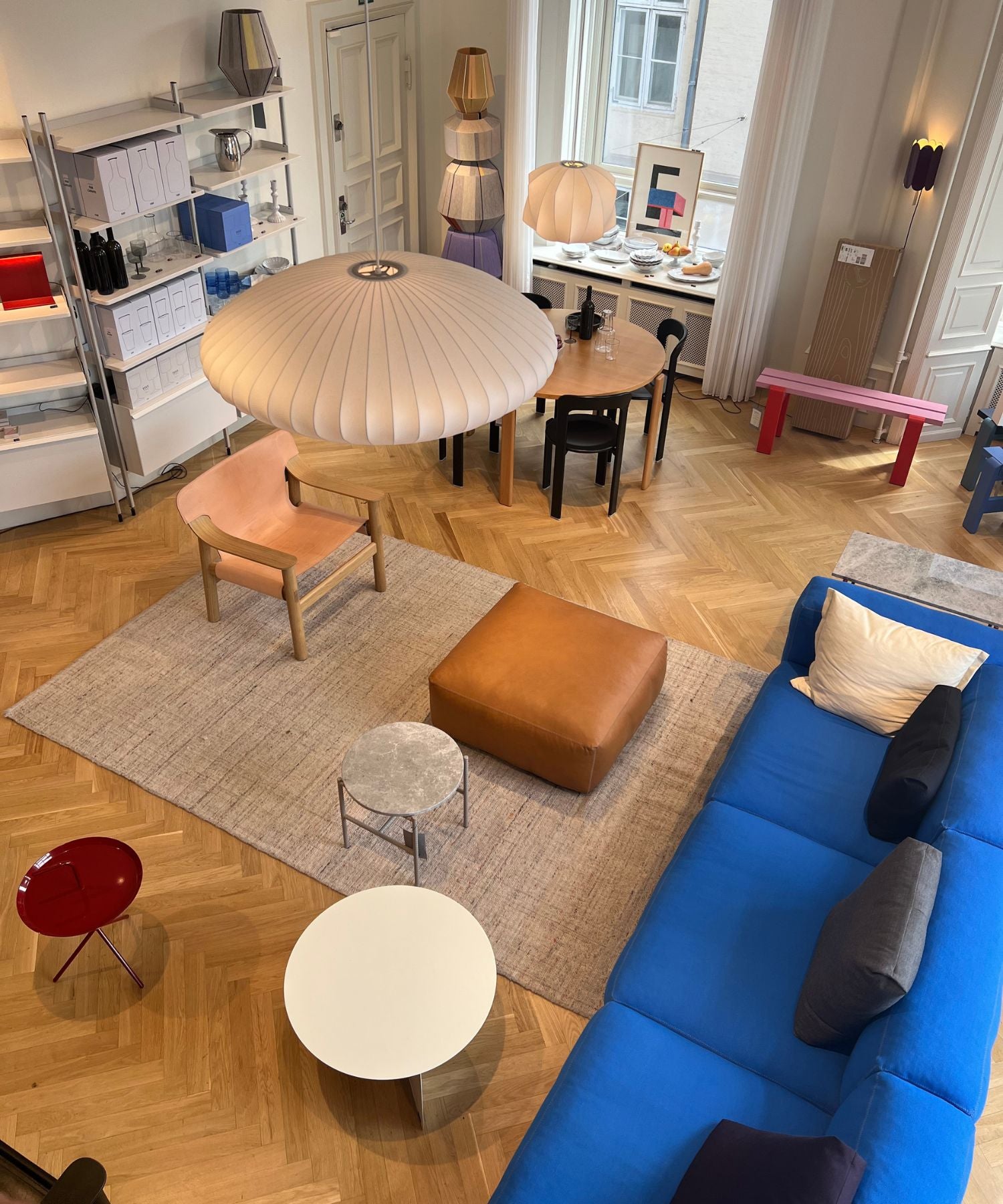
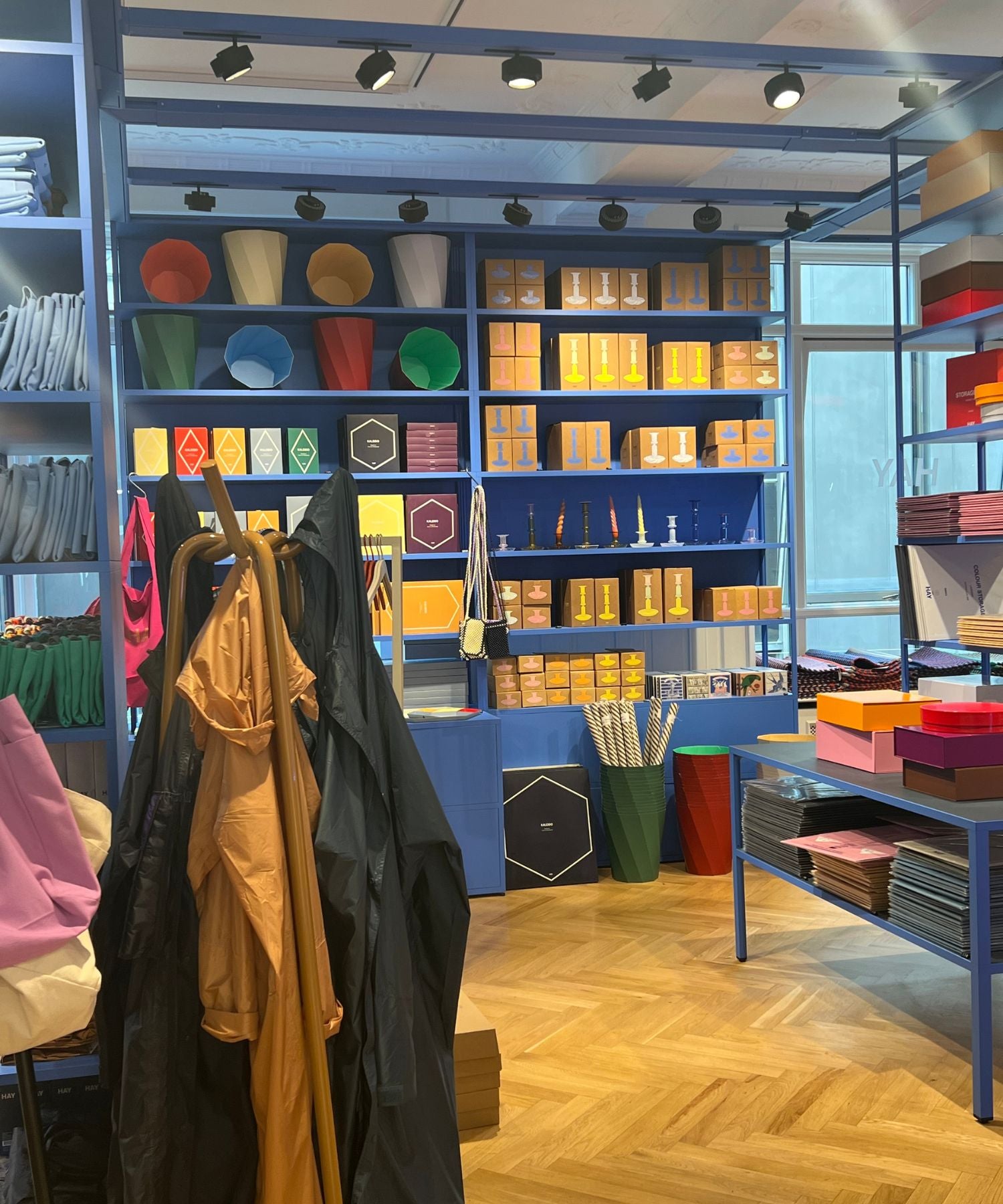
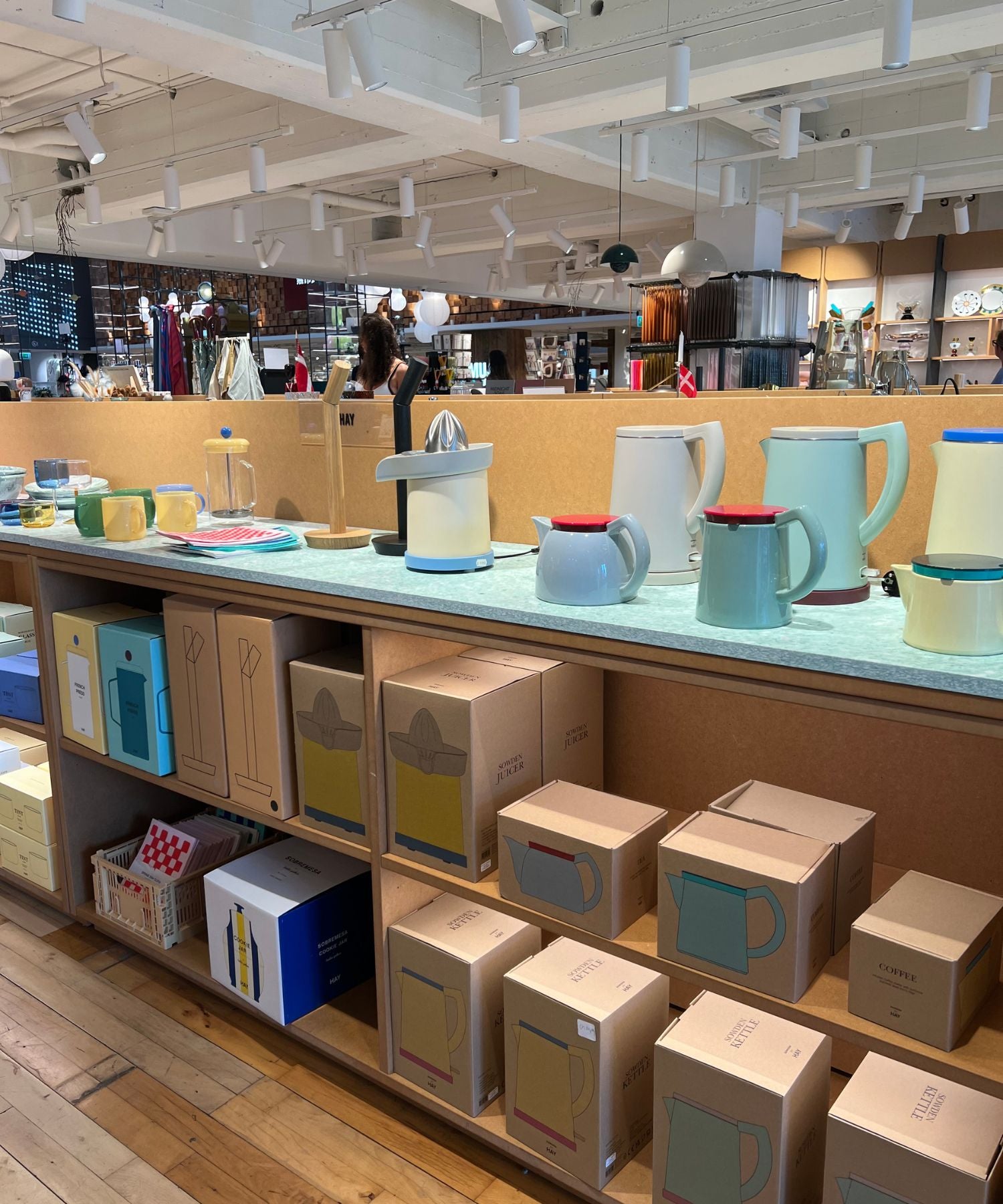
- Hay House
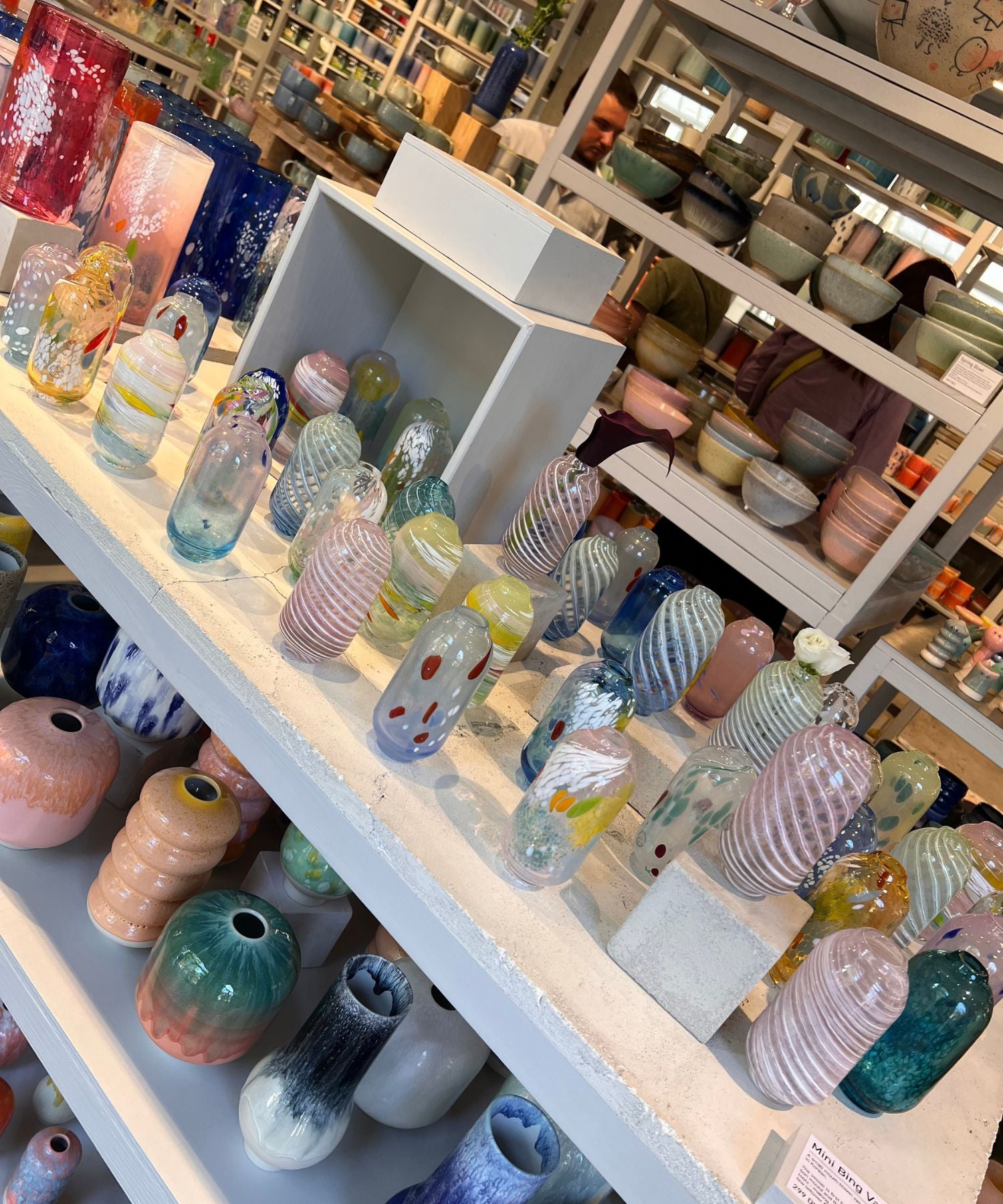
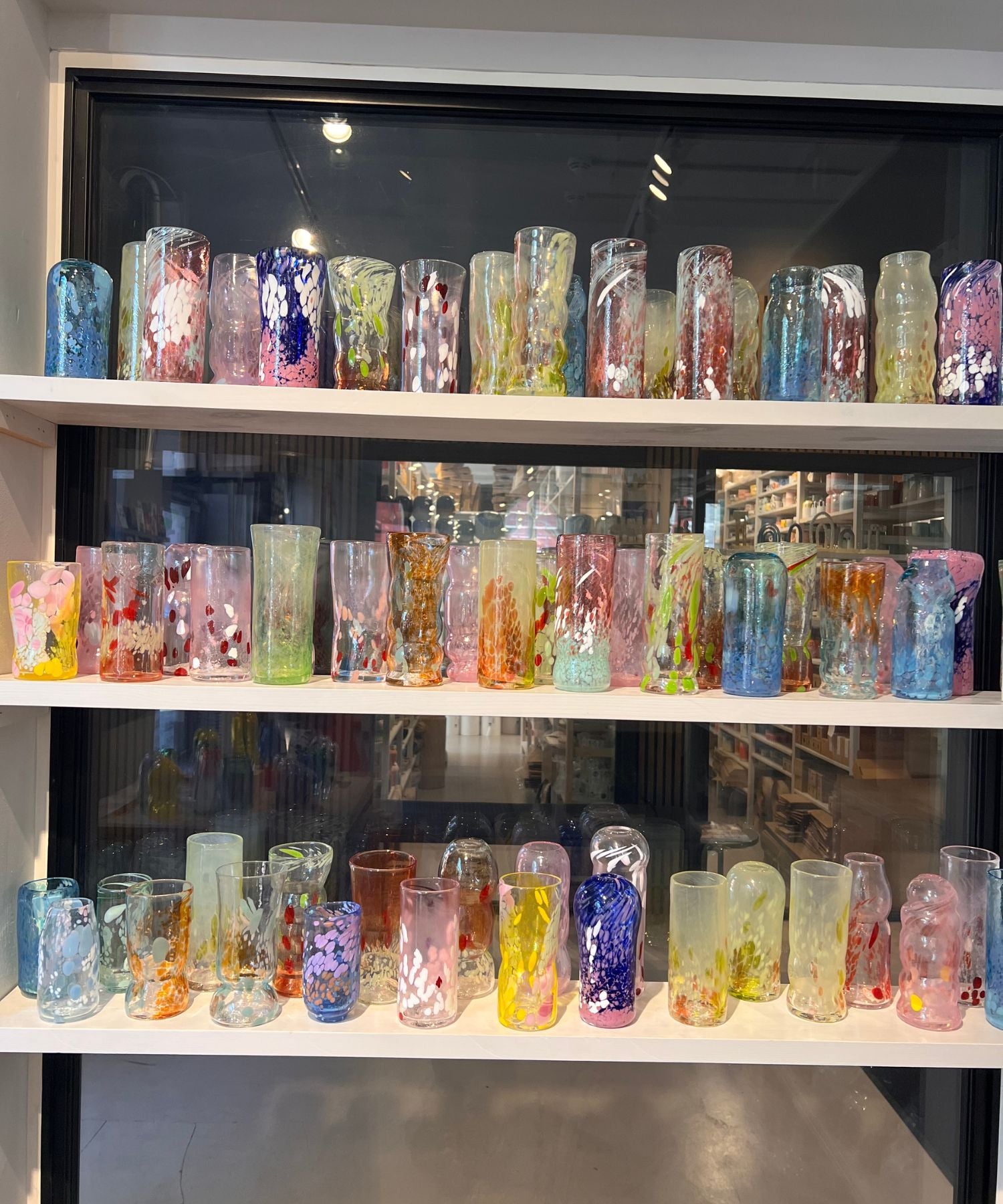
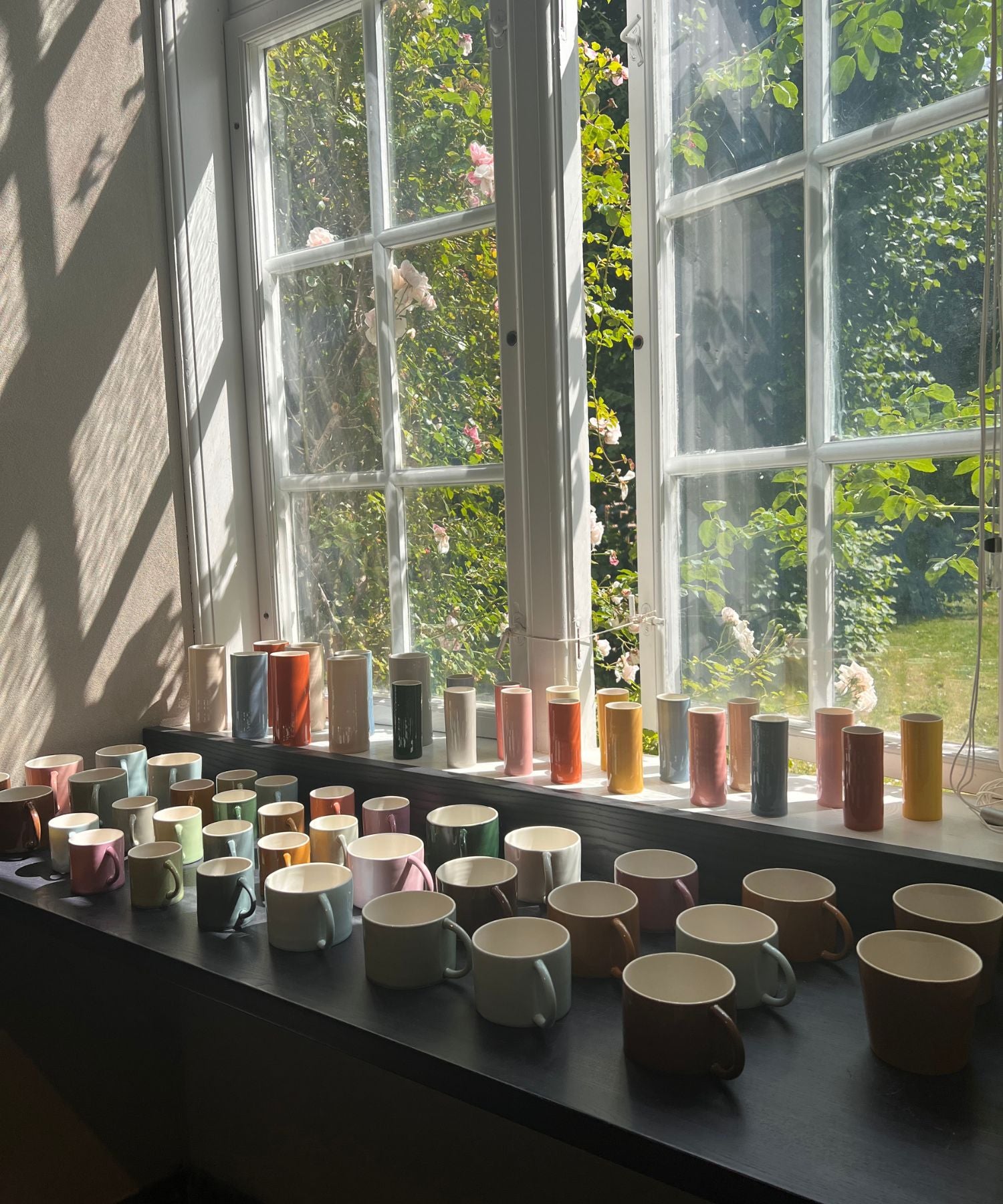
- Studio Arhoj
- Helle Mardahl
- Beau Marché
- Tableau
- Illums Bolighus
- Dansk Møbelkunst Gallery
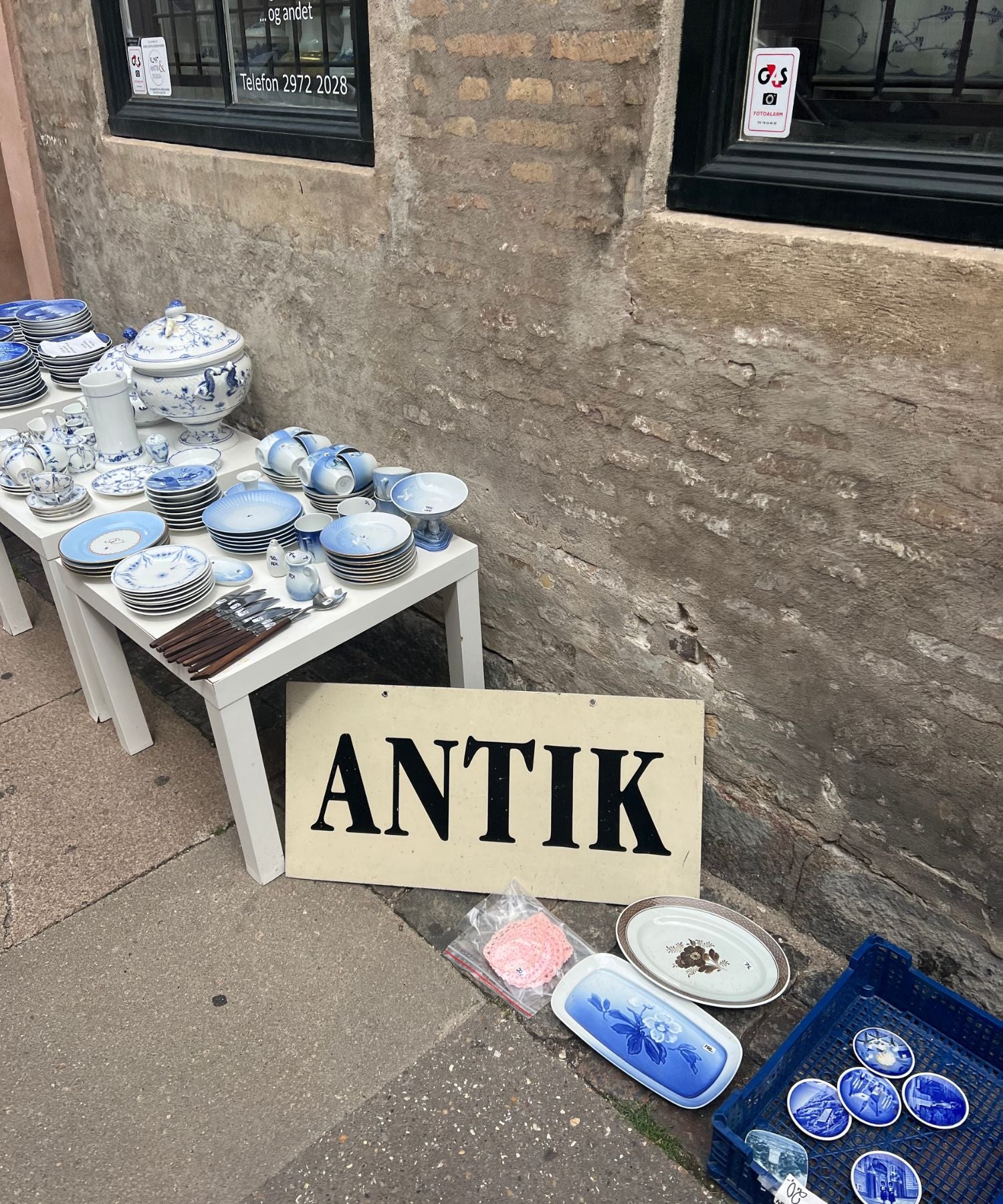
- Royal Copenhagen
- Dansk
- House of Finn Juhl
- George Jensen
- Keramiker Inge Vincents
- Luise Rose Gallery
Extra tips
- One of the best tips I can give is to buy the CPH Card. We only found out about it when we got there, when Maria Fernanda saw a banner for it at the airport. The card is 100% online; you download it from the App Store and choose how many hours you would like it to last—from 24 to 120 hours. We bought the 120-hour option, which worked out perfectly for the number of days we were staying there. The card isn't cheap, but Copenhagen is a VERY expensive city, and it gives you access to over 80 attractions and unlimited public transportation, including to and from the airport. We did the math and thought it was worth it. It's important to note that after paying for the card, it will only become valid once you activate it. Therefore, activate it only when you arrive in the city and are ready to start using it, because the purchased hours start counting from that moment.
- Another important thing is to carefully check the opening hours of all places, as well as the kitchen hours of restaurants. We missed out on a few long-distance trips going to places only to find out at the last minute that they were closed or that the kitchen had already closed and they would only serve light snacks and drinks.
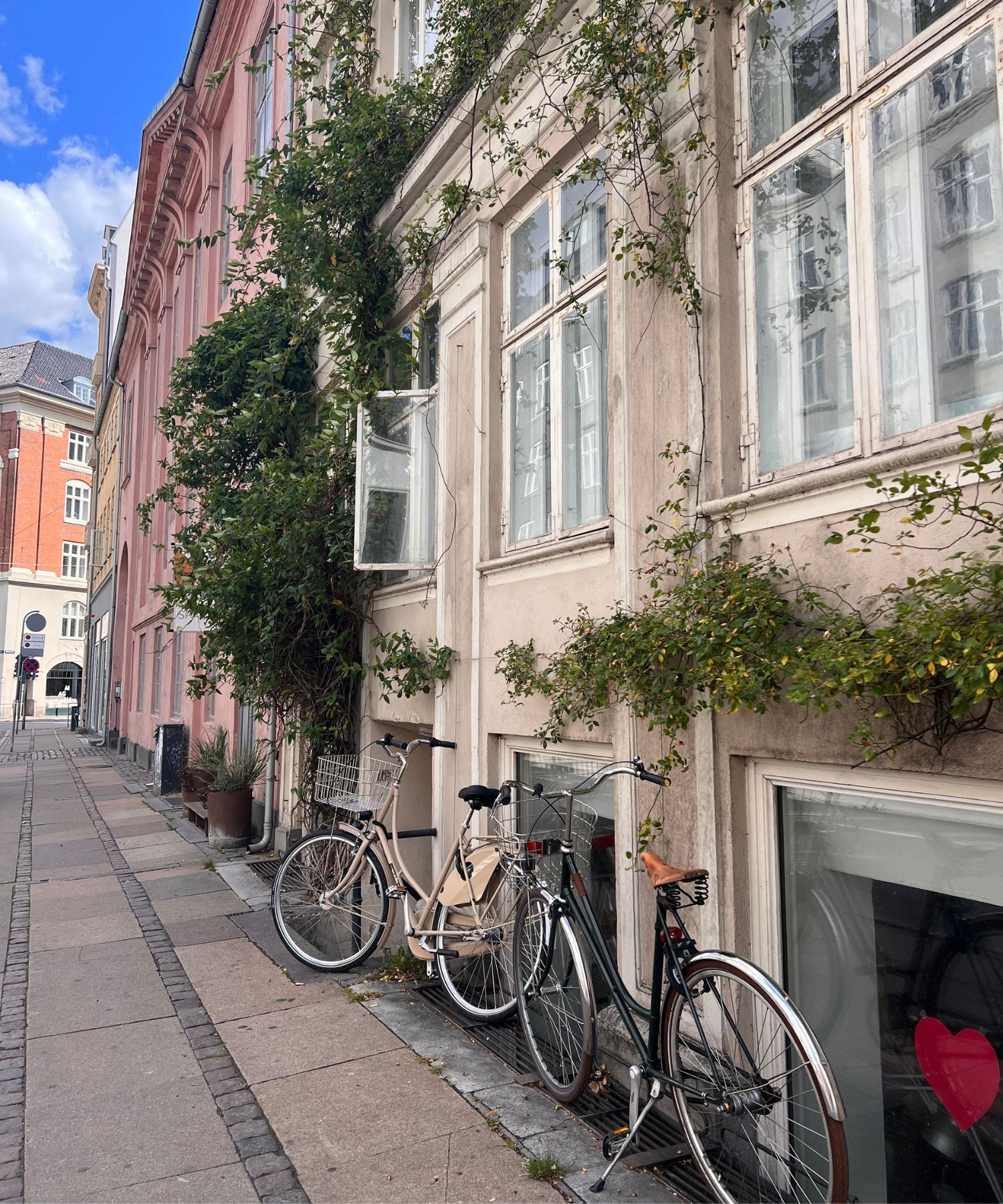
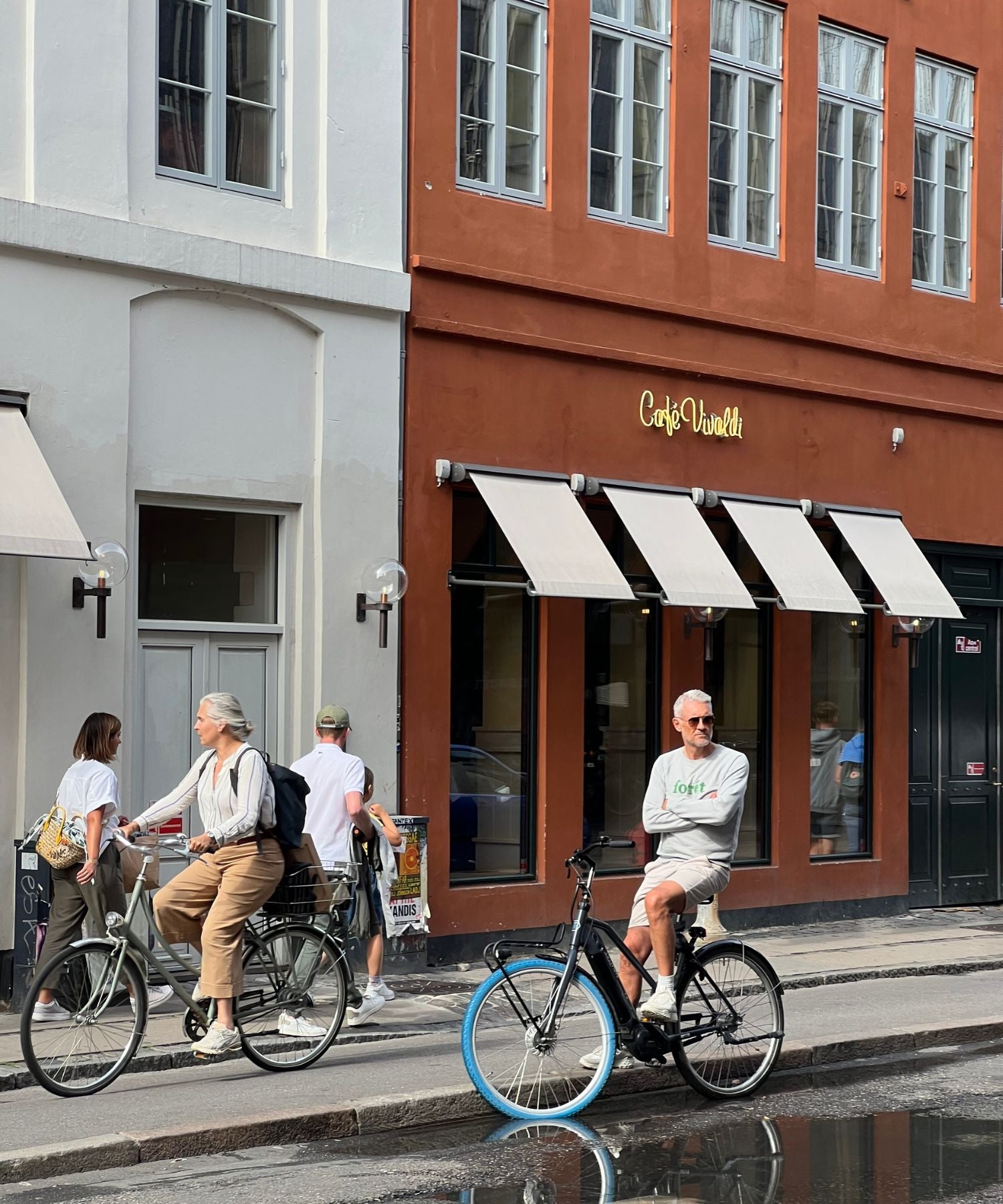
- Forget about cars in Copenhagen. Uber doesn't exist there, and taxis are extremely expensive. The city is a thousand times better enjoyed on foot or by bike. It is the best capital city in the world for cycling, with wonderful infrastructure that makes this mode of transportation safe and part of the local culture. If your hotel does not provide bicycles, you can rent them on this website.